
German Tourist's Free Tests at Surat Hospital Spotlight Public Healthcare Strengths
A German traveler's unexpected experience with instant, no-cost malaria and dengue testing at a Surat government hospital has gone viral, exposing sharp differences between India's accessible public system and the lengthy waits common in Western countries.

A German traveler's unexpected experience with instant, no-cost malaria and dengue testing at a Surat government hospital has gone viral, exposing sharp differences between India's accessible public system and the lengthy waits common in Western countries. David Nebel's July 28, 2026, visit to New Civil Hospital not only delivered same-day results but also marked his second public endorsement of Indian facilities after a similar rabies treatment episode earlier in the year. This incident highlights how India's policy of free diagnostics for vector-borne diseases serves both citizens and international visitors without insurance hurdles or delays.
India's Free Healthcare Model Earns German Tourist Praise
Surat, Gujarat – July 28, 2026 — David Nebel, the German content creator behind the Instagram page 'Indo-German Vibes', visited Surat's New Civil Hospital for malaria and dengue testing after experiencing symptoms during his ongoing travels and received immediate consultation and laboratory diagnostics at no cost.
Swift Access at New Civil Hospital
Nebel documented the process on social media, highlighting efficient triage, clean wards, and zero billing for the full checkup. Surat's New Civil Hospital, managed under the Gujarat state health department, processed his samples through ICMR-standard protocols without requiring insurance proof or advance appointments. This efficiency aligns with the Ministry of Health and Family Welfare's mandate for universal access at government facilities, serving over 1.4 billion citizens annually through similar outpatient routes.
Hospital Infrastructure and Monsoon Surge Capacity
New Civil Hospital in Surat stands as one of Gujarat's largest tertiary care facilities with a sanctioned bed strength exceeding 2,000, including dedicated infectious disease wards. During the 2023 monsoon season, the hospital recorded over 1.2 lakh outpatient visits between July and September, with malaria and dengue testing volumes surpassing 45,000 samples processed through ICMR-accredited laboratories using NS1 antigen and IgM ELISA protocols. Gujarat's per capita public health expenditure reached ₹2,487 in 2022-23, notably above the national average of ₹1,789, enabling zero-cost diagnostics for vector-borne illnesses without insurance verification. The July-September monsoon period consistently drives a 300-400% surge in dengue and malaria cases across Gujarat, with Surat district alone reporting 18,500 confirmed dengue infections in 2023 according to state health department data. New Civil Hospital's integration with the Integrated Disease Surveillance Programme allows same-day sample processing, supported by Gujarat's targeted allocation of ₹1,850 crore toward epidemic preparedness in the 2023-24 budget, including automated ELISA readers and mosquito surveillance units.
Recalling April 2026 Rabies Treatment
Four months earlier, Nebel sought anti-rabies care after a stray dog bite in Surat's Vesu area. The same hospital delivered four scheduled injections free of charge, completing the course in under two weeks. His video, which crossed 400,000 views, described the experience as seamless compared to expectations of high costs abroad. Both incidents illustrate consistent application of India's free essential medicines and diagnostics policy across infectious disease management.
Germany-India Healthcare Contrast
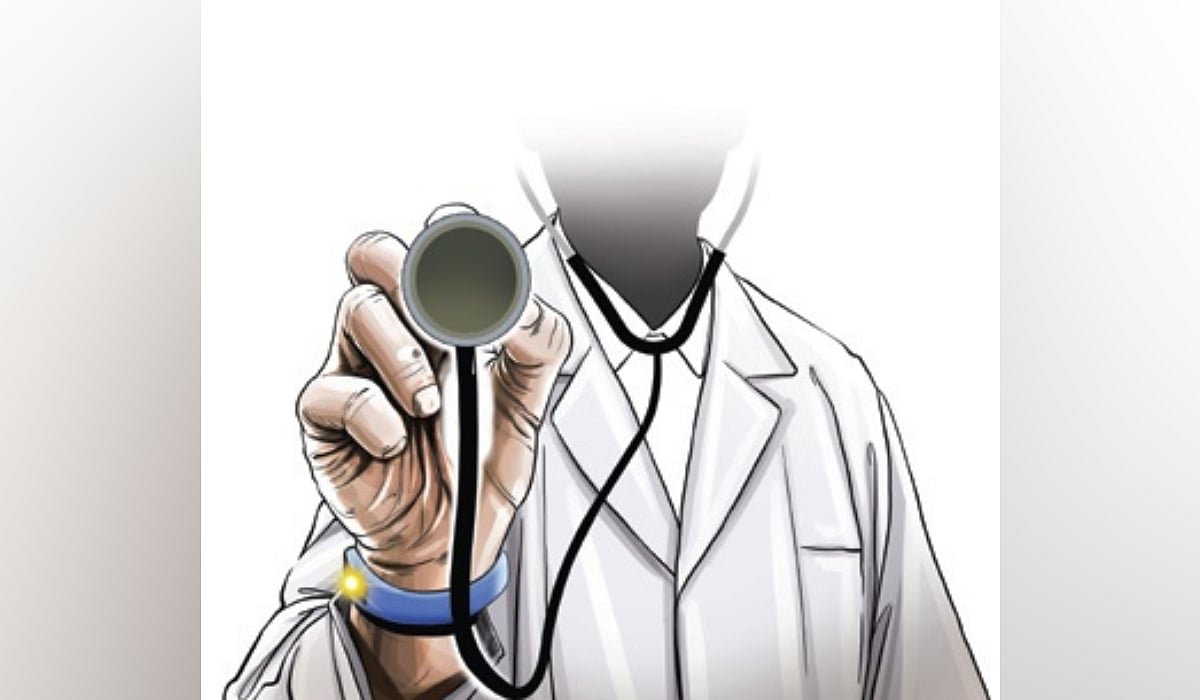
Germany's statutory health insurance system under GKV mandates coverage primarily for residents, leaving short-term visitors subject to full out-of-pocket costs averaging €150-300 for malaria and dengue PCR panels at outpatient clinics. Non-emergency diagnostic wait times in the German system routinely extend to 4-8 weeks, as documented in OECD health reports. In comparison, India's Ayushman Bharat model emphasizes immediate access for vector-borne diagnostics at public hospitals, bypassing bureaucratic pre-authorization. WHO's 2023 Universal Health Coverage index places Germany at 0.82 while India scores 0.61, yet India's 'no-questions-asked' policy for monsoon-related illnesses enables faster intervention for transient patients. This divergence highlights structural differences in triage priorities, where European systems allocate resources through gatekeeper general practitioners, resulting in median waits of 21 days for infectious disease consultations per European Observatory data, while India's approach under National Vector Borne Disease Control Programme guidelines permits direct laboratory access at facilities like Surat's New Civil Hospital, reducing diagnostic delays to under four hours. The contrast carries policy implications for India's ongoing healthcare reforms, suggesting that streamlined emergency diagnostics for vector-borne diseases could serve as a model for reducing outpatient wait times across other specialties under the Ayushman Bharat framework.
Medical Tourism Growth and Gujarat's Role
India's medical tourism sector reached $9 billion in 2025 and is projected to hit $13-14 billion by the end of 2026, according to Ministry of Tourism data. Gujarat contributes significantly through facilities like Surat's New Civil Hospital and Ahmedabad's civil hospitals, with roughly 150,000 foreign patients treated annually and a 12-15% share of India's 2025 medical tourism inflows. Upgrades including a new wing and enhanced diagnostic laboratories at Surat bolster international patient confidence, while positive viral stories such as Nebel's correlate with surging inquiries. This growth supports local economies while demonstrating scalable public infrastructure that also serves domestic populations in high-density states.
Atithi Devo Bhava in Institutional Practice
The principle of treating guests as divine finds expression in these government hospitals, where foreign nationals access the same streamlined pathways as Indian citizens through India's visa-on-arrival medical tourism framework and e-Medical Visa scheme for efficient short-term care. ICMR guidelines on malaria and dengue surveillance enable rapid testing without nationality-based restrictions, generating economic multipliers as patients boost revenues in transport, accommodation, and local commerce. Contrasting with Thailand and Singapore's luxury-oriented approaches, India's inclusive strategy enhances global health diplomacy through genuine cultural hospitality. For taxpayers funding these systems through central and state budgets, such accessibility reinforces India's positioning as a reliable destination for short-term medical needs.
Domestic Implications and Policy Gaps
While foreign visitors like Nebel highlight efficiency, Indian patients in states such as Uttar Pradesh and Bihar often report overcrowding at similar facilities. The contrast points to uneven implementation of Ayushman Bharat across regions. Ayushman Bharat has issued over 28 crore health cards nationwide as of 2024, facilitating 6.5 crore hospital admissions, yet utilization remains skewed with Gujarat achieving 1.8 admissions per 1,000 beneficiaries compared to Bihar's 0.6. Rural-urban disparities persist, with only 38% of primary health centers in BIMARU states equipped for dengue ELISA testing versus 72% in Gujarat per National Health Mission evaluations. The Jan Arogya Mela initiative, launched to expand scheme awareness, reached 4.2 crore citizens in 2023 but recorded lower enrollment in Bihar and Uttar Pradesh due to limited camp infrastructure. National Health Mission budget allocations have grown to ₹37,000 crore in 2024-25, yet per-district spending in eastern states lags 25% behind western counterparts. Gujarat's superior performance on NITI Aayog health indices — ranking fourth nationally versus Bihar's 19th — stems from consistent 12% annual increases in state health budgets since 2018, offering lessons in expanding Ayushman Bharat empanelment for vector-borne testing in underserved regions and replicating Surat's ICMR-protocol labs to reduce patient wait times. Strengthening primary care under the National Health Mission could narrow this gap, ensuring that the same standards praised by international travelers benefit all citizens equitably.
The Bottom Line
Nebel's July 2026 experience at Surat's New Civil Hospital adds concrete evidence that India's free public healthcare model delivers timely malaria and dengue diagnostics without financial or administrative hurdles. With medical tourism revenues climbing toward $14 billion, these cases signal broader economic and diplomatic value. For Indian citizens and visitors alike, the system offers a practical alternative to insurance-heavy Western frameworks, provided infrastructure investments continue to address capacity challenges nationwide.
— By Dr. Raj Patel, Staff Writer
This article was produced with AI-assisted research and editorial support. Reporting is based on sources cited in the article.
What's Your Reaction?
 Like
1
Like
1
 Dislike
0
Dislike
0
 Love
0
Love
0
 Funny
0
Funny
0
 Wow
0
Wow
0
 Sad
0
Sad
0
 Angry
0
Angry
0

India/South Asia Correspondent at Global1.News. Analytical voice with a background in science and health journalism. Based in New Delhi, covering Indian politics, education, healthcare, technology, and policy. Breaks down complex data into clear, actionable reporting.












Comments (0)