
China's BRI Highway Projects Bring Tragedy to Colombia
**Keywords:** China BRI Colombia, Dabeiba landslide, Gustavo Petro, Antioquia Chocó highway, Chinese infrastructure Latin America, Manuel Salvador Zapata, debt trap diplomacy, environmental impact Colombia A recent DW News video titled "The dark side of China's infrastructure ambitions in Colombia" highlights the human stories behind major construction projects, including the l
A Family's Devastating Loss in Dabeiba
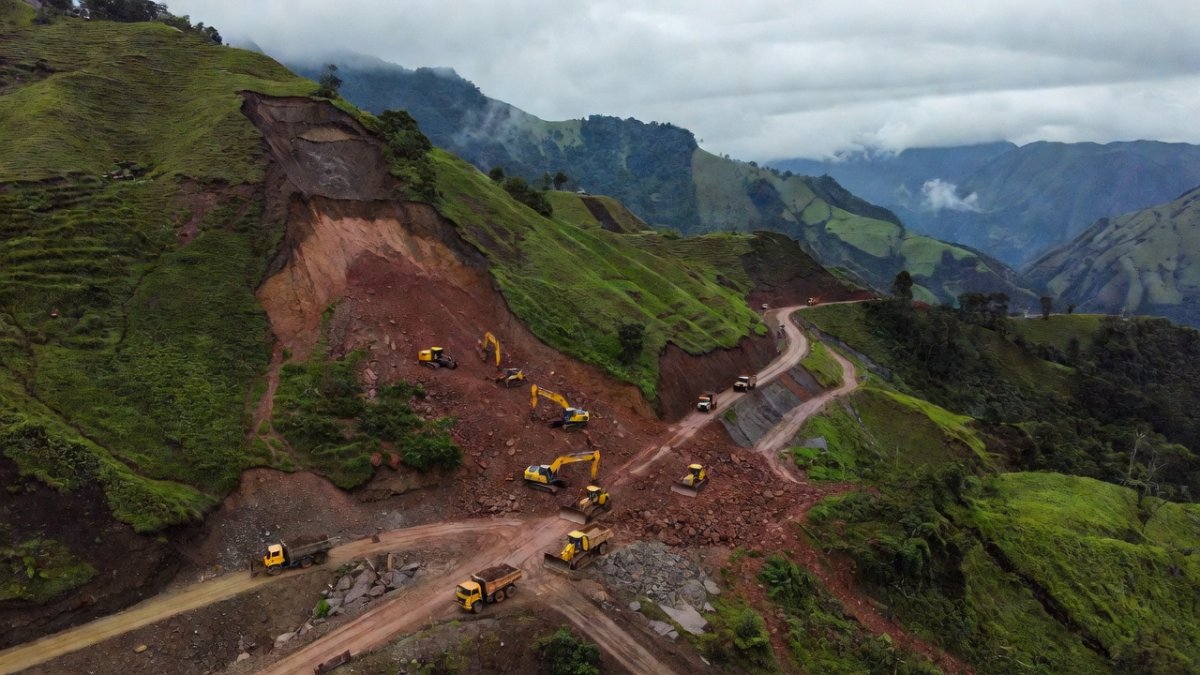
Manuel Salvador Zapata, a longtime resident of Dabeiba in Antioquia department, lost multiple family members when a landslide struck their home in an area where Chinese companies were building a highway through the mountainous Antioquia-Chocó corridor. The incident occurred amid ongoing excavation and blasting activities tied to the project. Local accounts describe how the slope gave way after heavy rainfall, burying the residence without warning.
(Global 1 News)
Neighbors in Dabeiba rushed to the site but found limited rescue resources available in the remote mountainous zone. Zapata and surviving relatives now live with the permanent absence of loved ones while facing questions about whether construction practices contributed to the slope failure. The region features unstable slopes and frequent heavy rainfall, conditions that have long challenged infrastructure efforts.
Community members in Dabeiba have since organized meetings to document similar near-misses along the corridor. They point to visible cracks in hillsides near excavation zones as evidence that work has altered natural drainage patterns. These gatherings have drawn attention from regional authorities in Medellín, though concrete changes to construction methods remain pending.
Colombia Joins China's Belt and Road Initiative
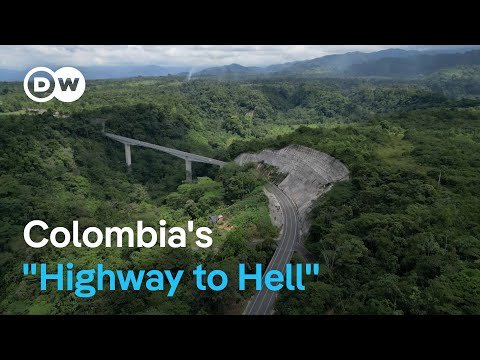
Colombia signed its BRI cooperation pact with China in October 2023 under President Gustavo Petro. The agreement opened doors for Chinese state-owned companies such as China Communication Construction Company and China Railway Group to secure major contracts. Officials in Bogotá presented the pact as a way to fund projects long neglected by traditional lenders.
(DW News)
Over twenty Latin American countries have now signed similar BRI agreements, positioning China as the region's second-largest trading partner after the United States. Chinese infrastructure investment across Latin America has exceeded 150 billion dollars since 2005. In Colombia the focus has centered on roads and ports meant to link the Pacific coast with interior markets.
Petro's administration argues these projects address development gaps that Western financing has overlooked for decades. Supporters in Medellín and other cities cite potential job creation and improved trade routes. Critics in Congress, however, have called for stricter transparency rules on foreign bids before additional contracts advance.
The Ambitious Dabeiba Highway Project
The Dabeiba highway forms part of a larger effort to connect Colombia's Pacific coast through the Antioquia-Chocó corridor. Chinese firms won the contract to carve a route across steep terrain that has historically isolated rural communities. Construction involves extensive blasting and earth-moving to meet tight deadlines set by national planners in Bogotá.
Engineers selected the corridor for its strategic value in reducing travel times between ports and agricultural zones. Yet the same geography that makes the route valuable also creates engineering challenges, including frequent landslides during rainy seasons. Local engineers from Antioquia universities have warned that standard slope-stabilization techniques may prove insufficient without additional safeguards.
Workers on the project include both Colombian laborers and Chinese technical teams. Daily operations near Dabeiba have brought temporary employment to some households while disrupting traditional farming on adjacent plots. Families report dust and noise affecting daily routines, with limited channels to raise complaints directly with the contractors.
Blasting and Excavation Raise Local Concerns
Residents of Dabeiba and nearby villages blame construction blasting and excavation for destabilizing hillsides above their homes. They describe vibrations strong enough to crack walls and alter water flow, changes they link directly to the October 2023 landslide that struck Zapata's property. No independent engineering review has yet confirmed or ruled out these connections.
Environmental groups in Chocó have filed formal complaints with Colombian regulators about inadequate environmental impact assessments for the corridor. The filings cite missing data on how blasting affects groundwater and slope stability in an area already prone to erosion. Regulators in Bogotá have scheduled hearings but have not halted work.
Similar complaints have surfaced in other Colombian departments where Chinese contractors operate. Community leaders argue that public consultation meetings occurred only after major earthworks had begun, leaving little room for meaningful input on route adjustments.
Transparency Issues in Chinese Contracts
Critics in Colombia's Congress contend that Chinese state-run projects lack sufficient transparency during bidding and environmental review stages. Documents released to date show limited detail on how contractors plan to manage risks in geologically fragile zones like the Antioquia-Chocó corridor. Lawmakers have proposed new disclosure requirements modeled on standards used in European Union-funded projects.
Colombian environmental organizations have documented cases where baseline studies for BRI projects omitted long-term monitoring plans for slope stability. These gaps mirror patterns reported in other countries where Chinese firms have led construction. The absence of independent oversight has fueled distrust among rural populations directly affected by the work.
Defense of the process by Petro administration officials centers on the urgent need for infrastructure that previous governments failed to deliver. They note that loan terms from Chinese institutions often carry fewer political conditions than those attached to traditional multilateral lenders.
Regional Comparisons Across Latin America
Concerns about Chinese-built infrastructure have appeared in Ecuador at the Coca Codo Sinclair dam, in Peru at the Chancay megaport, and in Brazil on various rail projects. In each case local groups have questioned safety standards and the adequacy of environmental reviews conducted before construction. Colombian observers have studied these examples while debating their own BRI agreements.
Debt-trap diplomacy accusations have circulated widely, claiming that Chinese loans saddle countries with unsustainable repayment schedules. Colombian analysts note that current BRI financing in the country remains modest compared with larger regional borrowers, yet they warn that cumulative obligations could grow quickly if additional corridors receive approval.
Labor conditions on Chinese projects have also drawn scrutiny. Reports from multiple countries describe limited training opportunities for local workers and disputes over wage levels. Colombian unions have begun monitoring the Dabeiba site to ensure compliance with national labor laws.
Impact on Indigenous and Afro-Colombian Communities
Indigenous and Afro-Colombian communities in Chocó report displacement and insufficient consultation regarding the highway route. Traditional territories overlap with sections of the planned corridor, yet community leaders state that formal meetings occurred only after land-clearing had started. Organizations representing these groups have appealed to national courts for injunctions.
Families in these communities rely on the land for subsistence agriculture and cultural practices that predate modern infrastructure plans. Displacement has forced some households to relocate to urban centers such as Medellín, where access to services remains limited. Children have experienced interruptions in schooling during the moves.
Advocates argue that meaningful consultation would have allowed route modifications to avoid sacred sites and critical watersheds. They continue to press Colombian authorities and Chinese contractors for revised environmental management plans that incorporate local knowledge of seasonal rainfall patterns.
Future Implications for Colombia and the Region
The Petro government continues to defend BRI projects as essential development that the West has not funded. At the same time, congressional debates over transparency requirements signal growing caution among lawmakers. Any new contracts will likely face stricter scrutiny following the Dabeiba events.
For ordinary Colombians in Antioquia and Chocó, the immediate priority remains safety along the corridor and accountability for past incidents. Residents like Manuel Salvador Zapata seek answers that connect construction practices to the losses their families have endured. Regional organizations across Latin America watch these developments for lessons that could shape future engagement with Chinese infrastructure financing.
The balance between economic opportunity and community protection will determine whether Colombia's BRI experience serves as a model or a cautionary tale for neighboring countries still weighing similar agreements. By Rosa Martinez, Staff Writer
This article was produced with AI-assisted research and editorial support. Reporting is based on sources cited in the article.
What's Your Reaction?
 Like
0
Like
0
 Dislike
0
Dislike
0
 Love
0
Love
0
 Funny
0
Funny
0
 Wow
0
Wow
0
 Sad
0
Sad
0
 Angry
0
Angry
0

Latin America/Andes Correspondent at Global1.News. Based in Bogota, covering politics, environment, energy, and social movements across the Andean region. Passionate about environmental journalism and communities protecting their land.














Comments (0)