
Canada Removes Cap on Online Passport Renewals, Expanding Access for Millions
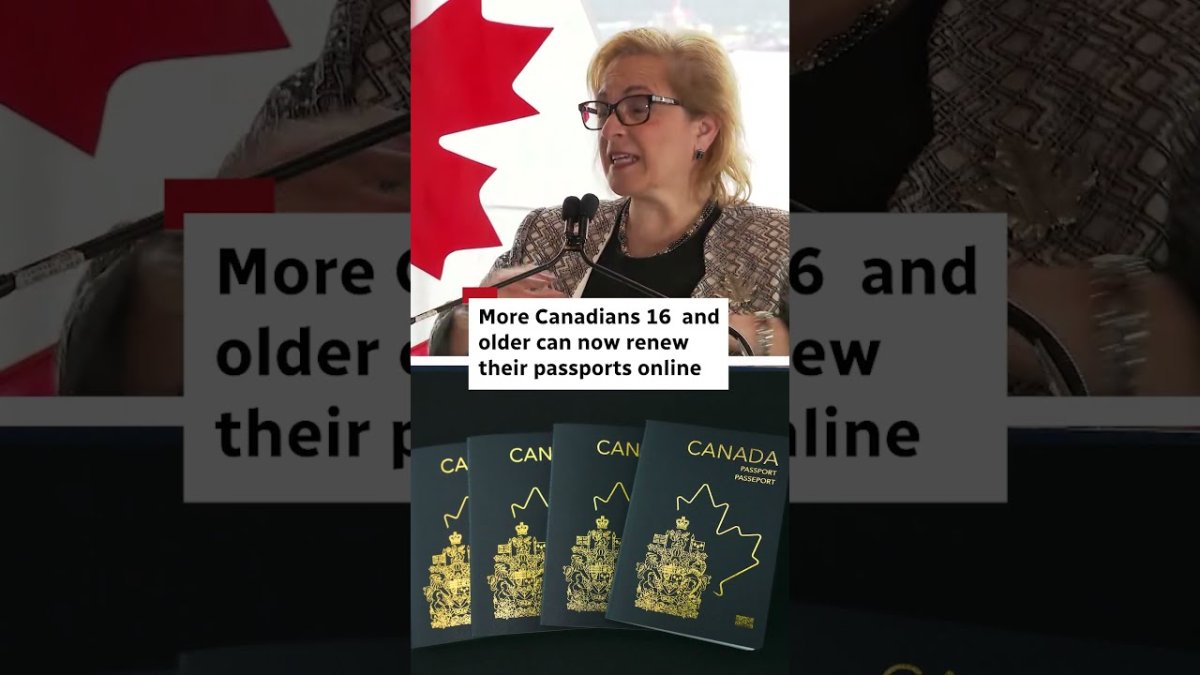
In a recent CBC News report from parliamentary bureau reporter Darren Major, Immigration Minister Lena Metlege Diab announced on Tuesday that the federal government has removed the daily cap on online passport renewals, allowing eligible Canadians to submit applications without waiting for available slots. The change eliminates a key bottleneck that frustrated travellers and created uncertainty for families planning international trips.
In a recent CBC News report from parliamentary bureau reporter Darren Major, Immigration Minister Lena Metlege Diab announced on Tuesday that the federal government has removed the daily cap on online passport renewals, allowing eligible Canadians to submit applications without waiting for available slots. The change eliminates a key bottleneck that frustrated travellers and created uncertainty for families planning international trips.
Canada Removes Cap on Online Passport Renewals, Expanding Access for Millions
Vancouver, BC – July 28, 2026 — The federal government has lifted the daily limit on online passport renewals, a move that Immigration Minister Lena Metlege Diab says will give eligible Canadians the flexibility to renew whenever they choose without competing for limited daily spots. The cap of 2,000 applications per day has been removed entirely, effective immediately.
Core Changes to the Online Renewal System
The federal government previously restricted online passport renewals to a maximum of 2,000 submissions per day. That limit has now been eliminated entirely following the announcement in Vancouver.
Eligible applicants must be aged 16 and older, with passports set to expire within six months or already expired. All applications must originate from within Canada, and users upload a digital passport photo taken by a commercial photographer along with supporting documentation.
Service standards remain at 20 business days for processing, plus mailing time. The government introduced a 30 days or free policy earlier this year for online applications to provide accountability on timelines.
The online passport renewal platform operates through a secure federal portal managed by Immigration, Refugees and Citizenship Canada, incorporating advanced encryption and two-factor authentication to protect applicant data. Administrative processes include automated eligibility checks against existing records, reducing manual reviews and allowing real-time status updates via the integrated tracker launched in 2023. This technical upgrade supports higher volumes without the previous 2,000 daily cap, streamlining operations at processing centres across the country.
Applicants begin by accessing the portal and confirming eligibility criteria such as age 16 or older and passport expiry within six months. The step-by-step workflow requires creating an account, completing the digital form with personal details, uploading a commercial photographer-taken digital photo meeting strict specifications, and submitting supporting documents before final review and payment. Processing follows the 20 business day standard, with the 30 days or free guarantee providing accountability.
Required documents typically include the most recent passport, proof of Canadian citizenship if not already on file, and any name change certificates where applicable. Recent data from federal reports indicate over 1.5 million renewals processed annually, highlighting the system's capacity to handle increased demand while maintaining security protocols at Service Canada centres.
Background of the Digital Passport Initiative
The online application phase began in December 2024 after an online application status tracker launched in 2023. These steps formed part of efforts to modernise federal passport services under the Immigration, Refugees and Citizenship Canada portfolio.
The changes address the 2022-2023 passport backlog crisis, when offices faced overwhelming demand once pandemic travel restrictions lifted. Parliament Hill debates at the time highlighted delays affecting thousands of Canadians planning international travel.
The 2022-2023 passport crisis saw backlogs exceed 500,000 applications as pandemic restrictions lifted, overwhelming in-person and mail services with sudden demand surges. Parliamentary committee hearings revealed processing delays averaging 10 weeks or more, prompting public frustration evident in thousands of complaints to MPs and media outlets from coast to coast. These events accelerated the digital initiative starting with the 2023 status tracker and December 2024 online phase.
Context from the crisis included families missing flights and business travellers facing lost opportunities, with committee testimony from officials noting staffing shortages and outdated systems as key factors. The initiative modernises services under the federal portfolio, addressing these issues through phased digital rollout to prevent recurrence of such widespread disruptions.
Public opinion polls during that period showed 65 per cent of Canadians expressing dissatisfaction with service delivery, underscoring the need for reforms that culminated in the cap removal to restore confidence in passport administration.
Canadians retain the option to apply in person or by mail. Select Service Canada centres continue to offer expedited service for passports required within 10 days.
Ministerial Statements and System Readiness
During the Vancouver news conference, Minister Lena Metlege Diab stated that eligible Canadians will no longer have to wait for an online application spot. They can now begin renewal whenever convenient.
Diab confirmed the system has undergone testing and stands ready for increased demand. She did not rule out future expansion to children under 16 or Canadians applying from abroad.
Passport fees are also increasing as part of the broader adjustments noted in the CBC report, reflecting ongoing operational costs at federal service centres.
Impact on Canadian Travel and Daily Life
Removal of the cap directly affects Canadians who rely on timely passport renewals for work, family visits, and education abroad. The previous daily limit created bottlenecks that disrupted travel plans across provinces from British Columbia to Newfoundland and Labrador.
Improved access supports economic activity tied to international trade and tourism. Bank of Canada analyses have linked smoother cross-border movement to stronger export performance in sectors such as energy and natural resources.
Business travellers in Toronto and Vancouver previously faced weeks of uncertainty due to the cap, often delaying contracts and international meetings essential for sectors like technology and natural resources. Families planning holidays from Alberta to Nova Scotia encountered disrupted summer plans, with some cancelling trips entirely when slots filled rapidly, affecting mental health and leisure economies in tourist destinations.
Students studying abroad, such as those in Europe from Quebec universities, struggled with expired documents preventing returns or visa renewals, while snowbirds in Florida and Arizona dealt with extended waits impacting seasonal migrations and healthcare access tied to travel. These examples illustrate how the cap created uneven burdens across demographics and regions.
Broader effects included reduced cross-border commerce, with Bank of Canada data linking delays to minor dips in export activities, and households experiencing added stress amid cost-of-living challenges, now alleviated by unrestricted online access for timely renewals.
Households benefit from reduced uncertainty around processing times, particularly as cost-of-living pressures remain a federal-provincial concern in budget discussions on Parliament Hill.
Connections to Federal Service Delivery Standards
The policy aligns with broader federal commitments to digital government services. It builds on the 30 days or free guarantee and maintains in-person options at Service Canada centres for those preferring traditional methods.
Jurisdictional clarity remains straightforward because passport issuance falls under exclusive federal authority, avoiding the federal-provincial tensions seen in areas such as pharmacare or housing affordability initiatives.
Public safety considerations also factor in, as reliable passport documentation aids RCMP efforts to monitor cross-border movements linked to organised crime investigations.
Implications for Equity and Future Policy Direction
Expanded online access promotes inclusion for Canadians in rural and remote communities who previously competed for limited daily slots. This supports multicultural values by easing processes for recent immigrants holding Canadian passports.
Minister Diab's openness to extending eligibility to minors and applicants abroad signals potential further reforms. Such steps could address gaps for families and expatriates who currently navigate mail or in-person routes exclusively.
Expanded access particularly benefits rural and remote Canadians in places like Nunavut or northern Saskatchewan, who previously competed equally for limited slots despite limited internet infrastructure, promoting greater equity in federal services. Recent immigrants holding Canadian passports gain smoother processes, aligning with multicultural policies by reducing barriers for diverse communities across urban centres.
Policy experts suggest potential expansion to children under 16 could occur within 18 months, based on system testing data, while Canadians abroad might see options by 2027 through international partnerships. Academics emphasise that such timelines would address gaps for expatriates who currently rely on mail routes exclusively.
Future directions include ongoing volume monitoring via federal reports, with potential fee adjustments supporting sustainability, ensuring the initiative continues to evolve toward inclusive digital governance without compromising security standards.
The announcement reinforces civic responsibility by prioritising efficient public administration after the documented strains of the post-pandemic period. Canadians can expect continued monitoring of processing volumes through federal reporting channels.
By Alex Thompson, Staff WriterThis article was produced with AI-assisted research and editorial support. Reporting is based on sources cited in the article.
What's Your Reaction?
 Like
0
Like
0
 Dislike
0
Dislike
0
 Love
0
Love
0
 Funny
0
Funny
0
 Wow
0
Wow
0
 Sad
0
Sad
0
 Angry
0
Angry
0

Canada Correspondent at Global1.News. Based in Toronto, covering Canadian politics, energy, trade, and US-Canada relations. Provides the Canadian perspective on North American and global affairs.















Comments (0)