
Canada Forced Sterilisation Bill S-228 Set to Become Law
Long-Awaited Bill Criminalizing Forced Sterilisation Set to Become Law in Canada Canada's House of Commons has passed Senate Bill S-228, a measure that makes forced or coerced sterilisation a criminal offence under the Criminal Code. The legislation defines sterilisation without legal consent as aggravated assault, carrying a maximum penalty of 14 years in prison. The bill now
Long-Awaited Bill Criminalizing Forced Sterilisation Set to Become Law in Canada
Canada's House of Commons has passed Senate Bill S-228, a measure that makes forced or coerced sterilisation a criminal offence under the Criminal Code. The legislation defines sterilisation without legal consent as aggravated assault, carrying a maximum penalty of 14 years in prison. The bill now awaits royal assent before it becomes law.
Tags: Senate Bill S-228, coerced sterilisation, Indigenous rights, House of Commons, Sen. Yvonne Boyer, Criminal Code, Survivors Circle for Reproductive Justice, Society of Obstetricians and Gynaecologists of Canada
The Passage of Senate Bill S-228 in the House of Commons
The House of Commons approved the bill after it advanced from the Senate. This step marks a significant point in the federal legislative process for addressing non-consensual sterilisation procedures. The measure was introduced in the Senate last year by Sen. Yvonne Boyer, who brought forward the proposal to amend the Criminal Code.
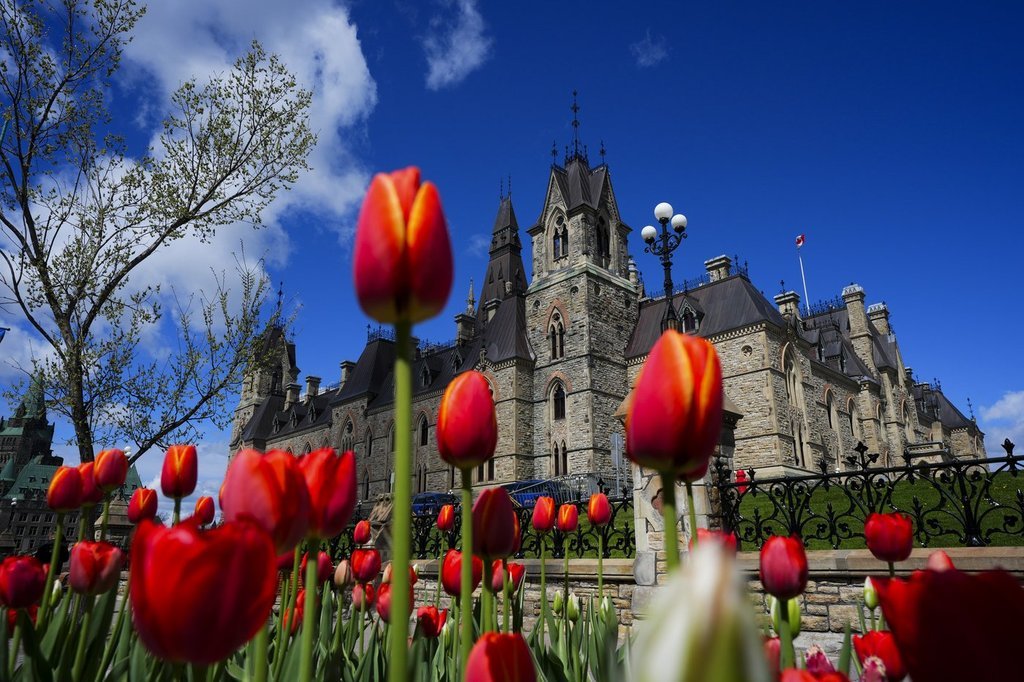
Parliamentary proceedings on the bill followed standard federal procedures on Parliament Hill. The legislation specifies that any sterilisation performed without proper legal consent qualifies as aggravated assault. This classification aligns with existing Criminal Code provisions for serious offences that involve substantial harm or risk to victims.
Historical Estimates of Non-Consensual Procedures
The Survivors Circle for Reproductive Justice has provided an estimate that as many as 15,000 Indigenous people have undergone sterilisation without consent since the 1890s. The organisation notes that some of these procedures occurred as recently as last year. These figures reflect patterns documented over more than a century in Canadian healthcare settings.
Federal discussions around these historical practices connect to ongoing work on Indigenous relations, including commitments under the Truth and Reconciliation framework and the United Nations Declaration on the Rights of Indigenous Peoples. The bill's focus on consent aims to address gaps in legal protections that have persisted through multiple decades.
Advocacy Efforts Since 2015
Survivors and advocates have called for changes to the Criminal Code since 2015. Their work has involved presentations to parliamentary committees and engagement with federal officials on Parliament Hill. These efforts contributed to the development of Senate Bill S-228 as a targeted response to the issue of coerced sterilisation.
The push for legislative reform has emphasised the need for clear criminal penalties. Advocates have highlighted cases involving Indigenous communities across various provinces and territories, underscoring the federal scope of the proposed changes. The timeline from initial advocacy in 2015 to the current House of Commons passage reflects sustained attention to the matter in Ottawa.
Positions from Physician Organisations
Earlier this spring, some physician groups raised concerns about the bill. The Society of Obstetricians and Gynaecologists of Canada warned that the legislation could lead doctors to hesitate in emergency medical situations. The organisation expressed worry about how the new provisions might affect clinical decision-making in urgent cases.
These comments came during the period when the bill was under consideration in Parliament. The Society of Obstetricians and Gynaecologists of Canada focused on potential unintended effects on patient care rather than opposing the overall goal of protecting consent. The bill maintains that voluntary sterilisation remains legal when proper consent is obtained.
Next Steps After House of Commons Approval
With passage in the House of Commons complete, Senate Bill S-228 moves to the stage of royal assent. This formal step is required under Canada's constitutional process before the law can take effect. Federal officials have not announced a specific date for royal assent at this time.
The legislation's provisions on aggravated assault will apply once the bill receives royal assent and any associated coming-into-force mechanisms are addressed. The federal government has not indicated immediate enforcement timelines beyond the standard legislative sequence. Voluntary sterilisation procedures continue to be permitted when patients provide legal consent.
Connections to Federal-Provincial Health Responsibilities
The bill addresses a matter that intersects with both federal criminal law and provincial healthcare delivery. While the Criminal Code amendment originates in Ottawa, implementation of consent standards in hospitals and clinics falls under provincial jurisdiction. This division reflects the structure of Canadian federalism in health policy.
Discussions around the bill have noted the importance of coordination between federal criminal provisions and provincial regulatory bodies. No specific agreements between the federal government and provinces have been detailed in relation to this legislation. The focus remains on establishing the criminal offence at the national level.
By Alex Thompson, Staff Writer
This article was produced with AI-assisted research and editorial support. Reporting is based on sources cited in the article.
What's Your Reaction?
 Like
0
Like
0
 Dislike
0
Dislike
0
 Love
0
Love
0
 Funny
0
Funny
0
 Wow
0
Wow
0
 Sad
0
Sad
0
 Angry
0
Angry
0

Canada Correspondent at Global1.News. Based in Toronto, covering Canadian politics, energy, trade, and US-Canada relations. Provides the Canadian perspective on North American and global affairs.













Comments (0)