
Sheinbaum Accepts Trump Invitation to 2026 World Cup Final
In a striking display of sports diplomacy, Mexican President Claudia Sheinbaum has accepted a personal invitation from U.S. President Donald Trump to attend the 2026 World Cup final, offering a rare opportunity to ease months of bilateral friction.
Mexico City, Mexico — Article continues...
Sheinbaum Accepts Personal Invitation to Attend the Final
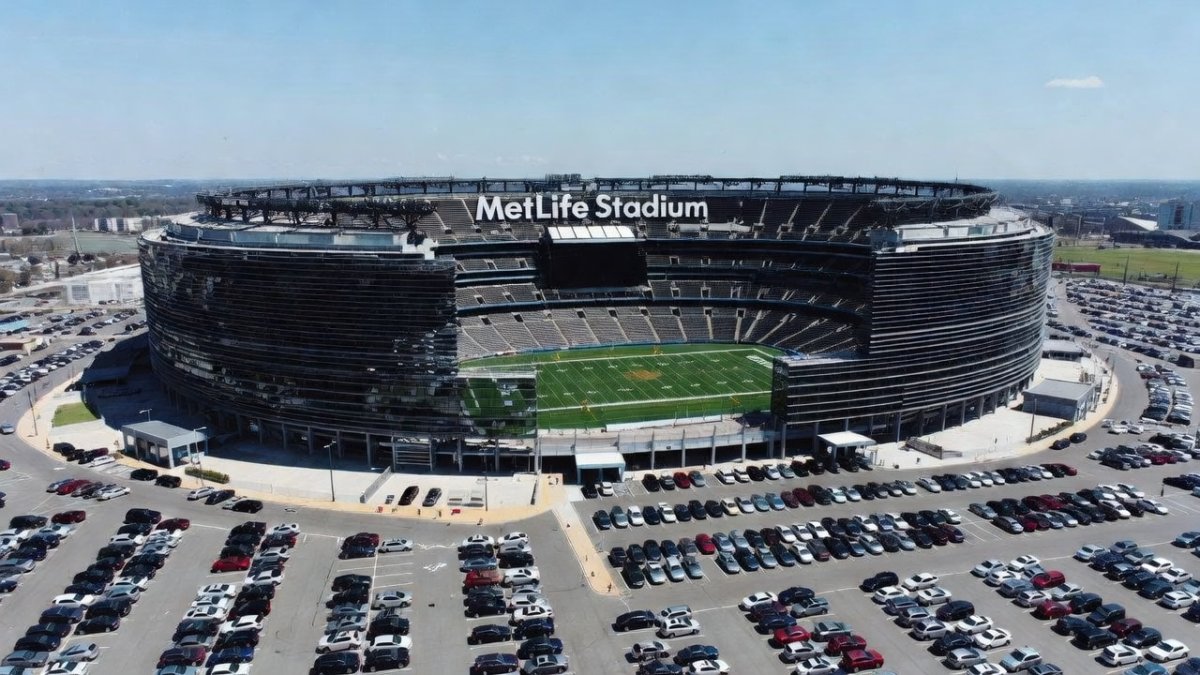
President Claudia Sheinbaum has accepted a personal invitation from President Donald Trump to attend the 2026 World Cup final on July 19 at MetLife Stadium in East Rutherford, New Jersey. The decision places her alongside Canadian Prime Minister Mark Carney for the Spain versus Argentina match, the first World Cup game she will watch in person during the tournament jointly hosted by the United States, Mexico, and Canada.
Officials at the Presidencia confirmed the acceptance after weeks of quiet coordination through diplomatic channels. Sheinbaum had skipped the opening match in Mexico City, choosing instead to focus on domestic priorities at Palacio Nacional. This invitation marks a deliberate step toward renewed contact between the two leaders.
Community leaders across Mexican states view the acceptance as a practical move. Families who rely on cross-border trade and remittances see any high-level engagement as a chance to ease daily pressures caused by recent policy shifts.
First In-Person Meeting Since the December 2025 Draw
The July 19 final will serve as the first face-to-face encounter between Sheinbaum and Trump since the World Cup draw ceremony held in Washington, D.C., in December 2025. That earlier gathering occurred under more formal circumstances before several bilateral disputes intensified.
Both leaders will share the stands with FIFA President Gianni Infantino and Spain’s King Felipe VI. The presence of these figures underscores the global nature of the event while highlighting the North American partnership that made the 2026 tournament possible.
Observers in Mexico City note that such sports diplomacy often opens doors that formal summits cannot. Residents in border communities, many of whom maintain family ties on both sides of the frontier, hope the meeting can reduce uncertainty that has affected travel and commerce.
Sheinbaum’s team has emphasized that the invitation came directly from Trump, framing the gesture as an opportunity to discuss shared concerns without preconditions.
The December 2025 draw at the Kennedy Center brought the three North American leaders together for a formal ceremony marked by orchestral performances and brief bilateral exchanges before the public disagreements over tariffs and migration took hold. Between that evening and the July final, the relationship weathered the March tariff announcements, the April ICE custody cases that prompted SRE protests, and June accusations linking Mexican authorities to organized crime, each episode widening the gap that now makes the stadium meeting feel especially significant.
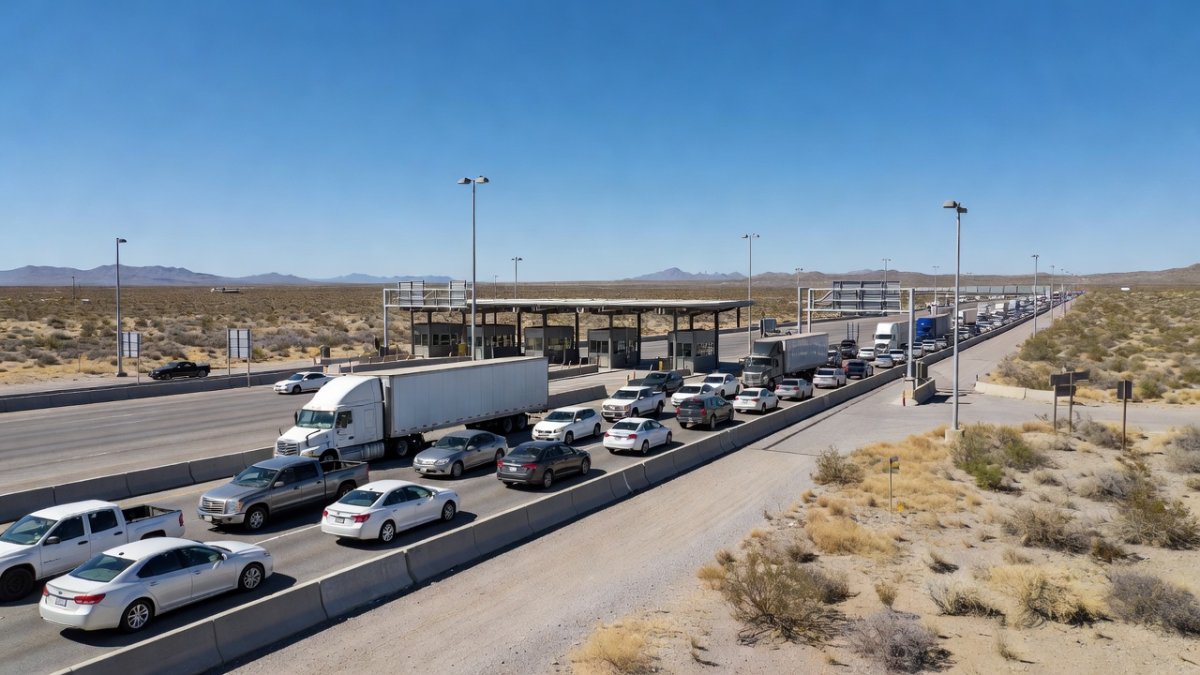
Governors in border states such as Chihuahua and Tamaulipas have welcomed the encounter as an opening to address local concerns ranging from commercial trucking delays to water allocations under long-standing treaties, viewing any reduction in uncertainty as relief for the families and businesses they represent. Throughout the spring the Secretaría de Relaciones Exteriores prepared detailed briefing books and arranged discreet calls between technical teams, ensuring Sheinbaum would arrive with clear proposals rather than vague goodwill.
Background of Tariffs, ICE Incidents, and Rhetoric
Months of friction preceded the invitation. Trump imposed tariffs on Mexican goods, prompting sharp responses from the Sheinbaum administration. At the same time, Sheinbaum publicly criticized U.S. Immigration and Customs Enforcement after Mexican nationals, including a child, died in custody.
Trump also leveled accusations linking Mexican authorities to cartel activities. Sheinbaum countered by blaming “far-right sectors” in the United States for undermining her government’s efforts. These exchanges created a tense atmosphere ahead of the final.
Despite the heated words, trade between the two countries remains vital to Mexican households. Workers in manufacturing centers from Monterrey to Tijuana continue to depend on stable access to U.S. markets, making any sign of dialogue welcome news in those regions.
Analysts at the Secretaría de Relaciones Exteriores stress that sustained engagement is necessary to protect the economic gains achieved under previous frameworks inherited from the AMLO years.
The friction intensified after the December 2025 draw when the Trump administration announced 25 percent tariffs on Mexican automobiles and steel, followed weeks later by duties on agricultural shipments that hit avocado and berry exporters in Michoacán and Jalisco particularly hard. Those measures cut into the steady flow of goods that sustain assembly plants from Monterrey to Tijuana, leaving thousands of families uncertain about overtime shifts and school payments.
In March an eight-year-old girl from Oaxaca died while in ICE custody in Texas after her mother reported inadequate medical attention; the Secretaría de Relaciones Exteriores immediately delivered a formal diplomatic note to the U.S. embassy in Mexico City demanding a full investigation and consular access, echoing earlier protests lodged after two other migrant deaths earlier that winter. By May the rhetoric had grown sharper, with President Trump publicly linking Mexican officials to cartel financing and Sheinbaum responding that “far-right voices” in Washington were sabotaging bilateral cooperation.
Spain Defeats Argentina 1-0 in Extra Time at MetLife
On the field, Spain defeated Argentina 1-0 in extra time after Ferran Torres scored the decisive goal. Trump presented the trophy to the Spanish team, drawing boos from sections of the crowd at MetLife Stadium. The result capped a tournament that showcased the organizational strength of the three host nations.
Sheinbaum and Carney watched the match together, an image that contrasted with the earlier public disagreements. The joint attendance reinforced the collaborative spirit that defined the 2026 World Cup from its planning stages.
Mexican fans who traveled to New Jersey described the atmosphere as electric yet respectful. Many expressed pride that their country helped stage an event capable of bringing rival nations together, even temporarily.
The match itself offered a brief respite from political headlines, allowing supporters on both sides of the border to celebrate the sport they love.
Prospects for Improved US-Mexico Relations
Diplomats on both sides describe the final as a potential reset point. Ongoing issues such as border security, migration management, and economic cooperation require steady communication between the Presidencia and the White House.
Sheinbaum has signaled willingness to address cartel-related concerns through strengthened cooperation with Mexican agencies including the Fiscalía General de la República. At the same time, she continues to defend Mexican sovereignty in public statements.
Business groups in Mexico hope the meeting leads to clearer signals on tariff policy. Stable trade rules directly affect jobs in agriculture, automotive, and technology sectors that employ hundreds of thousands of Mexican workers.
Community organizations in states like Michoacán and Guerrero emphasize that practical outcomes matter more than symbolic handshakes. They want concrete steps that improve safety for migrants and protect family incomes.
Sheinbaum is expected to place renewed USMCA review talks at the center of any conversation with Trump, stressing that the 2026 built-in review mechanism offers a chance to lock in tariff relief and modernize labor and digital-trade provisions before uncertainty spreads further. She will also press for a joint migration task force that expands legal pathways while improving coordination on asylum processing, alongside practical border-security measures such as shared technology at ports of entry rather than unilateral enforcement surges.
Mexican business chambers have been vocal in the weeks leading up to the final: Concamin leaders warned that prolonged tariffs threaten 400,000 manufacturing jobs, while Coparmex called for “clear, predictable rules” that protect the nearshoring momentum Mexico has worked hard to attract. Inside the Mexican Congress, Morena legislators have signaled support for renewed dialogue provided it does not compromise national dignity, with party leaders in both chambers emphasizing that any agreement must include concrete protections for migrant communities and agricultural exporters.
North American Unity Reflected in a Shared Tournament
The 2026 World Cup stands as a concrete example of trilateral cooperation among the United States, Mexico, and Canada. Sheinbaum’s presence at the final alongside Trump and Carney highlights the shared responsibility for the event’s success.
Residents in host cities across Mexico recall the excitement of earlier matches and the economic boost they brought to local vendors and hotels. That same spirit of hospitality now extends to the diplomatic level.
Young people in Mexican schools have followed the tournament closely, learning about the history of the three nations working together. The final offers a living lesson in how sports can bridge political divides.
Sheinbaum’s decision to attend reflects a broader commitment to keeping lines of communication open, even when disagreements persist. Mexican families watching from living rooms in Guadalajara or Chicago see this moment as one small step toward steadier relations.
Mexico’s participation in the tournament builds directly on the vision former president Andrés Manuel López Obrador laid out for deeper North American integration through energy projects and supply-chain resilience, a framework President Sheinbaum has carried forward by prioritizing nearshoring corridors that link Mexican factories to U.S. and Canadian markets. The country invested more than 2.3 billion dollars in stadium renovations, highway expansions, and public-transport upgrades in Guadalajara, Monterrey, and Mexico City, generating construction jobs and leaving lasting infrastructure that local vendors still benefit from during ordinary weekends.
A trilateral commission comprising transport and tourism officials from all three nations coordinated everything from fan safety protocols to broadcast logistics, demonstrating that practical cooperation can survive political headwinds. That same spirit now points toward future joint work on climate resilience along the Gulf Coast and coordinated responses to supply-chain disruptions, areas where the three governments already share data through existing working groups.
Tags: Sheinbaum Trump World Cup, Mexico US diplomacy, 2026 World Cup final, Claudia Sheinbaum MetLife Stadium, North American relations
By Rosa Martinez, Staff Writer
This article was produced with AI-assisted research and editorial support. Reporting is based on sources cited in the article.
What's Your Reaction?
 Like
0
Like
0
 Dislike
0
Dislike
0
 Love
0
Love
0
 Funny
0
Funny
0
 Wow
0
Wow
0
 Sad
0
Sad
0
 Angry
0
Angry
0
Latin America/Andes Correspondent at Global1.News. Based in Bogota, covering politics, environment, energy, and social movements across the Andean region. Passionate about environmental journalism and communities protecting their land.











Comments (0)