
Venezuela Twin Earthquakes Kill 5,119 in La Guaira June 2026
Keywords: Venezuela earthquakes, La Guaira disaster, Jorge Rodriguez, National Assembly, IMF Venezuela aid, Caracas earthquake, twin quakes 2026, Venezuelan recovery, displaced families La Guaira, rescue operations Venezuela In the heart of northern Venezuela, twin earthquakes of 7.2 and 7.5 magnitude struck La Guaira on June 24 2026, claiming 5,119 lives and leaving 250,000 families without homes in a disaster that shook the entire nation. Rescue crews from across Latin A...
La Guaira Quakes Claim 5,119 Lives Amid Regional Aid
Caracas, Venezuela — On a quiet June morning that turned to chaos, the ground beneath La Guaira and Caracas split open with twin quakes that forever changed thousands of Venezuelan families.
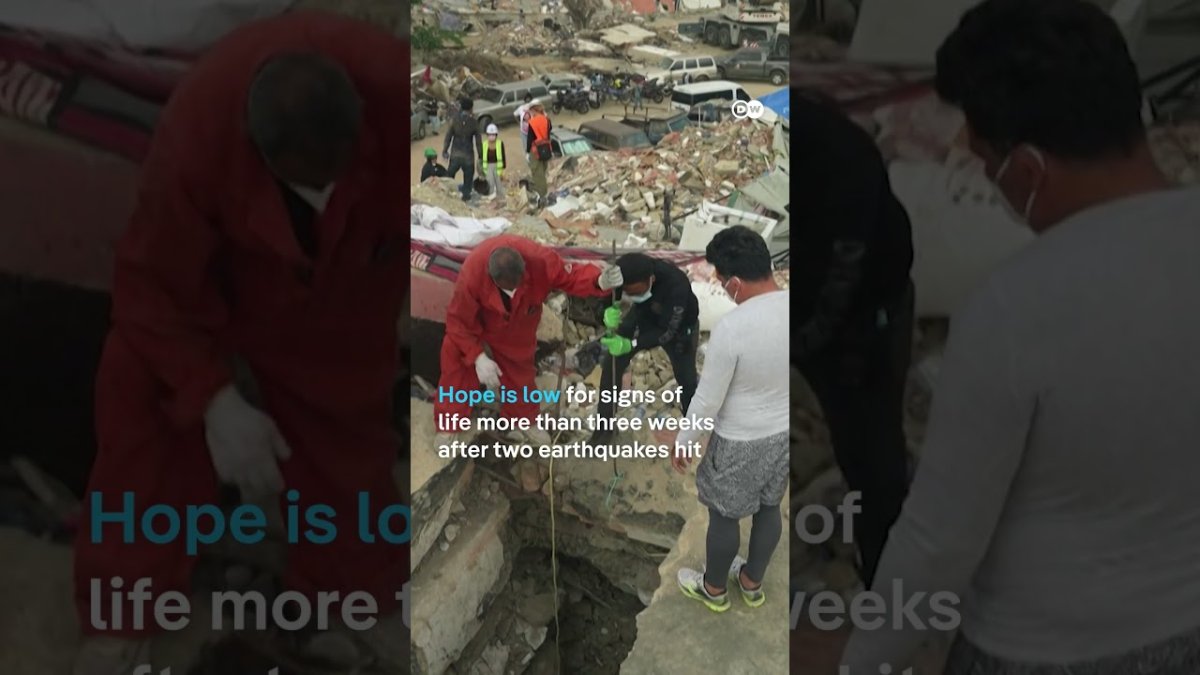
Rescue Video Captures Hope After La Guaira Twin Quakes
In a recent DW News report, rescuers pulled a kitten alive from rubble in La Guaira state after the June 24 2026 twin earthquakes, offering one small sign of survival amid widespread destruction across northern Venezuela.
The 7.2 and 7.5 magnitude quakes struck with an epicenter near La Guaira, sending tremors through Caracas and coastal communities where families lost homes within minutes.
International Rescue Efforts and Human Stories
In the wake of the devastating quake that struck Venezuela, Mexican rescue teams from Topos and Protección Civil quickly answered the call, joining forces with international crews to search through rubble in La Guaira. These brave volunteers brought with them not just equipment but a deep sense of solidarity rooted in our shared Latin American spirit. Their arrival reminded everyone that when one community suffers, hermanos and hermanas from across the region step forward with open hearts and steady hands.
Among the most moving tales was the rescue of a newborn baby girl pulled from the debris of a collapsed apartment building after nearly 12 hours. Rescue workers heard her faint cries and worked tirelessly to free her and her mother. Equally inspiring was the story of a man trapped for seven long days under fallen concrete; he survived by rationing a small bottle of water and calling out to responders until Topos teams reached him. These moments of hope lifted spirits across the affected zones.
International teams from Costa Rica, Mexico, and Colombia joined Venezuelan responders in ongoing operations that have lasted nearly four weeks across La Guaira state. Workers recovered a newborn baby after 32 hours under debris in one coastal neighborhood and later freed a man who survived seven days beneath 140 tons of collapsed concrete near Caracas. These operations highlight the determination of rescue crews even as aftershocks continue to threaten remaining buildings in affected communities.
The psychological toll on rescue workers from Mexico, Colombia, and beyond has been heavy, with many experiencing sleepless nights and quiet grief after long shifts. This echoes the lessons from Mexico’s own 1985 and 2017 earthquakes, where communities learned the value of mental health support alongside physical aid. Today, those hard-won insights help teams care for one another while they continue their vital work.
Official Death Toll Reaches 5,119 by July 19
National Assembly President Jorge Rodriguez announced on July 19 2026 that the death toll from the La Guaira earthquakes had risen to 5,119, marking Venezuela's worst natural disaster in a century.
Another 16,740 people remain injured, a figure unchanged since July 5, while hospitals in La Guaira and Caracas continue treating trauma cases from the initial shocks.
More than 5,000 aftershocks have followed since June 24, including events measuring between 4.7 and 6.0 that further damaged already weakened structures in Maracaibo and surrounding areas.
IMF Releases 346 Million Dollars for Immediate Recovery
The International Monetary Fund approved 346 million dollars in emergency financial support to assist Venezuela's recovery from the La Guaira earthquakes that destroyed or damaged tens of thousands of homes.
This funding arrives during a political transition following the earlier capture of Nicolas Maduro by United States authorities in 2026, with the National Assembly now coordinating distribution through humanitarian organizations.
Economists note the aid targets urgent needs such as temporary shelter and infrastructure repair that directly affect daily life for families across the region.
Recovery Challenges and the Road Ahead
Housing reconstruction faces a long timeline, with engineers working to rebuild safely while families wait in temporary housing. Challenges include damaged roads and limited materials, yet local workers push forward with determination and creativity. Every new home rising brings renewed hope to weary communities.
The IMF’s $346 million in aid is being distributed carefully through trusted channels to reach those most in need, focusing first on water systems and medical supplies. At the same time, Venezuela’s political transition adds layers of complexity, requiring patient cooperation among all parties to keep recovery moving smoothly.
Long-term plans include stronger seismic monitoring and early warning systems for the whole region, drawing from Mexico’s successful models. The economic strain on Venezuela’s already struggling economy is real, yet the spirit of solidarity from across Latin America offers a steady light. Together, these efforts point toward a future where communities stand resilient once more.
250,000 People Displaced Face Water and Power Shortages
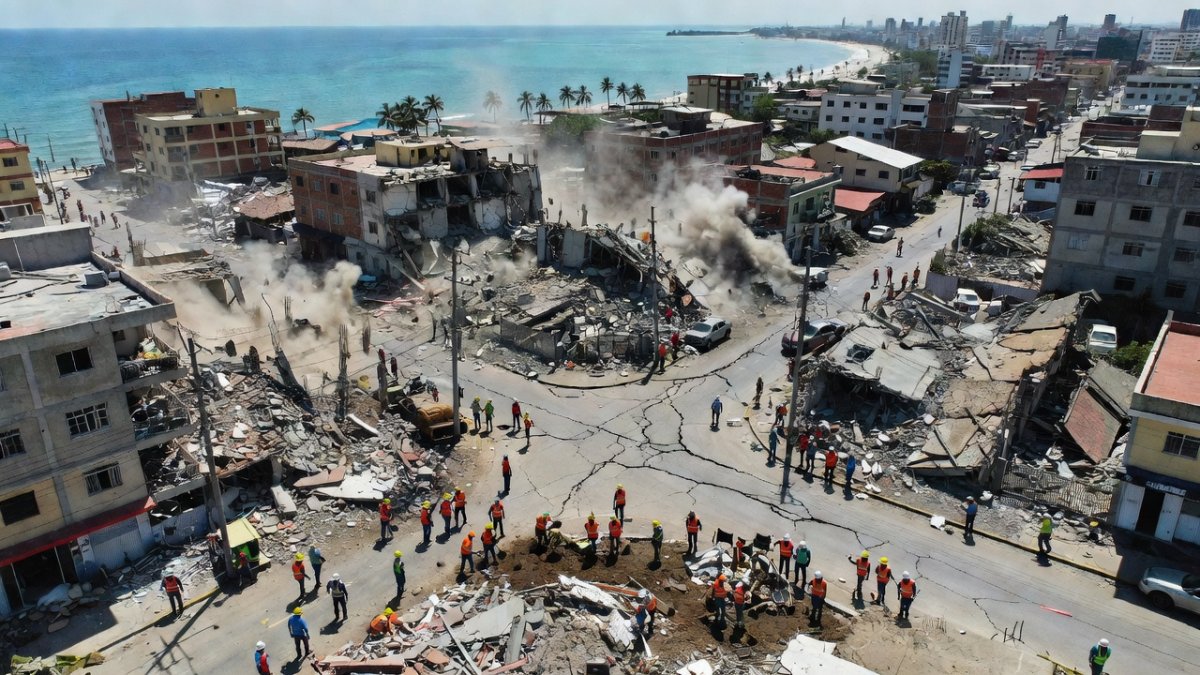
More than 250,000 residents of La Guaira and nearby Caracas neighborhoods remain displaced after the June 24 earthquakes left their homes uninhabitable.
Many communities still lack reliable access to clean water, electricity, and medical care four weeks later, forcing elderly residents and children into crowded shelters operated by local organizations.
The housing crisis compounds existing pressures on Venezuela's social systems as families from coastal towns seek assistance in the capital.
Impact on Venezuelan Communities and Daily Life
Daily life for displaced families in La Guaira now revolves around makeshift shelters and the kindness of neighbors. Parents wake early to line up for basic supplies, while children play quietly in open spaces, their laughter a small comfort amid uncertainty. The warmth of community gatherings helps ease the ache of lost homes and belongings.
Neighborhoods like Caraballeda and Maiquetía have been hit hardest, with entire colonias reduced to piles of concrete. Families there share stories of sleeping under the stars, cooking communal meals over small fires, and watching over each other’s little ones. These tight-knit areas, once full of vibrant markets and music, now focus on survival and mutual support.
Children’s schooling has been interrupted, with classrooms turned into temporary clinics, and healthcare access remains a daily challenge as clinics struggle with limited medicine. Food and water shortages hit especially hard in these communities, yet local kitchens run by volunteers keep serving hot meals. Families find strength in togetherness, holding onto hope for brighter days ahead.
Political Transition Shapes Earthquake Response Efforts
Jorge Rodriguez and the National Assembly now lead coordination of recovery operations while the country undergoes political change after Nicolas Maduro's removal earlier in 2026.
This shift influences how international teams from Colombia and Mexico integrate with Venezuelan institutions during the ongoing search and relief work in La Guaira.
Regional analysts observe that stable governance remains essential for channeling IMF funds into long-term rebuilding that protects vulnerable populations from future seismic events.
Regional Latin American Response and Solidarity
Mexico and other Latin American nations mobilized aid swiftly, sending supplies, medical teams, and search dogs to Venezuela in a beautiful display of regional brotherhood. This response builds on Mexico’s long tradition of helping neighbors in need, just as Chile and Colombia once supported us during our own difficult times.
The reciprocal spirit shines through memories of 1985 and 2017, when aid flowed both ways across borders. Now, CELAC and OAS mechanisms have activated coordinated efforts, allowing countries to share resources efficiently and respectfully. These frameworks remind us that unity across the Americas strengthens everyone involved.
Latin American diaspora communities in the United States, Spain, and beyond have organized fundraisers and supply drives from afar, sending everything from blankets to school materials. Their heartfelt contributions keep families connected to their roots and show that distance cannot dim the warmth of our shared heritage.
Human Cost Extends Across Venezuelan Families
Children separated from parents during the La Guaira quakes and elderly residents left without shelter represent the lasting human impact felt from Caracas to coastal villages.
Rescue workers continue daily operations knowing that each additional day without power or medical supplies increases risks for displaced families still living in temporary camps.
The combination of natural disaster and political transition creates immediate challenges for communities that must rebuild while national institutions adapt to new leadership.
What to Watch For
As recovery moves forward, attention will turn to how quickly the IMF funds reach the most vulnerable neighborhoods and whether new seismic monitoring systems can be installed before another tremor strikes. Families across La Guaira and Caracas will watch closely for steady progress on housing and schools, knowing that true healing comes when children return to classrooms and neighbors gather again in rebuilt plazas. The road ahead holds both challenges and quiet victories, yet the enduring warmth of Latin American solidarity gives every community reason to believe brighter days will come.
By Rosa Martinez, Staff Writer
This article was produced with AI-assisted research and editorial support. Reporting is based on sources cited in the article.
What's Your Reaction?
 Like
0
Like
0
 Dislike
0
Dislike
0
 Love
0
Love
0
 Funny
0
Funny
0
 Wow
0
Wow
0
 Sad
0
Sad
0
 Angry
0
Angry
0
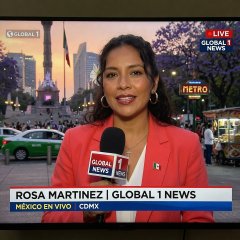
Latin America/Andes Correspondent at Global1.News. Based in Bogota, covering politics, environment, energy, and social movements across the Andean region. Passionate about environmental journalism and communities protecting their land.










Comments (0)