
Canada's Recession Debate: Technical Dip or Economic Transformation?
In a recent CBC News report on The Current, three leading economic analysts examined whether Canada has entered a recession following Statistics Canada data releases this spring. The discussion highlighted conflicting signals from gross domestic product figures, employment numbers, and trade balances that directly affect households from Parliament Hill to provincial capitals. C
In a recent CBC News report on The Current, three leading economic analysts examined whether Canada has entered a recession following Statistics Canada data releases this spring. The discussion highlighted conflicting signals from gross domestic product figures, employment numbers, and trade balances that directly affect households from Parliament Hill to provincial capitals.
Canada's Recession Debate: Technical Dip or Economic Transformation?
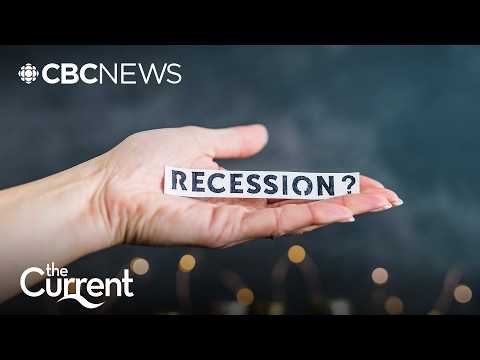
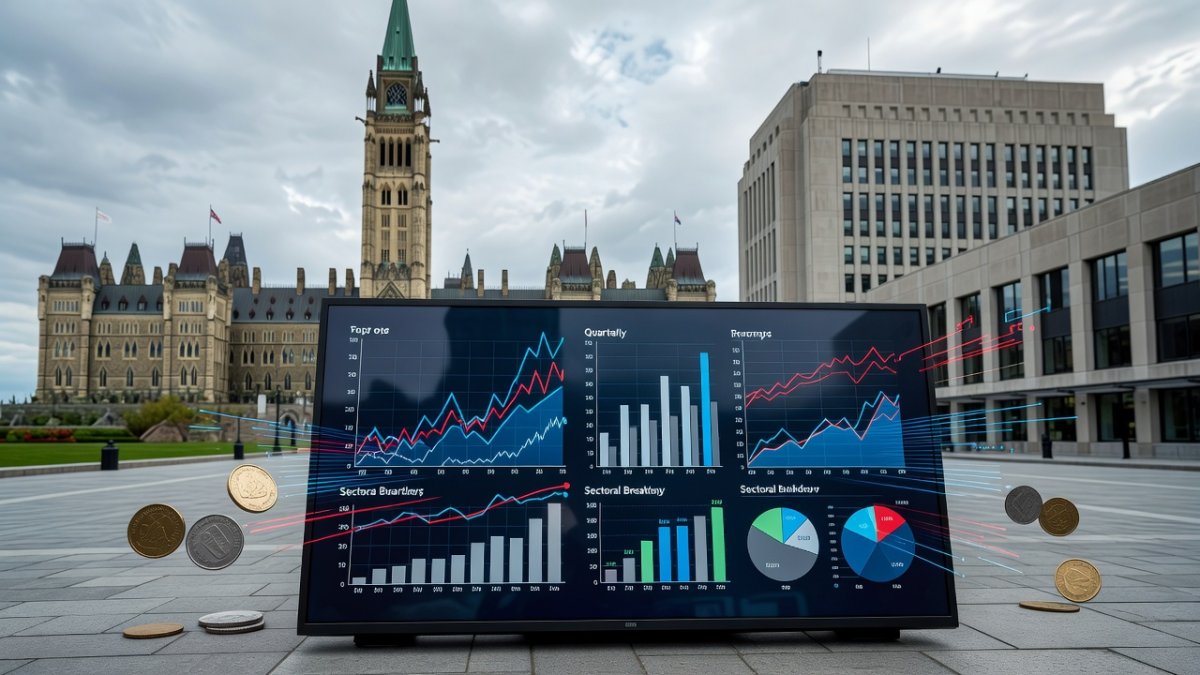
Ottawa, Ontario – June 8, 2026 — Statistics Canada reported on May 29 that Canada's first-quarter 2026 gross domestic product fell 0.1 per cent on an annualized basis. This marked the second consecutive quarter of decline after the fourth quarter of 2025 posted a revised 1.0 per cent annualized contraction. The figures meet the common definition of a technical recession used by many economists.
Statistics Canada Data Shows Two Quarters of Contraction
Labour productivity also fell 0.5 per cent in the first quarter, marking the second straight quarterly drop and raising concerns about long-term competitiveness in sectors such as the oil sands and manufacturing. The Bank of Canada had forecast 1.5 per cent annualized growth for the quarter, a projection that proved significantly off target. Analysts polled by Reuters had also predicted growth of approximately 1.5 per cent, making the 0.1 per cent contraction a surprise miss of 1.6 percentage points.
The Q4 2025 figure was revised downward from an initial estimate of 0.6 per cent to 1.0 per cent, compounding the economic picture. Two consecutive quarters of negative annualized growth is what economists commonly refer to as a technical recession, though Canada does not officially define or date recessions this way.
May Employment Figures Exceed Expectations
Statistics Canada reported on June 5 that the economy added 88,000 jobs in May, far surpassing economist forecasts. The unemployment rate declined to 6.6 per cent, providing concrete evidence of labour market strength despite the GDP contraction. The May data marked the first job growth of 2026 and helped wipe out nearly 80 per cent of all job losses posted since the start of the year.
BMO macro strategist Benjamin Reitzes stated that the May jobs numbers "should silence the recession crowd," noting that the broader economic data backdrop does not look recessionary. Chartered Professional Accountants of Canada's chief economist David-Alexandre Brassard echoed this view, saying the latest jobs numbers effectively end the recession debate. These gains occurred amid ongoing federal-provincial discussions on workforce training programs that support sectors from Alberta energy projects to Ontario auto manufacturing.
Trade Surplus Emerges Amid U.S. Tariff Pressures
Canada recorded its first trade surplus in six months in March 2026, reaching $1.8 billion and driven by gold and crude oil exports. The surplus arrived during heightened global uncertainty tied to the Iran conflict and the U.S. trade war under President Trump, which boosted crude oil prices and lifted the value of Canadian exports. Gold prices remained elevated despite some cooling, with global demand for the precious metal further boosting export figures.
Canada-U.S. trade talks continue to influence exporter planning, with potential progress noted in recent federal briefings. This development carries direct implications for supply chains in British Columbia ports and Quebec aerospace facilities that rely on stable cross-border flows. The merchandise trade balance swung from a deficit of $5.1 billion in February to a surplus of $1.8 billion in March.
Leading Economists Assess Conflicting Indicators
Charles St-Arnaud, Chief Economist at Servus Credit Union, joined the CBC News discussion to evaluate whether the GDP decline signals broader weakness in the Canadian economy. Angelo Melino, Professor of Economics at the University of Toronto and Research Fellow at the C.D. Howe Institute's Business Cycle Council, provided historical context on business cycle dating and noted that a recession determination depends on how long the decline lasts and how widespread it is. Armine Yalnizyan, Atkinson Fellow on the Future of Workers, focused on employment quality and wage trends affecting middle-income families across the country.
The analysts noted that productivity declines and GDP contractions could pressure federal pharmacare negotiations and provincial health authority budgets if revenues soften. Their exchange underscored how these indicators influence Bank of Canada interest rate decisions that affect mortgage renewals across the country, particularly in high-cost markets like Toronto and Vancouver.
Prime Minister Carney Frames Contraction as Transformation Period
Prime Minister Mark Carney stated last week that Canada's economy is being "fundamentally transformed" by his government's response to the U.S. trade war. He described the technical recession as partly a "settling-in period" for new industrial policies coordinated through the Privy Council Office. The Prime Minister said economic data will be "uneven" as the government works on a broader transformation of the economy.
Carney's comments emphasized diversification efforts that include expanded trade with European and Asian partners, moving beyond the traditional reliance on U.S. markets. These remarks arrive as cabinet ministers prepare for upcoming federal-provincial meetings on energy infrastructure and immigration targets under the Express Entry system. The government's strategy includes building up non-U.S. trade relationships and getting major infrastructure projects built.
C.D. Howe Institute Withholds Recession Call
The C.D. Howe Institute's Business Cycle Council stated that aggregate data do not yet meet its official recession definition. The council, which serves as Canada's independent arbiter of business cycle dates, indicated it will monitor developments closely and could designate a recession if gross domestic product contracts again in the third quarter of 2026.
This measured stance from the independent arbiter carries weight for policy makers in Ottawa and provincial legislatures weighing fiscal responses. The council's ongoing review directly informs discussions around carbon pricing adjustments and clean energy investments that affect resource communities across the country. On aggregate, the council judges that the Canadian economy does not presently meet the definition of a recession according to the latest available data.
What Happens Next
The combination of GDP contraction and strong job creation creates mixed signals for the Bank of Canada as it considers interest rate paths that influence housing affordability in major centres. Labour productivity declines add pressure on employers seeking to maintain competitiveness without raising prices that would further strain cost-of-living challenges already affecting Canadian households.
Indigenous economic development organizations continue to track these indicators because land claim settlements and resource revenue sharing agreements depend on stable growth in natural resource sectors. The current data environment also affects temporary foreign worker programs that support agriculture and hospitality across rural Canada.
Overall, the debate centres on whether the technical recession represents a temporary adjustment or a deeper shift requiring coordinated federal action on trade, productivity and workforce development. Canadians will see the effects in upcoming quarterly reports and policy announcements from Parliament Hill in the months ahead.
By Alex Thompson, Staff Writer
This article was produced with AI-assisted research and editorial support. Reporting is based on sources cited in the article.
What's Your Reaction?
 Like
0
Like
0
 Dislike
0
Dislike
0
 Love
0
Love
0
 Funny
0
Funny
0
 Wow
0
Wow
0
 Sad
0
Sad
0
 Angry
0
Angry
0

Canada Correspondent at Global1.News. Based in Toronto, covering Canadian politics, energy, trade, and US-Canada relations. Provides the Canadian perspective on North American and global affairs.















Comments (0)