
After Tacloban School Tragedy, Romulo Backs Juvenile Justice Review But Calls for Whole-of-Community Safety Approach
ANC 24/7's video report this week titled "School safety in PH after Tacloban tragedy: Bridging the gap between policy and protection" examined the deadly shooting at San Jose High School in Tacloban City, Leyte, where three people lost their lives in an attack carried out by minor suspects now undergoing intervention programs. The report highlighted how a place meant for learni
ANC 24/7's video report this week titled "School safety in PH after Tacloban tragedy: Bridging the gap between policy and protection" examined the deadly shooting at San Jose High School in Tacloban City, Leyte, where three people lost their lives in an attack carried out by minor suspects now undergoing intervention programs. The report highlighted how a place meant for learning became the scene of a national tragedy that has forced Filipinos to confront whether DepEd's "safe spaces" policy actually translates into real protection for children. In the days since, the gap between written policy commitments and ground-level reality in public schools has become impossible to ignore. Community leaders across Leyte have begun organizing meetings to discuss immediate steps that could prevent similar incidents from occurring again in the region.
After Tacloban School Tragedy, Romulo Backs Juvenile Justice Review But Calls for Whole-of-Community Safety Approach
Manila, Philippines – In recent days —
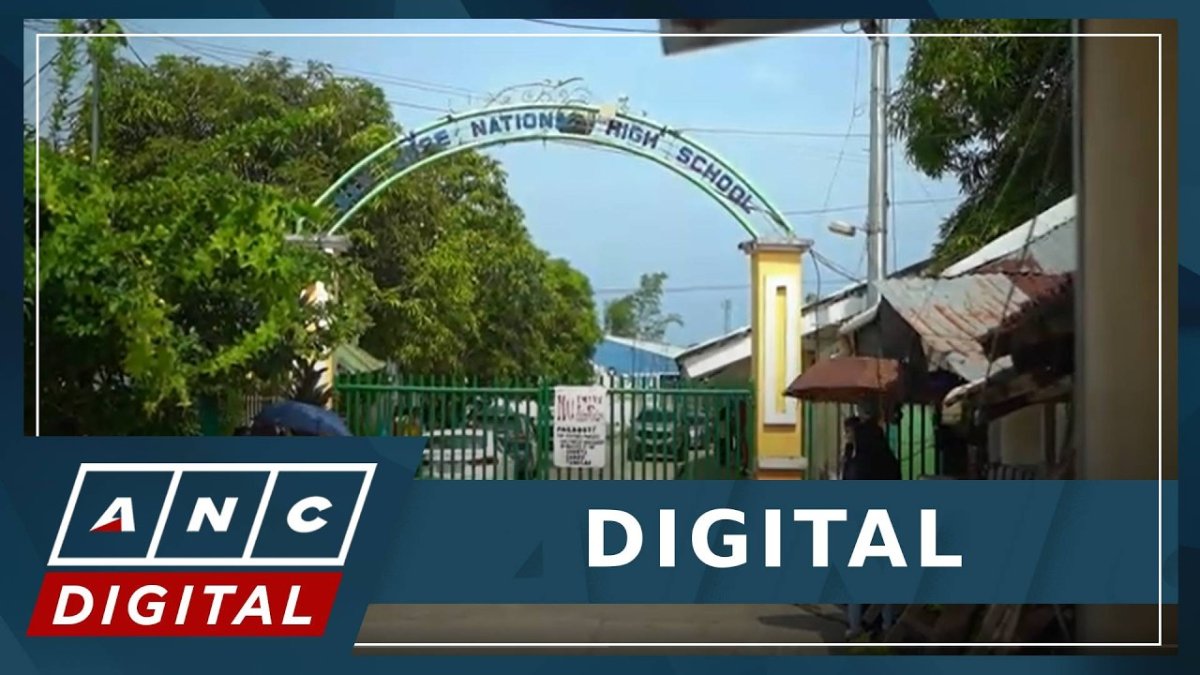
The Attack at San Jose High School in Tacloban City
The incident unfolded during regular school hours when armed minors entered the campus grounds of San Jose High School and opened fire on students and staff members present in the area. Local police responded quickly to the scene but arrived after the attackers had already fled into nearby barangay streets where residents later provided tips that led to the suspects being located. Three individuals died as a result of the shooting including two students and one teacher who tried to shield others from harm during the chaos. The community in Tacloban City has since held bayanihan gatherings to support grieving families and raise funds for funeral expenses that many households could not cover alone. School officials closed the campus for several days while investigators collected evidence and interviewed witnesses who described the sudden terror that overtook what should have been a normal learning environment. Parents in Leyte have expressed ongoing fear that their children may face similar dangers when classes eventually resume at the affected institution.
Authorities confirmed that the suspects were all under the age of eighteen and therefore subject to the existing juvenile justice framework rather than adult criminal proceedings at this stage. Community members gathered outside the school gates in the hours after the event to demand answers about how such weapons entered the premises undetected despite security protocols already in place. Teachers who survived the attack described hiding students in classrooms and using furniture as makeshift barriers while waiting for help to arrive from outside. The tragedy has prompted local barangay officials to review their own emergency response plans and coordinate more closely with school administrators in Tacloban City. Families affected by the loss continue to receive counseling services arranged through provincial government offices in Leyte. The entire region remains in mourning as residents process the reality that a place of education turned into a site of violence without warning.
Investigators have focused on tracing the source of the firearms used in the attack and determining whether the minors acted alone or under external influence from older individuals in the community. School records indicate that the victims were well known among peers for their active participation in academic and extracurricular activities prior to the incident. Local media outlets in Tacloban City reported that the shooting lasted only a few minutes yet left lasting scars on everyone connected to San Jose High School. Volunteers from surrounding barangays assisted in cleaning the campus and preparing it for a possible reopening once authorities gave clearance. The event has also led to temporary increases in police patrols near other public schools throughout Leyte as a precautionary measure. Community leaders continue to emphasize the need for healing while acknowledging that full recovery will take considerable time and collective effort.
Survivors have shared accounts of the rapid escalation that turned an ordinary school day into a life altering event for hundreds of families in the area. The provincial government of Leyte has allocated resources for mental health support targeting students who witnessed the violence firsthand at San Jose High School. Residents note that the close knit nature of Tacloban City has both helped and hindered the healing process as news travels quickly through informal networks. Officials have urged the public to avoid speculation while formal investigations proceed according to established legal procedures. The impact extends beyond the immediate victims to include classmates who now associate the school grounds with fear rather than opportunity for growth. Local organizations have begun planning memorial events to honor those lost while advocating for concrete changes to enhance security at similar institutions.
Police have stated that the minor suspects are currently participating in intervention programs designed to address behavioral issues and prevent future offenses under the juvenile system. The broader community in Leyte has rallied around the affected families through donations of food and other essentials during this difficult period. Teachers at San Jose High School have returned to work on a limited basis to prepare for the eventual return of students once safety concerns are addressed. The shooting has sparked conversations in barangay halls about the availability of weapons in residential areas and how to limit access for young people. Many residents express hope that the tragedy will lead to meaningful reforms rather than temporary measures that fade over time. The memory of that day continues to shape daily life for those connected to the school in Tacloban City.
DepEd Safe Spaces Policy vs. Ground-Level Reality
The Department of Education has long promoted its safe spaces policy as a comprehensive framework to protect students from violence and other threats within public school environments across the country. However implementation at the ground level often falls short due to limited budgets that prevent schools from hiring adequate security personnel or installing necessary surveillance equipment. In many cases facilities like San Jose High School operate with minimal guards who lack specialized training to handle active threat situations effectively. Teachers frequently report that policy documents emphasize ideals without providing the practical resources needed to achieve them in resource constrained settings. The gap becomes especially evident in provinces like Leyte where geographic challenges and funding disparities compound existing vulnerabilities in the education system. Community advocates argue that without increased national investment the policy remains largely symbolic rather than operational.
Budget constraints have forced many public schools to prioritize basic educational needs over security enhancements leaving campuses exposed to potential risks from external actors. Security staffing issues persist as positions go unfilled or are filled by individuals without proper background checks or ongoing professional development. DepEd guidelines encourage collaboration with local barangay units yet coordination often remains inconsistent across different regions of the Philippines. School administrators in Tacloban City have described the difficulty of balancing academic responsibilities with the added burden of monitoring entry points throughout the day. The policy framework calls for regular safety drills but many institutions lack the time or personnel to conduct them consistently amid crowded schedules. Stakeholders note that addressing these gaps requires a sustained commitment from both national agencies and local governments working together.
Ground level realities reveal that written commitments to safe spaces frequently encounter obstacles related to infrastructure maintenance and community engagement levels. In Leyte for example some schools share security resources with nearby facilities which can delay response times during emergencies. Teachers have voiced concerns that the policy does not adequately account for the psychological impact of violence on young learners who may already face other stressors in their daily lives. Funding allocations for safety measures often compete with demands for textbooks classroom repairs and teacher salaries creating difficult tradeoffs for decision makers. The experience at San Jose High School has underscored how quickly policy intentions can be tested when unexpected events occur without adequate preparation. Advocates continue to push for reforms that bridge the divide between aspirational standards and achievable outcomes in public education settings.
Local government units have attempted to supplement DepEd efforts through barangay level initiatives but these programs vary widely in effectiveness and reach depending on available resources. The safe spaces policy promotes inclusive environments yet fails to specify clear metrics for evaluating success at individual schools across diverse contexts. In recent days discussions have intensified about the need for updated guidelines that incorporate lessons from recent incidents like the one in Tacloban City. Educators emphasize that security cannot be separated from broader issues of poverty and social instability that affect many Filipino families. Without addressing these underlying factors policy documents alone cannot create the protective environments envisioned by national leaders. The ongoing debate highlights the importance of practical support mechanisms that empower schools to implement safety measures consistently.
Community feedback indicates that parents often feel disconnected from the policy development process and lack channels to voice concerns about specific school conditions in their areas. DepEd has introduced training modules for staff but participation rates remain low due to time constraints and competing professional obligations. The contrast between policy language and daily operations becomes stark when examining high risk regions such as Leyte where natural disasters already strain limited resources. Stakeholders advocate for a more integrated approach that combines education department efforts with support from law enforcement and social services. The tragedy at San Jose High School serves as a reminder that gaps in implementation can have devastating consequences for students and staff alike. Moving forward sustained dialogue between policymakers and practitioners will be essential to narrowing the divide.
Rep. Roman Romulo Backs Juvenile Justice Review
Rep. Roman Romulo has publicly endorsed a comprehensive review of the juvenile justice system in light of recent events including the shooting at San Jose High School in Tacloban City. He emphasizes the importance of a whole of community approach that involves families schools barangay officials and government agencies working collaboratively to address root causes of youth involvement in violence. The lawmaker has pointed to RA 9344 as a foundational piece of legislation that requires updates to better balance rehabilitation with accountability for minor offenders. Romulo argues that current intervention programs must be strengthened to prevent repeat offenses while still protecting the rights of young people in conflict with the law. His position reflects growing calls from constituents in Leyte and other provinces for legislative action that responds to evolving social challenges. The representative continues to engage with stakeholders to gather input on potential reforms that could enhance public safety without undermining established protections.
During recent discussions Rep. Roman Romulo highlighted how RA 9344 was originally designed to prioritize rehabilitation over punishment for minors yet implementation has revealed limitations in addressing serious crimes. He advocates for expanded resources dedicated to intervention programs that include counseling education and family support services tailored to individual needs. The whole of community approach promoted by the lawmaker encourages local leaders in Tacloban City to play active roles in monitoring at risk youth before problems escalate. Romulo has stressed that any review of the juvenile justice framework must incorporate evidence from cases like the one at San Jose High School to inform meaningful changes. Community organizations in Leyte have welcomed his involvement as an opportunity to bring national attention to regional concerns about youth safety. The representative remains committed to legislative processes that involve broad consultation with affected parties across the Philippines.
Rep. Roman Romulo has called for increased funding to support rehabilitation centers and training for personnel who work directly with minor offenders under the existing legal structure. He notes that RA 9344 provides a solid foundation but requires adjustments to account for new patterns of youth behavior observed in recent years. The lawmaker encourages barangay councils to develop localized prevention strategies that complement national policies and address specific community dynamics. Romulo has participated in forums where educators parents and law enforcement officials share perspectives on balancing compassion with the need for deterrence. His support for a thorough review stems from a desire to reduce incidents of violence in schools while upholding the rehabilitative principles of the juvenile justice system. Stakeholders in Leyte appreciate his willingness to listen to ground level experiences when shaping potential legislative proposals.
The position taken by Rep. Roman Romulo aligns with efforts to strengthen coordination between DepEd and other agencies responsible for youth welfare throughout the country. He has proposed pilot programs in select provinces including Leyte to test enhanced intervention models before broader implementation. RA 9344 remains central to these discussions as lawmakers consider amendments that could improve outcomes for both victims and offenders in cases involving minors. Romulo emphasizes the value of community involvement in identifying early warning signs and providing support networks that keep young people on positive paths. The representative continues to advocate for policies that reflect Filipino values of bayanihan while addressing contemporary challenges in public safety. His engagement has helped elevate the conversation about juvenile justice reform on the national stage.
Rep. Roman Romulo has met with families affected by the Tacloban City incident to better understand the human dimensions of policy decisions related to juvenile offenders. He supports expanded access to mental health services as part of intervention programs under RA 9344 to address underlying issues that contribute to violent behavior. The lawmaker encourages schools like San Jose High School to integrate prevention education into curricula as a proactive measure within the whole of community framework. Romulo has expressed optimism that thoughtful review and targeted updates can strengthen the juvenile justice system without compromising its core objectives. Community leaders in Leyte have responded positively to his outreach and look forward to continued collaboration on these important matters. The representative remains focused on legislative solutions that promote long term safety for all Filipino children.
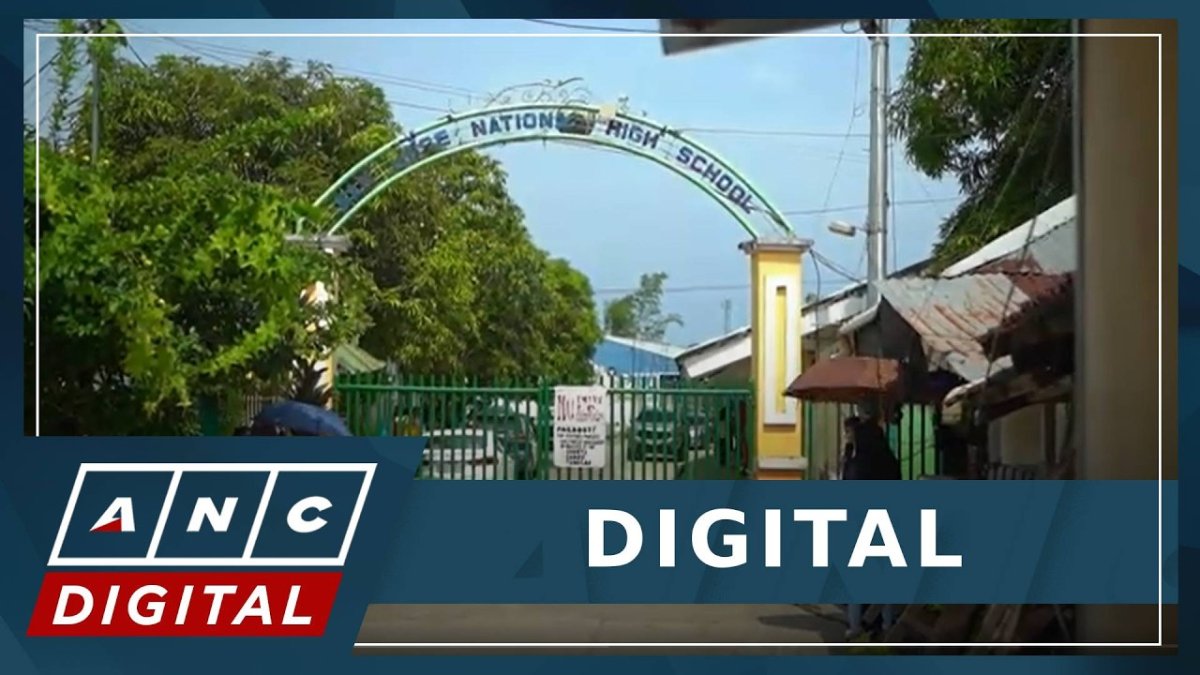
The National Debate on Lowering Criminal Liability Age
The debate surrounding RA 9344 has intensified in recent days as lawmakers and citizens weigh the merits of lowering the age of criminal liability in response to incidents involving minors. Proponents argue that current thresholds fail to deter serious offenses and leave communities vulnerable when young offenders receive only limited intervention. Opponents counter that lowering the age would undermine rehabilitation efforts and expose children to harsh adult systems that may cause more harm than good. Stakeholders from various sectors including education law enforcement and social work have contributed perspectives to the ongoing legislative discussions. The conversation often references cases like the shooting at San Jose High School in Tacloban City as examples that fuel arguments on both sides of the issue. National attention has turned toward finding balanced solutions that protect public safety while respecting developmental differences among young people.
Supporters of lowering the age of criminal liability point to statistics showing increased involvement of minors in violent acts and call for stronger accountability measures under revised laws. They suggest that RA 9344 in its present form may inadvertently encourage exploitation of age based protections by older individuals who influence younger accomplices. Critics however highlight research indicating that adolescent brains are still developing and benefit more from targeted rehabilitation than punitive approaches. The debate has prompted public forums across the Philippines where residents share personal experiences related to youth crime and its impacts on families. In Leyte community members have expressed mixed views with some favoring stricter policies and others advocating for enhanced support systems instead. Lawmakers continue to examine international models while considering cultural contexts unique to the Filipino setting.
RA 9344 established the current framework for handling juvenile cases with an emphasis on restorative justice and family involvement in the rehabilitation process. The national debate now centers on whether amendments should introduce graduated responses based on offense severity rather than a uniform age threshold. Educational institutions have become key voices in the discussion as they seek policies that maintain safe learning environments without stigmatizing students who may need additional guidance. Barangay leaders in regions like Leyte play important roles in implementing any changes at the local level where community dynamics influence outcomes significantly. The conversation also touches on resource requirements for expanded intervention programs that would accompany potential legislative shifts. Stakeholders emphasize the need for evidence based approaches that avoid unintended consequences for vulnerable populations.
Legislative committees have scheduled hearings to gather testimony from experts and affected parties regarding possible adjustments to the age of criminal liability. Participants in the debate often reference the principles of bayanihan as a guiding value for developing solutions that strengthen community resilience against youth violence. Opponents of lowering the age stress the importance of addressing socioeconomic factors that contribute to criminal behavior among minors rather than focusing solely on punitive reforms. Proponents maintain that accountability serves as a necessary complement to prevention efforts in creating safer environments for all citizens. The discussion continues to evolve as new data emerges from ongoing cases and program evaluations across the country. Public opinion remains divided with calls for careful consideration before any major changes to RA 9344 take effect.
The national conversation has also explored alternatives such as enhanced parental responsibility laws and improved coordination between schools and law enforcement agencies. In Tacloban City residents have participated in local dialogues that feed into broader policy discussions about juvenile justice reforms. The debate underscores the complexity of balancing child protection with community safety in a diverse nation like the Philippines. Lawmakers are tasked with synthesizing input from multiple perspectives to craft legislation that reflects both compassion and pragmatism. Continued engagement from civil society organizations will be crucial as the process moves forward in the coming months. The outcome will likely shape how future incidents involving minors are addressed within the legal system.
Human Impact on Students, Parents, and Teachers
The shooting at San Jose High School has left deep emotional scars on students who now associate their campus with trauma rather than the promise of education and growth. Parents in Tacloban City report difficulty sending their children back to school as anxiety about safety lingers in daily conversations at home. Teachers who witnessed the event describe ongoing challenges with concentration and sleep as they process their experiences while trying to support grieving families. The human impact extends to entire barangays where residents share stories of loss and resilience in the aftermath of the tragedy. Community support networks have mobilized to provide counseling and practical assistance but many families continue to struggle with the psychological effects months later. The event has altered the fabric of daily life for those connected to the school in profound and lasting ways.
Students who survived the incident often express reluctance to participate in activities that once brought them joy highlighting the broader disruption to normal childhood development. Parents have formed informal groups to discuss strategies for helping their children cope while advocating for improved security measures at public schools throughout Leyte. Teachers note that classroom dynamics have shifted as young learners grapple with fear and uncertainty about their future safety. The tragedy has also affected siblings and extended family members who were not present but feel the ripple effects through household changes and emotional strain. Local organizations in Tacloban City have organized bayanihan style gatherings to foster collective healing and remind residents of their shared strength. The human stories emerging from this event underscore the need for sustained attention to mental health resources in affected communities.
Many parents describe a sense of helplessness as they balance the desire to protect their children with the necessity of continuing education in the only available public institutions. Teachers have taken on additional roles as counselors and advocates while managing their own recovery from the traumatic experience at San Jose High School. The impact on family structures in Leyte includes financial pressures from medical expenses and lost work time during the period of mourning and investigation. Community members have rallied to support one another through donations and volunteer efforts that reflect traditional Filipino values of mutual aid. Students report changes in peer relationships as some withdraw while others seek connection through shared experiences of loss. The long term effects on personal development and community cohesion remain subjects of ongoing observation and support initiatives.
The human dimension of the tragedy includes stories of heroism from individuals who acted quickly to protect others during the chaotic moments of the attack. Parents continue to engage with school officials to ensure that future safety plans incorporate family perspectives and address specific concerns raised by the community. Teachers have participated in professional development sessions focused on trauma informed practices to better serve students returning to the classroom environment. The event has prompted broader reflections on the role of schools as sanctuaries and the shared responsibility of society to maintain that status. In Tacloban City residents draw strength from cultural traditions of resilience while acknowledging the need for external support to fully recover. The personal narratives emerging from this incident provide powerful motivation for policy changes aimed at prevention.
Extended family networks in Leyte have played crucial roles in caring for children affected by the loss of loved ones in the San Jose High School shooting. Parents express gratitude for community solidarity even as they navigate complex emotions related to the juvenile status of the suspects involved. Teachers describe a renewed commitment to their profession tempered by the recognition that additional safeguards are essential for everyone involved in education. The human impact continues to unfold as new challenges arise during the recovery process for individuals and families alike. Local leaders encourage open dialogue about mental health to reduce stigma and increase access to needed services in the region. These stories serve as reminders of the profound connections between policy decisions and everyday lives in Filipino communities.
What Comes Next for School Safety in the Philippines
Following the tragedy at San Jose High School officials and community leaders are exploring a range of measures to strengthen school safety across the Philippines in the months ahead. Proposed steps include increased funding for security infrastructure and training programs tailored to the unique needs of public institutions in provinces like Leyte. Policymakers are considering revisions to existing frameworks that would enhance coordination between DepEd and local barangay units for more effective prevention and response. The path forward emphasizes collaboration among government agencies families and civil society organizations to create sustainable improvements. Community action initiatives inspired by bayanihan traditions are gaining momentum as residents take proactive roles in monitoring and supporting at risk youth. The outlook remains focused on balancing immediate security enhancements with long term investments in social development.
National agencies have begun reviewing current safety protocols with an eye toward incorporating lessons learned from recent incidents in Tacloban City and similar locations. Stakeholders advocate for pilot programs that test new approaches to school security before scaling successful models to other regions. The policy outlook includes potential legislative updates that address both physical protections and the underlying social factors contributing to youth violence. Community action efforts in Leyte have included town hall meetings where parents teachers and officials share ideas for practical improvements at the local level. Sustained attention to mental health support for students and staff will form a critical component of future safety strategies. The collective commitment to change offers hope that meaningful progress can emerge from this difficult period.
Education leaders are working to integrate safety education into school curricula as a way to empower students with knowledge about recognizing and reporting potential threats. Partnerships with law enforcement agencies are being strengthened to ensure rapid response capabilities in emergencies at public schools throughout the country. The path forward also involves addressing budget limitations that have historically hindered full implementation of safety measures in resource limited areas. Community organizations continue to promote bayanihan based solutions that leverage local knowledge and networks for ongoing vigilance and support. Policymakers remain attentive to feedback from affected communities like those in Tacloban City when shaping new guidelines. The overall outlook reflects a determination to prevent future tragedies through coordinated and comprehensive action.
Future initiatives may include expanded use of technology for monitoring school grounds while respecting privacy concerns raised by students and families. Training programs for teachers and administrators will likely receive additional emphasis as part of efforts to build capacity for maintaining safe learning environments. The policy outlook suggests a shift toward more integrated approaches that combine security enhancements with social services aimed at supporting vulnerable youth. Community action in Leyte and beyond demonstrates the power of collective responsibility in driving positive change after crisis events. Stakeholders express cautious optimism that sustained effort will yield improvements in school safety over time. The focus remains on creating environments where children can learn without fear in all regions of the Philippines.
Long term strategies emphasize prevention through early intervention programs that address behavioral issues before they escalate into serious incidents. Collaboration between national and local entities will be essential for ensuring consistent application of new safety standards across diverse school settings. The path forward includes ongoing evaluation of implemented measures to identify what works and adjust approaches as needed based on evidence. Community leaders continue to inspire action by modeling bayanihan principles in their responses to the challenges facing schools like San Jose High School. The policy outlook points toward a more resilient education system that prioritizes the well being of all participants. Through continued dedication meaningful advancements in school safety can become a lasting legacy of this national conversation.
By Bella Reyes, Staff WriterThis article was produced with AI-assisted research and editorial support. Reporting is based on sources cited in the article.
What's Your Reaction?
 Like
0
Like
0
 Dislike
0
Dislike
0
 Love
0
Love
0
 Funny
0
Funny
0
 Wow
0
Wow
0
 Sad
0
Sad
0
 Angry
0
Angry
0

Philippines/Southeast Asia Correspondent at Global1.News. Manila-based journalist covering Philippine politics, environment, maritime security, and social issues. Passionate about marine conservation and the communities protecting the Philippines' natural heritage.












Comments (0)