
What Should Be the Tactics for Negotiating with the Iranian Regime? — An Israeli Perspective
In a recent i24NEWS English "On the Record" segment titled "What should be the tactics negotiating with Iranian regime?", analysts examined effective approaches to Tehran drawing on the 2015 JCPOA experience and the current US-Iran conflict that began with joint US-Israeli strikes on February 28, 2026. The discussion highlighted Israel's position as a key stakeholder whose secu
In a recent i24NEWS English "On the Record" segment titled "What should be the tactics negotiating with Iranian regime?", analysts examined effective approaches to Tehran drawing on the 2015 JCPOA experience and the current US-Iran conflict that began with joint US-Israeli strikes on February 28, 2026. The discussion highlighted Israel's position as a key stakeholder whose security concerns must shape any final agreement, including terms for reopening the Strait of Hormuz and addressing Iran's nuclear program.
What Should Be the Tactics for Negotiating with the Iranian Regime? — An Israeli Perspective
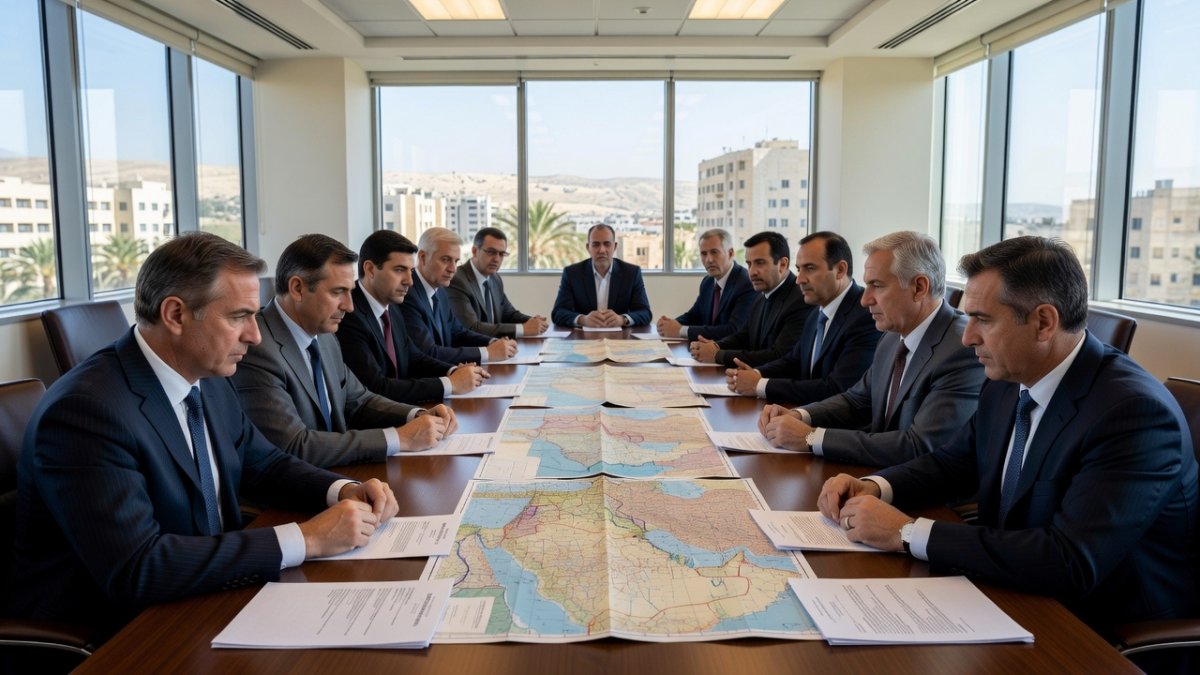
Tel Aviv, Israel — Since the opening salvos of the US-Iran war on February 28, 2026, the trajectory has shifted from battlefield to negotiating table. As Pakistan's Prime Minister Shehbaz Sharif confirmed in recent days that a final agreed-upon text of a peace deal has been reached, the question dominating Israeli strategic circles is no longer whether a deal will happen but what negotiating tactics actually work with the Iranian regime.
The State of Play: From War to Negotiating Table
Pakistan's Prime Minister Shehbaz Sharif confirmed in recent days that a final agreed-upon text of a peace deal between the United States and Iran has been reached following the February 28, 2026 joint US-Israeli strikes on Iranian military, government and infrastructure targets. President Donald Trump announced he had called off new military strikes on Iran and stated that a settlement is close or has been reached, while warning Tehran to get its act together as deal talks advance.
The US military shot down two Iranian drones attempting operations near American assets during the conflict, an action that coincided with sharp fluctuations in oil prices throughout the fighting. Israel participated directly in the initial strikes and has maintained a central role in the subsequent negotiations through channels involving the Prime Minister's Office and the Foreign Ministry in Jerusalem.
These developments carry immediate implications for daily security assessments in Tel Aviv and Jerusalem, where officials track any changes to Iran's ability to project force through the Strait of Hormuz or its nuclear facilities. The IDF and Shin Bet continue to monitor proxy activity even as diplomatic language emerges from Washington and Tehran.
Historical Lessons: The JCPOA and Iranian Negotiating Strategy
The 2015 JCPOA demonstrated that Iranian negotiators often prolong talks while advancing nuclear research at sites such as Natanz and Fordow, a pattern that Israeli intelligence agencies documented through Mossad reporting to the Prime Minister's Office. That agreement allowed sunset clauses on key restrictions, which Jerusalem repeatedly warned would leave Iran with an industrial-scale enrichment capability within a decade.
During the current round, US officials have referenced the same Iranian tactics of incremental concessions paired with demands for sanctions relief, yet the presence of Israeli military participation from the outset has altered the leverage compared with 2015. The i24NEWS analysis noted that firmness on verification mechanisms proved more effective than open-ended diplomacy in past encounters.
Israeli diplomats at the Foreign Ministry emphasize that any repetition of JCPOA-style limits without permanent dismantlement would fail to address the core threat to the Jewish state's qualitative military edge in the region.
Israeli Red Lines: What Jerusalem Demands
Jerusalem has communicated to Washington that any deal must include verifiable caps on uranium enrichment below weapons-grade levels and permanent restrictions on Iran's ballistic missile program, positions conveyed through direct channels between the IDF and US Central Command. Prime Minister's Office statements have stressed that Hezbollah, Hamas and Houthi forces must face concrete disarmament requirements tied to the agreement.
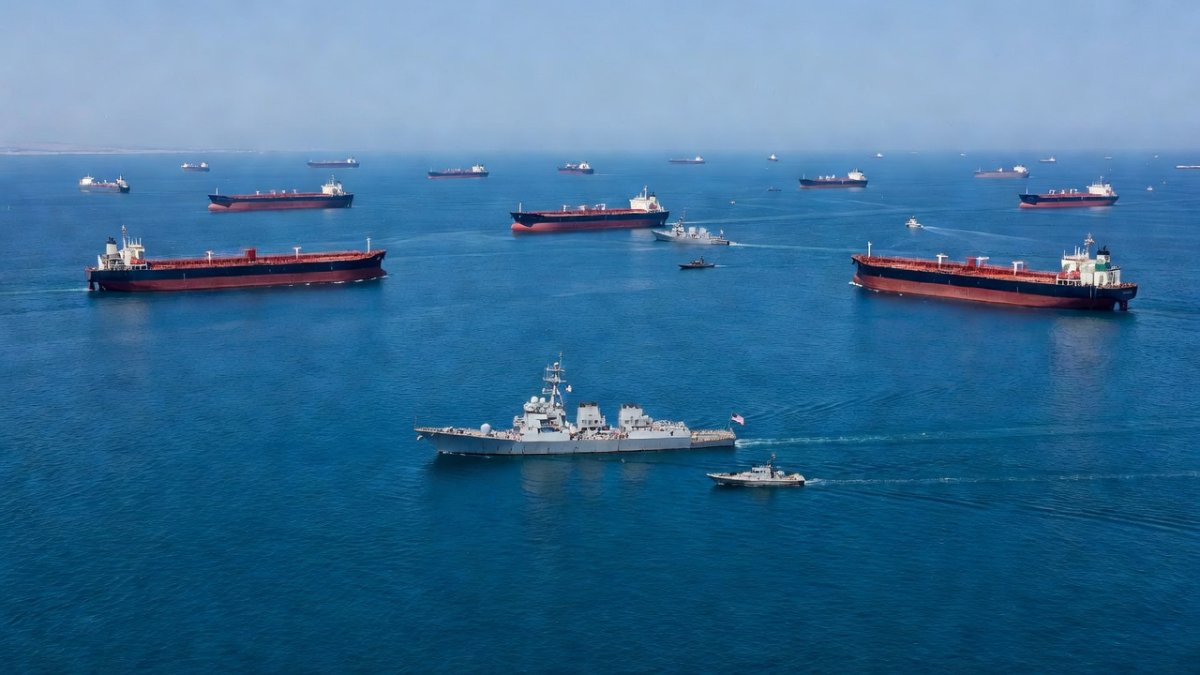
Israeli security officials point to the February 28, 2026 strikes as evidence that military pressure can shift Iranian calculations, yet they insist that reopening the Strait of Hormuz cannot come at the expense of Israeli overflight or maritime security interests in the eastern Mediterranean. The Knesset Foreign Affairs and Defense Committee has held closed sessions to review draft language on these points.
Failure to embed these red lines risks renewed rocket fire from Gaza and Lebanon, a scenario that directly affects civilian life in southern and northern Israel where residents remain under heightened alert status.
The Nuclear Question and Regional Proxies
Iran's nuclear program remains the central Israeli security concern, with enrichment activities at underground sites continuing to draw real-time assessment from Mossad and IDF intelligence units even as the June 2026 deal text takes shape. The agreement's provisions on nuclear restrictions must prevent breakout timelines measured in weeks rather than years, according to assessments shared with US counterparts.
Tehran's support for Hezbollah in Lebanon, Hamas in Gaza and Houthi forces in Yemen forms a second axis that Israeli planners refuse to separate from the nuclear file. Any deal that leaves these proxy networks intact would allow Iran to reconstitute conventional pressure on Israel's borders within months of sanctions relief.
Regional dynamics in the West Bank and along the Gaza perimeter illustrate why Jerusalem views the proxy issue as inseparable from the nuclear question, with daily Shin Bet operations reflecting the ongoing threat environment.
What Tactics Work with Tehran?
Historical precedent from the JCPOA period shows that sustained military and economic pressure, rather than unilateral concessions, produced the most durable pauses in Iranian nuclear advances. The current conflict's opening strikes on February 28, 2026, followed by the downing of two Iranian drones, reinforced this pattern by demonstrating credible enforcement.
Israeli officials advocate combining explicit red lines with phased sanctions relief tied to verifiable steps on enrichment and proxy funding, a framework discussed in the i24NEWS segment as more effective than the open-ended diplomacy of 2015. Coordination between the US, Israel and Gulf partners has narrowed Iran's room for delay tactics during the latest talks.
Direct communication through back channels involving the Foreign Ministry has also proven useful for clarifying consequences if Tehran violates terms after the Strait of Hormuz reopens, reducing the likelihood of miscalculation that could reignite conflict.
The Road Ahead
Implementation of the June 2026 deal will require ongoing trilateral monitoring involving the US, Israel and international inspectors to ensure compliance at Iranian nuclear sites and among proxy forces. The Prime Minister's Office has indicated that Jerusalem will maintain independent intelligence collection regardless of formal verification mechanisms.
Oil price stability following the Strait of Hormuz reopening will influence Israel's economic security, while any residual Iranian enrichment capacity will continue to shape IDF force posture along the northern and southern borders. Diplomatic follow-up in the Knesset and at the UN will test whether the agreement delivers lasting regional restraint.
Israeli analysts conclude that only consistent application of pressure alongside clear incentives can prevent Tehran from repeating the JCPOA pattern of gradual erosion of restrictions, a lesson drawn directly from the negotiating record examined on the i24NEWS program.
By Hannah Berg, Staff Writer
This article was produced with AI-assisted research and editorial support. Reporting is based on sources cited in the article.
What's Your Reaction?
 Like
0
Like
0
 Dislike
0
Dislike
0
 Love
0
Love
0
 Funny
0
Funny
0
 Wow
0
Wow
0
 Sad
0
Sad
0
 Angry
0
Angry
0
Israel Correspondent at Global1.News. Based in Tel Aviv, covering Israeli politics, security, technology, and society. Provides balanced, deeply-sourced reporting on one of the most closely-watched regions in the world.











Comments (0)