
Andy Burnham Pauses Early Prisoner Release Scheme
Prime Minister Andy Burnham has suspended the early release of thousands of prisoners in England and Wales, reversing the policy introduced by his predecessor Keir Starmer. The decision follows intense public outrage over plans to free around 6,000 offenders after they served just half their sentences under the Sentencing Act. Victims of violence and sexual crimes have expressed profound relief mixed with lingering fear that their abusers could still evade proper scrutiny.
Prime Minister Andy Burnham has suspended the early release of thousands of prisoners in England and Wales, reversing the policy introduced by his predecessor Keir Starmer. The decision follows intense public outrage over plans to free around 6,000 offenders after they served just half their sentences under the Sentencing Act. Victims of violence and sexual crimes have expressed profound relief mixed with lingering fear that their abusers could still evade proper scrutiny.
Andy Burnham Suspends Early Prisoner Releases After Victim Backlash
London, UK – 23 July 2026 — In one of his first major acts since taking office on 20 July, Prime Minister Andy Burnham announced that no prisoners will be released early under the controversial scheme until the Ministry of Justice completes an urgent review. The move halts a policy that would have seen thousands of offenders, including those convicted of manslaughter and domestic violence, return to communities across England and Wales from September 2026.
Burnham's Sharp Reversal of Starmer's Policy
The new Prime Minister's decision marks a decisive break from the approach taken by Keir Starmer. Under the previous arrangements, nearly 40,000 prisoners had already been released early, contributing to the current crisis where cells in England and Wales stand at 99 per cent capacity. Burnham stated that safeguards must be examined before any further releases proceed, placing the Ministry of Justice at the centre of the review process.
Victims' Anguish Over Potential Releases
Women who suffered violence and sexual crimes shared their distress with Channel 4 News as the original scheme advanced. Many described sleepless nights fearing that their abusers would be freed without adequate risk assessments. Campaign groups representing these victims welcomed the pause but insisted the policy must be scrapped permanently to protect public safety in regions from Greater Manchester to South Wales.
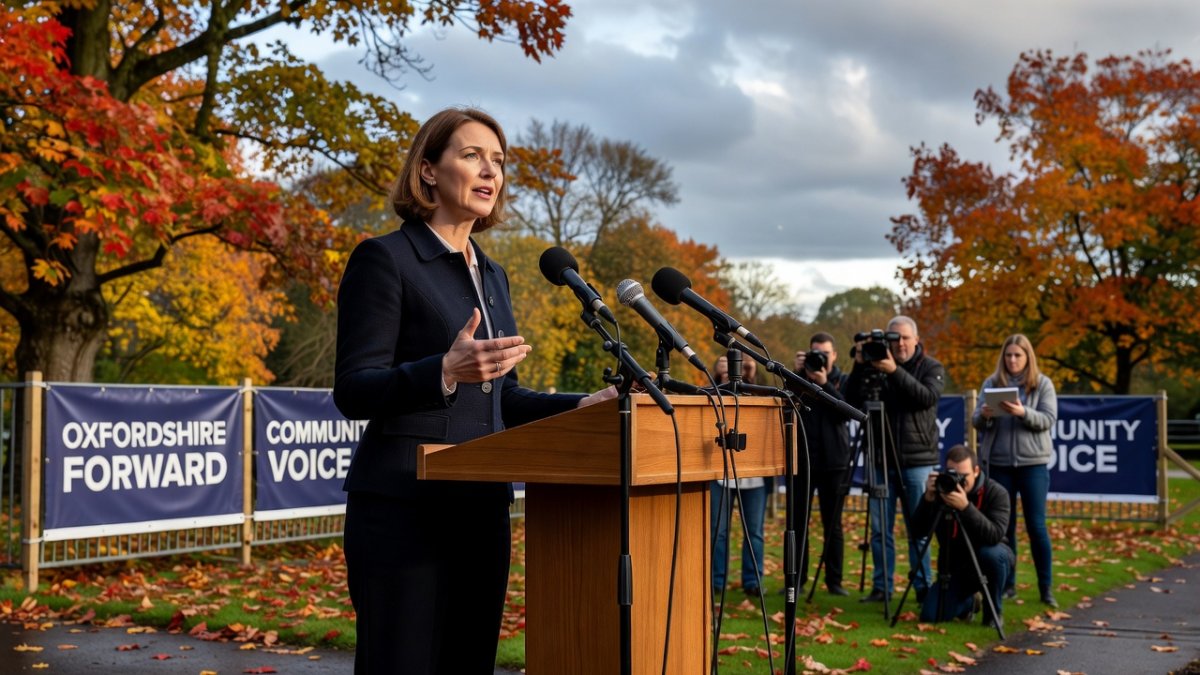
The Harper Case That Sparked National Outrage
Public fury intensified when it emerged that Albert Bowers and Jessie Cole, jailed for 13 years in 2020 for the manslaughter of PC Andrew Harper, would become eligible for early release. Lissie Harper, the officer's widow, led a fierce campaign against the scheme, labelling it "deplorable" and arguing it undermined justice for families across the Thames Valley and beyond. Her advocacy highlighted how the policy threatened to erode trust in the criminal justice system.
Ministers Caught on Microphone Fuel Criticism
Further damage came when Wes Streeting and Shabana Mahmood were recorded joking about the early release scheme, prompting widespread condemnation from victims' groups and opposition MPs. The incident reinforced perceptions that senior figures in the previous administration had lost sight of the human cost borne by communities in constituencies such as Birmingham Ladywood and Ilford South.
Prison Overcrowding and the Review Process
England and Wales face acute prison overcrowding, with the Ministry of Justice now tasked with assessing every aspect of the Sentencing Act's safeguards. Officials will examine risk assessments for violent offenders, including domestic abusers, before any prisoners are considered for release. The review is expected to report within weeks, though critics demand immediate legislative changes rather than temporary pauses.
Human Cost Across Regions and Communities
The scheme's potential impact stretched from urban centres in London and Manchester to rural areas in Devon and Northumberland. Women's safety organisations warned that releasing offenders without thorough evaluation placed victims at direct risk, particularly those in lower-income households reliant on local support services already stretched by funding pressures. The pause offers temporary respite, yet families continue to question whether the Ministry of Justice can deliver lasting protection.
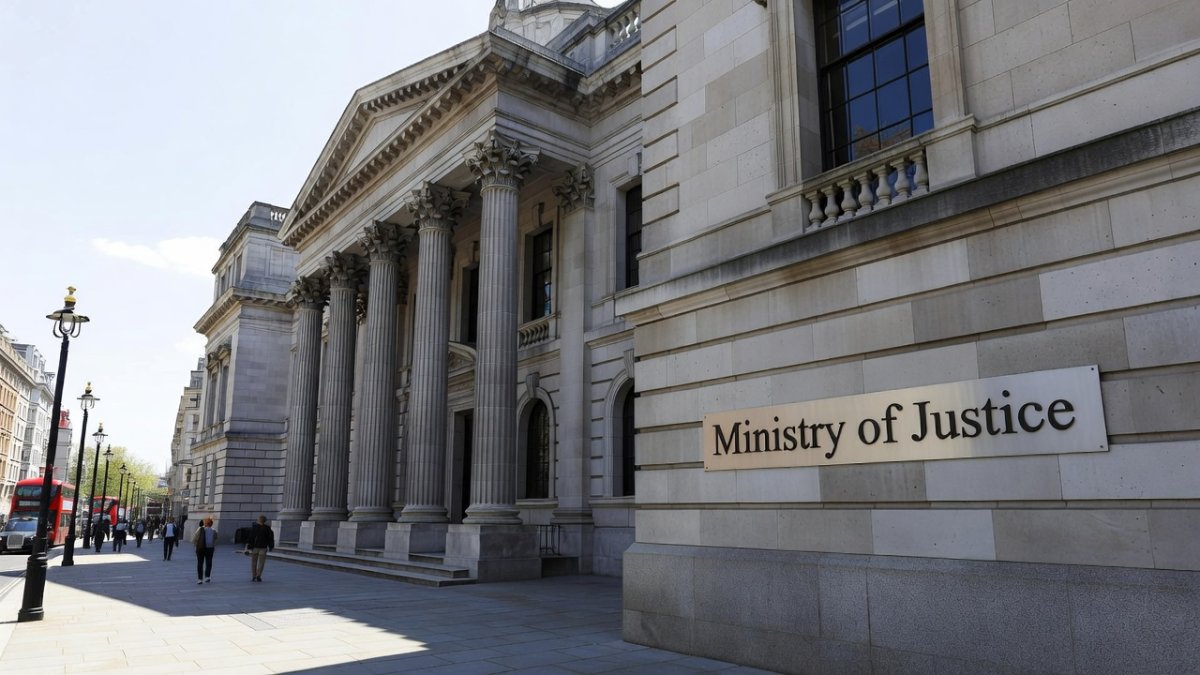
Political Implications for Burnham's Leadership
Burnham's intervention tests his authority just days into the role as the fifth Prime Minister in four years. By ordering a full review and declaring that "no prisoners will be let out" under the current terms, he has positioned himself against elements of his own party's earlier approach. Observers note that sustained pressure from victims and the public will determine whether this pause becomes a permanent reversal or merely a short-term adjustment.
By Erica Thornton, Staff Writer
This article was produced with AI-assisted research and editorial support. Reporting is based on sources cited in the article.
What's Your Reaction?
 Like
0
Like
0
 Dislike
0
Dislike
0
 Love
0
Love
0
 Funny
0
Funny
0
 Wow
0
Wow
0
 Sad
0
Sad
0
 Angry
0
Angry
0

US Politics and Policy Correspondent at Global1.News. Based in Washington DC, covering American politics, policy, elections, and the courts. Knows how the system works and tells you what it actually means.












Comments (0)