
Amazon Burned Area Drops to Lowest Level Since 1985
The Amazon's burned area dropped to 3.1 million hectares in 2025, the lowest since records began, as MapBiomas data shows a sharp decline from 2024's record 15.8 million. Lula's environmental policies gain momentum ahead of October's election, but climate and economic challenges remain.
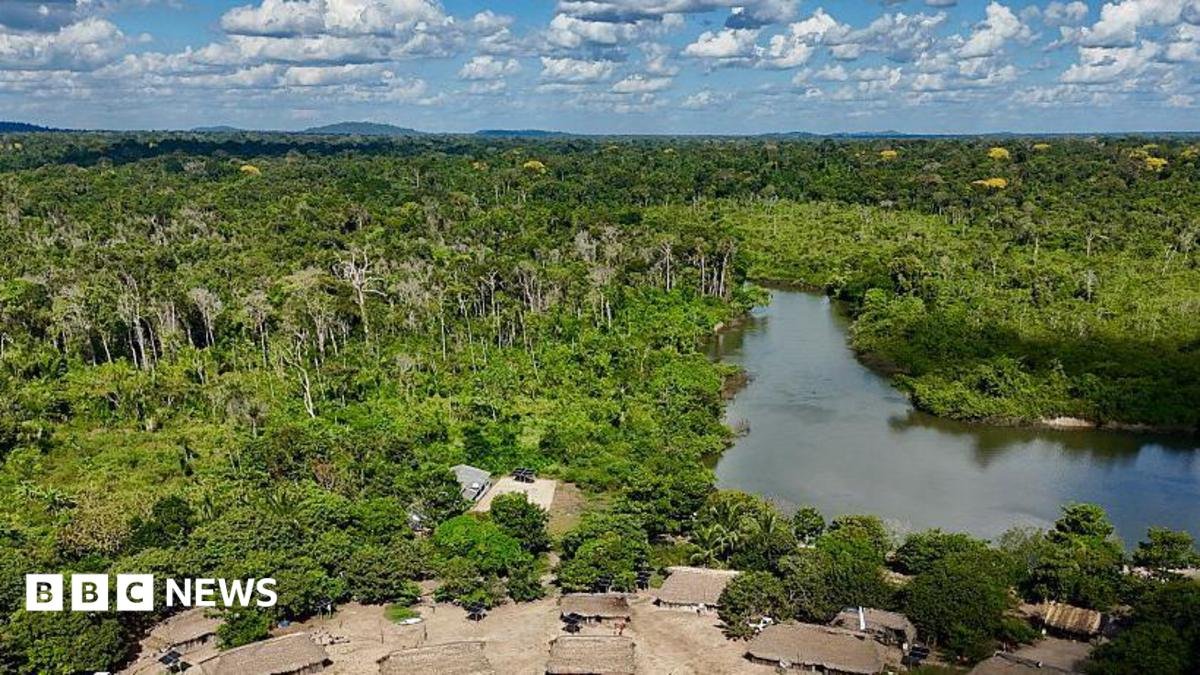
MapBiomas data shows that the Amazon's burned area dropped to 3.1 million hectares in 2025, the lowest total recorded since monitoring began in 1985 and a steep fall from 15.8 million hectares the previous year. The nationwide burned area also declined sharply to 12.7 million hectares. These figures arrive as President Lula da Silva campaigns for re-election in October on the strength of his environmental record.
Amazon Burned Area Drops to Lowest Level Since 1985
Brasília, Brazil — Article continues...
Amazon Burned Area Records Sharp Decline in 2025
MapBiomas data shows that 3.1 million hectares of Brazil's Amazon burned in 2025. This figure stands far below the 15.8 million hectares recorded in 2024. The 2025 total marks the smallest burned area in the world's largest rainforest since MapBiomas began tracking in 1985. These numbers come directly from the deforestation monitoring group's latest report and reflect a measurable reduction in fire impact across the region.
National Burned Area Figures Show Similar Improvement Across Brazil
MapBiomas reports that approximately 12.7 million hectares burned throughout Brazil in 2025. This compares with 30 million hectares in 2024. The 2007 national total of 30.7 million hectares remains the highest on record since monitoring started. The drop in 2025 affected not only the Amazon but extended to other biomes, indicating a broader pattern of reduced fire activity nationwide.
Lula Administration Gains Momentum Ahead of October Re-election
President Luiz Inácio Lula da Silva made protecting the Amazon a central pledge during his campaign four years ago. The 2025 burned area reductions provide concrete evidence that aligns with those commitments. Lula took office on 1 January 2023 and stated on his first day that the goal is zero deforestation in the Amazon. These latest MapBiomas figures are expected to strengthen his position as he seeks re-election in October.
The MapBiomas data on the sharp drop to 3.1 million hectares burned in the Amazon during 2025 arrives at a pivotal moment for President Lula da Silva. Having taken office on January 1, 2023, with an explicit zero-deforestation pledge, these figures offer tangible evidence that his administration's enforcement measures are beginning to register results. Yet the political stakes are high ahead of October's re-election campaign, where environmental credibility will be tested against economic pressures that have long shaped Brazilian policy toward the rainforest.
At the same time, the administration's approval of oil exploration at the mouth of the Amazon river has drawn sharp criticism from activists who see it as a direct contradiction to conservation commitments. This tension highlights the enduring challenge of balancing Lula's stated environmental goals with development priorities that continue to influence land-use decisions across the region. While the 2025 reductions strengthen his narrative of progress, they also underscore how fragile such gains remain when economic interests intersect with protection pledges.
From a Latin American perspective, these contradictions reflect broader regional struggles where governments must navigate global climate expectations alongside domestic demands for growth. The MapBiomas numbers provide momentum, but they also expose the limits of relying on short-term improvements without addressing the structural drivers that have historically undermined sustained Amazon protection.
The 75 percent increase in deforestation during Jair Bolsonaro's presidency, measured three years into his term, represented a dramatic acceleration of forest loss driven by policies that prioritized expanded farming and mining. Bolsonaro framed these activities as essential for reducing regional poverty, yet environmentalists documented how enforcement weakened and illegal clearing surged. This approach stood in direct contrast to the conservation-first stance adopted by Lula upon taking office in 2023.
Three years after Lula's zero-deforestation pledge, the 2025 MapBiomas figures show meaningful progress, with burned areas falling well below historical averages. However, the political debate over Amazon land use remains intense, with ongoing tensions between agricultural expansion, mining interests, and protection efforts. The reversal of Bolsonaro-era trends has required renewed enforcement, yet the underlying economic pressures that fueled earlier increases have not disappeared.
From a Brazilian perspective, this policy swing illustrates how quickly deforestation rates can respond to shifts in national leadership and enforcement priorities. The challenge now lies in locking in these reductions so they survive future political changes and deliver lasting protection for the forest.
IPAM Researcher Notes Positive Results but Urges Sustained Action
Vera Arruda, researcher at the Amazon Environmental Research Institute and MapBiomas coordinator, described the 2025 figures as significant. She stated that the results demonstrate it is possible to reduce burned area in the country. Arruda highlighted a 31 percent drop compared to the historical average, driven by the lowest number of fires in the Amazon in 41 years. She emphasized that the data does not yet confirm an established trend and that prevention efforts must continue without scaling back.
La Niña Conditions Contribute to Reduced Fire Activity
The decline in 2025 partly reflects the easing of the severe fires seen in 2024. Cooler La Niña conditions replaced the warmer El Niño pattern that fueled the previous year's extremes. MapBiomas warned that a return of El Niño could extend the dry season and raise the risk of future forest fires. The Copernicus Climate Change Service attributed the 2024 fires to climate extremes combined with human activity.
MapBiomas researchers have been clear that this weather-driven relief does not yet signal a permanent change. They warn that any return of El Niño could extend the dry season and dramatically increase fire risk once again. This variability means that prevention planning must account for both human activity and natural climate cycles rather than assuming the 2025 improvements will continue automatically.
For Brazil and the wider region, these climate dynamics carry urgent implications. Sustained monitoring and adaptive strategies are essential to avoid being caught unprepared when the next El Niño phase arrives and potentially reverses recent gains in fire reduction.
Oil Exploration Decision Draws Criticism Despite Conservation Pledges
Lula's administration approved oil exploration at the mouth of the Amazon river. Activists argue this decision conflicts with the stated goal of protecting the Amazon region. Tropical rainforests such as the Amazon support millions of species and absorb large quantities of carbon dioxide when healthy. Decades of land clearance for agriculture and logging, along with climate change, have increased pressure on these ecosystems and created conditions for larger fires.
The Amazon's capacity to absorb vast quantities of carbon dioxide has long positioned it as a critical buffer against global climate change. Yet decades of deliberate clearance for agriculture and logging, compounded by rising climate pressures, have pushed the ecosystem toward a dangerous tipping point. If the rainforest transitions from carbon sink to carbon source, the consequences would extend far beyond Brazil's borders and accelerate warming worldwide.
The 2025 MapBiomas data, showing the smallest burned area since records began in 1985, offers a rare moment of relief amid this trajectory. It demonstrates that reduced fire activity is achievable when weather patterns align with stronger prevention efforts. Still, the report emphasizes that these gains remain vulnerable to both natural variability and continued human pressures on the forest.
For Latin America and the global community, sustained monitoring by organizations such as MapBiomas and IPAM is indispensable. Without consistent data and long-term commitment, the Amazon risks crossing irreversible thresholds that would undermine international climate goals and threaten the stability of ecosystems that millions depend upon.
MapBiomas Data Underscores Need for Ongoing Monitoring
The 2025 reductions across both the Amazon and the rest of Brazil represent the lowest burned totals in recent years. MapBiomas continues to track these changes with consistent methodology dating back to 1985. While the numbers offer clear evidence of progress, the report stresses that natural weather variability and human factors remain influential. Continued data collection by groups such as MapBiomas and IPAM will be essential to assess whether the improvements hold in coming seasons.
By Elena Vasquez, Staff WriterThis article was produced with AI-assisted research and editorial support. Reporting is based on sources cited in the article.
What's Your Reaction?
 Like
0
Like
0
 Dislike
0
Dislike
0
 Love
0
Love
0
 Funny
0
Funny
0
 Wow
0
Wow
0
 Sad
0
Sad
0
 Angry
0
Angry
0

Latin America Correspondent at Global1.News. Based in Mexico City, covering politics, economics, energy, and culture across the region. Brings an on-the-ground perspective to stories spanning from the Rio Grande to Patagonia.














Comments (0)