
Sinaloa Cartel Expands Cocaine Routes to Europe
In the bustling tianguis of Culiacán, vendors sell fresh tortillas and tamales while families discuss the latest mañanera from Palacio Nacional, yet beneath this daily rhythm lies a growing shadow from distant European ports.
Sinaloa Cartel Cocaine Trade Hits Mexican Families
Mexico City, Mexico — Article continues...
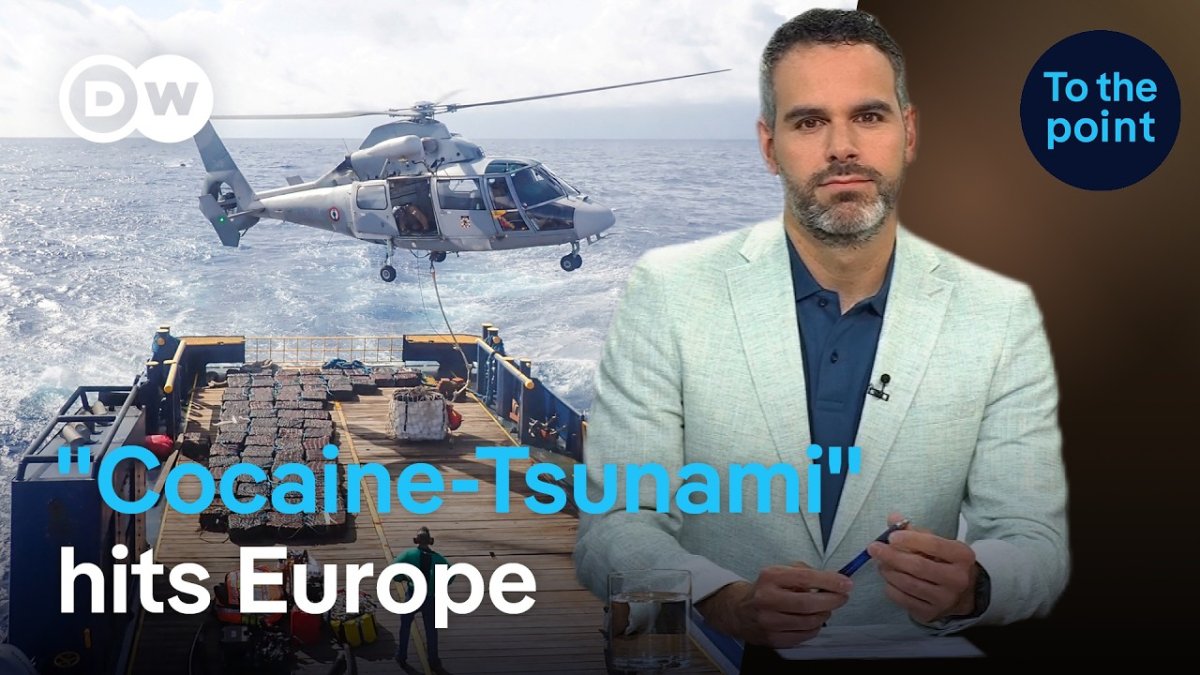
Europe Faces Record Cocaine Inflows from Mexican Cartels
In a recent DW News report on the July 23 episode of To the Point, experts detailed how the Sinaloa Cartel routes cocaine across the 7,000-kilometer Atlantic Cocaine Highway from South American ports through Ecuador to Antwerp and Rotterdam. The episode highlighted Anabel Hernández, the Mexican investigative journalist now in exile, who described the cartel's direct alliances with European groups. These shipments reach Mexican communities through money laundering networks tied to Sinaloa state businesses. Ordinary families in rural ejidos watch as young men are drawn into the trade, trading dreams of stable work at a local tortillería for quick cash that often ends in tragedy.
Across Sinaloa, the human toll mounts as profits from Europe flow back through hidden channels that bypass honest businesses in the taquerías and markets. Community leaders note how the influx disrupts daily life in pueblos mágicos, where tourism once offered hope but now competes with cartel influence. Mexican institutions like the FGR struggle to trace these funds while residents in colonias face rising insecurity that affects everything from school attendance to family gatherings.
Antwerp and Rotterdam Handle Over 70 Percent of Europe's Cocaine
Antwerp port authorities seized more than 110 tonnes of cocaine in the past year, while Rotterdam recorded similar surges. Over 70 percent of all cocaine entering Europe passes through these two ports, according to the Süddeutsche Zeitung investigation led by Jörg Schmitt. The Sinaloa Cartel supplies much of this volume, using high-speed boats and encrypted apps to coordinate with dock workers recruited in both cities. This scale of movement echoes the vast distances traveled by migrants from Mexican border towns seeking better lives, yet here the cargo brings only harm back home.
Italian authorities seized 285 million dollars worth of cocaine hidden in a banana shipment in July 2026. This single bust underscores the scale of operations that originate from Colombian, Peruvian, and Bolivian fields before transiting Ecuador, where 70 percent of flows move through its ports. Mexican families in Sinaloa's rural ejidos see little benefit as profits flow back through corrupt channels. In places like Los Mochis, mothers at the local tianguis whisper about sons lost to recruitment, their wages from honest labor at ISSSTE clinics unable to compete with cartel offers.
Anabel Hernández Exposes Cartel Power Structures from Exile
Anabel Hernández, who has documented the Sinaloa Cartel's operations for decades, told the DW News panel that the group now bypasses traditional intermediaries. She described how cartel leaders in Culiacán coordinate directly with Italian and Spanish organized crime. Hernández fled Mexico after repeated threats and continues her reporting on how these networks corrupt institutions including the FGR and local police in Sinaloa. Her voice carries the weight of countless stories from colonias where families gather at taquerías to mourn those caught in the crossfire.
Her work connects the European market, valued at 13 to 14 billion euros, to violence in Mexican colonias. Families in Culiacán and Los Mochis lose sons to recruitment or face extortion when cartel factions fight over distribution shares. Hernández emphasized that the cartel's global reach strengthens its domestic control. In the Sierra Madre, ejido communities feel the pressure as land disputes rise, leaving ordinary campesinos without the support once promised by federal programs.
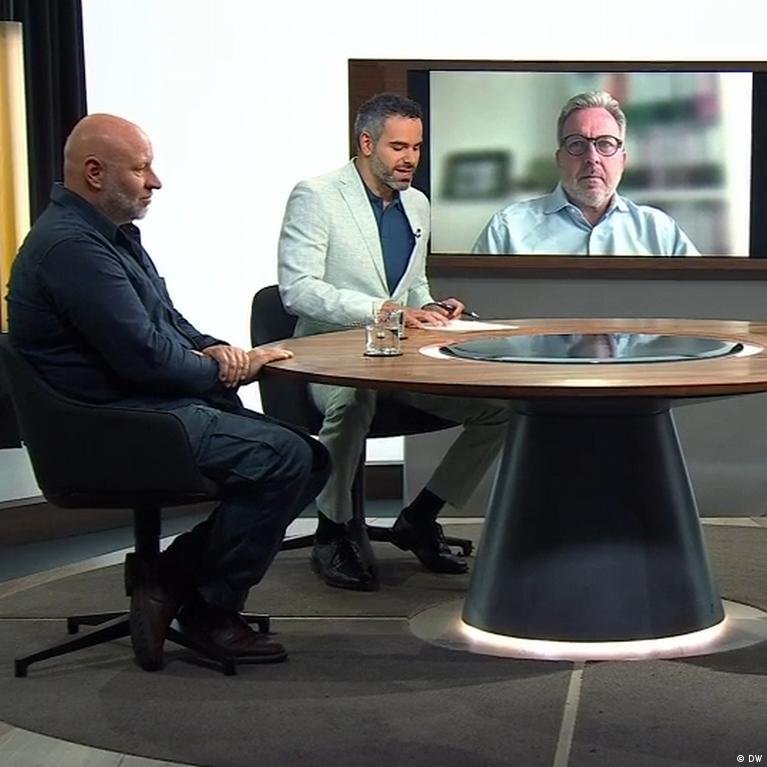
Operation Black Shadow Yields 105 Arrests and 10.4 Tonnes Seized
Spanish police conducted Operation Black Shadow, resulting in 105 arrests and the seizure of 10.4 tonnes of cocaine. The operation targeted networks linked to the Sinaloa Cartel and European partners. SEDENA and SEMAR officials in Mexico have noted similar patterns in Pacific ports, where precursor chemicals and cash returns move through the same routes. These actions highlight the international scope yet rarely touch the daily struggles of families in Sinaloa who rely on consistent support from SEGOB for alternative crops.
These enforcement actions rarely disrupt the core leadership. El Mayo Zambada, co-founder of the Sinaloa Cartel, received a life sentence in a U.S. court this year, yet successors in Culiacán continue directing shipments. Mexican campesinos in the Sierra Madre grow alternative crops only when federal subsidies from SEGOB reach them, which remains inconsistent. In nearby pueblos mágicos, residents at the tortillería discuss how such distant operations ripple into local economies, raising prices and limiting opportunities for youth.
Direct Alliances Form Between Sinaloa and European Crime Groups
The Sinaloa Cartel has established direct partnerships with groups in Spain, Italy, and the Netherlands rather than relying solely on Colombian brokers. Olaf Sundermeyer of RBB explained on the episode how European dock workers receive payments to divert containers. These alliances increase the flow of weapons and cash back to Mexico, fueling violence in states like Guerrero and Michoacán. Small business owners in border towns see their taquerías and shops targeted as profits from Europe buy more influence.
Small business owners in Tijuana and Ciudad Juárez report rising extortion as cartel factions use European profits to buy loyalty. Teachers and healthcare workers in these areas see schools and clinics targeted when rival groups compete for territory. The Guardia Nacional has deployed additional units, yet results remain limited. Families in colonias across these regions turn to community networks for support, hoping Mexican institutions like the SCJN can eventually curb the cycle.
Youth Recruitment Expands from Mexican Streets to European Ports
Young people in Europe are being drawn into cartel logistics, mirroring recruitment patterns in Sinaloa and Baja California. The DW News panel noted that teenagers in Antwerp neighborhoods receive offers to move packages for quick cash. In Mexico, similar tactics target students in secondary schools near maquiladoras, where families already struggle with low wages from ISSSTE clinics. INEGI data shows rising youth involvement in border states, leaving parents in ejidos to worry about the future of their children.
INEGI data shows rising youth involvement in border states. Community leaders in Oaxaca and Mérida push for stronger prevention programs through CONEVAL-funded initiatives, but funding often falls short. The pattern repeats across both continents as the cartel treats labor as disposable. In Sinaloa colonias, mothers organize at local tianguis to advocate for better education, knowing that without change, the Atlantic routes will continue claiming the next generation.
Calls Grow to Designate Cartels as Terrorist Organizations
European officials increasingly discuss labeling groups like the Sinaloa Cartel as terrorist organizations to enable stronger asset freezes. In Mexico, the Sheinbaum administration and the Congreso de la Unión have debated similar measures through the Cámara de Diputados. FGR prosecutors argue that current laws already allow aggressive pursuit, yet corruption within local governments blocks progress. During recent mañaneras, President Sheinbaum has highlighted the need for cross-border cooperation to protect ordinary citizens.
Palacio Nacional has hosted mañaneras where President Sheinbaum referenced cartel financing. Families in affected colonias demand accountability from PEMEX and CFE contractors suspected of laundering. Without coordinated action across the Atlantic, the cycle of violence continues for Mexican communities. Residents in pueblos mágicos gather to discuss how such designations might finally bring relief to their daily lives.
Implications for Daily Life in Sinaloa and Beyond
The European cocaine market sustains cartel power that reaches every level of Mexican society. Rural communities in Sinaloa lose land to cultivation disputes while urban families in Guadalajara face rising prices for basic goods tied to inflation from illicit flows. Anabel Hernández's reporting shows that only sustained pressure on both sides of the Atlantic can weaken these structures. In colonias and ejidos alike, the absence of real economic alternatives leaves families vulnerable.
Mexican institutions including the SCJN and INE must address the political influence cartels gain from overseas profits. Until then, the human cost remains highest for ordinary citizens in the colonias and pueblos who bear the violence without sharing the wealth. Community voices from Sinaloa to Oaxaca call for investment in local tianguis and schools to build resilience against these distant forces.
What to Watch For
Observers should monitor upcoming FGR investigations into money laundering tied to European ports, as these could reveal new links affecting Sinaloa families. Increased activity from the Guardia Nacional in border colonias may signal stronger enforcement, yet residents hope for consistent support through CONEVAL programs that reach ejidos directly. European policy shifts on cartel designations could influence Mexican debates in the Congreso de la Unión, offering a chance for real change.
Community leaders in pueblos mágicos urge attention to youth prevention efforts, especially as INEGI data continues to track rising involvement. Families at local taquerías and tortillerías watch for signs that federal subsidies will finally stabilize rural economies. Sustained coverage from journalists like Anabel Hernández remains vital to keep pressure on both continents and protect ordinary Mexican lives. By Rosa Martinez, Staff Writer
This article was produced with AI-assisted research and editorial support. Reporting is based on sources cited in the article.
What's Your Reaction?
 Like
0
Like
0
 Dislike
0
Dislike
0
 Love
0
Love
0
 Funny
0
Funny
0
 Wow
0
Wow
0
 Sad
0
Sad
0
 Angry
0
Angry
0
Latin America/Andes Correspondent at Global1.News. Based in Bogota, covering politics, environment, energy, and social movements across the Andean region. Passionate about environmental journalism and communities protecting their land.











Comments (0)