
China's Q2 2026 Economic Growth Slowdown Signals Strategic Headwinds
China economy slowed to 4.5% GDP growth in Q2 2026, missing targets as weak domestic demand and Iran war oil costs offset resilient exports. A strategic analysis of Beijing economic headwinds and policy response.
The Q2 2026 GDP Performance in Context
China's economy expanded at a slower-than-expected pace in the second quarter of 2026, with GDP growth registering approximately 4.5 percent year-on-year. This marked a deceleration from the 5.0 percent recorded in the first quarter, underscoring the challenges in sustaining momentum toward the government's full-year target of around 5 percent. The data, released amid ongoing global economic shifts, highlights how external factors and internal structural issues are intersecting to shape Beijing's economic trajectory.
Analysts note that this slowdown occurs as the 14th Five-Year Plan targets face mounting pressure from uneven sectoral performance. While industrial activity has shown resilience, the overall expansion rate reflects broader difficulties in aligning short-term outcomes with longer-term strategic objectives. The figures provide a snapshot of an economy navigating transition, where export strength partially offsets domestic shortfalls but does not fully compensate for them.
Market observers, including those at Goldman Sachs, have adjusted their full-year projections to 4.8 percent for 2026, indicating a cautious outlook that accounts for persistent headwinds. This performance invites scrutiny of how policy frameworks can adapt without overextending fiscal or monetary tools in the near term.
Persistent Weakness in Domestic Consumption
Domestic consumption remains a notable drag on overall growth, with consumer confidence continuing to lag behind pre-pandemic levels. Weak demand domestically has overshadowed other positive indicators, limiting the economy's ability to achieve balanced expansion. This trend aligns with broader patterns where household spending has not recovered sufficiently to support the Dual Circulation strategy's emphasis on internal markets.
The lag in consumer sentiment stems from structural factors, including employment uncertainties and wealth effects tied to asset markets. As a result, retail sales and service sector activity have not provided the uplift needed to meet the 5 percent annual target. Policymakers must weigh targeted interventions against the risk of inflating imbalances in an already complex environment.
These consumption patterns carry implications for China's strategic push toward technological self-sufficiency, as reduced domestic demand can slow the adoption of new technologies and innovations within the internal market. Addressing this requires coordinated efforts across ministries to restore confidence without relying solely on short-term fiscal measures.
Resilient Exports Amid Global Uncertainties
Exports have emerged as a bright spot, demonstrating resilience driven by manufacturing strength despite the overall GDP slowdown. This performance reflects China's entrenched position in global supply chains, where competitive advantages in industrial output continue to generate foreign exchange earnings. Strong industrial activity has helped buffer the economy against weaker internal drivers.
However, this export reliance introduces vulnerabilities in an era of shifting trade dynamics and potential protectionist measures from major partners. The Dual Circulation strategy, which seeks to balance domestic consumption with international trade, encounters headwinds when external demand fluctuates due to geopolitical tensions. Sustaining export momentum will depend on maintaining manufacturing edge while diversifying markets.
From a geopolitical standpoint, resilient exports bolster China's leverage in multilateral forums and regional trade agreements, yet they also expose the economy to retaliatory risks in US-China competition. This dynamic underscores the need for strategic diversification to enhance economic security.
The Iran War's Ripple Effects on Energy Costs
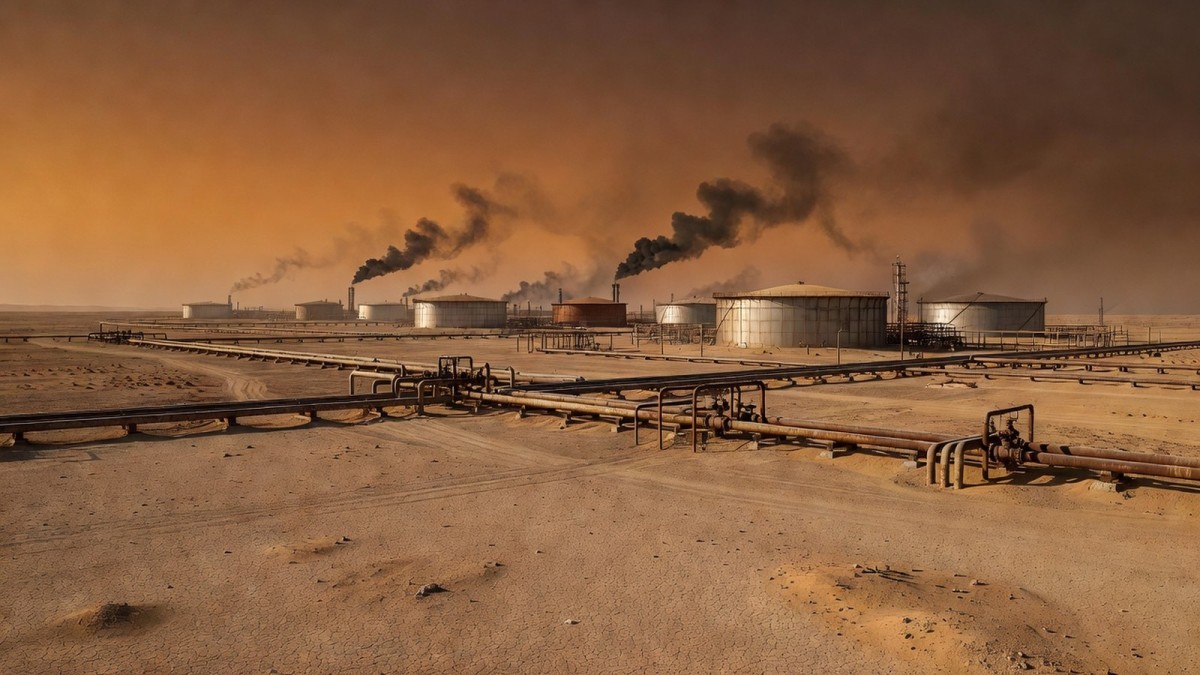
The Iran war has pushed global oil prices higher, creating additional pressure on China's import costs and contributing to the Q2 slowdown. Elevated energy expenses have squeezed margins in energy-intensive sectors, amplifying the impact of already subdued domestic demand. This external shock illustrates how regional conflicts can transmit directly into Beijing's economic calculations.
Import cost increases affect not only immediate inflation metrics but also long-term planning for energy security and industrial competitiveness. As oil prices remain volatile, the NDRC and related bodies face the task of mitigating these effects through strategic reserves and alternative sourcing strategies. The war's duration and intensity will determine the persistence of these pressures.
In the broader multipolar economic order, such energy disruptions highlight China's interest in stabilizing key regions to protect supply lines. This calculus intersects with efforts to expand influence in the Global South, where resource partnerships could offer buffers against future shocks.
Property Sector Contraction and Policy Challenges
The property sector remains in contraction despite policy support measures, adding another layer of complexity to the economic picture. Persistent weakness here has ripple effects on related industries, local government finances, and household wealth, further dampening consumption. Efforts to stabilize the sector have yet to produce a sustained turnaround.
Policy responses must navigate the tension between preventing systemic risks and avoiding moral hazard in overleveraged developers. The contraction underscores structural adjustments underway as China transitions away from property-led growth models toward more sustainable drivers. This shift aligns with broader goals of technological self-sufficiency but requires careful sequencing to avoid abrupt disruptions.
Geopolitically, a prolonged property downturn could constrain Beijing's capacity to project economic influence abroad, as domestic resource allocation becomes more inward-focused. Regional partners in ASEAN may observe these developments closely for signs of spillover effects on trade and investment flows.
Anticipated Stimulus Measures from Key Institutions
Markets expect further stimulus from the PBOC and NDRC to address the growth shortfall and support the full-year target. Such measures could include targeted monetary easing and infrastructure spending aimed at bolstering domestic activity without exacerbating debt levels. The timing and scale of these interventions will be critical in determining whether the 4.8 percent Goldman Sachs forecast materializes.
Coordinated action between these institutions reflects Beijing's preference for calibrated responses that preserve policy space amid external uncertainties. Historical precedents suggest that stimulus effectiveness depends on addressing underlying confidence issues rather than merely boosting aggregate demand. The Dual Circulation framework provides a guiding lens for ensuring measures reinforce both internal and external pillars.
These expectations also tie into China's foreign policy doctrine, where economic stability underpins diplomatic initiatives. Stable growth enables more assertive positioning in global institutions and bilateral negotiations, particularly in the context of US-China strategic competition.
Pressures on the 14th Five-Year Plan Targets
The 14th Five-Year Plan targets are under pressure from the Q2 performance, particularly in areas linked to domestic rebalancing and quality growth. Achieving objectives related to innovation-driven development and consumption expansion requires overcoming the current demand weakness. Policymakers are likely to refine implementation approaches to stay on course.
This pressure highlights the interplay between short-term cyclical factors and long-term structural reforms. The plan's emphasis on technological self-sufficiency gains added urgency when external energy costs rise and property markets contract. Sustained focus on high-value sectors can help mitigate these challenges over the plan's remaining horizon.
Strategically, meeting these targets strengthens China's hand in shaping multipolar institutions, offering alternative models of development to the Global South. Delays, however, could invite greater scrutiny from competitors seeking to highlight vulnerabilities in Beijing's approach.
Geopolitical Implications for US-China Strategic Competition
The GDP slowdown occurs against the backdrop of intensified US-China competition, where economic resilience serves as a key arena of contestation. Weaker domestic demand may limit Beijing's ability to invest in strategic technologies at the pace required to close capability gaps. At the same time, export strength demonstrates enduring manufacturing advantages that Washington seeks to counter through various restrictions.
Each side pursues distinct objectives: the United States aims to preserve technological leadership and supply chain security, while China prioritizes self-reliance and regional influence expansion. Leverage points include control over critical minerals, market access, and alliance networks, with second-order effects likely to influence EU trade policies and ASEAN economic alignments.
These dynamics suggest that China's response to the slowdown will carry implications beyond its borders, affecting the trajectory of global economic fragmentation and cooperation in multilateral settings.
China's Positioning in the Multipolar Economic Order
In the emerging multipolar economic order, China's Q2 results underscore the importance of adaptive strategies that leverage both domestic reforms and international partnerships. The Dual Circulation approach, though facing headwinds, remains central to navigating these shifts by reducing overdependence on any single market or driver. Regional influence expansion through initiatives in infrastructure and trade can provide alternative growth channels.
Second-order effects for the EU and Global South include opportunities for diversified supply chains and investment, yet also risks of slower Chinese demand for commodities and manufactures. Beijing's calculus emphasizes building resilient networks that withstand external pressures while advancing technological and diplomatic goals.
Ultimately, the slowdown serves as a reminder that economic performance and geopolitical positioning are intertwined, with outcomes shaping China's role in a world of competing power centers.
By Prof. Marcus Chen, Staff WriterThis article was produced with AI-assisted research and editorial support. Reporting is based on sources cited in the article.
What's Your Reaction?
 Like
0
Like
0
 Dislike
0
Dislike
0
 Love
0
Love
0
 Funny
0
Funny
0
 Wow
0
Wow
0
 Sad
0
Sad
0
 Angry
0
Angry
0

World Politics Analyst at Global1.News. Based in Beijing, covering US-China relations, global trade, and geopolitical strategy. Brings deep analytical perspective to the power dynamics shaping international affairs.














Comments (0)