
Dakar 2026: Africa's First Youth Olympic Games in 100 Days
In the bustling streets of Dakar, where the rhythms of traditional drums mingle with the excited chatter of young athletes, the countdown to the Youth Olympic Games pulses like a heartbeat across Senegal. This is more than a sporting event; it is a continent-wide embrace of possibility, where the dreams of Africa's youth finally find a home on the global stage. As the days dwindle, the warmth of shared heritage and quiet determination fills every corner of the capital.
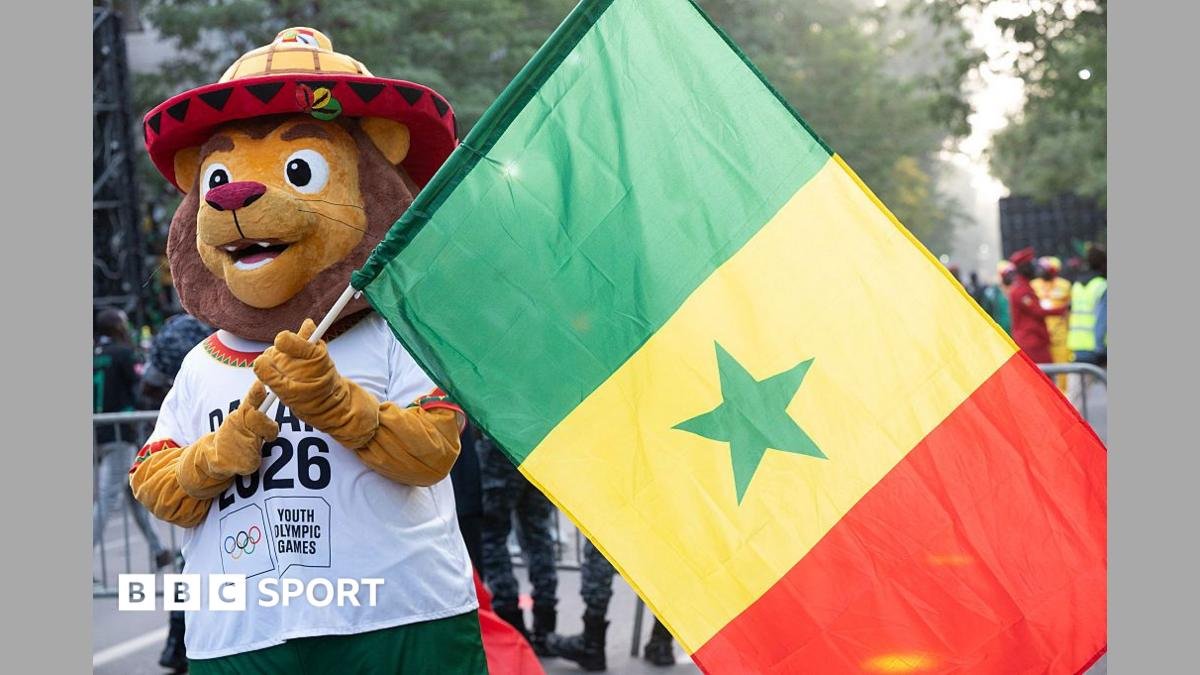
In the bustling streets of Dakar, where the rhythms of traditional drums mingle with the excited chatter of young athletes, the countdown to the Youth Olympic Games pulses like a heartbeat across Senegal. This is more than a sporting event; it is a continent-wide embrace of possibility, where the dreams of Africa's youth finally find a home on the global stage. As the days dwindle, the warmth of shared heritage and quiet determination fills every corner of the capital.
Dakar 2026: Africa's First Youth Olympic Games in 100 Days
Dakar, Senegal — With exactly 100 days until the Youth Olympic Games open, the Senegalese capital is preparing for a historic first that will echo across the continent and beyond.
The Historic Significance of Dakar 2026
The Dakar 2026 Youth Olympic Games mark the first time any Olympic event will take place on African soil. Senegal received the hosting rights in October 2018, with the original 2022 dates shifted to 2026 to allow more sustainable planning after the Covid-19 pandemic. The Games open on 31 October across venues in the capital and nearby towns.
International Olympic Committee official Christophe Dubi described the moment as monumental for the continent. Africa has produced global champions in athletics, football and boxing yet never hosted an Olympic competition until now. The entire continent will celebrate as Dakar welcomes the Olympic rings.
The arrival of the 2026 Youth Olympic Games marks a profound milestone for African sports, one that echoes across the continent with quiet pride. After several African nations, including Senegal in earlier bids, pursued this honor without success, the Olympic rings finally taking their place on the continent's soil symbolizes a long-awaited recognition of resilience and talent. It builds directly on the momentum from South Africa's 2010 FIFA World Cup, which first showcased the continent's capacity to host world-class events, and Morocco's 2019 African Games, which highlighted growing infrastructure and organizational strength across the region.
Senegal's sports culture runs deep through everyday life. From the thunderous cheers at traditional wrestling matches, known as la lutte, where young men and women embody strength and community spirit, to the passion for football that unites neighborhoods and the rising stars in basketball who dream of global courts, the country has always nurtured athletic excellence. The Youth Olympics now offers a platform to elevate these traditions onto the world stage, inspiring a new generation while honoring the cultural roots that make Senegalese sport so vibrant and communal.
Preparation and Venues Across Senegal
Thierno Cisse, deputy chief operating officer of the Local Organising Committee, confirms preparations remain firmly on track. Events will unfold at sites in Dakar itself as well as in Diamniadio and Saly. These locations allow the Games to reach beyond the capital while showcasing Senegalese infrastructure.
Organisers view the event as a regional project. Staff have been drawn from Ivory Coast, Mali, Burkina Faso, Togo and other nations to handle operations. This approach turns the Youth Olympics into a true African undertaking rather than a single-country effort.
Economic Impact on Senegal's Youth
Senegal's statistics and demographics agency reports unemployment among people aged 15-34 exceeds 27 percent, driven by limited stable opportunities at home. Dakar resident Issa Diao notes that events like this can create jobs for young people facing those pressures.
The Games arrive as many Senegalese seek ways to build futures locally. Training programmes launched by the IOC last year already target more than 400 young Africans in event operations, logistics, technology, accreditation and venue management. These skills aim to extend beyond the competition period.
The Youth Olympics is already creating tangible local pathways, with training programs reaching more than 400 young people across the continent in skills such as sports event management, digital media production, hospitality and sustainable tourism, and basic coaching certifications. These hands-on courses, delivered in partnership with local federations, directly address gaps in Senegal's economy where formal job creation has lagged behind a growing population.
Compared to Senegal's broader economy, which relies heavily on agriculture, fishing, and remittances, these initiatives represent a meaningful diversification. By investing in youth capabilities tied to the Games, the programme is building a foundation that can sustain employment long after the final medal is awarded, keeping more talented young people rooted in the communities they love.
Community Engagement Across the Continent
Thierno Cisse emphasises that the Local Organising Committee opened recruitment to the whole continent. Participants from multiple countries are contributing to logistics and management, reflecting shared ownership of the project.
Africa remains the world's youngest continent, with 70 percent of people in sub-Saharan regions under 30 according to United Nations data. The symbolism of hosting the global sports community carries particular weight for young populations across the region who see their own aspirations reflected in the event.
The Ambassadors and Role Models
High-profile figures appointed as ambassadors include Senegal football captain Kalidou Koulibaly, influencer Khaby Lame and French actor Omar Sy. The International Olympic Committee has also named 31 athlete role models to provide mentorship during the Games.
These appointments connect the event to both Senegalese sporting heritage and broader African cultural figures. Their involvement helps draw attention to the Youth Olympics while offering visible examples of success for young people navigating limited local opportunities.
Africa's Olympic Journey
Christophe Dubi highlighted that Africa has hosted many international competitions yet never one carrying the Olympic label until Dakar 2026. The continent's athletes have long excelled on the world stage, but the hosting milestone shifts the narrative from participation to organisation.
Local organisers stress their role as ambassadors for Africa during this period. The Games provide a platform to demonstrate high standards and regional cooperation, moving beyond individual national efforts toward a collective continental presence.
The Legacy Beyond the Games
Organisers hope the event will spotlight critical issues facing young people, including joblessness and irregular migration. By training hundreds in event-related skills, the programme seeks to leave lasting capacity in logistics and management across African nations.
The focus on sustainable planning from the outset aims to ensure benefits extend past the closing ceremony. For Senegal and its neighbours, the Youth Olympics represent both immediate visibility and longer-term investment in youth development across the continent.
The excitement of the 100-day countdown is already palpable in the streets, where communities gather to celebrate this shared milestone while carefully balancing the high expectations of international partners with the everyday realities of neighborhoods across the country. By focusing on projects that serve both the Games and daily life, such as improved roads and training centers that double as community hubs, the legacy strengthens Senegal from within, fostering pride and opportunity for years to come.
By Amara Diop, Staff WriterThis article was produced with AI-assisted research and editorial support. Reporting is based on sources cited in the article.
What's Your Reaction?
 Like
0
Like
0
 Dislike
0
Dislike
0
 Love
0
Love
0
 Funny
0
Funny
0
 Wow
0
Wow
0
 Sad
0
Sad
0
 Angry
0
Angry
0
West Africa/Sahel Correspondent at Global1.News. Dakar-based journalist covering politics, security, climate, and development across Francophone and Anglophone West Africa. Tells the stories of a region undergoing profound transformation.











Comments (0)