
EU Freezes Oil Price Cap at $44 as Greece Wins LNG Exemption in 21st Sanctions Package
The European Union agreed a 21st sanctions package against Russia, freezing the oil price cap at $44/barrel while granting Greece an Arctic LNG shipping exemption. The deal exposes internal EU divisions as members balance national interests against unified pressure on Moscow.
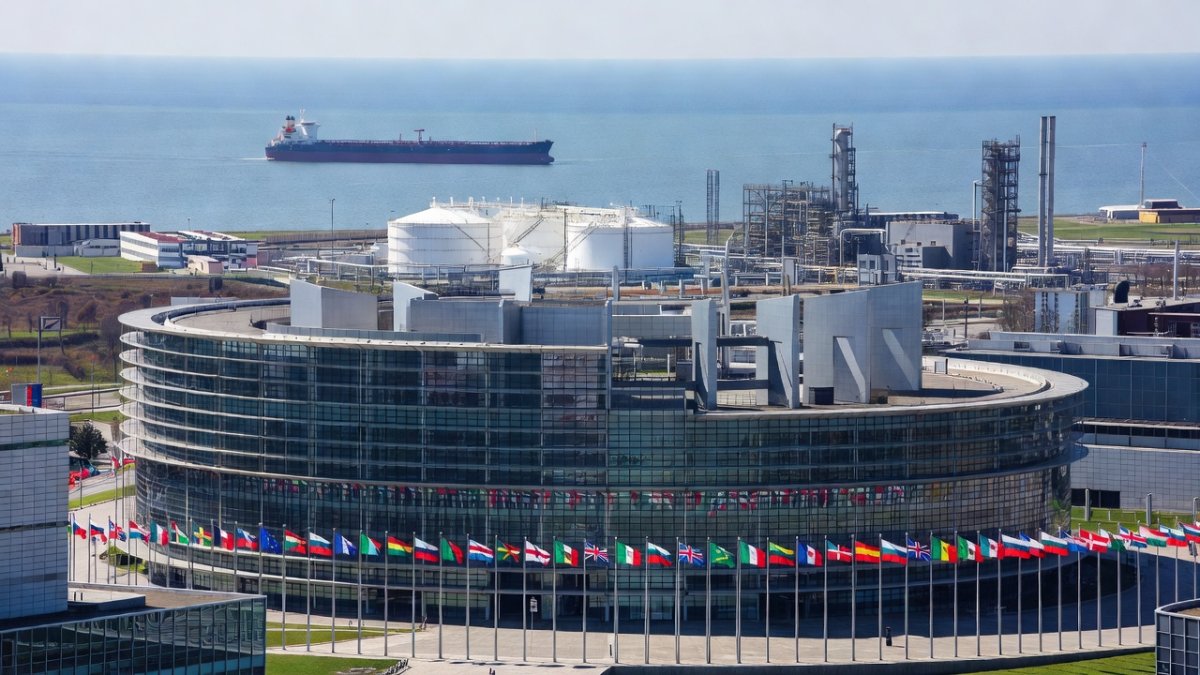
The European Union has locked in a new round of sanctions against Russia, freezing the crude oil price cap at $44 per barrel while carving out a key exemption for Greek shipping firms handling Arctic LNG cargoes. This 21st package underscores the bloc’s struggle to maintain unified pressure on Moscow’s war economy amid competing national interests. The measures target banks, shadow fleets, and energy revenues but reveal persistent gaps that Russia continues to exploit.
EU Freezes Oil Price Cap at $44 as Greece Wins LNG Exemption in 21st Sanctions Package
Brussels, Belgium — Article continues...
EU Secures Agreement on 21st Sanctions Package
European Union countries reached consensus on Thursday for a 21st package of sanctions targeting Russia over its invasion of Ukraine. European Council President António Costa announced the deal on social media following weeks of negotiations among the 27 member states.
Freezing the Russian Crude Oil Price Cap
The package freezes the Russian crude oil price cap at $44.10 per barrel for 12 months. This measure replaces the previous mechanism that allowed the cap to float every six months at 15 percent below the average market rate for Urals crude. EU officials stated that the earlier $60 cap had not sufficiently reduced Kremlin fuel revenues.
The floating cap mechanism previously adjusted the price ceiling biannually, pegging it 15 percent below the average Urals crude price to account for market fluctuations. This approach aimed to keep Russian oil competitive while limiting profits, yet it often allowed the Kremlin to maintain substantial revenues as global prices rose.
Urals crude, Russia's primary export blend, serves as a benchmark for its oil sales, particularly to Asian markets. By locking the cap at $44.10, the EU seeks to address the shortcomings of the initial $60 threshold, which failed to curb Moscow's ability to fund its military operations through energy exports.
Russia's 2026 federal budget projections hinge on an assumed Urals price of around $65 per barrel, meaning the frozen cap could significantly strain fiscal planning and force adjustments in military spending.
Greek Exemption for Arctic LNG Shipments
Greece secured an exemption permitting its shipping firms to continue transporting Russian liquefied natural gas from the Arctic. The arrangement specifically protects Dynagas, a company owned by Greek billionaire George Prokopiou. Dynagas vessels have completed 144 voyages carrying more than 10 million tons of Russian LNG since the start of 2025.
Greece blocked the package in mid-July to protect its shipping interests, highlighting the difficulties the EU faces in achieving unanimous consent among all 27 members on sensitive energy measures. National concerns over commercial losses repeatedly delayed agreement until exemptions were carved out.
This exemption raises concerns for the Arctic LNG 2 project, operated by Russia's Novatek, as it allows continued shipments that could sustain the facility despite broader sanctions. Similar protections have been extended to the Yamal LNG project, underscoring how national interests can dilute collective EU pressure.
The arrangement with Dynagas, owned by George Prokopiou, illustrates the complexities of targeting Russia's LNG exports while navigating internal EU divisions. Such carve-outs directly bolster Russia’s sanctions resilience by preserving revenue streams from Arctic projects even as the oil price cap tightens elsewhere, allowing Moscow to offset losses through parallel LNG channels and third-country buyers.
Restrictions on Russian Banks and Financial Services
The new measures ban transactions with 32 additional Russian banks. They also impose limits on cryptocurrency companies and oil trading platforms. Further rules target vessels that support Russia’s shadow fleet operations in energy exports.
Among the remaining unsanctioned banks are smaller institutions like Alfa-Bank and Tinkoff, though pressure mounts to include them in future rounds. Russia has increasingly turned to cryptocurrency exchanges and stablecoins to circumvent traditional banking restrictions, facilitating payments for dual-use goods and energy trades.
The shadow fleet, comprising aging tankers often registered under obscure flags, continues to transport discounted Russian oil, with new rules aiming to disrupt insurance and ownership networks that enable these operations.
Deferred Visa Ban and Blocked Designations
A proposed sweeping visa ban for Russian soldiers was deferred after Italy and France raised objections. Bulgaria blocked efforts to blacklist Russian Orthodox Patriarch Kirill. Portugal and France prevented a ban on imports of Russian cod and Alaskan pollock.
EU Leaders Assess Impact on Russian War Economy
European Commission President Ursula von der Leyen stated that freezing the oil price cap adjustment for a year would prevent the Russian war machine from benefiting from market shocks. She added that the sanctions continue to weaken the economic foundations of Russia’s war effort.
Von der Leyen's remarks come amid intensified Ukrainian drone strikes on Russian energy infrastructure, amplifying the potential impact of the sanctions by compounding physical disruptions to refineries and export terminals. The timing suggests a coordinated effort to exploit Russia's vulnerabilities on multiple fronts.
Whether this package alters Moscow's war calculus remains uncertain, as previous measures have been absorbed through economic pivots, though sustained pressure on oil revenues could eventually constrain funding for prolonged military engagements. The Greek LNG exemption, however, demonstrates how internal EU compromises can blunt the overall effect, enabling Russia to maintain select energy exports that feed back into its war financing despite the frozen cap.
Russia’s Record of Sanctions Resilience
Russia has managed to weather years of Western sanctions through adaptation in energy markets and parallel import channels. Kremlin sources have indicated that energy revenues remain central to funding military operations and maintaining domestic stability. EU diplomats acknowledge that after 21 rounds, securing unanimous agreement among all member states has grown more difficult.
Parallel import channels through third countries have allowed Russia to secure critical components for its defense industry, while surging trade with China has redirected oil flows eastward. India has emerged as a major buyer, purchasing Urals crude at prices as low as $44 per barrel, bolstering Moscow's revenues.
Despite these adaptations, Russia's current account has swung into deficit amid capital outflows, even as GDP grew 3.6 percent in 2025. Persistent high inflation, however, erodes household purchasing power and complicates the Kremlin's efforts to sustain long-term economic stability under sanctions. The persistence of exemptions like Greece’s LNG deal further illustrates how targeted national interests within the EU inadvertently support Russia’s ability to reroute and sustain energy income.
Effects on Russian Energy Sector and Domestic Conditions
The cumulative sanctions have placed pressure on Russia’s energy infrastructure and export logistics. Ukraine’s drone campaign has struck oil refineries, fuel supply lines, and commercial hubs inside Russia. Ordinary Russians face higher costs for imported goods and reduced access to certain financial services, though state support mechanisms have cushioned some households.
Kremlin Response and Future Outlook
Analysts suggest the Kremlin will likely accelerate efforts to reroute energy sales through non-Western buyers and expand its shadow fleet capacity. This approach could indicate continued Russian determination to sustain war financing despite the latest restrictions. The package reflects ongoing EU attempts to limit revenue flows while navigating internal divisions over specific measures.
By Irina Volkov, Staff WriterThis article was produced with AI-assisted research and editorial support. Reporting is based on sources cited in the article.
What's Your Reaction?
 Like
0
Like
0
 Dislike
0
Dislike
0
 Love
0
Love
0
 Funny
0
Funny
0
 Wow
0
Wow
0
 Sad
0
Sad
0
 Angry
0
Angry
0
Russia/Eastern Europe Correspondent at Global1.News. Covering Russian politics, energy, security, and the shifting dynamics of the post-Soviet space. Provides clear-eyed analysis on one of the world's most opaque regions.









Comments (0)