
Meta Files Contempt Complaint Against Israeli Spyware Firm NSO Group
Meta Files Contempt Complaint Against NSO Group On Monday, Meta announced its intention to file a contempt complaint in the United States court system against NSO Group, the Israeli company known for developing the Pegasus spyware. The move follows accusations that NSO has violated an existing court order that explicitly prohibits the targeting of WhatsApp users. According to M
Meta Files Contempt Complaint Against NSO Group
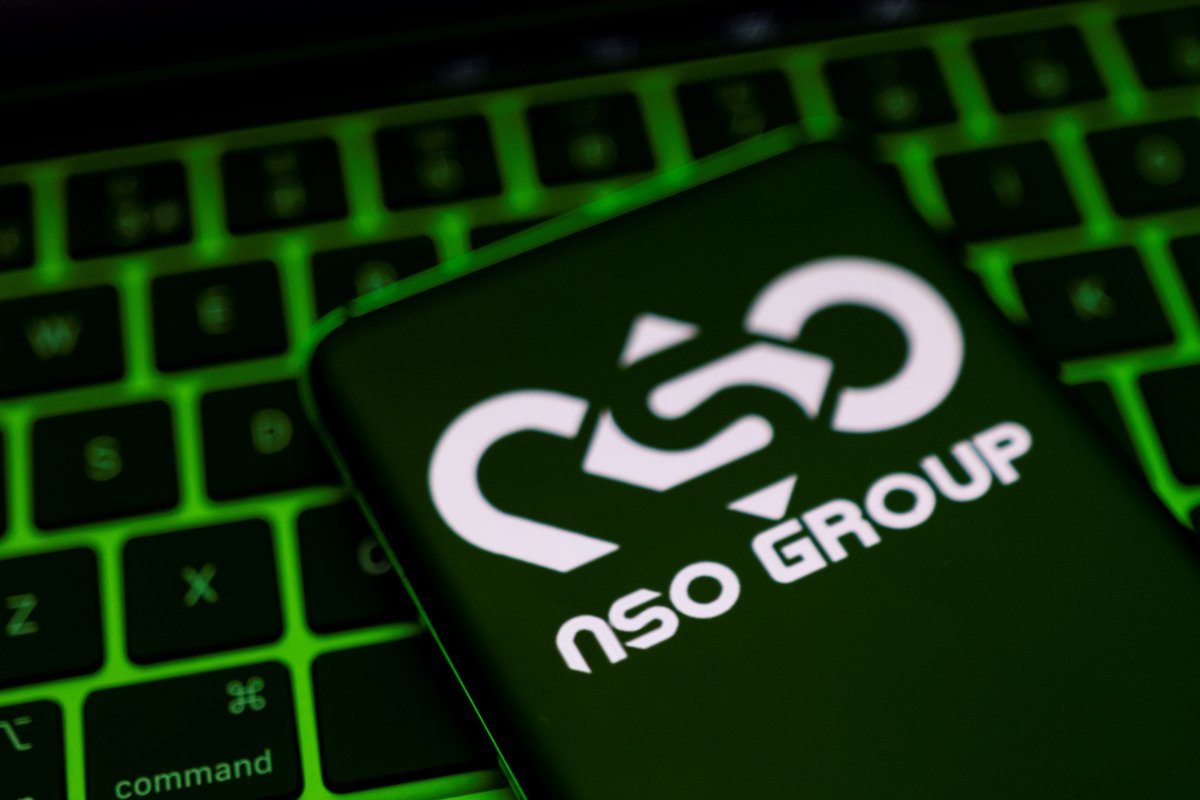
On Monday, Meta announced its intention to file a contempt complaint in the United States court system against NSO Group, the Israeli company known for developing the Pegasus spyware. The move follows accusations that NSO has violated an existing court order that explicitly prohibits the targeting of WhatsApp users. According to Meta, the Israeli firm has engaged in a phishing campaign designed to deceive users into clicking malicious links that lead to compromised websites. This activity allegedly includes testing NSO products directly on WhatsApp accounts and groups, actions that directly contravene the prior judicial restrictions placed on the company.
Meta's statement emphasizes that the company continues to prioritize user protection, noting that WhatsApp maintains default end-to-end encryption for personal messages and calls. The firm urged users to keep applications and devices updated while reporting any suspicious activity for swift investigation. By seeking a contempt ruling from the US justice system, Meta aims to enforce compliance and deter further violations. This development places renewed scrutiny on NSO Group, an entity based in Israel, and highlights ongoing tensions between commercial spyware operations and the security protocols of major technology platforms.
From an Israeli perspective, the complaint carries significant weight for national security considerations and diplomatic relations with the United States. NSO Group's activities have long intersected with Israel's broader cyber ecosystem, where technological innovation supports defense capabilities. The filing underscores how legal challenges in American courts can influence Israel's strategic positioning in global technology markets. Israeli officials must navigate these disputes carefully to preserve export opportunities while addressing concerns over misuse of surveillance tools. The case also reflects wider debates within Israel about balancing offensive cyber capabilities with international regulatory pressures that affect bilateral ties.
Meta's decision to pursue contempt proceedings signals a determination to uphold judicial boundaries against entities that develop tools capable of bypassing platform safeguards. For WhatsApp users worldwide, the episode reinforces the importance of encryption as a baseline defense. Yet the involvement of an Israeli company draws attention to how domestic cyber industries in Israel face external legal and political challenges that extend beyond technical matters into questions of statecraft and economic resilience.
The History: A Six-Year Legal Battle and $167 Million Settlement
The current contempt complaint builds upon a protracted legal conflict that originated in 2019, when Meta engineers identified and halted an attack involving NSO Group's Pegasus spyware targeting over a thousand WhatsApp users. That initial detection triggered a six-year legal battle culminating in a settlement last year, under which NSO Group paid Meta $167 million in damages for harm inflicted on platform users. The resolution also resulted in the United States government blacklisting NSO as an entity engaged in activities deemed contrary to American national security interests.
This precedent established important boundaries for spyware developers operating across international jurisdictions. The 2019 incident revealed the extent to which commercial surveillance tools could exploit messaging platforms, prompting Meta to pursue aggressive litigation. The eventual financial penalty and blacklisting demonstrated that US authorities would impose tangible consequences on firms whose products facilitate unauthorized access to protected communications. For Israel, the outcome of that earlier case illustrated the risks associated with cyber technology exports when they intersect with American regulatory frameworks.
Israeli security policy has historically viewed advanced cyber tools as essential components of national defense, particularly given regional threats. The blacklisting of NSO Group under the previous US administration highlighted how such measures can constrain Israeli companies even when their products serve legitimate governmental clients. The six-year duration of the dispute allowed both sides to present extensive evidence, ultimately shaping a settlement that included substantial reparations. This history now informs the new contempt filing, as Meta argues that NSO has not fully adhered to the restrictions imposed by the court.
The financial and reputational costs borne by NSO Group serve as a cautionary example for Israel's technology sector. Policymakers in Jerusalem must weigh the benefits of cyber innovation against the potential for diplomatic friction with key allies. The $167 million settlement and subsequent blacklisting underscored that legal accountability extends beyond Israeli borders, affecting how the country positions itself in global cybersecurity discussions. These developments continue to influence export control policies and bilateral technology cooperation between Israel and the United States.
How Pegasus Spyware Works: Zero-Day Vulnerabilities
Pegasus spyware developed by NSO Group operates by exploiting vulnerabilities in mobile operating systems, particularly zero-day flaws in iOS and Android platforms. These zero-day vulnerabilities represent undiscovered loopholes that have not yet been identified or patched by manufacturers such as Google or Apple. Because they remain unknown to the companies responsible for the software, they provide an entry point for offensive cyber operations that bypass conventional security measures. The tool performs actions that, absent authorization, would constitute criminal violations under applicable laws.
NSO Group's technology exemplifies offensive cyber software, meaning it is engineered to compromise existing defenses rather than to protect systems from external threats. By leveraging these zero-day exploits, Pegasus can infiltrate devices without user interaction beyond the initial phishing vector described in Meta's complaint. The sophistication of such tools lies in their ability to remain undetected while extracting data or enabling surveillance. This technical approach has drawn attention from regulators and technology companies alike, as it challenges the integrity of widely used communication platforms.
From Israel's standpoint, the development of such advanced capabilities reflects the country's emphasis on maintaining qualitative edges in cybersecurity amid persistent regional security challenges. Israeli defense establishments have long supported research into sophisticated digital tools that can address intelligence requirements. However, the dual-use nature of these technologies creates ongoing dilemmas regarding export oversight and international perceptions. The exploitation of zero-day vulnerabilities raises questions about responsible disclosure and the broader ecosystem of vulnerability management that affects both commercial and governmental actors.
The value of zero-day exploits stems from their rarity and the difficulty of remediation once identified. Manufacturers must allocate substantial resources to close these gaps after they become public, yet the window of opportunity they provide to operators remains a central feature of offensive cyber strategies. NSO Group's reliance on these methods has placed its products at the center of debates over privacy, security, and the legal frameworks governing cross-border technology transfers. Israeli authorities continue to monitor how such tools influence the nation's standing in global cyber diplomacy.
Implications for Israel's Cyber and Tech Sector
NSO Group operates as a Herzliya-based Israeli company whose activities have placed it at the intersection of technological achievement and regulatory scrutiny. Israel's emergence as a global cyber power rests on decades of investment in research, education, and defense-related innovation. The current contempt complaint filed by Meta adds another layer of complexity to an industry that contributes significantly to the national economy and security apparatus. Policymakers must consider how repeated legal challenges in foreign courts affect the competitiveness of Israeli firms in international markets.
The Defense Ministry maintains export controls on cyber tools to ensure that sensitive technologies do not reach unauthorized end users. These mechanisms aim to align commercial activities with national interests while mitigating risks of misuse. The NSO controversy has prompted renewed discussion within Israel about the adequacy of existing oversight frameworks and the potential need for enhanced coordination between government agencies and private sector entities. Such measures seek to preserve Israel's reputation for responsible innovation amid growing global attention to spyware-related incidents.
Israeli technology companies face a delicate balance between advancing cutting-edge capabilities and navigating the diplomatic consequences of their deployment. The blacklisting of NSO Group by the United States government illustrated how regulatory actions abroad can limit market access and collaboration opportunities. This dynamic influences investment decisions and talent recruitment within the sector, as firms weigh the benefits of offensive cyber development against potential reputational costs. Israel's strategic environment, characterized by unique security requirements, continues to drive demand for sophisticated tools even as external pressures mount.
The tension between innovation and regulation remains a defining feature of Israel's cyber landscape. Government officials have emphasized the importance of maintaining technological superiority while adhering to international norms that govern technology transfers. The Meta complaint serves as a reminder that legal accountability in American jurisdictions can reverberate through Israeli boardrooms and policy circles. Sustaining the sector's vitality requires ongoing adaptation to evolving legal and political realities that extend well beyond technical considerations.
Meta's Broader Campaign Against Spyware
Meta has pursued a sustained legal and technical strategy to counter spyware threats targeting its platforms, with the current contempt complaint against NSO Group representing the latest step in this effort. The company's actions reflect a determination to protect the integrity of WhatsApp and other services through both litigation and the reinforcement of encryption standards. By highlighting the phishing campaign and unauthorized testing on user accounts, Meta seeks to establish clear precedents that deter future violations by commercial surveillance providers.
End-to-end encryption serves as a foundational defense within Meta's approach, ensuring that personal communications remain inaccessible to intermediaries. The company's public statements encourage users to maintain updated software and report anomalies, thereby fostering a collaborative security posture. This broader campaign extends beyond the NSO dispute to encompass other actors who develop tools capable of undermining platform protections. The legal strategy employed against NSO demonstrates Meta's willingness to leverage judicial mechanisms in multiple jurisdictions to achieve compliance.
For Israeli observers, Meta's campaign illustrates the challenges that confront technology firms operating in an environment where commercial products can intersect with state intelligence activities. Israel's security doctrine places considerable value on cyber capabilities, yet the responses from major platforms indicate that such tools encounter resistance when they affect global user bases. The emphasis on encryption and proactive detection measures by Meta aligns with wider industry trends toward hardening digital infrastructure against sophisticated threats.
The implications for digital privacy extend to users across the Middle East and beyond, where concerns about surveillance intersect with political and social dynamics. Meta's actions contribute to an evolving framework of accountability that holds spyware developers responsible for the downstream effects of their technologies. This campaign reinforces the principle that platform operators retain authority to defend their ecosystems, even when confronting entities backed by considerable technical expertise. The ongoing legal engagement shapes expectations for how similar disputes may unfold in the future.
Diplomatic Dimensions: Israeli-US Relations and Cybersecurity
The United States blacklisted NSO Group during the Biden administration, a decision that Israel did not seek to block despite the company's Israeli origins. This episode highlighted the delicate equilibrium that characterizes Israeli-American technology relations, where shared strategic interests coexist with divergent regulatory priorities. Cybersecurity cooperation between the two nations has historically encompassed intelligence sharing and joint research, yet cases involving commercial spyware introduce additional friction that requires careful management by diplomats and policymakers.
Israeli officials have consistently emphasized the importance of maintaining open channels for cyber exports while respecting the sovereign decisions of allied governments. The blacklisting and subsequent legal proceedings underscore how American national security assessments can influence the operational space available to Israeli firms. This dynamic affects not only NSO Group but also the wider ecosystem of companies engaged in similar fields, prompting discussions about diversification of markets and alignment with emerging international standards.
Cyber diplomacy plays a central role in Israel's strategic positioning, as technological partnerships contribute to both economic growth and security partnerships. The current contempt complaint filed by Meta adds momentum to conversations about how best to structure export controls and oversight mechanisms that satisfy both domestic requirements and foreign expectations. Israeli leaders must balance the imperative to support innovative industries with the need to avoid prolonged disputes that could strain relations with the United States.
Future Israeli cyber exports will likely face heightened scrutiny as a result of these developments. The interplay between commercial activities and governmental policy continues to evolve, with each legal action serving as a reference point for subsequent negotiations. Maintaining robust bilateral ties in the cybersecurity domain requires sustained attention to transparency, accountability, and mutual recognition of security concerns that affect both nations. The Meta complaint thus forms part of a larger pattern of interaction that shapes Israel's role in global technology governance.
By Hannah Berg, Staff WriterThis article was produced with AI-assisted research and editorial support. Reporting is based on sources cited in the article.
What's Your Reaction?
 Like
0
Like
0
 Dislike
0
Dislike
0
 Love
0
Love
0
 Funny
0
Funny
0
 Wow
0
Wow
0
 Sad
0
Sad
0
 Angry
0
Angry
0

Israel Correspondent at Global1.News. Based in Tel Aviv, covering Israeli politics, security, technology, and society. Provides balanced, deeply-sourced reporting on one of the most closely-watched regions in the world.















Comments (0)