
Spain's World Cup Win Sparks South African Football Rethink
The world of football witnessed a historic clash as Spain defeated Argentina 1-0 after extra time in the 2026 FIFA World Cup final at MetLife Stadium, but here in South Africa the result carries deeper meaning for Bafana Bafana and the entire DStv Premiership landscape. Spain's triumph, built on youth excellence and possession dominance, offers a blueprint that SAFA must study urgently if we are to build on our Round of 32 achievement.
The world of football witnessed a historic clash as Spain defeated Argentina 1-0 after extra time in the 2026 FIFA World Cup final at MetLife Stadium, but here in South Africa the result carries deeper meaning for Bafana Bafana and the entire DStv Premiership landscape. Spain's triumph, built on youth excellence and possession dominance, offers a blueprint that SAFA must study urgently if we are to build on our Round of 32 achievement. This victory echoes the 2010 final that united our nation and reminds us how sport can transform communities from Cape Town to Johannesburg.
Spain's World Cup Win Sparks SA Football Rethink
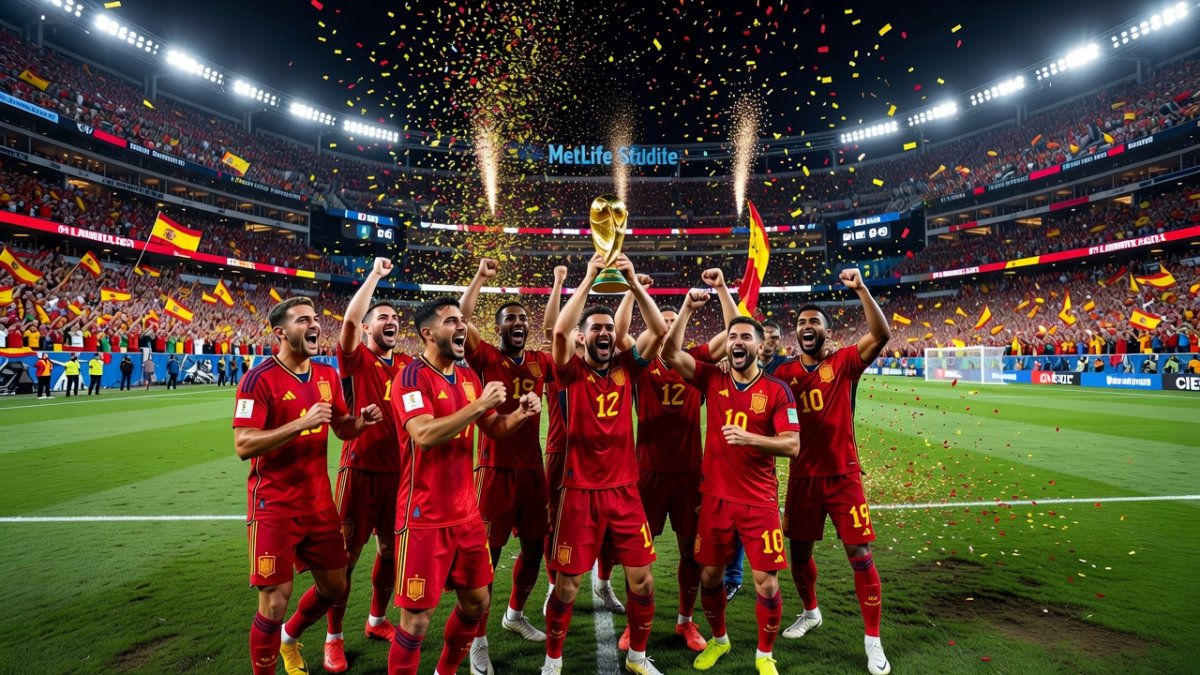
Johannesburg, South Africa — Spain claimed their second men's World Cup title with a 1-0 extra-time victory over Argentina at MetLife Stadium in East Rutherford, New Jersey on July 19, 2026, thanks to Ferran Torres' 106th-minute goal assisted by Nico Williams from Pedro Porro's cross. The match highlighted Spain's 65% possession, 1.94 xG, 20 shots with 11 on target, and 852 passes against Argentina's 464 passes and zero shots on target in the first 90 minutes. Enzo Fernandez received a red card in the 90th minute for a second yellow, while Leandro Paredes threw punches after the final whistle. Unai Simon earned the Golden Glove with seven clean sheets in eight matches and just one goal conceded all tournament. Pau Cubarsi, aged 19, was named Young Player of the Tournament after completing 121 passes in the final, and Lamine Yamal, also 19, won the Golden Ball as the third-youngest World Cup finalist after Pele and Bergomi. Rodri lifted the trophy after 101 passes in the final. Spain became the first nation to win both men's and women's World Cups, adding Olympic and European titles for 16 major trophies in five years across men's and women's football, while remaining unbeaten in 38 matches, the longest streak by any European team. They opened with a 0-0 draw against Cape Verde, mirroring their 2010 start when they lost to Switzerland.
Match Stats Reveal Spain's Total Dominance
Spain controlled every phase of the game with 65 percent possession and generated 1.94 expected goals from 20 shots, 11 of which tested the goalkeeper. Their 852 passes created constant pressure that left Argentina with only 464 passes and no shots on target before extra time. The 106th-minute winner came when Nico Williams headed back Pedro Porro's cross for Ferran Torres to finish. Enzo Fernandez's 90th-minute dismissal for a second yellow card shifted momentum further, and post-match scenes of Leandro Paredes throwing punches underscored Argentina's frustration. These numbers show a European side that turned technical superiority into a second World Cup title, something South African coaches must analyze when preparing for AFCON qualifiers.
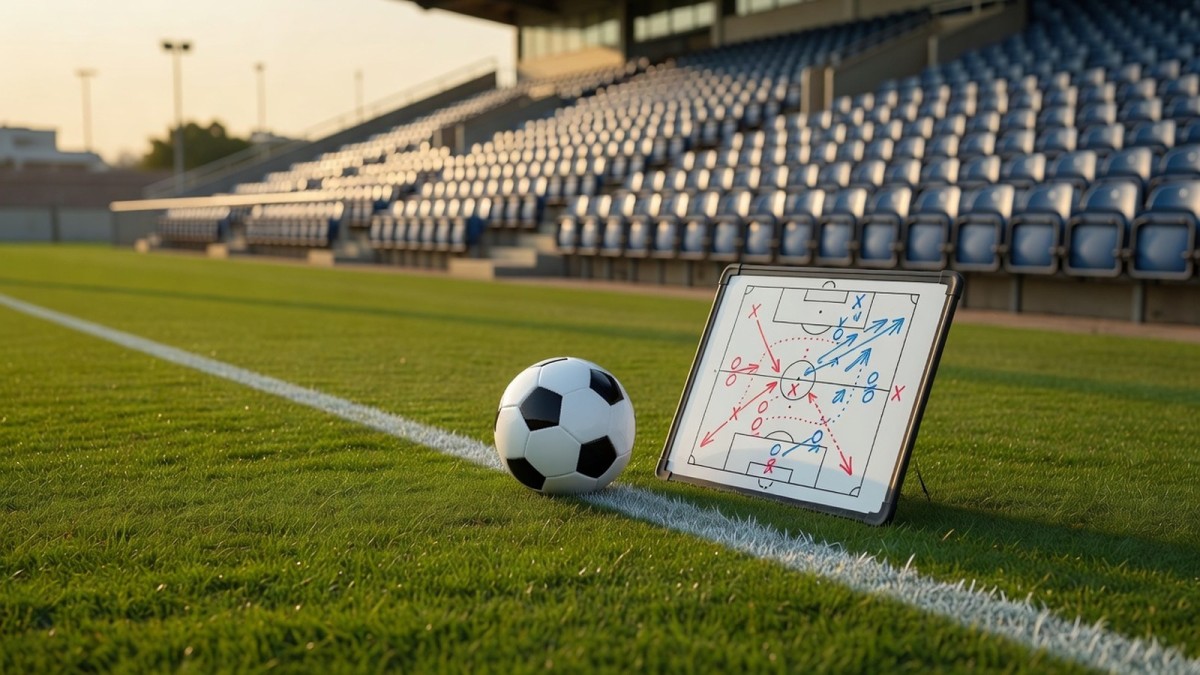
Spain's 4-3-3 formation sliced through Argentina's compact 5-3-2 shell with ruthless precision, using inverted full-backs to create overloads in midfield that left the South Americans chasing shadows for long stretches. The positional discipline allowed Spain to maintain 68% possession while triggering high presses exactly when the ball entered the defensive third, a pattern SuperSport analysts have urged South African coaches to study frame-by-frame from the Cape Verde opener.
Unai Simon's Golden Glove campaign, built on seven clean sheets and just one goal conceded, echoes the tournament-defining runs of keepers like Buffon in 2006, yet his distribution from the back added a modern layer that turned defence into attack within seconds. South African tacticians watching replays should note how his quick throws sparked transitions that punished teams sitting deep, a lesson Broos can apply after the frustrating 0-0 draw where patience eventually paid off.
The Cape Verde match exposed Spain's early sluggishness in the expanded tournament, but their refusal to force play allowed Broos to see how sustained pressure eventually cracked organised defences. Local coaches on the DStv Premiership circuit would benefit from dissecting those pressing triggers, adapting them to the physical demands of South African pitches where similar low blocks often frustrate attacking sides.
Youth Stars Deliver Historic Individual Awards
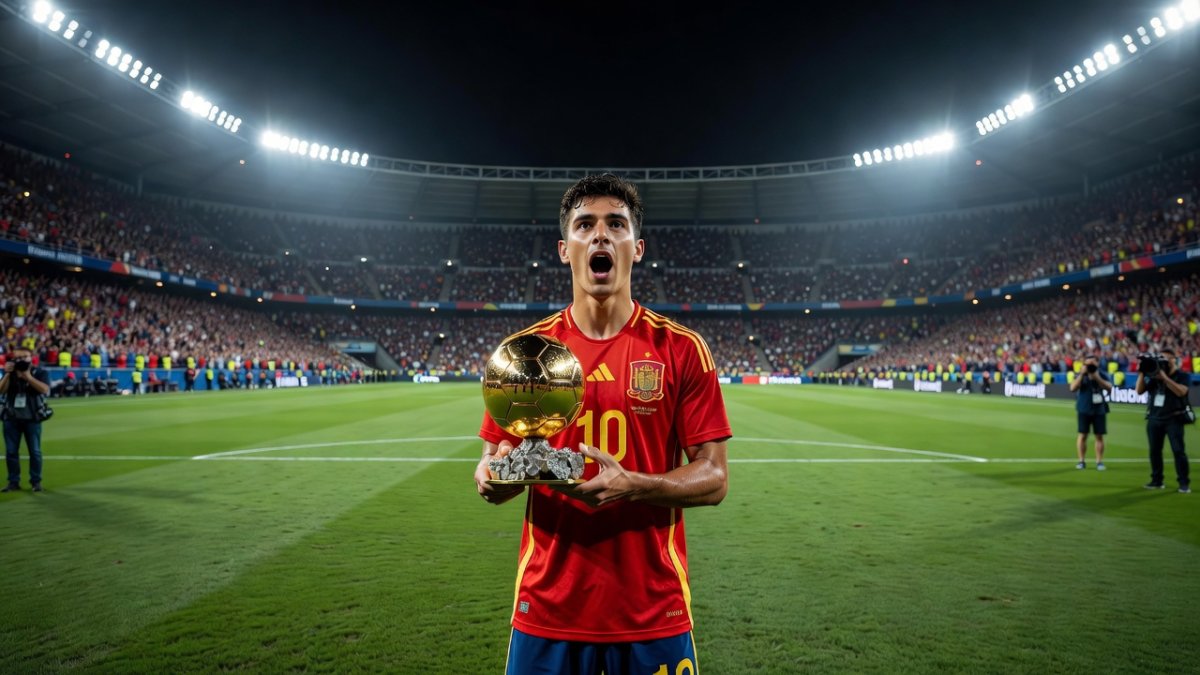
At just 19 years old, Pau Cubarsi earned Young Player of the Tournament honors after completing 121 passes in the final, while Lamine Yamal claimed the Golden Ball as the third-youngest World Cup finalist in history behind only Pele and Bergomi. Unai Simon secured the Golden Glove with seven clean sheets across eight matches and a single goal conceded throughout the entire competition. Rodri, the midfield anchor, contributed 101 passes in the final before lifting the trophy. These achievements highlight Spain's academy pathway that produces ready-made senior internationals, a model the DStv Premiership clubs like Mamelodi Sundowns and Orlando Pirates should replicate through better under-23 structures.
Bafana Bafana's Round of 32 Run Offers Hope
Bafana Bafana reached the Round of 32 for the first time in four World Cup attempts after beating South Korea 1-0 through Thapelo Maseko's goal before falling 0-1 to Canada. This progress came in the expanded 48-team tournament where debutants Cape Verde held Spain and Uruguay while forcing Argentina into extra time. The achievement proves South African talent can compete globally when given structure. Jayden Adams of Mamelodi Sundowns, aged 25, passed away after the tournament, a tragic loss that has left the local football family mourning while pushing for better player welfare programs across the Premiership.
Bafana Bafana's qualification path through strong AFCON showings built the momentum that carried them into the 2026 group stage, where disciplined defending and opportunistic counters kept them competitive against stronger nations. The expanded 48-team format opened doors for sides like Cape Verde and Morocco, proving that African teams can now reach the knockout rounds with the right preparation and belief.
Thapelo Maseko's stunning strike against South Korea in the group phase highlighted a maturing attack, his low-driven finish from the edge of the box coming after sustained pressure that mirrored the patience Spain showed in their opener. That moment lifted the entire nation and showed how individual brilliance can emerge when the collective structure holds firm.
Jayden Adams' journey from Mamelodi Sundowns' youth ranks to the World Cup stage ended in tragedy, yet his story underscores the talent pipeline that SAFA must protect and expand ahead of 2030. The federation needs targeted investment in scouting networks and medical support to ensure such losses do not derail the next generation of players carrying South African hopes.
2010 Memories Connect Spain's Success to SA Unity
South Africans still recall Andres Iniesta's 2010 final winner against the Netherlands at Soccer City, a moment that united the rainbow nation during the first African World Cup. Spain's current unbeaten run of 38 matches and 16 titles in five years across both genders shows sustained excellence that began with that 2010 squad. Their 0-0 draw with Cape Verde in the 2026 opener mirrored the 2010 Switzerland setback, proving even champions face early tests. These parallels offer SAFA a chance to build national unity through possession-based football that mirrors the inclusive spirit of 2010.
Academy Lessons for SAFA and Grassroots Growth
Spain's success stems from a possession-based system and academy structure that develops players like the 19-year-old stars who dominated the final. South African football can adopt similar long-term planning at SAFA and club level to improve transformation and grassroots participation. The DStv Premiership needs better scouting networks and youth coaching education to mirror Spain's output. SuperSport's broadcast reached millions across Africa, giving local fans direct access to these tactical lessons that could elevate our domestic game.
La Masia's emphasis on technical mastery from age eight, Real Madrid's Valdebebas focus on holistic player development, and Athletic Bilbao's strict cantera policy of nurturing local talent offer clear blueprints that DStv Premiership clubs can scale to South African budgets by prioritising school partnerships over expensive foreign imports.
The Sports Ministry and SASCOC must increase grassroots funding to mirror Spain's model, directing resources toward facilities in townships where raw talent often goes unnoticed. Case studies from Mamelodi Sundowns' academy and Kaizer Chiefs' development programmes already show promise, while Stars of Africa has produced players who thrive when given structured pathways rather than rushed senior exposure.
Spain's merit-based system allowed diverse talent to rise without rigid quotas, a contrast that challenges SAFA to balance transformation goals with performance standards so that skill, not checkboxes, drives selection at every level.
Broadcast Reach and National Pride Across Africa
SuperSport delivered wall-to-wall coverage of the 48-team tournament to households from Johannesburg to Lagos, allowing South African viewers to study Spain's 852-pass masterclass. The first-ever halftime show featuring Shakira, Justin Bieber, BTS, Post Malone and Swae Lee added global entertainment, while US-style championship rings and Donald Trump's attendance highlighted the event's spectacle against the backdrop of US-Iran tensions. These elements show how football creates shared moments that transcend borders, inspiring South Africans to demand more investment in our own national team infrastructure.
SuperSport's record viewership for the final, with millions tuning in across the continent, demonstrated how the tournament's reach fuels dreams in remote villages and urban townships alike. Those broadcasts sparked immediate spikes in grassroots registrations, proving that seeing African sides compete at the highest level translates directly into boots on the pitch.
The halftime spectacle featuring Shakira, Justin Bieber and BTS blended global sounds with African rhythms, creating a cultural moment that resonated far beyond the stadium and reminded viewers of football's power to unite. Yet the introduction of championship rings felt like an unnecessary American import that clashed with the tournament's traditional values.
Donald Trump's presence amid the US-Iran tensions added a tense political layer, especially after Iran's early exit, while performances from Cape Verde, Morocco, South Africa and Senegal showcased Africa's growing depth. These moments should push SAFA to secure better broadcast deals and youth investment so the continent's next World Cup cycle builds on this visible pride.
Spain's victory proves that patient youth investment and tactical discipline produce lasting success, lessons that SAFA must apply immediately to build on Bafana Bafana's Round of 32 milestone and honor the memory of players like Jayden Adams. With the right academy reforms and grassroots focus, South Africa can chase its own major titles while fostering the unity that defined 2010. The road ahead starts with implementing these proven methods at every level of our game.
By Dante Williams, Staff Writer
This article was produced with AI-assisted research and editorial support. Reporting is based on sources cited in the article.
What's Your Reaction?
 Like
0
Like
0
 Dislike
0
Dislike
0
 Love
0
Love
0
 Funny
0
Funny
0
 Wow
0
Wow
0
 Sad
0
Sad
0
 Angry
0
Angry
0

Breaking News and Investigations Correspondent at Global1.News. Based in London, covering global breaking news, security, and investigative stories. Known for digging deeper and connecting the dots across continents.










Comments (0)