
Herzog Warns Elections Aren't Civil War
In a recent i24NEWS report, Jonathan Javor joined Benita Levin to discuss President Isaac Herzog's national address on Tuesday, July 21, 2026. The segment examined Herzog's warnings about threats to Israel's upcoming elections and his appeal for national unity ahead of the vote. This coverage comes as the country navigates a tense political period following the Knesset's dissolution the previous week.
In a recent i24NEWS report, Jonathan Javor joined Benita Levin to discuss President Isaac Herzog's national address on Tuesday, July 21, 2026. The segment examined Herzog's warnings about threats to Israel's upcoming elections and his appeal for national unity ahead of the vote. This coverage comes as the country navigates a tense political period following the Knesset's dissolution the previous week.
Herzog's Election Warning: A Nation at a Crossroads
Jerusalem, Israel — President Isaac Herzog delivered a national address on Tuesday, July 21, 2026, the night before Tisha B'Av, cautioning against various threats to the integrity of the elections, both internal and external. The speech came two weeks after briefings from Shin Bet head David Zini and Central Elections Committee chairman Justice Noam Sohlberg on those risks. Herzog stressed that the October 27, 2026, national elections must proceed without descending into division.
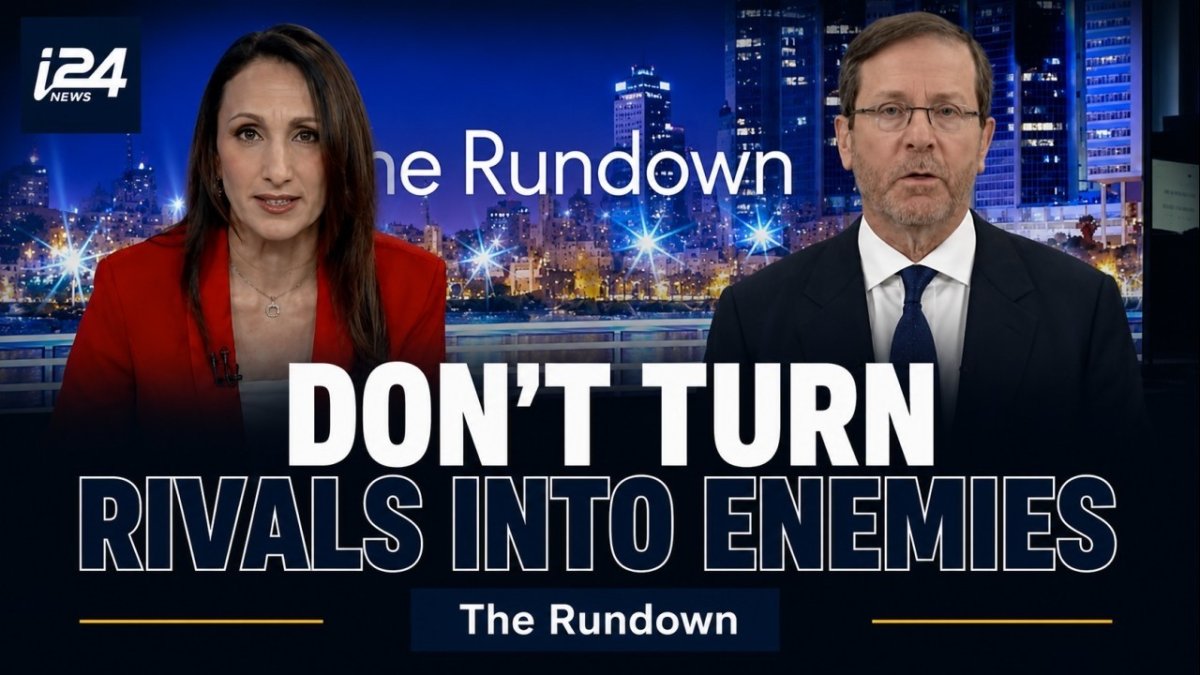
Herzog's Address: A Call for Unity
President Isaac Herzog used his platform to urge Israelis to prioritize democratic processes over conflict. He stated, "Elections are not a civil war. Elections are the test of Israeli democracy." The address framed the upcoming vote as a critical moment for the country's institutions, especially with the Knesset having been dissolved the previous week. Herzog positioned unity as essential to safeguarding the electoral timeline set for October 27, 2026.
Throughout the speech, Herzog referenced the briefings he received from security and electoral officials. These sessions two weeks earlier outlined potential disruptions that could undermine public confidence. By speaking on the eve of Tisha B'Av, he connected contemporary challenges to the need for collective restraint. The president avoided naming specific actors but emphasized that both internal and external pressures required vigilance from all citizens.
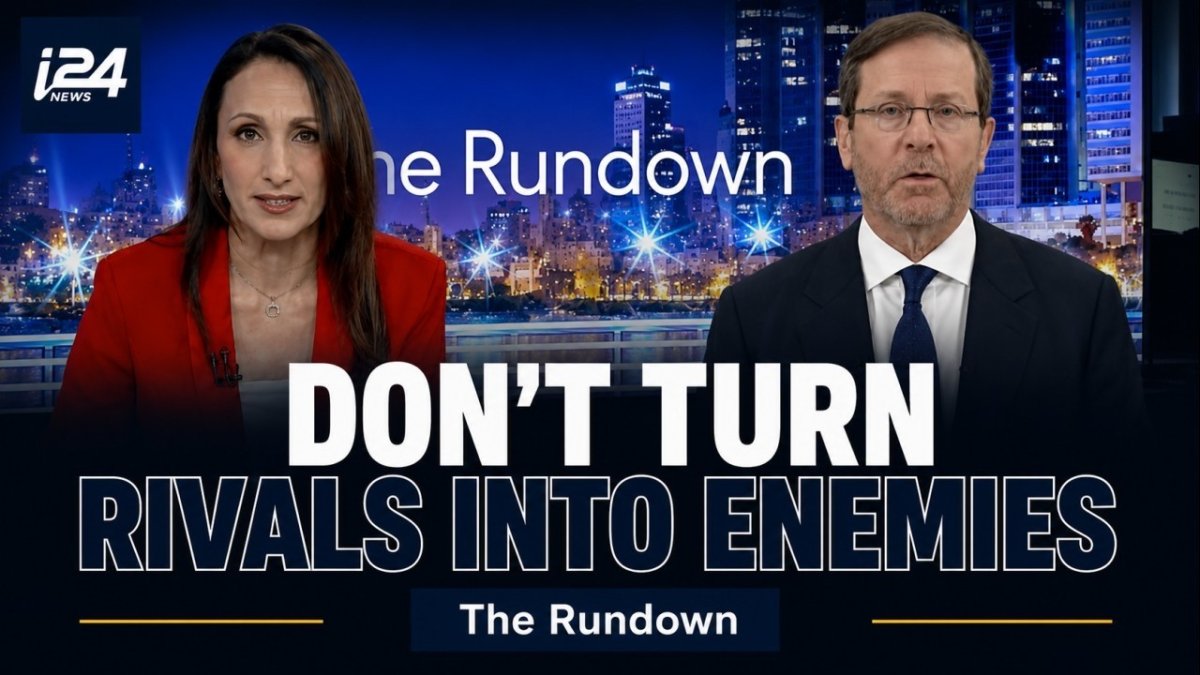
Internal and External Threats to the Election
Herzog disclosed that Shin Bet head David Zini and Central Elections Committee chairman Justice Noam Sohlberg had briefed him two weeks prior on threats to the elections. The warnings covered a range of internal and external risks that could affect the October 27, 2026, vote. These briefings informed the president's decision to address the nation directly on July 21, 2026.
The president described the threats as multifaceted, requiring coordinated responses from state institutions. With the Knesset dissolved the previous week, the electoral framework now operates under heightened scrutiny. Herzog called on Israelis to reject actions that could erode trust in the process, reinforcing that the integrity of the vote remains paramount.
Security officials have flagged foreign influence operations on social media platforms as a growing external risk, while domestic actors continue to test legal boundaries around campaign financing and protest rights. These overlapping pressures have prompted the Central Elections Committee to accelerate training for poll workers and increase monitoring of online content in the weeks ahead.
Violence on the Streets: Ultra-Orthodox Protests
Ultra-Orthodox protests against mandatory military conscription have escalated in recent weeks, turning violent in several incidents. Demonstrators breached a military prison fence during one such event, highlighting tensions surrounding conscription policies. These clashes occur against the backdrop of the upcoming elections scheduled for October 27, 2026.
Herzog's address implicitly addressed the broader climate of unrest by stressing the importance of peaceful democratic participation. The protests reflect ongoing societal divisions that could intersect with electoral preparations following the Knesset's dissolution the previous week. Officials continue to monitor how such street actions might influence the national mood ahead of the vote.
The current wave of ultra-Orthodox demonstrations was triggered by a Supreme Court ruling earlier this year that ended blanket exemptions for yeshiva students, forcing the government to enforce conscription quotas. Protests intensified after police detained several draft evaders in Bnei Brak, prompting thousands to march on Jerusalem. Yitzhak Goldknopf, chairman of the Agudat Yisrael party and a key coalition partner, publicly endorsed the demonstrations and accused the military of targeting haredi communities unfairly, further inflaming tensions.
Campaign Controversies: AI Ads and Institutional Overreach
Netanyahu's Likud released an AI-generated election advert mocking a rival's son who died in Gaza, drawing criticism for its tone. Separately, National Security Minister Itamar Ben-Gvir reportedly ordered police logo changes for official announcements, raising questions about the use of state symbols in political contexts. These developments unfold as Israel approaches the October 27, 2026, elections.
Herzog's warnings about threats to electoral integrity encompass such campaign tactics and institutional maneuvers. The president urged restraint to prevent these controversies from undermining the democratic test he described. With the Knesset dissolved the previous week, the environment remains sensitive to actions that could be perceived as crossing established boundaries.
The Likud AI advertisement depicted the deceased son of opposition leader Benny Gantz in a satirical scenario questioning his father's security policies, complete with digitally altered footage of the young soldier. The clip, released on social media, drew immediate condemnation from Gantz's National Unity party and bereaved families' organizations, who called it a desecration of the fallen. Critics across the political spectrum argued the ad crossed ethical lines, prompting the Central Elections Committee to review complaints about misuse of artificial intelligence in campaign materials.
Tisha B'Av and the Shadow of History
Herzog delivered his address on the night before Tisha B'Av, a day of mourning in Jewish tradition that commemorates historical calamities and national loss. The timing underscored his message about preserving democratic norms amid current strains. By invoking this context on July 21, 2026, the president linked past reflections to present responsibilities ahead of the October 27 elections.
The eve of Tisha B'Av provided a solemn setting for discussing threats to the elections, both internal and external. Herzog's reference to the briefings from David Zini and Justice Noam Sohlberg gained added weight against this historical backdrop. The speech encouraged Israelis to draw lessons from the day to foster unity rather than division.
Herzog deliberately chose the eve of Tisha B'Av to underscore how internal strife has repeatedly led to national catastrophe in Jewish history. He reminded viewers that the day marks the destruction of both ancient Temples, events traditionally attributed to baseless hatred and societal fragmentation rather than external conquest alone. By framing the elections as a modern test of unity, the president suggested that contemporary divisions over conscription and political rhetoric risked repeating those ancient failures.
Analysis: What This Means for Israel's Democracy
Herzog's address signals an effort to stabilize the political environment following the Knesset's dissolution the previous week. By highlighting threats identified in briefings two weeks earlier, he seeks to rally support for an orderly October 27, 2026, election process. The emphasis on elections as democracy's test aims to counterbalance recent episodes of violence and controversial campaign practices.
The combination of ultra-Orthodox protests, AI-generated political content, and reported institutional changes creates a complex landscape. Herzog's intervention on July 21, 2026, serves as a reminder that internal and external pressures must not derail the vote. Observers note that sustained unity will determine whether these challenges remain manageable through the campaign period.
Ultimately, the president's call reflects broader concerns about maintaining institutional trust. With national elections set for October 27, 2026, the coming months will test Israel's ability to navigate these issues without further escalation. Herzog's words position democratic integrity as a shared obligation requiring vigilance from all sectors of society.
By Hannah Berg, Staff Writer
Opposition parties including Yesh Atid and the Labor Party have begun coordinating joint campaign strategies, with leaders such as Yair Lapid and Avigdor Lieberman positioning themselves as defenders of democratic norms against perceived populist excesses. International reactions have been measured but pointed, with the U.S. State Department issuing a statement urging all sides to maintain peaceful discourse and the European Union expressing concern over the use of state symbols in partisan contexts. Analysts warn that potential flashpoints include further conscription-related clashes in August and disputes over voter-roll integrity in September, both of which could test Herzog's call for restraint before the October 27 vote.
This article was produced with AI-assisted research and editorial support. Reporting is based on sources cited in the article.
What's Your Reaction?
 Like
0
Like
0
 Dislike
0
Dislike
0
 Love
0
Love
0
 Funny
0
Funny
0
 Wow
0
Wow
0
 Sad
0
Sad
0
 Angry
0
Angry
0
Israel Correspondent at Global1.News. Based in Tel Aviv, covering Israeli politics, security, technology, and society. Provides balanced, deeply-sourced reporting on one of the most closely-watched regions in the world.










Comments (0)