
Rangila Star Tirilbasa: Khassi Goats Crown Village Champions
In the heart of Jharkhand's Ho tribal lands, the Rangila Star Tirilbasa tournament transforms a remote village into a pulsating arena where football meets ancient custom, drawing 64 teams and igniting passions that echo across continents. As Spain hosted the 2026 FIFA World Cup, this grassroots spectacle proved that true sporting magic thrives far from stadium lights and million-dollar contracts.
In the heart of Jharkhand's Ho tribal lands, the Rangila Star Tirilbasa tournament transforms a remote village into a pulsating arena where football meets ancient custom, drawing 64 teams and igniting passions that echo across continents. As Spain hosted the 2026 FIFA World Cup, this grassroots spectacle proved that true sporting magic thrives far from stadium lights and million-dollar contracts. Here, castrated goats serve as trophies, village loyalty trumps star power, and every match pulses with cultural pride.
Rangila Star Tirilbasa: Khassi Goats Crown Village Heroes
Tirilbasa, India — The fifth edition of the Rangila Star Tirilbasa ran from July 14 to 17, 2026, in Tirilbasa village, Chaibasa district, Jharkhand. Sixty-four teams from nearby villages battled on the fields while the 2026 FIFA World Cup unfolded in Spain.
Organisers timed the event to ride the global wave of football excitement. The tournament followed the FIFA rulebook and brought in certified referees, even as teams played with nine players each and no offside rule.
Khassi Trophies Replace Medals in Ho Tribe Tradition
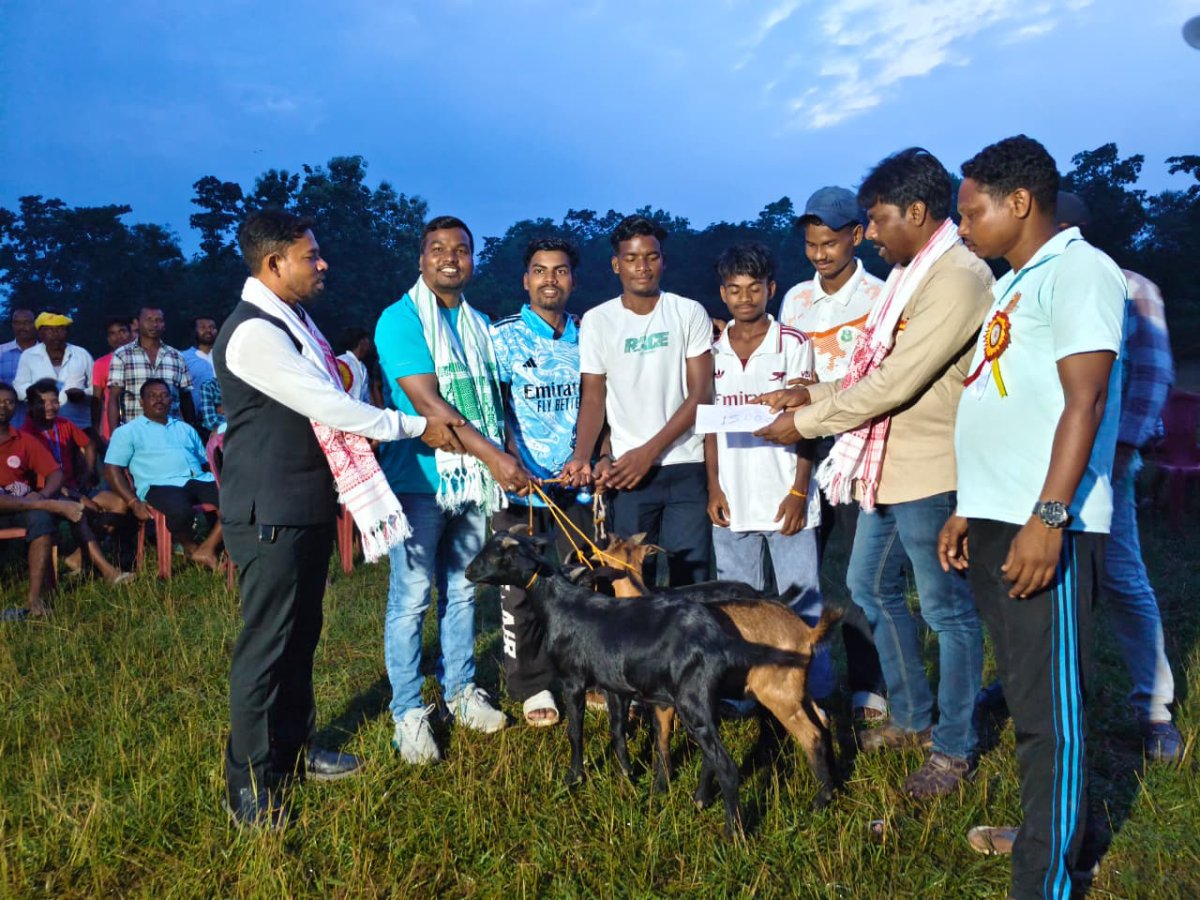
Winners received castrated male goats, known as khassi, prized for meat in Ho ceremonies. NCS Maudi took home 15,000 rupees plus three khassi after their 1-0 final win. Kumbaram collected 12,000 rupees and two khassi as runners-up, while third and fourth place each earned 9,000 rupees and one khassi.
Goalkeeper Raj Keshri said without the khassi the celebrations feel half-hearted. Captain Sachin Devam promised his side a full khassi picnic after the final whistle.
Among the Ho tribe, whose Austroasiatic roots stretch across roughly one million people in eastern India, the khassi goat functions as far more than a simple prize in the Rangila Star Tirilbasa tournament. Under the hereditary Munda-Manki governance system, village heads uphold customary rights that bind community life, and the goat embodies this continuity. At weddings, even if hosts serve double chicken and no khassi meat, villagers get upset, revealing how deeply the animal signals respect and shared prosperity. Some teams slaughter their khassi immediately for a communal feast while others keep the animal as living livestock and a visible trophy; both choices reinforce social bonds. Malati Munda, a player who has competed in multiple such events, recalls winning cash alongside khassi, noting the dual value that sustains households long after the final whistle. Baby goats spotted at Tuesday markets can fetch up to 8,000 rupees, underscoring their economic weight within the community.
Modified Rules and Village Loyalty Shape Every Match
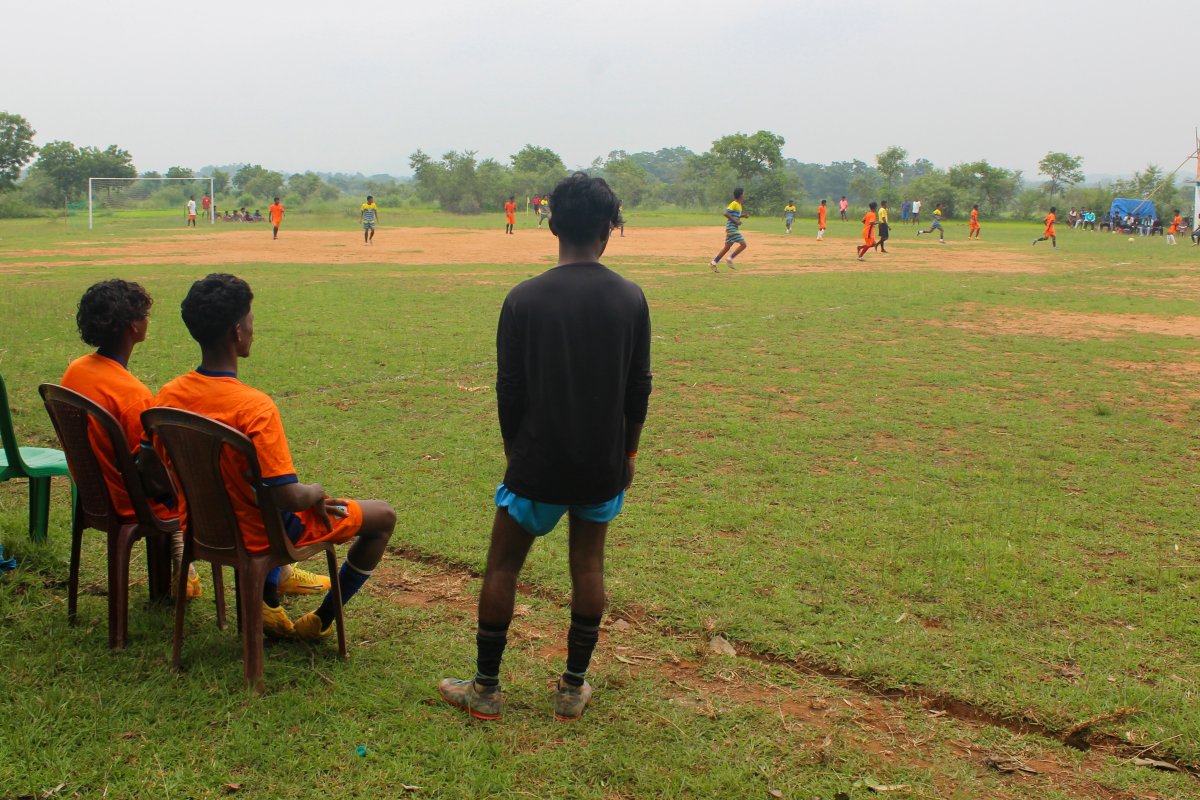
Each squad needed at least six players from the same village. This rule kept the tournament rooted in local identity across the Kolhan region. Commentator Suvir Kumar Tanti travelled through monsoon rains to cover every round.
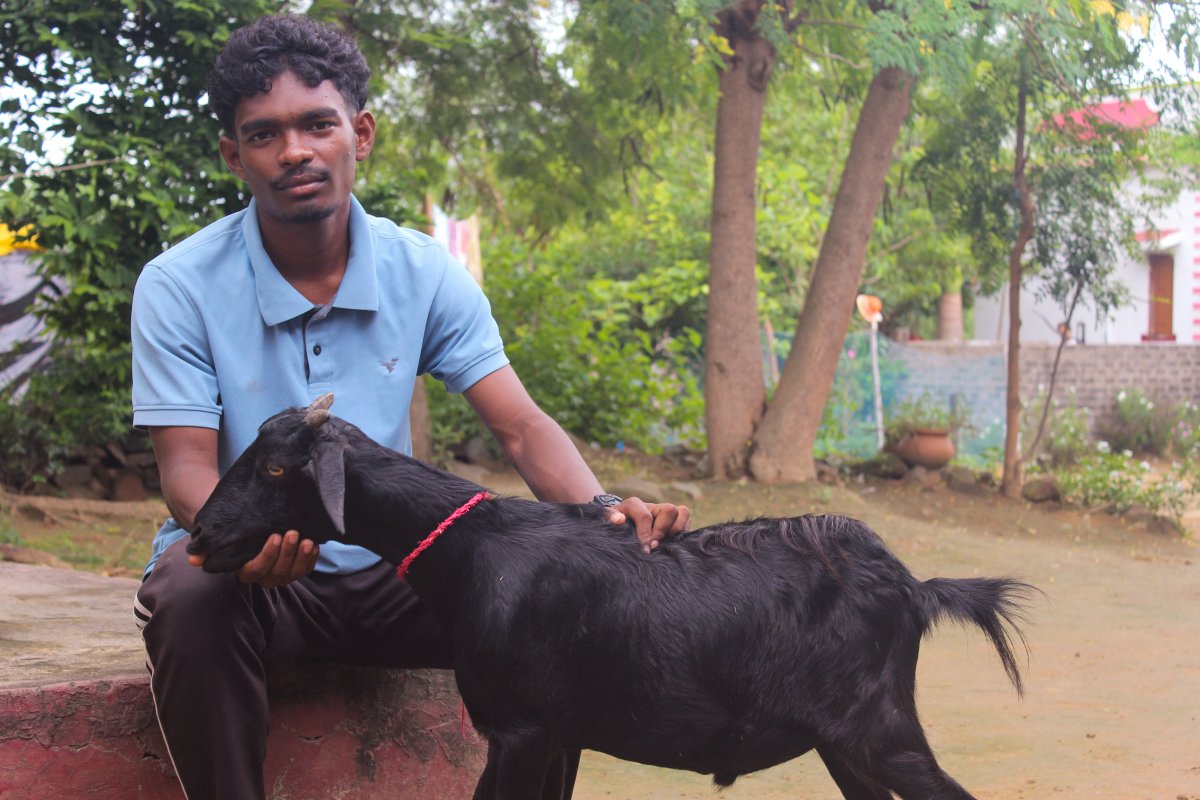
Player Manish Kudada kept his black khassi from a February tournament alive until this event, showing how seriously the prizes are treated. The Ho people, an Austroasiatic community of roughly one million, use these goats in ceremonies that bind families and villages.
The tournament's "Ek munda" rule, requiring all team members to hail from the same village, further cements these ties, ensuring that victory celebrates collective identity rather than individual stardom. Author Sandeep Menon observes that "Everyone has their own version of the game, to make it palatable and adaptable depending on availability of space, local geographical surroundings, weather and social conditions," a flexibility mirrored in how khassi prizes adapt to each village's needs while preserving Ho cultural essence.
On matchdays the atmosphere pulses with sensory detail as food stalls offer fried dough balls, potato chops, yellow peas and hooch, while men sip fermented rice beer known as madia between games. Spectators squat along the touchlines or perch in trees for better views, their eyes fixed on the 9-a-side, no-offside spectacle that unfolds under the "Rangila" (colourful) and "Star" (talent) banner. Commentator Suvir Kumar Tanti delivers high-pitched, lyrical play-by-play that weaves village lore into every pass, turning the field into a living stage of identity. A lively rooster-catching game draws side bets, adding another layer of communal excitement that keeps the crowd engaged between halves.
Chaibasa's Return to Peace Fuels Football Growth
Chaibasa remained cut off by Maoist insurgency until 2011. Full government control returned only in March 2026, allowing tournaments like this to run without fear. State grants now flow to local football and hockey clubs, turning fields into community hubs once more.
Player Malati Munda rose through these same village matches to earn a spot with the Home Guard paramilitary side in Ranchi. Her journey shows how rural tournaments still produce disciplined athletes ready for bigger stages.
Content Creators and Crowds Keep the Energy High
Harish Hembram streams every match on his YouTube channel that reaches 211,000 subscribers. His coverage turns local khassi finals into must-watch events for fans across Jharkhand and beyond.
Author Sandeep Menon notes that at grassroots level football draws huge interest across India. The same hunger exists in South African townships where community leagues run on passion rather than big budgets.
South African Grassroots Mirrors the Khassi Spirit
South Africa knows this exact culture. Rural and township tournaments often award goats or livestock instead of silverware, just as the Ho teams do here. SAFA development programmes and the MultiChoice Diski Challenge already tap into these community events to find raw talent.
The ABC Motsepe League has repeatedly shown how village-level football produces players who step up to the PSL. When NCS Maudi celebrated their khassi picnic, South African fans recognised the same joy that fills fields from Limpopo to the Eastern Cape after a hard-fought final.
Parallels with South African township and rural football are striking, where livestock prizes similarly reward collective effort and sustain local economies. SAFA and the PSL could draw lessons from India's grassroots model by recognising how the ABC Motsepe League and MultiChoice Diski Challenge already mirror the Rangila Star's role in nurturing village-level talent without expensive infrastructure. Just as Ho organisers like 18-year-old Manish Kudada and goalkeeper Raj Keshri blend administration with play, South African rural leagues could formalise livestock or cash incentives to deepen community ownership and cultural resonance, turning matches into celebrations of heritage rather than mere competitions.
Why These Tournaments Matter Beyond the Final Whistle
The Rangila Star Tirilbasa proves that football thrives when rules bend to local realities and prizes carry cultural weight. Spain's World Cup victory was predicted correctly by the Chaibasa final score, but the real story lies in the 64 teams that turned July into a festival of village pride.
For South African supporters the lesson is clear: protect and fund these grassroots spaces. They are the same soil that grows national teams and keeps the game alive in every corner of the country.
By Dante Williams, Staff Writer
This article was produced with AI-assisted research and editorial support. Reporting is based on sources cited in the article.
What's Your Reaction?
 Like
0
Like
0
 Dislike
0
Dislike
0
 Love
0
Love
0
 Funny
0
Funny
0
 Wow
0
Wow
0
 Sad
0
Sad
0
 Angry
0
Angry
0

Breaking News and Investigations Correspondent at Global1.News. Based in London, covering global breaking news, security, and investigative stories. Known for digging deeper and connecting the dots across continents.













Comments (0)