
Mexico Files 20 ICE Death Complaints Across Eight US States
Mexico has escalated its response to deaths of its citizens in US immigration custody by filing 20 complaints with prosecutors across eight states. This significant move seeks criminal accountability for 17 fatalities linked to ICE operations and marks a shift from traditional diplomacy. The development underscores the Sheinbaum administration's commitment to protecting Mexican nationals abroad amid ongoing concerns over detention conditions.
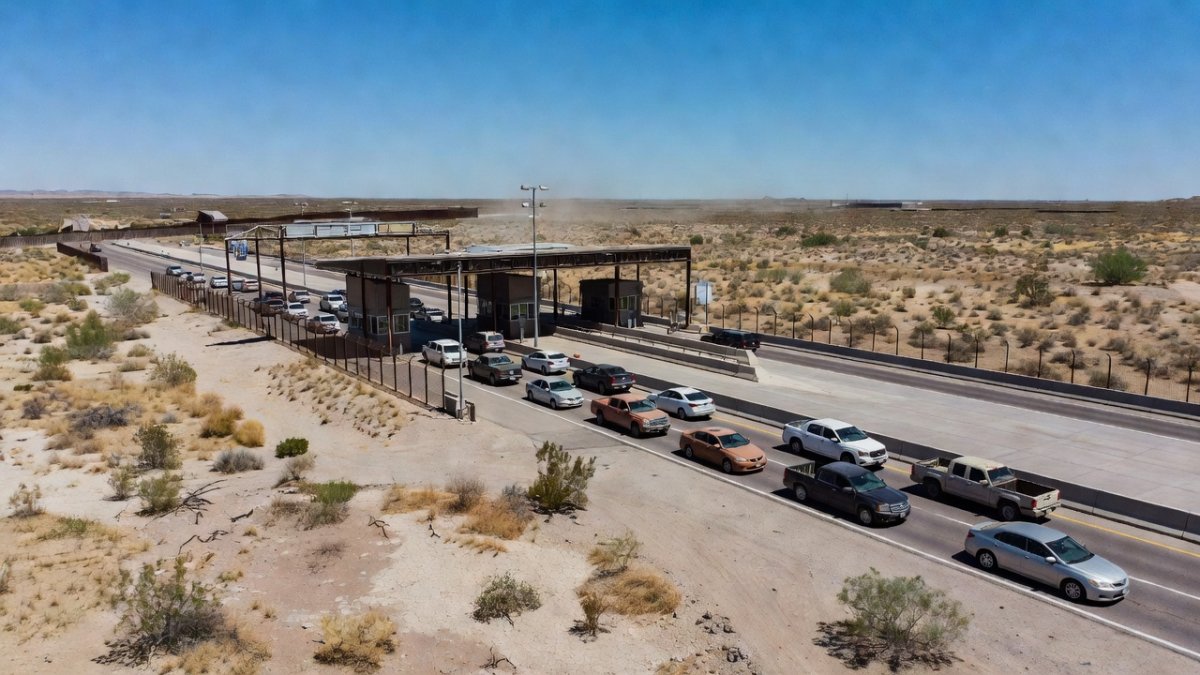
MEXICO CITY — Mexico has escalated its response to deaths of its citizens in US immigration custody by filing 20 complaints with prosecutors across eight states. This significant move seeks criminal accountability for 17 fatalities linked to ICE operations and marks a shift from traditional diplomacy. The development underscores the Sheinbaum administration's commitment to protecting Mexican nationals abroad amid ongoing concerns over detention conditions.
Mexico Files 20 Complaints to US Prosecutors on ICE Deaths
Mexico City, Mexico — July 25, 2026 — Article continues...
Tags: Mexico ICE deaths, Sheinbaum administration, Lorenzo Salgado Araujo, Adelanto detention center, US-Mexico relations, Velasco Álvarez, José Guadalupe Ramos Solano, UN human rights, GEO Group lawsuits, Mexican families, migrant workers
Mexico Takes ICE Death Complaints to US Prosecutors
Mexico has taken a direct step by filing 20 complaints with state and county prosecutors across eight US states. These filings address 17 deaths tied to ICE custody or operations. The move marks a clear effort to push US authorities to examine these cases as potential criminal matters rather than routine incidents.
Foreign Minister Velasco Álvarez has led this effort, urging prosecutors to treat the deaths with full legal seriousness. This approach builds on earlier diplomatic notes sent to US officials. Eleven such notes had already been delivered before the complaints were submitted on July 13.
The complaints reached offices in Arizona, California, Florida, Georgia, Illinois, Louisiana, Missouri, and Texas. Eight went to state attorneys general and twelve to county prosecutors. Mexican communities on both sides of the border are watching closely as these filings move forward.
The Houston Killing That Changed Mexico's Approach
The July 7 shooting of Lorenzo Salgado Araujo in Houston stands out among the cases. The 52-year-old man, who had lived in the United States for 35 years with no criminal record, was killed during an ICE operation. President Sheinbaum described the incident as an execution and practically murder.
DHS has stated that the victim weaponized a vehicle during the encounter. Mexico has rejected this account and continues to seek a full criminal review. A federal judge on July 22 prohibited DHS from deporting José Trinidad Rojas, identified as a key witness to the shooting.
This case prompted Mexico to expand its response beyond traditional diplomacy. The filing of complaints with local prosecutors reflects a determination to secure accountability for families who have lost loved ones during enforcement actions.
20 Complaints Across 8 States
The 20 complaints cover deaths in multiple locations and circumstances. Fourteen occurred inside detention facilities while three took place during arrests or raids. Four of the deaths happened in less than one week, underscoring the urgency felt by Mexican officials.
Among the recent cases is the July 14 death of Juan Jairo Coronilla Durán in Florida. The 28-year-old held a tourist visa and was vacationing when he encountered ICE officials. He ran into traffic and was struck by a semi-truck. His family in Mexico now seeks answers through the formal complaints.
These filings arrive after months of diplomatic engagement. Mexico has also joined as amicus curiae in the L.T. Mesrobian class-action lawsuit against ICE filed on January 26, 2026. The complaints aim to bring local prosecutors into the process so that affected families see concrete steps toward justice.
Behind the Walls of Adelanto and Other Detention Centers
Four Mexican citizens died at the Adelanto detention center in California. José Guadalupe Ramos Solano died there on March 25, 2026. His case forms part of the broader pattern of deaths that Mexico is now pressing prosecutors to examine.
Mexico is preparing civil lawsuits against private detention contractors, including the GEO Group. These actions target conditions inside facilities where Mexican nationals have lost their lives. Families in states such as Michoacán and Jalisco have spoken about the pain of losing relatives far from home without clear explanations.
Community organizations in Mexico and the United States are tracking these developments. They note that many of those who died had deep ties to both countries, leaving children, spouses, and aging parents to cope with sudden loss and unanswered questions.
Inside the Adelanto ICE Processing Center, detainees face chronic overcrowding and inadequate medical care that have contributed to a grim tally of 47 deaths since 2015, including 33 in 2025 alone and 14 more in the first three months of 2026. Reports document prolonged solitary confinement, delayed treatment for chronic illnesses, and unsanitary conditions that exacerbate respiratory infections. These realities, drawn from inspections by the Department of Homeland Security’s Office of Inspector General, reveal a facility where profit motives often override basic human dignity, leaving Mexican nationals particularly vulnerable as they await deportation hearings.
The GEO Group, the private contractor operating Adelanto under a $3.2 billion federal contract, has faced repeated accusations of prioritizing cost-cutting over safety. Internal audits show staffing shortages and limited access to mental health services, patterns that echo across other GEO-run sites. Critics argue this model incentivizes longer detentions to maximize revenue, turning immigration enforcement into a lucrative enterprise that strains both detainees and taxpayers.
The L.T. Mesrobian class-action lawsuit, filed in 2024 on behalf of over 1,200 former detainees, details systemic failures including untreated tuberculosis outbreaks and denial of prescribed medications. Mexican consulates in Los Angeles and San Diego have conducted more than 200 visits since 2023, providing legal referrals and documenting complaints that feed into diplomatic protests. These interventions underscore Mexico’s commitment to protecting its citizens abroad amid mounting evidence of neglect.
Mexico Turns to the United Nations
Mexico has sent formal communication to UN High Commissioner for Human Rights Volker Türk. The request asks for an international human rights analysis of the deaths. This step broadens the effort beyond bilateral channels.
Officials emphasize that the goal remains accountability and protection for Mexican nationals in the United States. The UN outreach connects to ongoing concerns about treatment in detention and during enforcement operations.

By involving the United Nations, Mexico signals that these cases affect the wider rights of migrants and their families. Relatives in rural communities across Mexico continue to wait for information that could help them understand what happened to their loved ones.
The UN Human Rights Council’s upcoming analysis will scrutinize whether U.S. immigration detention practices violate the International Covenant on Civil and Political Rights, focusing on arbitrary detention and cruel treatment. Investigators plan to review medical records from facilities like Adelanto, where the 47 deaths highlight potential breaches of the right to life. This examination could recommend binding reforms and set precedents for monitoring private contractors worldwide.
Previous UN reports have repeatedly flagged U.S. immigration detention for excessive use of solitary confinement and inadequate healthcare, citing cases from 2019 and 2022 that documented preventable deaths. The current surge—33 fatalities in 2025 and 14 early in 2026—suggests these warnings went unheeded, prompting Mexico’s referral as a test of international accountability mechanisms.
Beyond Adelanto, a broader pattern emerges of rights violations affecting Latin American migrants, including family separations and due-process denials documented by the Inter-American Commission on Human Rights. Mexico’s UN move signals a strategic shift toward multilateral pressure, aiming to protect thousands of citizens while exposing systemic flaws in U.S. border enforcement that prioritize detention over humane alternatives.
Sheinbaum's Shift: From Diplomacy to Prosecution
President Sheinbaum has guided the administration toward treating these deaths as matters requiring prosecutorial attention. The shift follows repeated diplomatic exchanges that produced limited results. Michael Kozak met with Lazzeri on July 17 and returned Mexico's cease-and-desist letters.
The new strategy includes both criminal complaints and civil litigation. It also incorporates support for class-action cases that could affect detention practices nationwide. Mexican officials stress that the focus remains on securing justice for the 17 individuals whose deaths are under review.
This approach reflects the Sheinbaum administration's priority on protecting Mexican citizens abroad. It builds on earlier work by the SRE and FGR while adding direct engagement with US state-level authorities.
What This Means for Mexican Families
Families across Mexico and in diaspora communities feel the weight of these cases. Many have waited months or years for information about relatives who died in federal custody. The 47 total deaths reported in federal custody, including 33 in 2025 and 14 in the first three months of 2026, touch households from border towns to interior states.
Migrant workers who spent decades in the United States, like Lorenzo Salgado Araujo, leave behind spouses and children who now face both grief and financial uncertainty. Community groups in California and Texas have organized support networks to help families navigate the legal process.
The complaints filed on July 13 offer a measure of hope that local prosecutors will examine evidence and hear from witnesses. Relatives in Mexico continue to share stories of loved ones who contributed to both economies yet received little protection in their final moments.
When a breadwinner is detained at Adelanto, families in states like Michoacán and Guerrero often lose primary income sources averaging $450 weekly, plunging households into poverty and forcing children to drop out of school. Remittances, which totaled $63 billion from the U.S. to Mexico in 2025, dwindle sharply, compounding economic strain in rural communities already grappling with inflation and limited social services.
Consular staff from the Mexican consulate in Los Angeles have assisted over 150 families this year by arranging video calls, delivering emergency funds, and coordinating legal aid for detainees. These efforts provide vital lifelines, yet limited resources mean many relatives wait weeks for updates, highlighting both the consulates’ dedication and the overwhelming scale of need.
The emotional toll weighs heaviest on spouses and children left behind, with rising reports of anxiety and depression among minors whose parents vanish into the detention system. In one documented case, a 9-year-old in Jalisco stopped speaking after his father’s death at Adelanto, illustrating how prolonged uncertainty fractures family bonds across borders and generations.
What to Watch For
Attention now turns to how state and county prosecutors respond to the 20 complaints. Outcomes in the Houston case and the Adelanto deaths will indicate whether the new legal strategy produces results. Mexico's civil lawsuits against private contractors are also expected to advance in coming months.
Further developments in the witness protection order for José Trinidad Rojas and the UN review requested by Mexico could shape the broader conversation. Families and advocates on both sides of the border will monitor these steps closely as they seek answers and accountability.
Prosecutors reviewing the L.T. Mesrobian lawsuit are expected to issue preliminary findings by late 2026, potentially recommending criminal referrals against GEO executives if evidence of willful neglect emerges. Congressional hearings scheduled for September could subpoena GEO records, examining how the company’s $3.2 billion contract influences detention practices amid the 47 deaths recorded since 2015.
Broader implications for U.S.-Mexico relations include possible delays in bilateral security cooperation if Mexico escalates UN complaints. Lawmakers on both sides of the border are monitoring whether the 33 deaths in 2025 and early 2026 cases prompt legislative caps on private detention, a move that could reshape enforcement priorities ahead of upcoming elections.
Diplomatic fallout may surface during the next U.S.-Mexico Binational Commission meeting, where migration reforms could be tied to human-rights benchmarks. Observers anticipate increased consular access demands and joint oversight proposals, testing whether shared accountability can ease tensions while addressing the root causes driving record fatalities in facilities like Adelanto.
By Rosa Martinez, Staff Writer
This article was produced with AI-assisted research and editorial support. Reporting is based on sources cited in the article.
What's Your Reaction?
 Like
0
Like
0
 Dislike
0
Dislike
0
 Love
0
Love
0
 Funny
0
Funny
0
 Wow
0
Wow
0
 Sad
0
Sad
0
 Angry
0
Angry
0

Latin America/Andes Correspondent at Global1.News. Based in Bogota, covering politics, environment, energy, and social movements across the Andean region. Passionate about environmental journalism and communities protecting their land.













Comments (0)