
Japanese Agricultural Technology Aims to Transform Ukraine's Minefields into Harvests
Japan's leadership in robotics and precision agriculture, rooted in the Society 5.0 vision of human-centric automation, positions the country to address one of Europe's most urgent post-war challenges. Remote-controlled tractors and AI-driven drones developed by firms like Kubota and Yanmar are now being considered for Ukraine's vast minefields, linking domestic innovation directly to global reconstruction needs.
Japan's leadership in robotics and precision agriculture, rooted in the Society 5.0 vision of human-centric automation, positions the country to address one of Europe's most urgent post-war challenges. Remote-controlled tractors and AI-driven drones developed by firms like Kubota and Yanmar are now being considered for Ukraine's vast minefields, linking domestic innovation directly to global reconstruction needs. This convergence highlights how Japan's technology ecosystem extends beyond its borders to support food production and safety in conflict zones.
Japan's Robotics Edge Targets Ukraine Minefields
Tokyo, Japan – July 23, 2026 —
The Scale of Ukraine's Agricultural Landmine Problem
As much as a quarter of Ukraine's fertile land remains contaminated by landmines and unexploded ordnance. This contamination directly threatens the country's role as a major grain exporter. Demining one hectare costs approximately UAH 40,000 to 70,000. With 67 mine action operators active as of 2025, progress remains limited. CSIS estimates indicate that full clearance of agricultural land could take decades without faster technological methods.
Ukraine's agricultural sector contributes roughly 10 percent to its GDP and supplies wheat and corn to dozens of import-dependent nations across Africa and the Middle East. Prolonged contamination has already reduced planting areas by millions of hectares, driving up global commodity volatility that affects food prices far beyond Europe. Without accelerated clearance, analysts project sustained supply shortfalls through at least 2030, compounding existing pressures from climate variability and trade disruptions.
Traditional manual demining remains labor-intensive and hazardous, with clearance rates often limited to a few hundred square meters per team per day under optimal conditions. Japanese autonomous systems could multiply these rates by enabling continuous operation across large plots while minimizing personnel risk. Integration with satellite data and ground-penetrating sensors further refines prioritization, allowing authorities to focus resources on high-yield zones first.
Economic modeling from the World Bank suggests that every hectare returned to production generates multiplier effects in local employment and export revenues, potentially recouping demining investments within three to five seasons. Japanese technology transfers could accelerate this payback by embedding predictive maintenance features that reduce downtime in remote Ukrainian regions.
Japan's Established Demining Training Support
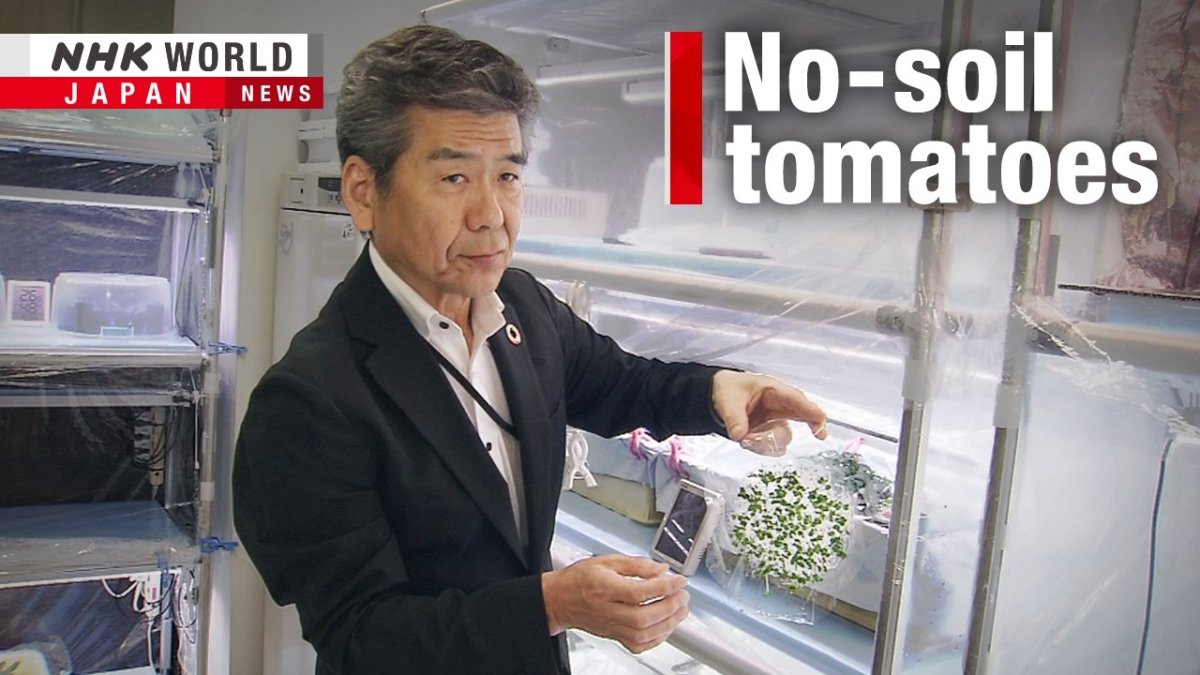
Japan has trained Ukrainian demining personnel since January 2023 through the Cambodian Mine Action Centre. The Japan Ground Self-Defense Force has also dispatched instructors to Lithuania to provide landmine clearance training. These programs build local capacity while introducing Japanese operational standards for safe and systematic clearance work.
Training curricula emphasize layered safety protocols refined through decades of JGSDF experience in post-conflict environments, including standardized marking systems and real-time communication hierarchies. Ukrainian participants have reported improved team coordination after adopting these methods, which reduce accidental detonations during initial surveys. The programs also incorporate digital logging tools that create auditable records for international donors tracking clearance progress.
Beyond immediate skill transfer, these initiatives foster long-term institutional ties that facilitate technology adoption. Ukrainian operators exposed to Japanese equipment during training sessions gain familiarity with remote interfaces, lowering adoption barriers when autonomous tractors arrive. Joint exercises in Lithuania have already tested hybrid teams combining human oversight with robotic platforms, providing data that informs scalable deployment models.
Funding from Japan's Ministry of Foreign Affairs supports ongoing cohorts, with plans to expand participation to include agronomists who can assess post-clearance soil viability. This dual focus on safety and agricultural readiness distinguishes the Japanese approach from purely military-oriented programs offered by other nations.
Remote-Controlled and Autonomous Tractors from Japan
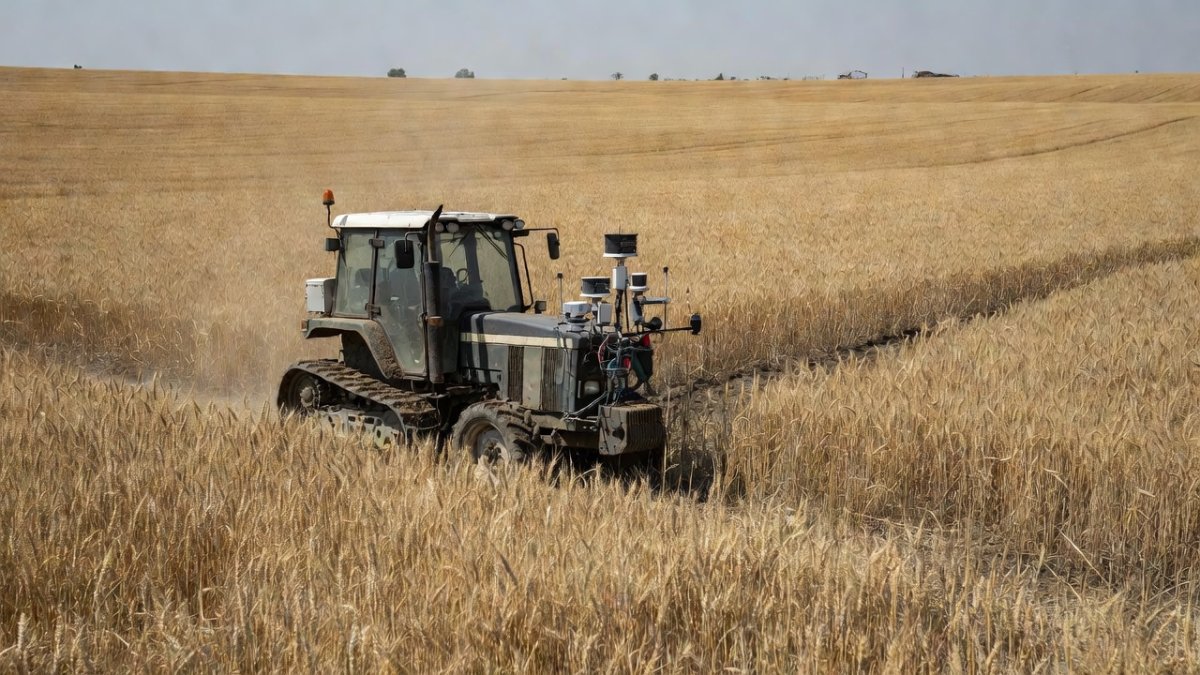
Japanese manufacturers including Kubota, Yanmar and Iseki produce agricultural machinery with growing remote-control and autonomous capabilities. These systems allow operators to work fields from a safe distance. Ukrainian company Efarm.Pro has developed an unmanned autonomous tractor suited for demining tasks. Adaptation of Japanese platforms could combine proven reliability with local modifications for mine-affected terrain.
Kubota's existing models feature centimeter-level GPS guidance and obstacle detection that can be recalibrated for uneven, debris-strewn surfaces typical of former battlefields. Yanmar's diesel-electric hybrids offer extended runtime critical for large-scale operations where refueling infrastructure is limited. These platforms have undergone rigorous testing in Japan's variable terrain, providing confidence in their durability under Ukrainian conditions.
Local adaptation through Efarm.Pro involves retrofitting mine-detection arrays and reinforced undercarriages to withstand potential low-order detonations. Early prototypes demonstrate that Japanese base units maintain 95 percent uptime even after sensor-triggered avoidance maneuvers, outperforming conventional manned equipment in simulated hazardous zones. Partnerships with Ukrainian software firms enable real-time data sharing with demining command centers.
Supply-chain considerations favor Japanese equipment because of modular designs that simplify spare-parts logistics across conflict-affected regions. METI-backed pilot programs are evaluating containerized maintenance kits that could be prepositioned near priority agricultural districts, reducing repair turnaround from weeks to days.
Drone Surveying and Digital Mapping Integration
Drone-based surveying systems developed in Japan enable rapid mapping of contaminated zones. Data collected supports precise planning of clearance routes and identifies areas suitable for immediate agricultural resumption. When paired with autonomous tractors, these tools reduce human exposure while increasing the speed of field assessment.
Japanese drone fleets equipped with multispectral cameras and LiDAR generate layered maps that differentiate vegetation health from metallic anomalies indicative of ordnance. Machine-learning algorithms trained on domestic disaster-response datasets accelerate anomaly classification, cutting manual review time by up to 70 percent. These outputs feed directly into tractor navigation systems for prioritized pathing.
Integration with Ukraine's existing GIS platforms allows seamless data exchange with international demining organizations, ensuring standardized reporting that satisfies donor accountability requirements. Japanese firms have also contributed edge-computing modules that process imagery onboard drones, minimizing bandwidth demands in areas with damaged telecommunications infrastructure.
Seasonal testing windows in Ukraine's continental climate align well with Japanese drone operational envelopes, enabling year-round mapping campaigns once initial calibration flights are completed. This continuity supports dynamic replanning as clearance teams encounter unexpected mine densities.
METI and MAFF Policies Supporting Technology Exports
Japan's Ministry of Economy, Trade and Industry has promoted agricultural technology exports as part of its growth strategy. The Ministry of Agriculture, Forestry and Fisheries has accelerated the digital transformation of Japanese agriculture. Society 5.0 initiatives list smart agriculture as a central pillar, encouraging the overseas application of remote-controlled and autonomous equipment developed domestically.
Policy frameworks include export financing guarantees and regulatory fast-track approvals for dual-use agricultural technologies, reducing administrative hurdles for companies entering reconstruction markets. METI's matching programs connect Japanese manufacturers with Ukrainian agricultural cooperatives, fostering joint ventures that localize assembly and training.
MAFF's digital transformation subsidies have already produced interoperable data standards that facilitate cross-border equipment certification. These standards ensure that Japanese autonomous tractors can interface with Ukrainian soil-monitoring networks, enhancing both demining efficiency and subsequent crop management.
Diplomatic engagement through bilateral working groups has identified regulatory alignment opportunities, such as harmonized safety certifications that could accelerate deployment timelines. Government-backed insurance products further mitigate commercial risks for exporters operating in post-conflict environments.
Potential Impact on Global Food Security
Restoring Ukraine's mine-free farmland would strengthen worldwide grain supplies and stabilize prices. Japanese machinery exports could shorten clearance timelines when combined with existing international efforts. METI-supported projects aim to demonstrate how precision agriculture tools can serve dual purposes in both routine farming and post-conflict recovery.
Restored Ukrainian output could offset projected global wheat deficits of 15-20 million tons annually through the late 2020s, easing pressure on import bills for low-income countries. Japanese precision tools enable targeted fertilization and irrigation on newly cleared land, boosting yields beyond pre-war baselines and amplifying the food-security dividend.
Broader adoption of these technologies in other mine-affected regions, from Southeast Asia to parts of Africa, could create a replicable model for conflict-to-agriculture transitions. Japanese exporters stand to capture growing demand as international reconstruction funds prioritize climate-smart and labor-saving solutions.
Long-term monitoring frameworks embedded in METI projects track both clearance metrics and downstream agricultural productivity, generating evidence that supports scaled financing from multilateral development banks.
Implementation Challenges and Measured Outlook
Adapting Japanese equipment requires testing on Ukrainian soil types and integration with local demining protocols. Cost, training and maintenance logistics remain practical hurdles. While the technology shows promise, timelines for widespread deployment are still being evaluated by involved ministries and companies.
Soil variability across Ukraine's black-earth regions demands extensive field validation to calibrate sensor thresholds and traction controls. Japanese engineers are collaborating with local agronomists to develop region-specific firmware updates that maintain performance without compromising safety margins.
Training pipelines must expand beyond initial cohorts to include mechanics and data analysts capable of sustaining operations over multi-year horizons. Cost-sharing arrangements between Ukrainian authorities and Japanese suppliers are under negotiation to address upfront capital requirements that could otherwise delay procurement.
Regulatory harmonization on liability for autonomous systems in hazardous environments remains an open issue, though pilot projects are generating case studies that inform policy development in both countries.
What to Watch For
Upcoming METI-funded demonstrations scheduled for late 2026 will test integrated tractor-drone workflows on designated Ukrainian test plots, with results expected to influence procurement decisions by international donors. Observers should monitor regulatory updates from MAFF on export certification timelines, as streamlined approvals could accelerate commercial availability.
Partnership announcements between Kubota, Yanmar and Ukrainian entities may signal the formation of local service networks essential for long-term equipment viability. Geopolitical developments affecting Black Sea export routes will also shape the urgency of clearance investments, potentially elevating Japanese technology in funding priorities.
Advances in AI-driven mine detection algorithms developed domestically could further enhance system performance, warranting attention to technology transfer agreements that embed these improvements in Ukrainian deployments.
By Kenji Tanaka, Staff Writer
This article was produced with AI-assisted research and editorial support. Reporting is based on sources cited in the article.
What's Your Reaction?
 Like
0
Like
0
 Dislike
0
Dislike
0
 Love
0
Love
0
 Funny
0
Funny
0
 Wow
0
Wow
0
 Sad
0
Sad
0
 Angry
0
Angry
0

Japan Correspondent at Global1.News. Tokyo-based voice covering Japanese politics, technology, economy, and culture. Tracks the intersection of tradition and innovation in one of the world's most dynamic societies.















Comments (0)