
Vance Threatens Cartel Strikes in Mexico: Sheinbaum Red Line
**Keywords:** JD Vance, Claudia Sheinbaum, Mexican cartels, fentanyl trafficking, US Mexico relations, sovereignty red line, Omar García Harfuch, Guardia Nacional, border communities, Trump G7 remarks Vance Details Military Option in Univision Sit-Down with Calderón During his interview with journalist Ilia Calderón on N+ Univision, set to air fully on Sunday June 21, JD Vance
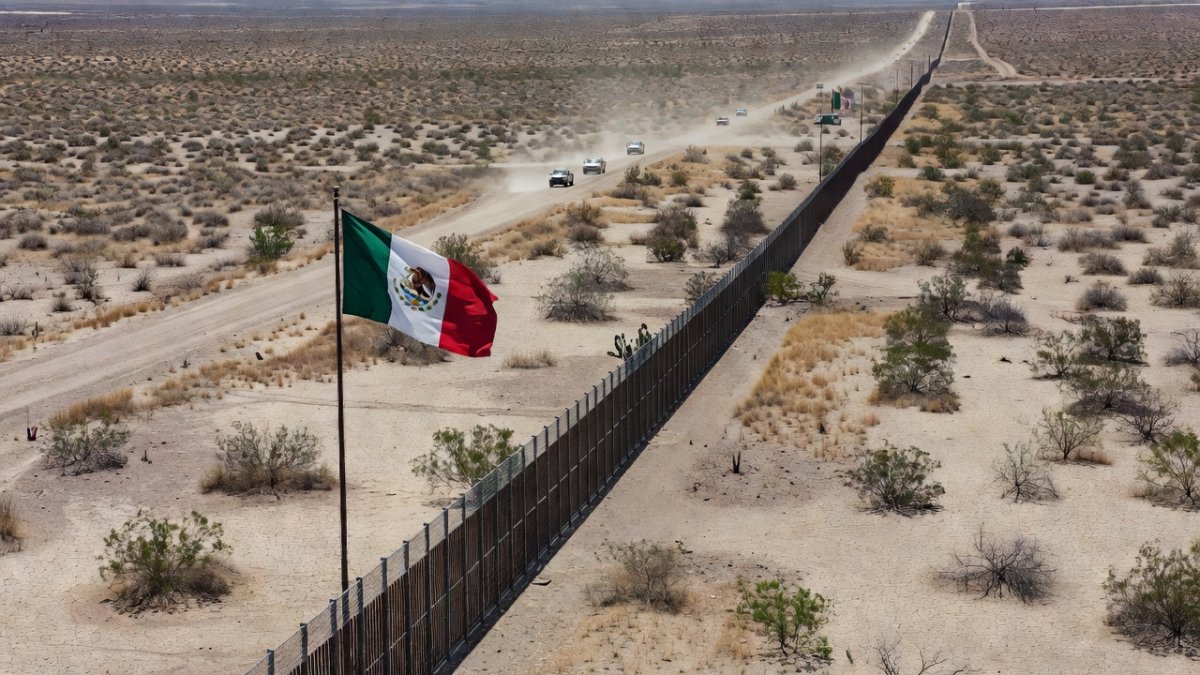
Vance Details Military Option in Univision Sit-Down with Calderón
During his interview with journalist Ilia Calderón on N+ Univision, set to air fully on Sunday June 21, JD Vance laid out a clear position on potential US military action against Mexican cartels. He recalled his earlier statements that a president should consider strikes when necessary. Calderón directly reminded him of President Claudia Sheinbaum’s firm stance that any US military presence on Mexican soil crosses a red line. Vance responded by expressing a preference for cooperation but left the door open for unilateral moves.
Vance emphasized working alongside Mexican authorities so they could handle cartels themselves, yet he stressed the need to protect American lives. “We would take military action if we feel like we have to to protect our people,” he stated plainly. He added that the United States must “reserve the right” to act when intelligence shows an imminent threat, such as a massive fentanyl and weapons shipment heading north. In such cases, he argued, striking the cartel would be unavoidable.
Vance painted a harsh picture of cartel influence, claiming they enjoyed “free rein of Mexico” under the previous administration. He described the groups as “like a cancer on Mexico,” suggesting their power had grown unchecked. These remarks immediately raised concerns in Mexican border communities where families already navigate daily risks from violence and economic uncertainty tied to the drug trade.
Local leaders in places like Nogales and Ciudad Juárez worry that such rhetoric could disrupt cross-border commerce. Taquerías and tortillerías that rely on steady foot traffic from both sides fear sudden enforcement spikes. Community organizers note that any perceived threat of foreign strikes heightens anxiety among residents who have already endured years of cartel-related instability.
Sheinbaum Rejects Misinformation at June 18 Mañanera
President Claudia Sheinbaum addressed the comments directly during her June 18 mañanera at Palacio Nacional. She described Trump as “not well-informed” about Mexico’s current reality and insisted that “the Mexican state exists.” Her tone remained measured yet resolute, underscoring that Mexico continues to confront organized crime with its own institutions and personnel.
Sheinbaum highlighted the courage of Security Minister Omar García Harfuch, who survived a cartel assassination attempt yet returned to duty without hesitation. She also praised Defense Minister Ricardo Trevilla Trejo and Navy Minister Raymundo Pedro Morales Ángeles for their steady leadership. These officials, she noted, represent the professional backbone of Mexico’s security apparatus operating under civilian command.
The president pointed to concrete results: more than 50,000 alleged criminals arrested in just 20 months. Homicide rates have shown significant reduction in several states, she added, crediting coordinated efforts by the Guardia Nacional, SEDENA, and SEMAR. She reminded viewers that she had already shared these statistics with visiting US Homeland Security Secretary Markwayne Mullin during his trip to Mexico City last month.
Sheinbaum also condemned recent sovereignty violations, including CIA involvement in a Chihuahua drug lab raid and US prosecutor accusations against the Sinaloa governor. These incidents, she said, undermine trust. Families in northern states feel the tension, knowing that any escalation could affect local economies built around legitimate trade and tourism.
Trump Reiterates Cartel Control Claims at G7 Summit
At the G7 Summit in France, President Trump repeated familiar accusations, stating that “Mexico has lost control of their country” and that “the cartels run Mexico.” While calling Sheinbaum “a very good woman,” he labeled her “a very scared woman,” suggesting fear prevents stronger action. These remarks fit a pattern of intermittent threats stretching back to his return to office in January 2025.
Trump claimed drug flows by water had dropped 97 percent under his watch, shifting attention to land routes. He floated the possibility that US special forces could enter Mexico as early as Day 1 of his second term. Such statements have circulated for months, keeping Mexican officials and border residents on edge about potential unilateral moves.
The rhetoric resonates differently in Mexican communities. In colonias along the border, parents worry about how sudden military talk might affect school routines or local markets. Small business owners who export produce or handicrafts fear supply chain disruptions if tensions rise further.
Despite the sharp words, Sheinbaum has maintained an amiable working relationship with Trump. Diplomats on both sides continue quiet channels, recognizing that outright confrontation would harm families and economies on either side of the border who depend on stable relations.
Border Colonias Brace for Uncertainty and Economic Ripple Effects
Residents in border colonias from Tijuana to Matamoros feel the weight of these exchanges most directly. Many families have relatives working in US-bound trucking or maquiladoras, sectors sensitive to any hint of instability. Parents discuss how to explain potential US strikes to children already familiar with cartel violence stories.
Local taquerías and tortillerías report cautious customers who limit outings when headlines grow tense. These small businesses form the social fabric of neighborhoods, providing jobs and gathering spots. Owners say they simply want predictable conditions so they can plan for the next month rather than react to distant political statements.
Community health workers note rising stress levels among adults who remember past surges in enforcement. They worry about mental health impacts on youth who already navigate limited opportunities. Local leaders emphasize that Mexican security forces, not foreign troops, remain the preferred solution for restoring calm.
Cross-border families who split time between both countries express particular concern. They value the cultural and economic ties that have existed for generations and fear that military posturing could sever those connections overnight, leaving children without access to relatives or shared traditions.
Security Advances Highlight Mexican Institutional Strength
Sheinbaum’s administration points to more than 50,000 arrests over 20 months as evidence of progress. The Guardia Nacional, working alongside SEDENA and SEMAR, has dismantled numerous networks responsible for fentanyl production and transport. Homicide reductions in key states demonstrate that sustained domestic operations yield results without external intervention.
Minister Omar García Harfuch’s personal story embodies this resilience. After surviving a cartel ambush, he resumed leadership, coordinating intelligence that led to major seizures. Defense and Navy ministers have similarly professionalized operations, focusing on territorial control and port security.
These efforts directly affect border communities. Reduced violence allows markets to reopen earlier and children to attend school more consistently. Families report feeling safer walking to work or church, outcomes they attribute to Mexican-led strategies rather than foreign proposals.
US designation of six cartels as foreign terrorist organizations last year added diplomatic complexity. While Washington pursues its own actions, including strikes on drug boats that have killed over 200 people since September, Mexican officials insist their approach respects national sovereignty while delivering measurable security gains.
Sovereignty Remains Central to Mexico’s Diplomatic Position
Sheinbaum has repeatedly declared that US military action inside Mexico constitutes a red line. This stance builds on former President Andrés Manuel López Obrador’s legacy of defending non-intervention. The Secretaría de Relaciones Exteriores has quietly reinforced that any cooperation must occur through formal channels and mutual consent.
Historical memory of past US interventions fuels public sensitivity. Community forums in border states often reference these episodes when discussing current threats. Residents argue that true partnership requires respect for Mexico’s ability to govern its own territory using its own forces.
Sheinbaum’s team continues to brief US counterparts on operational successes. They highlight how Mexican institutions have adapted to evolving cartel tactics, including maritime routes now under heavier Navy scrutiny. This record, they say, proves sovereignty and effectiveness can coexist.
Local civil society groups echo the president’s position. They organize town halls where families discuss how to support security forces while protecting civil liberties. The message remains consistent: Mexico welcomes collaboration but rejects any notion that its state has vanished or requires external rescue.
Diplomatic Channels and Community Vigilance Shape Next Steps
The full Univision interview airing Sunday June 21 will likely amplify Vance’s remarks, prompting further responses from both capitals. Observers expect continued quiet diplomacy between Washington and Mexico City even as public statements remain firm. Sheinbaum’s team has signaled openness to intelligence sharing provided it respects Mexican command structures.
Border families watch these developments closely. They track whether homicide trends continue downward and whether local economies regain momentum. Parents hope for steady school calendars and safe streets rather than dramatic foreign interventions that could bring unintended consequences.
Business associations along the border advocate for predictable trade policies. They note that taquerías, tortillerías, and larger exporters all suffer when uncertainty spikes. Community leaders urge both governments to prioritize joint task forces that operate under clear legal frameworks.
As June 21 approaches, Mexican households prepare for another round of headlines. Their focus stays on practical outcomes: safer neighborhoods, stronger institutions, and continued cross-border ties that sustain livelihoods on both sides. Sheinbaum’s red line reflects this collective determination to shape Mexico’s future from within.
By Rosa Martinez, Staff Writer
This article was produced with AI-assisted research and editorial support. Reporting is based on sources cited in the article.
What's Your Reaction?
 Like
0
Like
0
 Dislike
0
Dislike
0
 Love
0
Love
0
 Funny
0
Funny
0
 Wow
0
Wow
0
 Sad
0
Sad
0
 Angry
0
Angry
0
Latin America/Andes Correspondent at Global1.News. Based in Bogota, covering politics, environment, energy, and social movements across the Andean region. Passionate about environmental journalism and communities protecting their land.











Comments (0)