
Trump's Voting Executive Order: What the USPS Bombshell Means for Your Vote
The Big Picture: What Trump Just Did Folks, let's cut through the spin right now. Last week Donald Trump signed an executive order that demands proof of U.S. citizenship—think passport or Real ID—before anyone can register to vote in federal elections. This isn't some minor tweak. It forces every state to hand over voter data to build a massive national voter file that compiles
The Big Picture: What Trump Just Did
Folks, let's cut through the spin right now. Last week Donald Trump signed an executive order that demands proof of U.S. citizenship—think passport or Real ID—before anyone can register to vote in federal elections. This isn't some minor tweak. It forces every state to hand over voter data to build a massive national voter file that compiles information from coast to coast. The order also slams the brakes on mail-in ballot distribution and piles on new tracking requirements that treat every ballot like a potential threat.
This move builds directly on an earlier version from the previous year, but it goes much further by centralizing power in Washington. Critics are already calling it an invented crisis because noncitizen voting is already illegal and actively prosecuted across the country. Yet here we are, watching an administration manufacture urgency around something that barely registers in actual election data from sources like the Brennan Center and state audits.
The practical effect hits everyday Americans hardest. If you've ever renewed your driver's license or updated your registration online, get ready for extra hurdles. The order pretends to protect election integrity while ignoring that states have run clean elections for decades without this federal hammer. It's classic overreach dressed up as patriotism.
Make no mistake—this is about control. By creating one giant federal database, the order shifts power away from states that have always managed their own rolls. Election officials in both parties know the real threats to voting are things like outdated systems and long lines, not phantom noncitizen hordes. But facts rarely slow down a power grab like this.
The USPS Bombshell
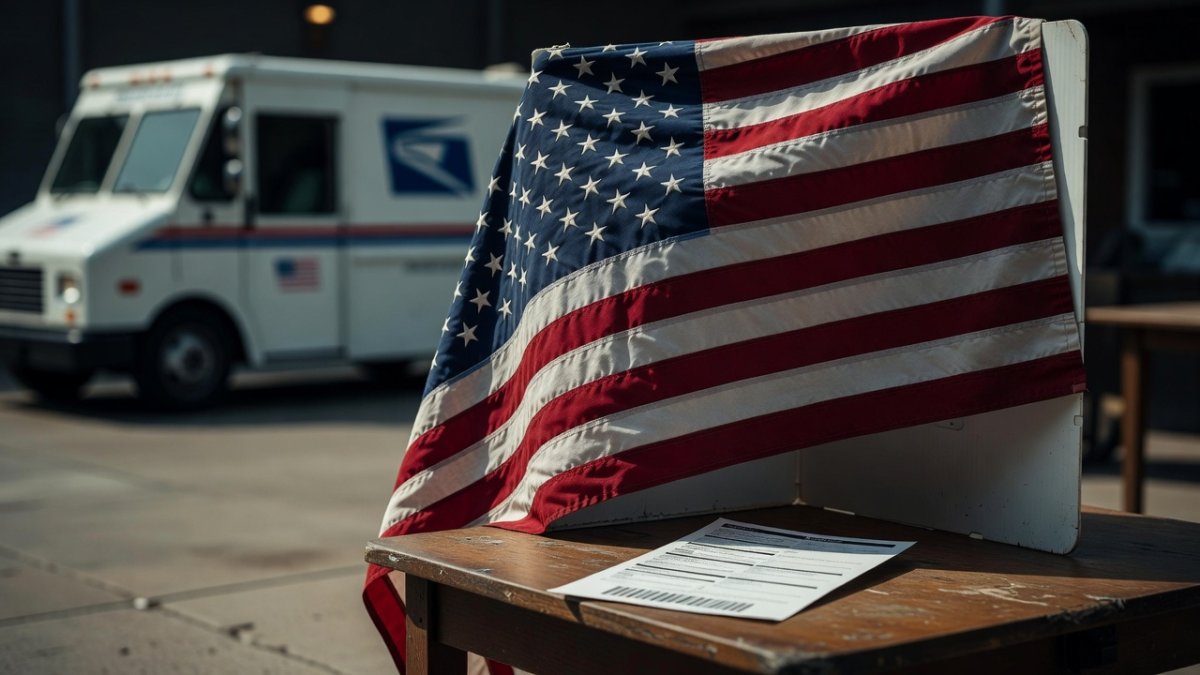
Right on cue, the U.S. Postal Service dropped its own proposal this month that would stop delivering mail ballots in any state refusing to give the federal government complete voter lists complete with unique barcodes. This isn't a suggestion—it's a direct follow-up to the executive order that ties mail delivery to total data surrender. States that push back could see their voters cut off from the most convenient way to cast ballots.
Think about what that means in practical terms. Millions of Americans, especially seniors, military families, and rural voters, rely on mail ballots. The USPS rule would punish entire states for protecting their residents' privacy, turning the post office into an enforcement arm for federal demands. It's a one-two punch that combines the executive order's registration barriers with delivery choke points.
Legal observers note this proposal came out just days after the order, showing clear coordination. The tracking requirements go beyond simple delivery confirmation—they want unique identifiers on every ballot that feed straight into that new national file. This level of surveillance on voting has never existed before in modern American elections.
The spin from supporters claims this protects against fraud, but the numbers tell a different story. Noncitizen voting prosecutions remain vanishingly rare, according to multiple state reports released earlier this year. Meanwhile, the real risk here is suppressing legitimate votes through bureaucratic roadblocks that hit working families the hardest.
Why This Is Probably Unconstitutional
Legal experts across the spectrum are lining up to say this executive order violates the separation of powers because elections have always been state-controlled under the Constitution. The order tries to federalize voter registration in a way that bypasses Congress and overrides state authority. That's not how our system works, and courts have struck down similar attempts before.
The core problem is simple: the president can't just rewrite election rules that the Founders left to the states. Article I and the Tenth Amendment make this crystal clear. When Trump demands a national voter file and proof-of-citizenship mandates, he's stepping into territory reserved for state legislatures and Congress. Even the order's own language admits it builds on prior efforts that already faced legal pushback.
Critics point out that this isn't about security—it's about inventing federal power where none exists. Noncitizen voting bans are already on the books everywhere, enforced through existing laws. Adding layers of federal requirements doesn't fix a problem that doesn't meaningfully exist; it just creates new ways to disqualify eligible voters who can't easily produce the demanded documents.
Constitutional scholars have been saying the same thing since the order dropped: this will get challenged immediately and likely lose. The structure of American elections isn't designed for one person in the White House to dictate terms to fifty states. That's the whole point of federalism, and ignoring it invites exactly the lawsuits we're seeing now.
The Lawsuits Piling Up
The League of Women Voters and multiple state attorneys general filed lawsuits within days of the order, arguing it violates separation of powers and exceeds executive authority. These aren't fringe groups—they represent voters and states that have run elections without federal interference for generations. The complaints lay out how the order tramples state sovereignty and creates impossible compliance burdens.
Additional suits are expected from civil rights organizations and voting rights groups that have tracked these issues for years. The legal filings cite everything from the Help America Vote Act to basic constitutional principles. Plaintiffs are asking courts to block the order before it disrupts upcoming election cycles, and judges are already signaling they take these challenges seriously.
What's striking is how quickly the legal response formed. Within a week, coordinated actions from both Democratic-led and some Republican-led states showed up in federal courts. The arguments focus on the practical chaos the order would create, from mismatched databases to voters suddenly unable to register with standard documents they've used for decades.
These lawsuits aren't just about stopping one policy—they're about preserving the constitutional balance that keeps elections local. When the federal government tries to nationalize voter rolls and mail delivery, it threatens the decentralized system that has protected American democracy through wars, recessions, and pandemics. The courts now have to decide whether one executive order can upend all that.
What Even Republicans Are Saying
Even Republican election officials told Politico they're confident courts will strike this down. These aren't partisan critics—they're the people who actually run elections in red states and know how messy federal mandates can get. Their private assessments reveal deep skepticism about both the legality and the practicality of the order.
Seasoned GOP officials have seen similar attempts before and watched them fail in court. They point out that states already verify citizenship through existing processes and that adding federal layers would create more errors than it solves. The order's demand for a national file ignores how differently each state maintains records, setting up inevitable conflicts and mismatches.
Some Republican lawmakers have stayed quiet publicly while privately agreeing the order goes too far. They know noncitizen voting isn't the crisis being sold and that real election security comes from well-funded local offices, not top-down decrees. The gap between the administration's rhetoric and what actual election administrators say is telling.
This bipartisan doubt from the ground level matters. When the people responsible for counting votes say the policy won't hold up, it undercuts the entire justification. The order may play well in certain media circles, but the professionals who handle ballots every cycle see it as legally shaky and operationally reckless.
What This Means for Your Vote
If this order stands, millions of voters could face new barriers just to stay registered. People who moved recently, updated their names after marriage, or rely on mail ballots might suddenly find themselves in limbo. The national file and barcode tracking add layers of bureaucracy that could delay or disqualify legitimate ballots without improving security one bit.
States that resist handing over full data could see their mail delivery threatened, forcing voters into crowded polling places or risky alternatives. This hits hardest in communities already struggling with access—rural areas, low-income neighborhoods, and anyone without easy transportation to government offices for Real ID or passport renewals.
The practical impact goes beyond one election. Once a federal database exists, it becomes a permanent tool that future administrations could expand. The precedent of tying basic voting rights to federal approval shifts power permanently away from states and voters. That's the real long-term damage, even if courts eventually block parts of it.
Every eligible citizen should be asking what documents they actually have ready and whether their state is prepared to fight these mandates. The order turns voting from a right into a paperwork exercise, and that's exactly the kind of friction that suppresses turnout without ever admitting that's the goal.
What You Can Do Right Now
1. Contact your state election office today and ask exactly how they plan to respond to the federal demands—demand transparency on whether they'll comply or fight in court.
2. Check your own voter registration status this week using your state's official portal and gather any citizenship documents you might need before new rules kick in.
3. Support the lawsuits by donating to or amplifying the League of Women Voters and state attorneys general offices that are already challenging the order.
4. Call your members of Congress and insist they hold hearings on this executive overreach before it disrupts the next election cycle.
5. Share verified information from court filings and state election officials with your community so voters understand what's at stake instead of falling for manufactured panic.
The time to act is now, before these changes become the new normal. Your vote is too important to let federal power plays decide who gets to cast it.
By Jessica Ali, Lead Anchor — Global 1 News
This article was produced with AI-assisted research and editorial support. Reporting is based on sources cited in the article.
What's Your Reaction?
 Like
0
Like
0
 Dislike
0
Dislike
0
 Love
0
Love
0
 Funny
0
Funny
0
 Wow
0
Wow
0
 Sad
0
Sad
0
 Angry
0
Angry
0

Editor-in-Chief at Global1.News. Atlanta-based journalist who cuts through the BS and tells it like it is. Lead anchor, host, and the voice you hear when the spin stops and the truth starts.













Comments (0)