
US, Saudi Arabia Strike Iran Proxies in Iraq
In a sharp escalation of the shadow war between Iran and its adversaries, US Central Command and Saudi forces launched coordinated strikes on July 29, 2026, against Iran-backed militia sites in eastern Iraq, responding to a barrage of over 30 drone attacks in just three days. The action comes amid Iranian ballistic missile launches toward Jordan, Houthi strikes on Red Sea shipping, and IRGC threats in the Strait of Hormuz, raising fears of a multi-front regional conflict.
In a sharp escalation of the shadow war between Iran and its adversaries, US Central Command and Saudi forces launched coordinated strikes on July 29, 2026, against Iran-backed militia sites in eastern Iraq, responding to a barrage of over 30 drone attacks in just three days. The action comes amid Iranian ballistic missile launches toward Jordan, Houthi strikes on Red Sea shipping, and IRGC threats in the Strait of Hormuz, raising fears of a multi-front regional conflict that directly endangers Israel’s borders. These developments underscore Tehran’s expanding proxy network and the fragile line between military confrontation and renewed diplomacy.
US-Saudi Strikes Target Iran Proxies Amid Escalating Threats
Jerusalem, Israel — Article continues...
US and Saudi Forces Conduct Joint Strikes on Iran-Backed Sites in Eastern Iraq
On July 29, 2026, US Central Command and Saudi Arabian aircraft carried out coordinated strikes on multiple logistics and weapons facilities operated by Iran-aligned groups in eastern Iraq. The operations targeted positions linked to the Popular Mobilization Front, an umbrella organization encompassing approximately 67 Iranian-backed militias, with explosions reported at one PMF base. These strikes responded directly to over 30 IRGC-directed aerial drone attacks launched in the preceding 72 hours, highlighting the ongoing proxy conflict that extends Iranian influence toward Israel's northern and eastern borders through groups such as Hezbollah and Hamas.
The July 29 strikes targeted logistics hubs tied to the Popular Mobilization Front’s 67 Iranian-backed militias, following more than 30 IRGC-directed drone attacks in just 72 hours. US Central Command coordinated with Saudi aircraft to hit weapons storage and command nodes in eastern Iraq, with one PMF base reporting multiple secondary explosions. Israeli officials view these actions as critical containment of Iranian supply lines that could otherwise funnel advanced drones and rockets toward Hezbollah positions along the Lebanese border and Hamas networks in Gaza. Historically, such proxy buildups trace back to Iran’s post-2014 consolidation of influence in Iraq after the fight against ISIS, creating launch pads that now threaten Israel’s eastern flank. Analysts at the Institute for National Security Studies in Tel Aviv note that sustained pressure on these sites disrupts Tehran’s ability to stage multi-front operations, directly easing daily security burdens for Israeli communities near the northern border who have endured repeated rocket alerts. Looking ahead, experts warn that incomplete degradation of these networks could embolden further IRGC coordination with militias, potentially forcing Israel to expand its own preemptive operations while complicating diplomatic outreach to Baghdad.
Iranian Ballistic Missile Launches Targeting US Positions in Jordan
IRGC forces fired multiple ballistic missiles at US bases in Jordan, with Jordanian air defenses intercepting and destroying five Iranian missiles during the assault. A US official confirmed that Iran launched at least four ballistic missiles in what was described as a major attack, though all projectiles were successfully intercepted before impact. Such Iranian actions through proxies in Iraq and Jordan underscore the direct security risks to regional stability, including potential spillover effects that could embolden threats against Israeli territory from multiple fronts.
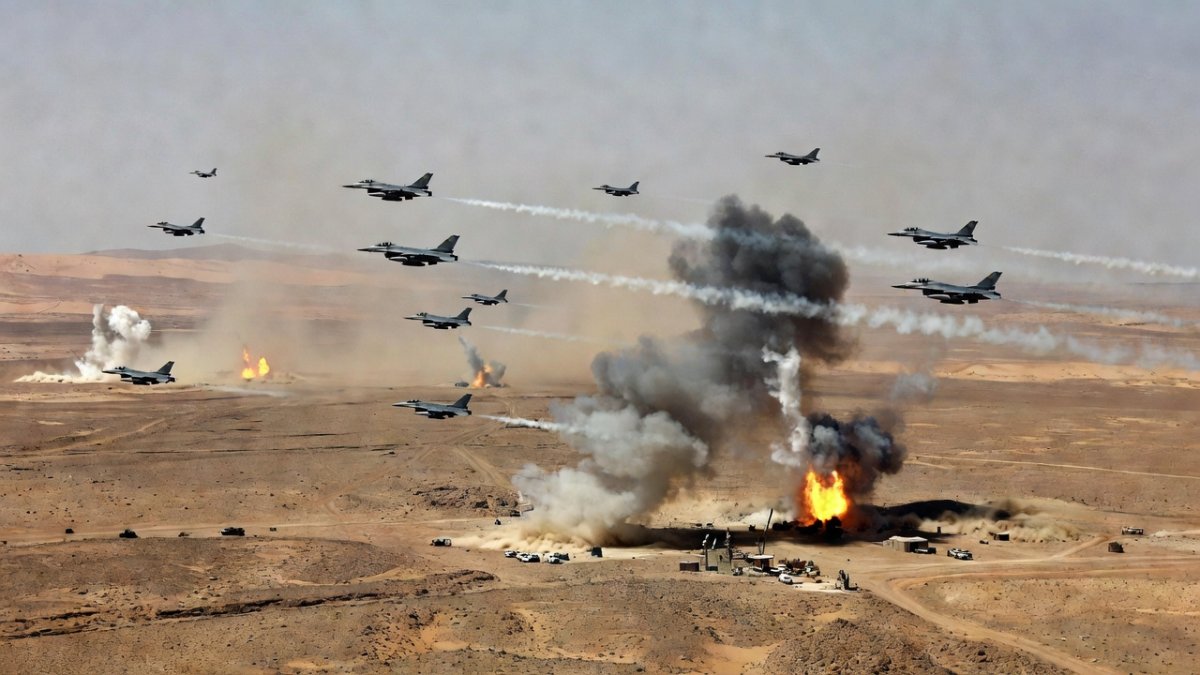
Jordanian forces intercepted five Iranian ballistic missiles aimed at US positions, part of a barrage that included at least four confirmed launches described by a US official as “a major attack.” These strikes followed IRGC efforts to project power through Iraqi proxies, raising alarms in Jerusalem about potential spillover that could activate Iranian-aligned cells near Israel’s eastern approaches. The pattern echoes Iran’s long-standing use of Jordanian territory as a transit corridor since the early 2000s, now intensified amid broader regional escalation. Israeli defense planners assess that successful interceptions buy time but underscore the need for enhanced intelligence sharing with Amman to prevent missiles or drones from reaching Israeli airspace during simultaneous threats from Lebanon and Gaza. Forward-looking assessments from regional security analysts suggest that repeated Jordanian involvement could strain the kingdom’s internal stability, indirectly affecting Israel’s diplomatic room to maneuver in containing Iranian nuclear advances.
Saudi Air Defenses Counter Drone Threats to Eastern Province Oil Facilities
Saudi air defenses intercepted drones aimed at oil facilities in the Eastern Province, with Saudi Defense Ministry spokesperson Turki al-Maliki stating that the drones originated from Iraq and were launched by Iran-backed militias. These incidents occurred amid heightened tensions, demonstrating Iran's strategy of using proxy networks to disrupt energy infrastructure across the Gulf region. For Israel, any escalation involving Saudi energy assets could influence broader Arab-Israeli normalization efforts and affect energy security dynamics in the Middle East.
Saudi Defense Ministry spokesperson Turki al-Maliki confirmed the drones originated from Iraq and were launched by Iran-backed militias, targeting Eastern Province energy infrastructure amid over 30 IRGC-directed attacks in the preceding days. For Israel, any sustained threat to Saudi oil output risks disrupting energy markets that underpin Gulf normalization deals, directly influencing economic stability and daily life through higher fuel costs and security alerts. This campaign builds on Iran’s decade-long strategy of using Iraqi proxies to pressure Gulf states, a tactic accelerated after the 2019 Abqaiq attacks. Israeli analysts argue these incidents strengthen the case for deeper intelligence cooperation with Riyadh, helping both nations counter the encirclement posed by Hezbollah, Hamas, and now Iraqi militias. Experts foresee that continued Saudi resilience could accelerate trilateral security frameworks involving Israel, though failure to deter further launches might push Gulf states toward more independent military postures.
Houthi Ballistic Missile Attacks on Saudi Oil Tanker in Red Sea
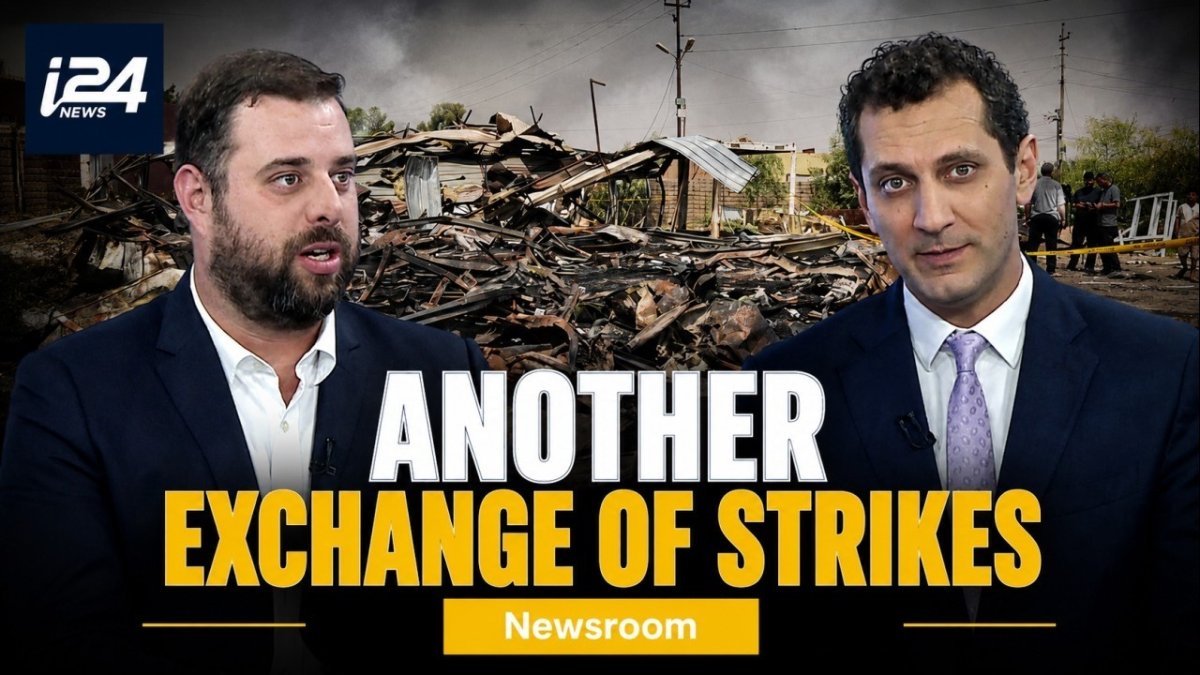
Houthi forces in Yemen fired ballistic missiles at a Saudi oil tanker operating in the Red Sea, adding another layer to the multi-front campaign coordinated by Iranian proxies. This action followed patterns of Houthi operations that have previously targeted maritime routes critical to global trade and regional economies. The involvement of Yemen-based groups illustrates Iran's ability to project power through distant proxies, a tactic that also sustains pressure on Israel via aligned militias in Lebanon and Gaza.
Houthi forces in Yemen launched ballistic missiles at a Saudi oil tanker, extending Iran’s multi-front proxy campaign that already includes over 30 drone strikes from Iraq. Israeli security officials monitor these Red Sea incidents closely, as disruptions to maritime routes could embolden Hezbollah and Hamas to intensify operations, affecting daily life through heightened border tensions and reservist call-ups. The attacks follow Iran’s pattern of arming distant proxies since the 2015 Saudi intervention in Yemen, creating a southern pressure point that complements threats from Lebanon and Gaza. Analysts at Tel Aviv’s Begin-Sadat Center emphasize that Houthi involvement stretches Iranian resources but also tests Israel’s ability to maintain deterrence across multiple theaters simultaneously. Looking forward, sustained Houthi activity may accelerate Israeli naval cooperation with Saudi and Emirati forces, though escalation risks drawing in additional actors and complicating cease-fire efforts.
IRGC Claims Strikes on Oil Tankers in Strait of Hormuz
The IRGC announced that three oil tankers had been struck and stopped in the Strait of Hormuz, disrupting key shipping lanes for energy exports. These claims came after CENTCOM paused its nightly strikes on Iran between July 8 and July 24 to facilitate negotiations aimed at reopening the strait. Control over the Strait of Hormuz remains a flashpoint that could draw in additional actors and heighten risks for all regional states, including Israel, which relies on stable maritime and energy corridors.
The IRGC announced strikes on three oil tankers in the Strait of Hormuz after CENTCOM paused nightly operations from July 8 to July 24 for negotiations. These actions followed Iranian missile launches toward Jordan and drone attacks from Iraq, directly threatening energy corridors vital to Israel’s economic security and diplomatic leverage in the Gulf. Control of the strait has been a flashpoint since Iran’s 1980s tanker war tactics, now revived to counter US-Saudi pressure. Israeli perspectives highlight how such disruptions could force greater reliance on alternative routes, increasing defense spending and affecting civilian energy prices amid ongoing multi-front threats. Regional experts assess that renewed IRGC activity may harden Israeli positions against any nuclear concessions, pushing for stronger maritime alliances to safeguard shared interests with Gulf partners.
Diplomatic Statements from Iranian and US Sides Amid Escalation
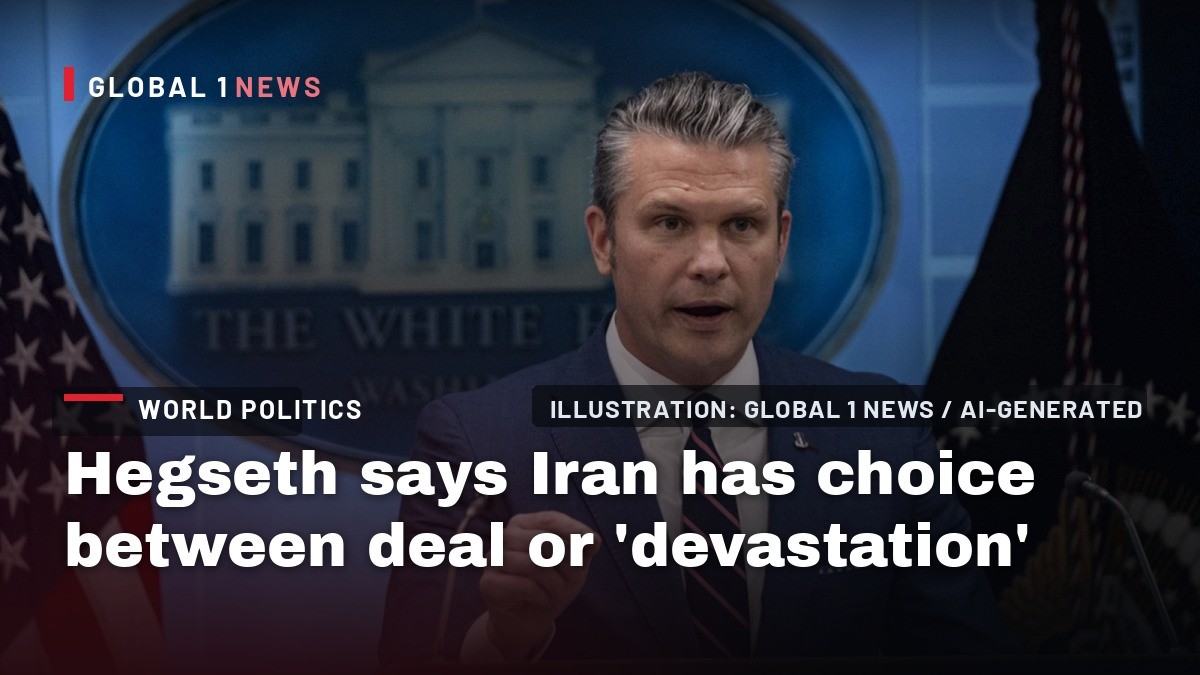
Iranian negotiator Marandi declared that Iran was fully prepared for all-out war, while a senior Iranian source indicated that if US attacks ceased, Iran would also halt operations, though skepticism outweighed optimism in assessments of the talks. US President Trump stated to Axios that very deep talks with Iran were underway, adding that failure would lead to a return to very strong military action. These exchanges reflect the fragile balance between military responses and negotiations, with outcomes directly influencing Israel's strategic calculations regarding Iranian nuclear ambitions and proxy encirclement.
Iranian negotiator Marandi stated Iran is “fully prepared for all-out war,” while a senior Iranian source indicated that if US attacks stop, Iran would halt operations—though skepticism outweighs optimism. President Trump noted “very deep talks with Iran” to Axios, warning that failure would trigger “very strong military action,” a dynamic Israeli officials watch for signs of shifting US commitment to countering Iranian proxies. These exchanges build on years of failed nuclear talks and proxy confrontations dating to the 2015 JCPOA era. From an Israeli viewpoint, the fragile balance influences daily security planning, as any perceived US restraint could embolden Hezbollah and Iraqi militias to test borders more aggressively. Analysts project that prolonged diplomatic uncertainty may accelerate Israel’s independent strike capabilities, while successful de-escalation could open pathways for broader regional containment of Iran.
Regional Security Dynamics and Israeli Strategic Concerns
The July 29, 2026, strikes by CENTCOM and Saudi forces against PMF-linked sites in eastern Iraq form part of a wider effort to counter Iranian expansion that threatens multiple borders, including those adjacent to Israel. Proxy attacks originating from Iraq, Jordan, Yemen, and the Gulf demonstrate Iran's multi-axis approach, which Israeli defense planners monitor closely due to risks of coordinated operations involving Hezbollah in Lebanon and other aligned groups. Continued instability in these theaters could accelerate Israeli security measures and affect diplomatic initiatives with Gulf states seeking to contain shared Iranian threats.
The coordinated US-Saudi strikes on PMF sites in eastern Iraq respond to Iranian expansion that now threatens Israel from Iraq, Jordan, Yemen, and the Gulf simultaneously. Israeli defense planners track these multi-axis operations due to risks of synchronized attacks involving Hezbollah’s estimated 150,000 rockets and Hamas capabilities in Gaza. Historical patterns since Iran’s 1979 revolution show repeated attempts to encircle Israel through proxies, intensified after the 2023-2024 Gaza conflict. Experts argue that continued instability accelerates Israeli security measures, including expanded Iron Dome deployments and intelligence operations that affect civilian routines near conflict zones. Forward analysis suggests these dynamics could solidify new security pacts with Gulf states, though unchecked escalation risks broader war that would reshape Israel’s strategic environment for years.
By Hannah Berg, Staff WriterThis article was produced with AI-assisted research and editorial support. Reporting is based on sources cited in the article.
What's Your Reaction?
 Like
0
Like
0
 Dislike
0
Dislike
0
 Love
0
Love
0
 Funny
0
Funny
0
 Wow
0
Wow
0
 Sad
0
Sad
0
 Angry
0
Angry
0

Israel Correspondent at Global1.News. Based in Tel Aviv, covering Israeli politics, security, technology, and society. Provides balanced, deeply-sourced reporting on one of the most closely-watched regions in the world.













Comments (0)