
Infantino Defends 2026 World Cup Amid Visa Controversies, Trump Intervention and Bafana Fallout
Gianni Infantino's 15-slide Instagram defence of the 2026 World Cup has ignited fresh outrage across African football circles, with South African fans left wondering how FIFA's promises of inclusion square with visa bans, political interference and governance lapses that sidelined Bafana Bafana once again. Infantino 2026 World Cup Defence Faces African Backlash Johannesburg, South Africa — Article continues...
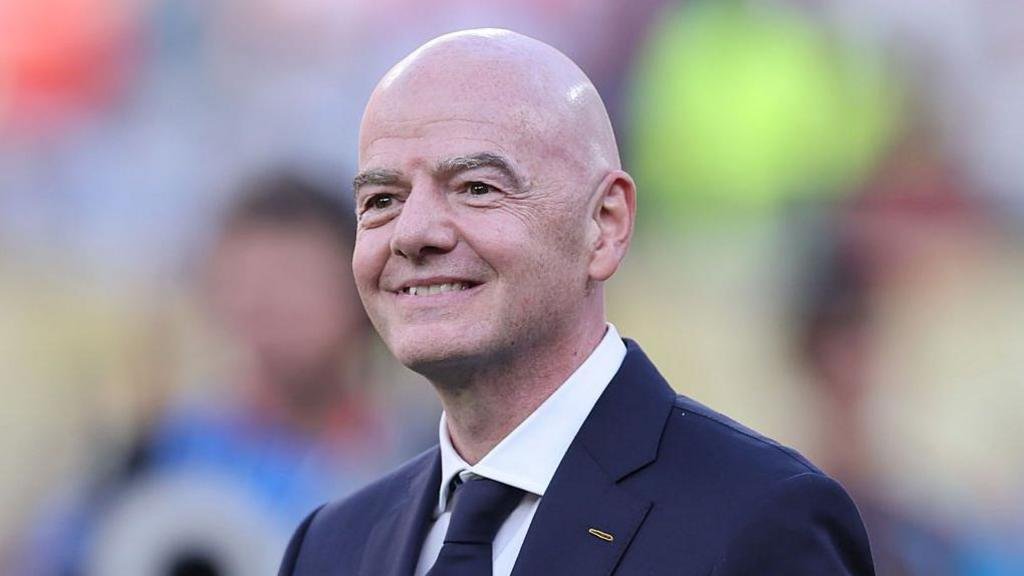
Gianni Infantino's 15-slide Instagram defence of the 2026 World Cup has ignited fresh outrage across African football circles, with South African fans left wondering how FIFA's promises of inclusion square with visa bans, political interference and governance lapses that sidelined Bafana Bafana once again.
Infantino 2026 World Cup Defence Faces African Backlash
Johannesburg, South Africa — Article continues...
Infantino Launches 15-Slide Defence of the 2026 World Cup
Gianni Infantino published a 15-slide Instagram post on July 27 that FIFA reposted to its eight million followers, telling critics to meditate, pray or watch a football match instead of spreading hate and false rumours. The FIFA president since 2016, re-elected unopposed in 2025, insisted the tournament delivered 100 percent safety and security with only joy and happiness, despite multiple documented incidents across the United States, Canada and Mexico co-hosts. South African supporters who followed the event from home noted the contrast with Bafana Bafana's failure to advance from CAF qualifiers, leaving the nation without a team at the first 48-team World Cup.
Gianni Infantino's ties to African football stretch back to his early days at UEFA, where he cultivated alliances with CAF powerbrokers to secure his 2016 FIFA presidency. Those relationships delivered votes from nations like Nigeria and Egypt, yet many South African observers recall how his promises of infrastructure support for smaller associations often faded once the ballots were counted. SAFA has walked a careful line, endorsing FIFA's development programmes while quietly pushing for greater transparency on funding allocations that never quite reached grassroots clubs in the townships. African federations have voiced frustration with Infantino's leadership through COSAFA meetings, where delegates from Zambia and Botswana have questioned the slow pace of promised technology transfers and referee training. South Africa, still smarting from the 2010 World Cup legacy projects that left stadiums underutilised, has maintained diplomatic engagement with FIFA to keep bidding options open for future tournaments. This pragmatic stance contrasts with sharper criticism from East African members who feel marginalised in decision-making.
The irony of Infantino urging critics to meditate or watch football lands heavily in South Africa, where his 2022 Qatar remarks about feeling Qatari or a migrant worker are remembered as tone-deaf posturing. Those words rang hollow against the backdrop of labour concerns that African players and officials still raise today. SAFA's ongoing compliance with FIFA governance rules keeps the door open for 2030 hosting talks, yet local fans wonder whether another Infantino-led cycle will truly deliver equitable opportunities.
Spain Defeat Argentina in Final Amid On-Field Clashes
Spain won the 2026 World Cup by beating Argentina in the final, yet FIFA is still investigating altercations involving Argentina players after the match. Supporters were arrested at multiple venues, including the England versus Argentina semi-final in Atlanta, while allegations of racist abuse directed at American influencer IShowSpeed surfaced during the tournament. La Liga president Javier Tebas and former FIFA president Sepp Blatter both called for Infantino's resignation in the wake of these events, adding pressure on the organisation that governs South African football through SAFA's membership.
Javier Tebas of La Liga and former FIFA boss Sepp Blatter have both publicly demanded Infantino step down, citing governance lapses that threaten the organisation's credibility. Their calls gain traction as FIFA prepares for the 2030 and 2034 World Cups, tournaments that will test whether the expanded format truly benefits emerging nations or simply pads revenue streams. South African stakeholders follow these developments closely, aware that voting blocs within CAF and COSAFA can sway outcomes. SAFA's position in the FIFA hierarchy remains one of steady participation rather than loud confrontation, aligning with regional partners to push for development funds while avoiding open rifts. This approach has secured modest gains in coaching education programmes, yet critics within the local game argue it leaves South Africa vulnerable when bigger powers shift alliances. The accountability question looms large, with fans demanding clearer audits on how World Cup revenues reach African grassroots.
Broader calls for reform highlight the need for term limits and independent oversight that current structures lack. For African football, these debates represent a chance to demand more than symbolic representation. South African voices stress that genuine change requires federations to vote with courage, not just follow established lines.
Visa Restrictions Hit Iran and Other African Teams
Iran coach Amir Ghalenoei described his side as the most oppressed team at the tournament after US visa restrictions forced the team to relocate its training base from Tucson to Tijuana, with staff denied entry and fans having tickets revoked. Iran faced further travel restrictions between matches in Los Angeles and Seattle, yet Infantino claimed the team entered the United States without incident or conflict. Fans from Haiti, Senegal and Ivory Coast were affected by Trump administration travel bans, while Somali referee Omar Artan was denied entry to the US despite holding a valid visa and diplomatic passport, because of his "association with suspected members of terror organisations".
South African football knows visa headaches all too well, from PSL clubs struggling to secure work permits for overseas signings to Bafana Bafana supporters facing last-minute denials for away qualifiers. The Iran situation echoes these frustrations, highlighting how political barriers disrupt the beautiful game's flow for nations already fighting for global respect. When travel documents become weapons, smaller federations bear the brunt while wealthier confederations sail through. The ripple effects from earlier Trump-era travel restrictions hit Haitian, Senegalese and Ivorian fans hard during CONCACAF and CAF qualifiers, forcing families to miss matches or reroute through costly third countries. African teams routinely navigate disproportionate obstacles, whether it's exorbitant flight costs from Johannesburg to distant venues or bureaucratic delays that leave squads jet-lagged before crucial fixtures. These hurdles compound the talent drain as promising players weigh safer leagues closer to home.
Bafana Bafana and the Springboks have endured their share of tour disruptions, from delayed equipment clearances in certain Asian nations to sudden policy shifts affecting medical staff. SAFA officials have lobbied quietly through diplomatic channels to smooth these paths, yet the pattern persists. Such experiences make the current visa standoff feel personal, reminding South African supporters that football's global stage remains uneven for those outside the traditional power centres. Travel bans that blocked Senegalese and Ivorian supporters from key matches, alongside the denial of entry to Somali referee Omar Artan despite his valid visa and diplomatic passport, send a chilling signal about future events hosted in the United States. African officials and players now question whether hosting guarantees will translate into smooth access, especially when political climates shift unpredictably. These incidents compound existing logistical burdens for CAF nations.
South Africa's 2010 World Cup legacy stands in contrast, remembered for its warmth and organisational success, yet the 2026 tournament's controversies risk overshadowing that goodwill. Fans here recall the unity of that summer while worrying that similar barriers could affect future bids or participation. The message is clear: African football must build stronger diplomatic and logistical safeguards. Lessons for the continent include diversifying hosting ambitions, strengthening internal confederation support networks, and advocating for neutral arbitration on access issues. By learning from these setbacks, African federations can push for a more level playing field where talent, not paperwork, determines who competes.
Trump Intervention in Folarin Balogun Case
FIFA suspended an automatic one-match ban for US striker Folarin Balogun after President Donald Trump personally called Infantino. Infantino defended the move, saying "potentially mistaken red or yellow cards or subsequent decisions not to ban players in certain situations are routine and widely accepted in some of the biggest leagues worldwide". Infantino added: "It's curious that the same countries employing these practices are the ones criticising."
Reports that President Trump personally phoned Infantino to lift Folarin Balogun's suspension underscore a troubling new chapter in football governance. The American striker's case, tied to a club disciplinary matter, suddenly carried presidential weight, setting a precedent where political muscle can override FIFA's own processes. For smaller nations like South Africa, this raises alarms about whose calls get answered when disputes arise. The move chips away at perceptions of fairness, especially when African associations lack equivalent access to world leaders. SAFA has long navigated political involvement in sport, from government pressure during the 2010 World Cup preparations to ongoing debates over transformation quotas in the PSL. History shows such interventions can accelerate results but often erode trust in independent bodies meant to protect the game's integrity.
Smaller federations watch nervously as this episode unfolds ahead of expanded World Cups. If political figures can influence suspensions, what stops similar pressure on qualification rulings or hosting decisions? South African football administrators emphasise the need for clear boundaries, drawing from past experiences where state involvement helped integration yet sometimes complicated pure sporting merit.
What This Means for South African Football
Bafana Bafana's absence from the first 48-team World Cup despite Africa's nine allocated slots exposes deep structural gaps that SAFA must confront. The expanded format was supposed to open doors for African nations, yet South Africa's failure to advance from qualifiers left the nation watching from home once more. SAFA has walked a careful line within FIFA governance, endorsing development programmes while quietly pushing for transparency on funding allocations. The broader governance questions surrounding Infantino's leadership affect how South African football administrators approach their relationship with world football's governing body.
Bafana Bafana's failure to reach the 48-team World Cup despite Africa's nine allocated slots exposes deep structural gaps in South African football. The expanded format was meant to open doors, yet inconsistent results in qualifiers left the nation watching from home once more. This outcome hits hard after years of investment promises, forcing SAFA to confront why domestic talent pipelines have not delivered sustained international success. The impact stretches beyond the national team to grassroots programmes starved of resources and PSL clubs reluctant to prioritise youth academies over short-term imports. Coaching development lags, with few pathways for local tacticians to gain high-level experience comparable to European counterparts. Supporters in the townships feel the frustration most, seeing potential wasted while neighbouring nations like Morocco advance.
Change requires targeted PSL investment in scouting networks, better youth structures modelled on successful African academies, and accountability from SAFA leadership on spending. Without these shifts, expanded tournaments will continue to pass South Africa by, regardless of slot allocations. The next cycle demands urgent action if the nation hopes to reclaim its place on the global stage.
The Bigger Picture for African Football
The 2026 World Cup will be remembered for record ticket sales exceeding five million and an expanded 48-team format, but these controversies threaten to overshadow those achievements. Infantino's dismissal of legitimate concerns about visas, safety, and disciplinary fairness raises questions about accountability that resonate deeply in South Africa, where sport has historically served as a vehicle for social justice and transparency. For South African football, the lesson is clear: qualification pathways, diplomatic safeguards, and governance standards must improve if the nation hopes to participate in future tournaments on an equal footing. The next World Cup cycle demands urgent action from SAFA, the PSL, and every stakeholder invested in the beautiful game's future in this country.
By Dante Williams, Staff Writer
This article was produced with AI-assisted research and editorial support. Reporting is based on sources cited in the article.
What's Your Reaction?
 Like
0
Like
0
 Dislike
0
Dislike
0
 Love
0
Love
0
 Funny
0
Funny
0
 Wow
0
Wow
0
 Sad
0
Sad
0
 Angry
0
Angry
0
Breaking News and Investigations Correspondent at Global1.News. Based in London, covering global breaking news, security, and investigative stories. Known for digging deeper and connecting the dots across continents.









Comments (0)