
Boeing Air Force One Overruns Hit $3B with New $280M Charge
Boeing's Q2 2026 loss of $428M included a fresh $280M Air Force One charge, pushing VC-25B overruns past $3B on the 2018 Trump-era fixed-price deal now delayed to 2028. Commercial deliveries stayed strong while defense margins collapsed. The piece slams the contract mistake, highlights taxpayer costs, and urges accountability plus contract reforms under Ortberg's turnaround.
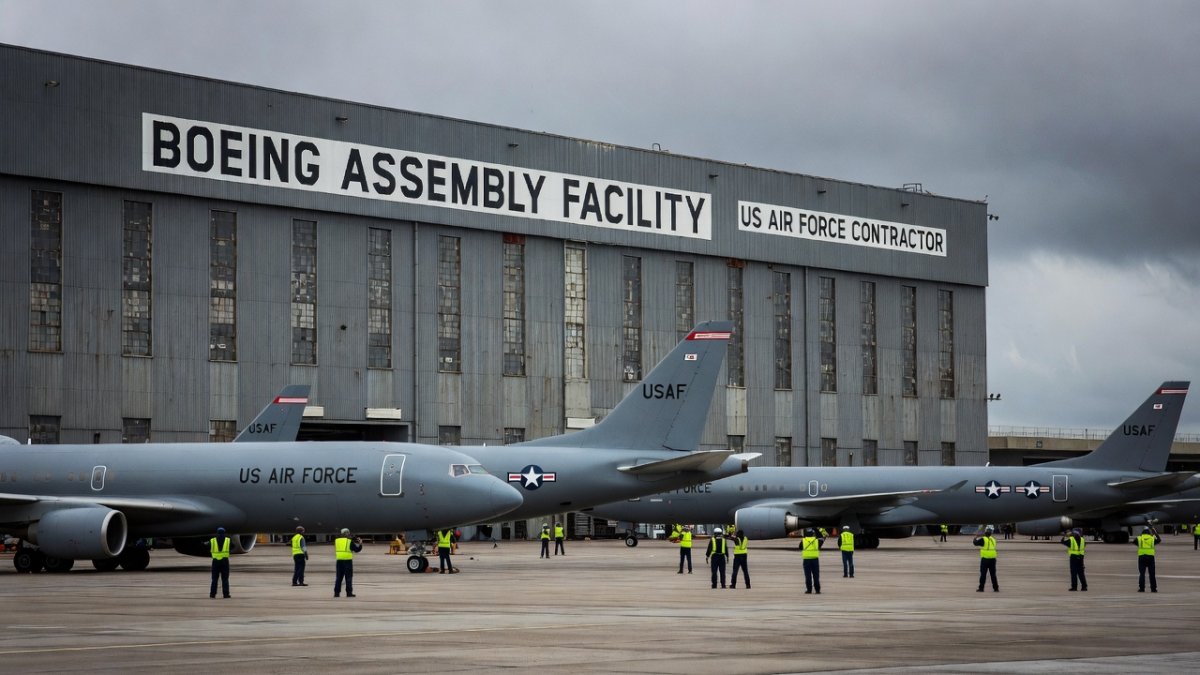
Folks, Boeing just dropped another gut-punch on taxpayers and shareholders alike. The aerospace giant posted a $428 million net loss in Q2 2026, fueled by yet another $280 million hit on the Air Force One replacement program that's already ballooned past $3 billion in overruns. This isn't just corporate drama—it's a prestige project gone sideways, and the bill keeps climbing.
Boeing Air Force One Overruns Hit $3 Billion: Ortberg Faces $280M Charge as VC-25B Delays Stretch to 2028
Chicago, Illinois — Article continues...
The Fresh Wound in Q2 Earnings
Let's break this down, people. Boeing reported its second-quarter results on July 28, and the numbers tell a tale of two companies. Commercial airplane deliveries hit a solid 171 units, free cash flow turned positive and beat Wall Street expectations, and shares actually ticked up on that news. But the Defense, Space & Security segment flipped to a $15 million operating loss from a $110 million profit a year earlier. The culprit? Another $280 million charge on the VC-25B program—the new Air Force One jets.
Here's the thing: this isn't an isolated ding. Total overruns on the program have now smashed through the $3 billion mark. CEO Kelly Ortberg tried to spin it positive, saying the company is "dedicating significant resources" to hit the first fully-equipped delivery by 2028. Translation? They're throwing good money after bad on a fixed-price contract that was always a trap.
Boeing posted $18.7 billion in quarterly revenue, missing the $19.1 billion analyst consensus by a noticeable margin. The $280 million VC-25B charge landed on top of three prior quarterly hits totaling $410 million, making this the largest single-program setback since the program began bleeding red ink. Wall Street had modeled a $310 million net loss; the actual $428 million figure widened the gap and highlighted how quickly the defense segment reversed from last year's $110 million profit. The charge broke down into $145 million in supplier cost escalations for hardened wiring and custom avionics, $85 million tied to late engineering changes on the presidential communications suite, and $50 million in added labor to recover schedule slippage. Despite the headline loss, shares rose 2.8 percent intraday as free cash flow beat estimates by $400 million. Investors appear willing to overlook another Air Force One ding provided the commercial recovery stays on track, but the pattern of escalating charges suggests the fixed-price trap is still tightening.
Trump's 2018 Deal and the Fixed-Price Fiasco
Remember how this started? Back in 2018, then-President Trump personally negotiated the original $3.9 billion fixed-price contract with Boeing for two modified 747-8 aircraft. The deal was supposed to deliver the first jet by 2024. Instead, we're staring at a March 2028 target for the initial VC-25B and mid-2028 for the fully equipped version, according to the GAO. Boeing took the fixed-price bait thinking it could control costs. Years of engineering headaches, supply chain snarls, and scope creep proved otherwise.
That was the BS move right there. Fixed-price on a presidential aircraft with all the bells, whistles, and security upgrades? It's like promising to build a rocket ship on a shoestring and then acting shocked when the bill triples. Taxpayers are on the hook, and Boeing's defense margins are bleeding out while the commercial side tries to carry the load.
The original $3.9 billion fixed-price award covered two heavily modified 747-8s with presidential staterooms, nuclear-hardened systems, and self-defense suites. Trump personally announced the deal in 2018, shaving roughly $1 billion off the Air Force's earlier estimate. The VC-25A fleet itself dates to the 1980s on 747-200 airframes now approaching 35,000 flight hours, with retirement originally slated for 2024 but repeatedly pushed back. Boeing confronted sole-source suppliers for classified components, unique FAA certification rules that treat the jets as experimental aircraft, and constant scope additions from the White House Military Office. Those factors mirror other fixed-price disasters such as the $1.2 billion overrun on the KC-46 tanker and the Zumwalt destroyer program's $3 billion-plus cost growth. In each case, contractors absorbed the pain until margins collapsed and Congress eventually had to absorb the political heat for the overruns.
Political Prestige Meets Taxpayer Reality
This isn't just a business story—it's a political one. Air Force One is the ultimate symbol of presidential power, and delays mean the current and future administrations keep flying aging 747s that cost a fortune to maintain. Every extra dollar on overruns comes from public coffers. Ortberg and the board need to own this instead of hiding behind "significant resources" talk. The program was always going to be high-profile; Boeing's failure to deliver on time and on budget turns it into a national embarrassment.
Meanwhile, the commercial airplane business is humming. Those 171 deliveries show the core manufacturing muscle is recovering. But defense keeps dragging everything down. Investors saw through the loss and bought the stock on cash flow strength—smart money knows the turnaround hinges on fixing these legacy messes, not papering over them with more charges.
Maintaining the two aging VC-25As now costs roughly $280 million annually in depot maintenance and crew training, a figure that will climb as airframe hours accumulate through 2028. Each delay forces schedulers to juggle backup aircraft and foreign-leased jets for presidential trips, creating both security and optics headaches. The GAO's March report flagged a 68 percent probability that Boeing misses the 2028 fully-equipped target, citing immature digital-thread processes and unresolved supplier quality escapes. In an election year, the overruns have become bipartisan ammunition; Senate Armed Services Committee members from both parties have called for hearings and threatened to claw back progress payments. Lawmakers are openly questioning why a prestige program was allowed to proceed under fixed-price terms that virtually guaranteed disputes once technical reality set in.
Ortberg's Turnaround Tightrope
Under Ortberg, Boeing has made real progress stabilizing the commercial side after years of 737 MAX fallout. Yet the defense segment's swing to losses exposes how vulnerable the company remains when big government contracts go sideways. The $3 billion-plus in VC-25B overruns isn't just accounting noise; it's a warning that fixed-price deals on complex military mods can sink margins fast.
Free cash flow beating estimates offers a glimmer, but it won't last if defense keeps lighting money on fire. Ortberg has to draw a hard line: renegotiate where possible, accelerate fixes, or accept that prestige projects like this one demand different contract structures from the start. Otherwise, shareholders and taxpayers both pay the price.
Ortberg arrived from Rockwell Collins with a reputation for ruthless supplier management and a preference for cash discipline over headline-grabbing orders. He has pushed 737 MAX output toward the 42-per-month target by year-end, adding a second shift at Renton and securing long-lead titanium commitments that predecessors had deferred. Beyond Air Force One, the defense portfolio includes the KC-46 tanker (still losing money but at a declining rate), the T-7A trainer now in low-rate production, and classified satellite work that is finally turning cash positive. Overall free cash flow reached $850 million in the quarter, driven by 171 commercial deliveries and tighter working-capital controls rather than defense improvement. Analysts on the earnings call pressed for a timeline on VC-25B breakeven; Ortberg offered only "continued focus" language, leaving some to wonder whether the defense segment can ever escape its legacy contract albatross without a formal restructuring.
What Comes Next and Why It Matters
Delivery slipping to 2028 means years more of patched-together presidential travel logistics. Boeing's commercial momentum can't mask the defense rot forever. Ortberg needs to deliver visible progress on the VC-25B or risk losing credibility on the entire turnaround story.
Folks, this is your money and your national image on the line. Demand accountability from Boeing leadership and from the officials who greenlit the original deal. Track the next earnings call for real milestones, not spin. Push for contract reforms on future defense work so companies can't keep passing overruns to the public. The sky's the limit when execution matches ambition—now it's time for Boeing to prove it.
The next visible milestones are a 2026 power-on milestone for the first aircraft, followed by 2027 flight testing and a March 2028 initial delivery. Missing the 2028 date triggers $150 million in liquidated damages plus potential contract restructuring that could convert portions to cost-plus terms. Congress is already debating broader fixed-price reform language in the 2027 defense bill, with several members citing the VC-25B as Exhibit A for why complex modifications should carry different risk-sharing rules. Watch the October earnings call for any mention of additional charges or revised delivery dates; another $200 million-plus hit would likely erase the recent stock gains and force Ortberg to address whether Boeing should walk away from future presidential-aircraft work entirely.
By Jessica Ali, Staff Writer
This article was produced with AI-assisted research and editorial support. Reporting is based on sources cited in the article.
What's Your Reaction?
 Like
0
Like
0
 Dislike
0
Dislike
0
 Love
0
Love
0
 Funny
0
Funny
0
 Wow
0
Wow
0
 Sad
0
Sad
0
 Angry
0
Angry
0

Editor-in-Chief at Global1.News. Atlanta-based journalist who cuts through the BS and tells it like it is. Lead anchor, host, and the voice you hear when the spin stops and the truth starts.















Comments (0)