
US Retail Sales Tumble as Consumers Slam the Brakes After Banking Chaos and Smaller Refunds
US Retail Sales Tumble as Consumers Slam the Brakes After Banking Chaos and Smaller Refunds The March retail sales report delivers a clear warning shot that Americans are already tightening their belts. Spending at US retailers dropped 1% from the prior month, a steeper fall than the 0.4% decline economists had penciled in. That weakness follows a revised 0.2% drop in February
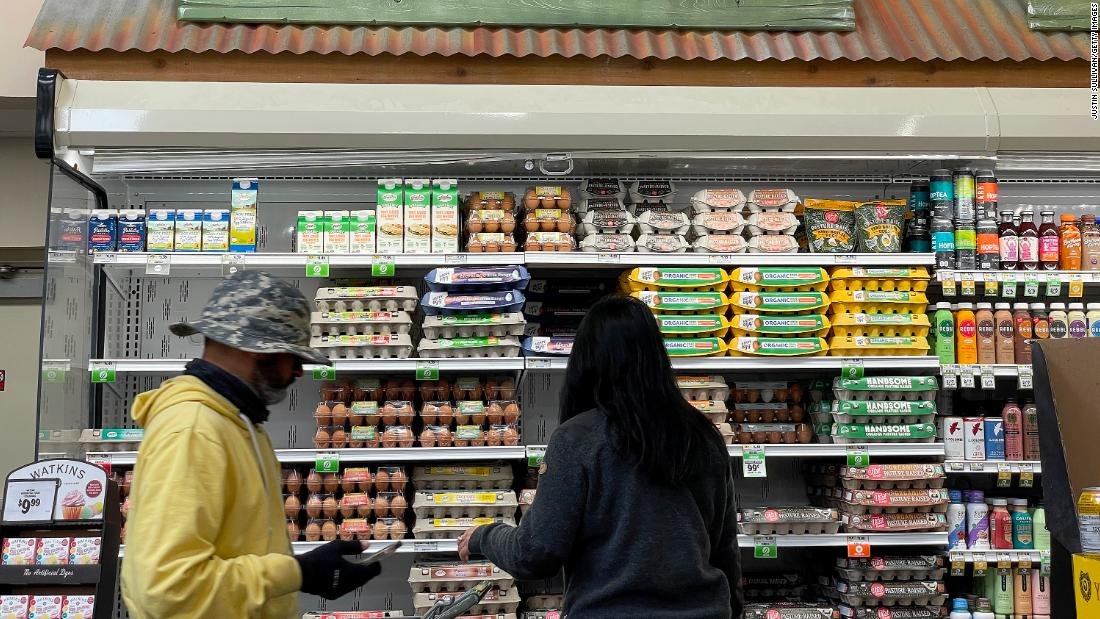
The March retail sales report delivers a clear warning shot that Americans are already tightening their belts. Spending at US retailers dropped 1% from the prior month, a steeper fall than the 0.4% decline economists had penciled in. That weakness follows a revised 0.2% drop in February and comes as the banking crisis keeps feeding recession fears across the country.
Year-over-year numbers still show a 2.9% gain, but that headline masks the month-to-month reality hitting households right now. When you strip out gas station sales, retail spending still retreated 0.6%. The data points to real pullback, not some statistical blip the corporate press wants to spin away.
The Raw Data Exposes a Broad Pullback
Commerce Department figures released Friday show spending at general merchandise stores plunged 3% in March. That category covers everyday department store purchases millions of families rely on. Gas station sales fell even harder, dropping 5.5% from February levels.
These declines hit after the IRS issued just $84 billion in tax refunds this March. That total sits roughly $25 billion below the same period last year. Less money flowing back into checking accounts means less cash for appliances, furniture, and other durable goods that normally get refreshed with refund checks.
Investors are already connecting the dots between smaller refunds and the spending slowdown. The numbers line up too cleanly to dismiss as coincidence. When refunds shrink and enhanced food assistance benefits expire at the same time, the math for household budgets gets ugly fast.
Tax Refunds and Expired Benefits Hit Spending Hard
Aditya Bhave, senior US economist at BofA Global Research, noted that March is a critical month for refunds. Many households planned around last year’s larger payouts and got caught short when the IRS delivered less. That mismatch forced immediate cutbacks at the register.
Bank of America researchers tracking credit and debit card spending per household saw the slowest pace in more than two years during March. The combination of smaller refunds, expired pandemic-era SNAP boosts, and moderating wage growth created a triple squeeze that left less room for discretionary purchases.
These factors did not appear overnight. Enhanced benefits ended in February, setting the stage for March weakness. The data shows consumers did not suddenly lose confidence for no reason; they simply had less cash available after routine government support faded.
Wage Growth Slows While Prices Keep Pressure On
Average hourly earnings rose 4.2% in March from a year earlier, according to Bureau of Labor Statistics data. That marks the smallest annual increase since June 2021 and follows a 4.6% pace the prior month. Slower wage growth leaves workers with thinner margins even before inflation is factored in.
The Employment Cost Index has already shown moderating pay gains over the past year. When combined with higher year-ahead inflation expectations, the picture for real purchasing power looks worse than the raw wage number suggests. Households feel the difference at the pump and the grocery aisle long before official statistics catch up.
Job Market Still Adds Positions but Loses Steam
Employers added 236,000 jobs in March, a solid figure by historical standards yet below the average monthly pace seen in the prior six months. The Bureau of Labor Statistics report confirms the labor market retains some strength but has clearly cooled from its earlier pace.
February’s Job Openings and Labor Turnover Survey showed available positions remained elevated but had already fallen more than 17% from the March 2022 peak of 12 million. Revised unemployment claims data also came in higher than first reported, hinting at softening demand for workers.
Federal Reserve economists had already projected subdued growth with recession risks before the Silicon Valley Bank and Signature Bank collapses. Those failures only amplified existing concerns about how higher interest rates would eventually filter through to hiring and spending.
Banking Turbulence Adds Fresh Uncertainty
Consumer sentiment tracked by the University of Michigan worsened slightly in March amid the bank failures. The damage did not appear out of nowhere; readings had already started sliding before the regional bank turmoil hit the headlines.
Effects on day-to-day consumer behavior have stayed limited so far, but the psychological impact lingers. People remember 2008. When institutions that were supposed to be solid start wobbling, spending caution becomes the default response even if personal finances have not yet taken a direct hit.
Inflation Expectations Jump Despite Steady Sentiment
The latest University of Michigan reading showed sentiment held steady in April even after the banking stress. Yet higher gas prices pushed year-ahead inflation expectations up a full percentage point, climbing from 3.6% in March to 4.6% in April.
Joanne Hsu, director of the surveys of consumers at the University of Michigan, stated that consumers did not perceive material changes in the economic environment in April. At the same time, she noted people are expecting a downturn and are simply waiting for the other shoe to drop.
What the Data Means for Households Right Now
Michelle Meyer, North America chief economist at Mastercard Economics Institute, pointed out that income growth, balance sheets, and labor market health still provide a favorable backdrop for consumers overall. That assessment holds only if the recent softening in hiring and wages does not accelerate.
The March sales drop, smaller refunds, and rising inflation expectations together paint a picture of households bracing for tougher months ahead. Corporate media may emphasize the year-over-year gain, but the month-to-month reality shows spending momentum has already turned negative.
The Bottom Line on Economic Reality
This report is not an outlier. It lines up with slowing wage gains, cooling job openings, and consumers who have already started adjusting behavior after smaller refunds and expired benefits. The banking crisis simply added another layer of caution on top of trends already in motion.
Officials at the Federal Reserve will watch these numbers closely as they weigh how much further the lagged effects of rate hikes will bite. For working households, the message is straightforward: the cushion is thinner than it was last year, and the data shows people are already acting accordingly.
By Jessica Ali, Staff Writer
This article was produced with AI-assisted research and editorial support. Reporting is based on sources cited in the article.
What's Your Reaction?
 Like
0
Like
0
 Dislike
0
Dislike
0
 Love
0
Love
0
 Funny
0
Funny
0
 Wow
0
Wow
0
 Sad
0
Sad
0
 Angry
0
Angry
0

Editor-in-Chief at Global1.News. Atlanta-based journalist who cuts through the BS and tells it like it is. Lead anchor, host, and the voice you hear when the spin stops and the truth starts.














Comments (0)