
KREA 2 LoRA Training: Master Custom AI Images Fast
The July 5, 2026 YouTube video from Aitrepreneur delivers a complete walkthrough for training custom LoRAs on KREA 2, the 12.9B-parameter open-weights model released by Krea AI in May 2026. This tutorial arrives weeks after the company posted full weights and inference code on Hugging Face under a permissive license on June 23, 2026. Viewers now have a direct path to fine-tune
The July 5, 2026 YouTube video from Aitrepreneur delivers a complete walkthrough for training custom LoRAs on KREA 2, the 12.9B-parameter open-weights model released by Krea AI in May 2026. This tutorial arrives weeks after the company posted full weights and inference code on Hugging Face under a permissive license on June 23, 2026. Viewers now have a direct path to fine-tune the top-10 leaderboard model for specific characters, styles, and subjects instead of relying on closed systems.
KREA 2 LoRA Training Unlocks Personalized Results on Open 12.9B Model
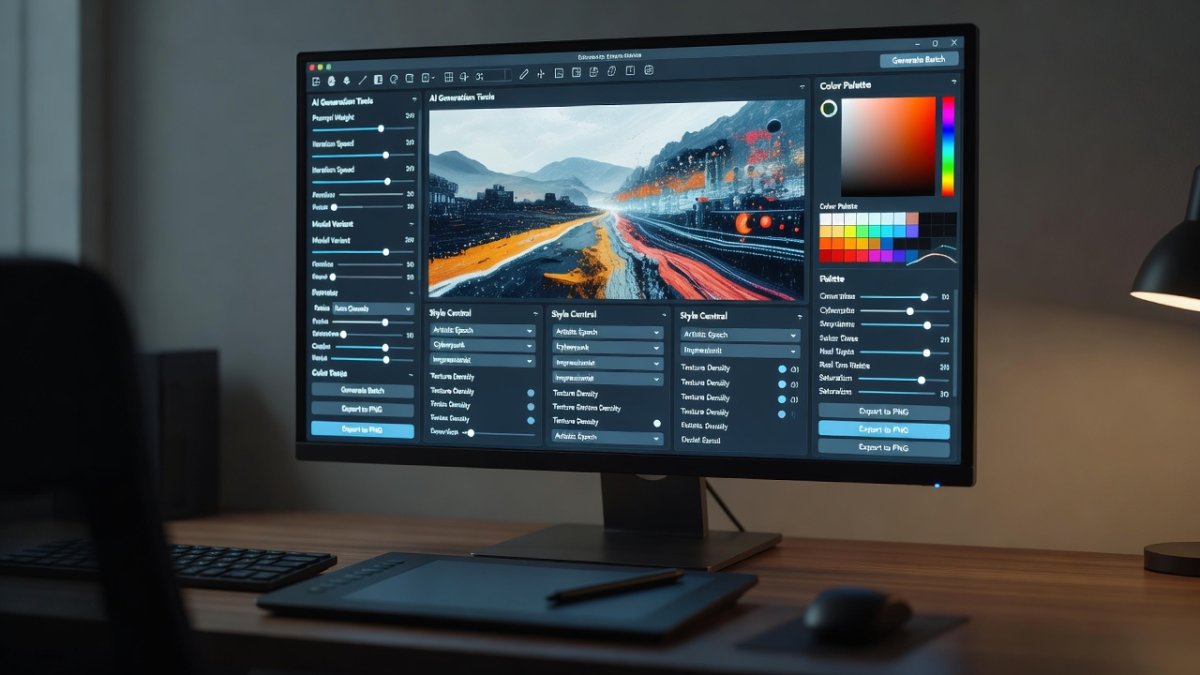
Atlanta, GA - July 6, 2026 - Krea AI dropped KREA 2 in May 2026 as a 12.9B-parameter text-to-image foundation model that immediately landed in the top 10 on the Artificial Analysis leaderboard. The release included both RAW and Turbo variants, moodboard-driven generation, explicit style controls, and Turbo-mode 2K output in roughly two seconds. On June 23 the company published the complete weights and inference code on Hugging Face, giving developers and creators the same access previously limited to closed labs.
KREA 2 Changes the Open-Weights Playing Field
KREA 2 stands out because it ships with full weights rather than API-only access. Most competing foundation models remain locked behind corporate gates, forcing users to accept whatever safety filters and style defaults the provider chooses. Krea AI's decision to release on Hugging Face under a permissive license removes that gate. The 12.9B parameter count and leaderboard ranking confirm the model already competes on raw quality, while the Turbo variant delivers the speed creators need for iteration.
Why LoRA Training Matters for This Model
LoRA fine-tuning lets users adapt the base model to specific characters, artistic styles, or subjects without retraining all 12.9 billion parameters. The technique keeps training costs and hardware requirements manageable while preserving the original model's aesthetic strengths. Because KREA 2 already emphasizes moodboard and style control, LoRA training extends those native features instead of fighting against them.
What Aitrepreneur's Tutorial Actually Covers
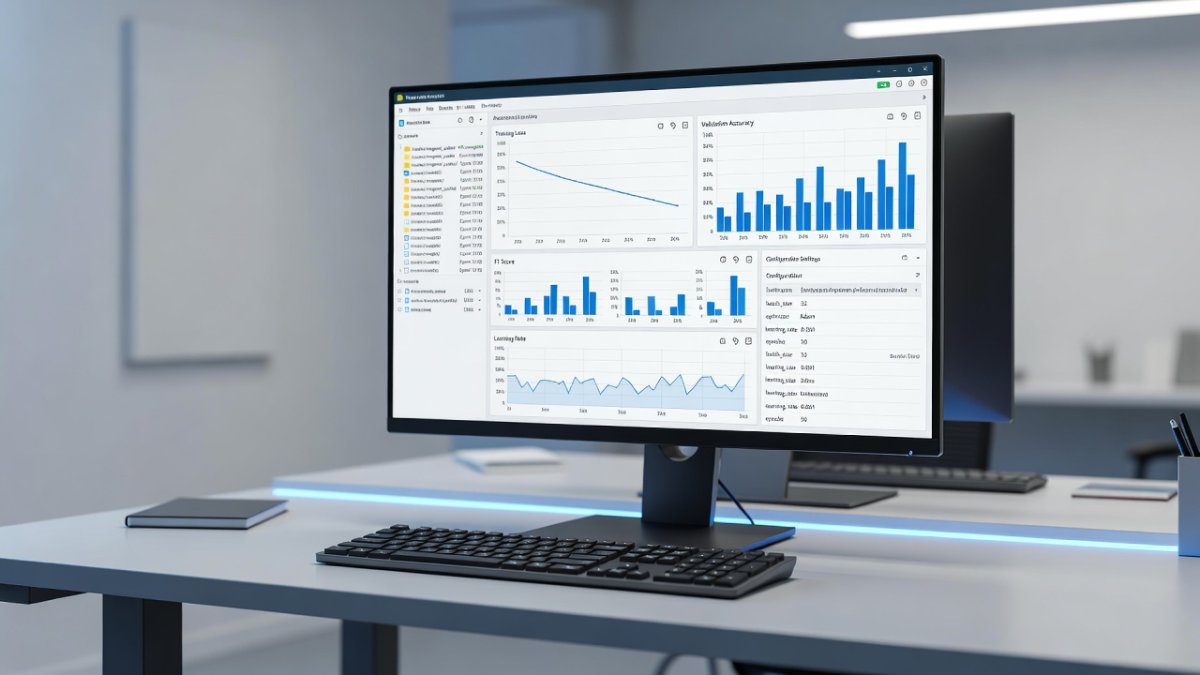
The July 5 video walks through dataset preparation, captioning best practices, and exact AI-Toolkit settings required for stable training. It separates character training workflows from style training workflows, showing how each benefits from different caption densities and learning rates. Viewers see concrete examples of image selection, tagging consistency, and configuration choices that produce usable LoRAs on the first or second attempt rather than after dozens of failed runs.
Open Models Versus Closed Labs in 2026
Closed providers continue to restrict fine-tuning and impose usage policies that shift without notice. KREA 2's open release flips that dynamic. Anyone with sufficient GPU resources can now run the base model locally and train personal adaptations. This shift mirrors earlier moments when Stable Diffusion weights became public, but at a higher parameter count and with stronger native aesthetic controls already built in.
What This Means for Creators and Artists
Independent artists gain the ability to lock in a consistent character across hundreds of images without paying per-generation fees or accepting random style drift. Studios can prototype visual directions internally before committing to larger productions. AI enthusiasts who previously hit limits with closed tools now have a documented path to replicate specific looks or subjects on consumer-grade hardware once the LoRA is trained.
What to Know
Start with the June 23 Hugging Face release to confirm you have the current weights. Follow the dataset and captioning steps shown in the Aitrepreneur video before adjusting AI-Toolkit parameters. Test small character LoRAs first, then move to style training once the workflow is stable. Keep training runs short and compare outputs against the base model to measure improvement. Local inference with the Turbo variant keeps iteration fast even after the LoRA is loaded.
The KREA 2 release and this training tutorial together mark a practical step toward truly customizable open image generation. Closed models will keep adding features, but the ability to own and modify your own weights remains the decisive advantage for anyone serious about consistent results.
By Jessica Ali, Staff Writer
This article was produced with AI-assisted research and editorial support. Reporting is based on sources cited in the article.
What's Your Reaction?
 Like
0
Like
0
 Dislike
0
Dislike
0
 Love
0
Love
0
 Funny
0
Funny
0
 Wow
0
Wow
0
 Sad
0
Sad
0
 Angry
0
Angry
0

Editor-in-Chief at Global1.News. Atlanta-based journalist who cuts through the BS and tells it like it is. Lead anchor, host, and the voice you hear when the spin stops and the truth starts.










Comments (0)