
Ukrainian Drone Strikes Kill 2 in Belgorod and Target Wildberries Warehouse in Urals
Ukraine launched over 300 drones into Russian territory, killing two civilians in Belgorod and disrupting operations at a major Wildberries logistics center in Yekaterinburg and an oil refinery in Tyumen, underscoring the expanding reach of the conflict.
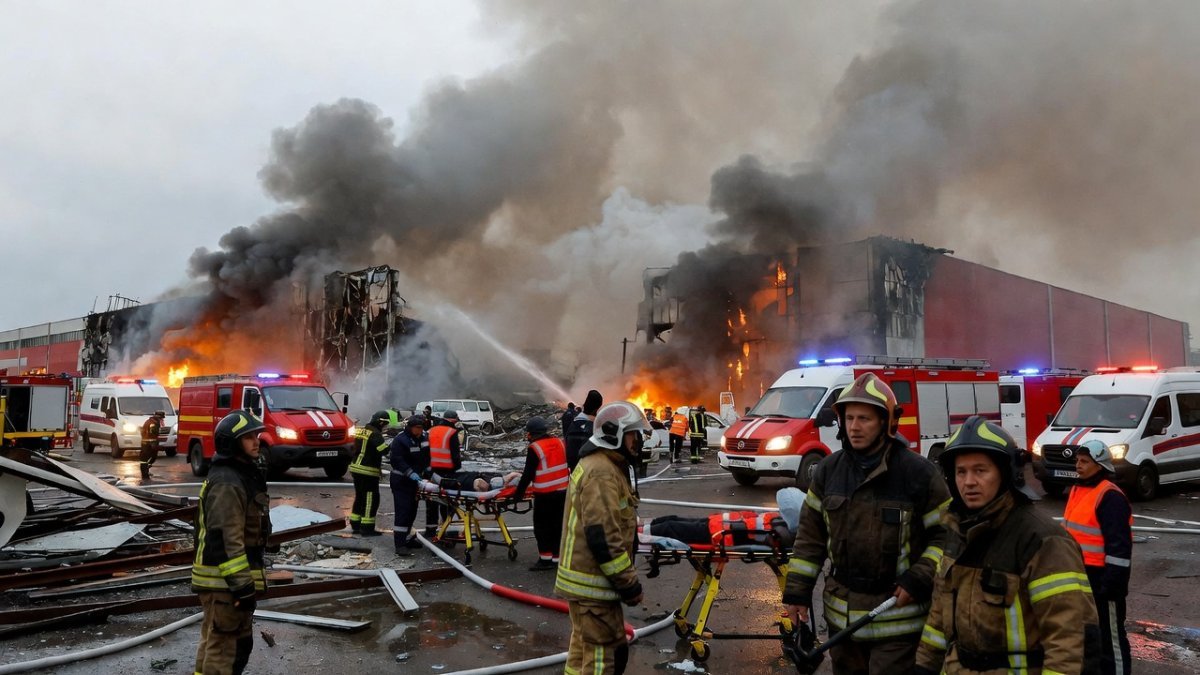
Russia faces a new wave of Ukrainian drone strikes reaching deep into its territory, killing at least two civilians in the Belgorod border region and disrupting major commercial and energy facilities hundreds of kilometers from the front lines.
Ukrainian Drone Barrage Reaches Urals, Killing Two in Belgorod and Halting Operations at Key Facilities
Moscow, Russia — July 25, 2026 — Ukraine launched more than 300 drones into Russian airspace overnight, according to Russia's Defense Ministry, in one of the largest such barrages in recent weeks. The attacks killed two people in the Belgorod region and targeted commercial infrastructure as far east as the Urals city of Yekaterinburg.
The Scale of the Assault
Russian air defenses intercepted 328 Ukrainian drones between Friday night and Saturday morning, the Defense Ministry stated. Moscow Mayor Sergei Sobyanin reported that nearly 200 drones were directed at the capital region alone. The attacks extended across a vast area, demonstrating Ukraine's growing capability to strike deep into Russian territory despite ongoing Russian air defense efforts.
The barrage comes amid heightened tensions in the ongoing conflict, with Ukrainian forces increasingly using long-range drones to target Russian logistics, energy infrastructure, and commercial sites accused of supporting the military effort.
Casualties in Belgorod Region
In the western border region of Belgorod, acting Governor Alexander Shuvayev confirmed that two people were killed in the overnight attacks. Belgorod has been a frequent target of Ukrainian strikes due to its proximity to the Ukrainian border and its role as a logistical hub for Russian forces.
Local authorities have not released further details on the victims or the specific circumstances of their deaths, but the incident underscores the human cost of the conflict spilling over into Russian civilian areas.
Wildberries Warehouse Targeted in Yekaterinburg
Further east in Yekaterinburg, located just west of Siberia, major online retailer Wildberries reported that it temporarily halted operations at its logistics center for safety reasons. The company stated that the site itself had not been damaged, and operations resumed approximately four hours later.
Sverdlovsk region Governor Denis Pasler confirmed the attack on Yekaterinburg, noting no casualties in the city but reporting that the drones caused a fire in a parking lot. An air raid alert in the city also disrupted the penultimate day of competition at the Russian Athletics Championships, forcing athletes and spectators to evacuate the open stadium and seek shelter.
Ukraine has struck Wildberries facilities across Russia and in annexed Crimea over the past week, with Kyiv accusing the company of supplying the Russian military with drone parts and other equipment. The targeting of such a major commercial player highlights the expanding scope of Ukrainian strikes beyond traditional military targets.
Oil Refinery Hit in Tyumen Region
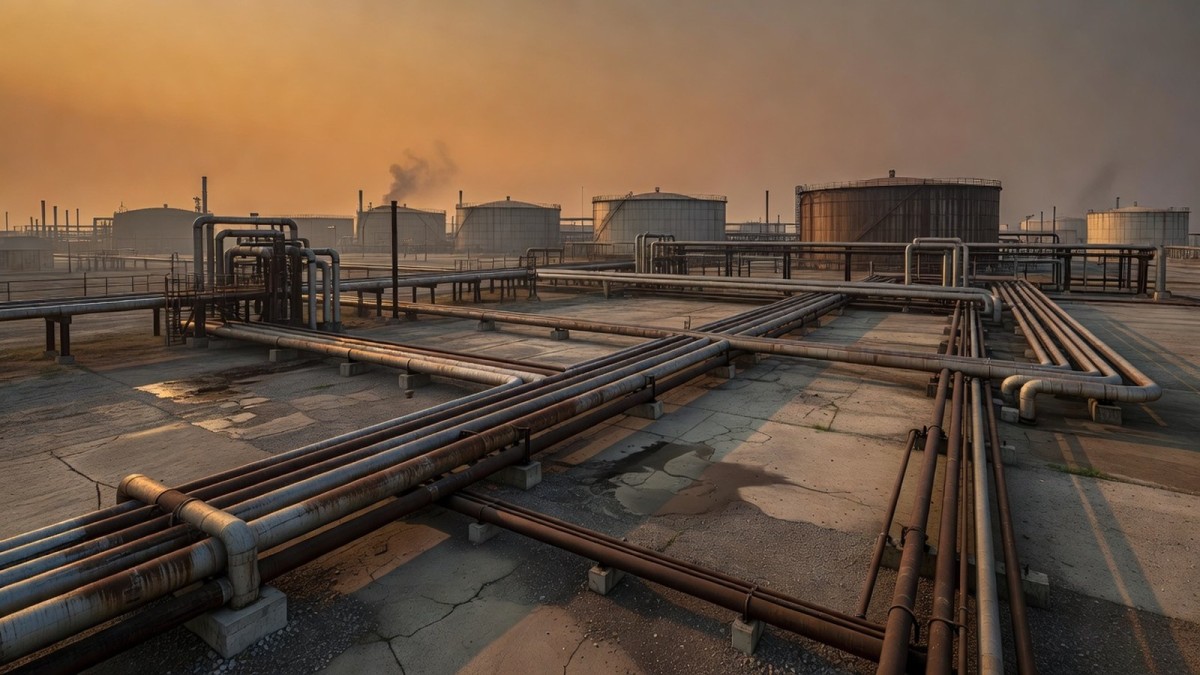
In the western Siberian region of Tyumen, Ukrainian drones struck an oil refinery, according to local authorities. The facility, located more than 2,000 kilometers west of the Ukrainian border, has a production capacity of around 8 million metric tons of oil per year.
Tyumen region Governor Alexander Moor said emergency services were responding to the scene but provided no further details on the extent of damage or any impact on production. Energy infrastructure remains a prime target in the conflict, with both sides seeking to degrade the other's economic and military capabilities.
Broader Context of Recent Strikes
Saturday's wave of attacks followed a Ukrainian strike the previous day on a factory in the city of Kirov, hundreds of miles east of Moscow, which killed five people and prompted local authorities to declare three days of mourning.
Separately, a Ukrainian strike on a Russian-occupied town in the Zaporizhzhia region of southern Ukraine killed eight people, including two children, according to Kremlin-backed officials.
The pattern of deep strikes reflects Ukraine's strategy of asymmetric warfare, leveraging drone technology to impose costs on Russian territory and infrastructure far from the front lines in eastern Ukraine.
Russian Air Defense and Response
Russian authorities continue to emphasize the effectiveness of their air defense systems, claiming to have intercepted the vast majority of incoming drones. However, the repeated success of Ukrainian strikes on high-value targets suggests vulnerabilities in the system, particularly against low-altitude or swarm attacks.
The Kremlin has not issued a specific statement on Saturday's attacks as of this reporting, but such incidents typically prompt calls for increased retaliation and further escalation of strikes on Ukrainian territory.
Geopolitical and Economic Implications
These attacks occur against the backdrop of Russia's ongoing efforts to maintain economic stability amid Western sanctions and the costs of the war. Disruptions to logistics hubs like Wildberries and energy facilities in remote regions can have ripple effects on supply chains and fuel prices.
Analysts note that the ability of Ukrainian drones to reach the Urals and western Siberia signals a significant evolution in the conflict's reach, potentially forcing Russia to divert more resources to air defense and internal security rather than frontline operations.
The strikes also highlight the challenges for Russian authorities in protecting vast territory from aerial threats, a problem that has persisted throughout the conflict despite substantial investments in defense technology.
Looking Ahead
As the conflict enters another phase of intensified drone warfare, both sides appear committed to escalating strikes on each other's infrastructure and territory. The human and economic toll continues to mount, with civilian areas increasingly bearing the brunt of the fighting.
Russian officials have vowed to respond forcefully, while Ukraine maintains that its actions are legitimate responses to Russian aggression. The cycle of retaliation shows no immediate signs of abating, with implications for regional stability and international efforts to mediate an end to the hostilities.
By Irina Volkov, Staff Writer
This article was produced with AI-assisted research and editorial support. Reporting is based on sources cited in the article.
What's Your Reaction?
 Like
0
Like
0
 Dislike
0
Dislike
0
 Love
0
Love
0
 Funny
0
Funny
0
 Wow
0
Wow
0
 Sad
0
Sad
0
 Angry
0
Angry
0

Russia/Eastern Europe Correspondent at Global1.News. Covering Russian politics, energy, security, and the shifting dynamics of the post-Soviet space. Provides clear-eyed analysis on one of the world's most opaque regions.














Comments (0)