
Trinidad-Venezuela Oil Spill Row Escalates in Gulf of Paria
A diplomatic dispute is brewing between Trinidad and Tobago and Venezuela over the origins and scale of an oil spill in the Gulf of Paria, with Caracas accusing Port of Spain of underreporting the incident and demanding compensation for alleged cross-border damage.
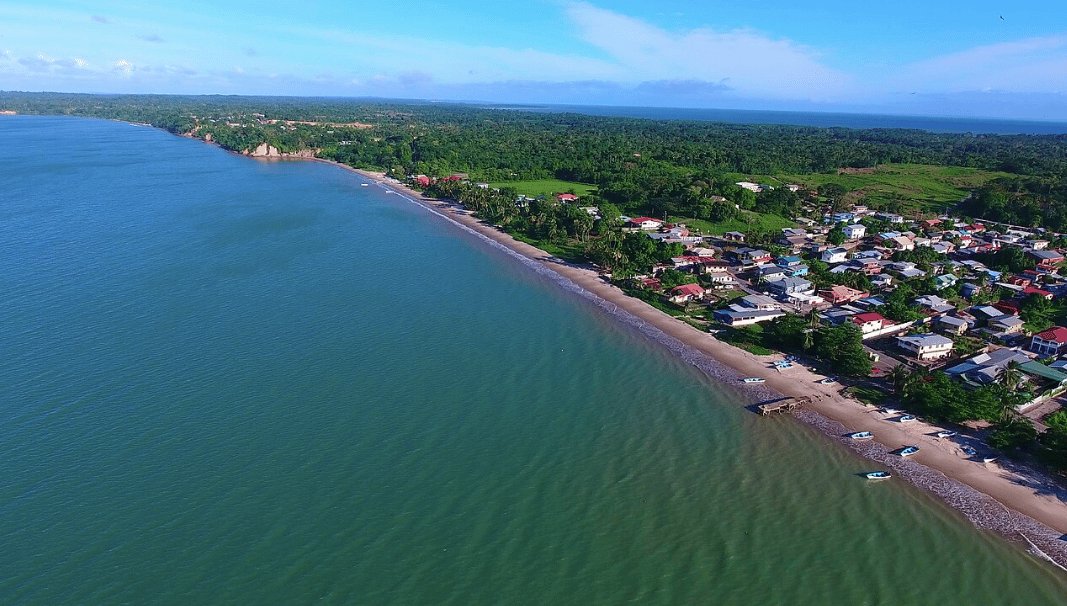
Tensions Rise in the Gulf of Paria as Neighbours Dispute Oil Spill Origins
Port of Spain, Trinidad — A diplomatic row has erupted between Trinidad and Tobago and Venezuela over an oil spill detected in early May, with Caracas demanding compensation and Port of Spain insisting the incident was minor and fully contained. Foreign Minister Yvan Gil has produced satellite imagery to support Venezuela's claims, while Trinidad's Energy Minister Dr. Roodal Moonilal maintains that just 10 barrels were spilled and that the situation never crossed into Venezuelan waters.
The Spill Detected in Heritage Petroleum's Fields
Early on May 1, workers at Heritage Petroleum Limited's Main Field noticed oil in the waters of the Gulf of Paria. The company, central to Trinidad and Tobago's energy sector, reported the incident at 07:25 hrs. Energy Minister Dr. Roodal Moonilal described the event as a minor spill involving only 10 barrels that was contained the same day within Trinidadian waters. This quick response reflects the operational realities faced by our energy workers who keep the lights on across the Caribbean.
Trinidad and Tobago's Official Position
Port of Spain has stood firm that the spill remained localised and posed no cross-border threat. Officials emphasise that the incident was labelled minor from the outset and handled promptly by Heritage Petroleum teams. The Ministry of Energy has stressed that all containment measures stayed inside Trinidad and Tobago's jurisdiction. In a region where the cost of living already strains families, any disruption to the oil and gas industry carries heavy weight for households from Point Fortin to Port of Spain.
Venezuela's Formal Demands
During his press conference in Caracas on 3 May, Foreign Minister Yvan Gil presented satellite imagery from 28 April showing an oil slick extending approximately 12 kilometres into Venezuelan waters near the Gulf of Paria. Gil emphasised that the images, captured by the Venezuelan Space Agency, indicated a spill volume far exceeding the 10 barrels claimed by Trinidad and Tobago, with visible dispersion patterns suggesting ongoing leakage from subsea infrastructure. He outlined a diplomatic timeline beginning with a formal note verbale sent on 29 April, followed by requests for joint inspection that Port of Spain has yet to acknowledge, framing the incident within Venezuela's broader claims for environmental reparations under international norms.
Venezuela's legal basis rests on principles of transboundary harm and strict liability for pollution, invoking the United Nations Convention on the Law of the Sea (UNCLOS) Articles 192 and 194, which require states to prevent damage to the marine environment beyond their jurisdiction. Officials have cited precedents such as the International Tribunal for the Law of the Sea rulings on environmental liability, demanding not only compensation for ecological restoration but also economic losses to Venezuelan fisheries estimated at US$4.2 million. This approach aligns with emerging global standards on hydrocarbon liability, positioning Caracas to pursue arbitration if bilateral talks falter.
Shared Ecosystems at Stake in the Gulf of Paria
The Gulf of Paria's mangrove forests, covering over 8,000 hectares along both coastlines, exhibit extreme sensitivity to hydrocarbons, with even low concentrations of 0.1 milligrams per litre disrupting root systems and leading to die-off within weeks. Species at immediate risk include the scarlet ibis and migratory shorebirds such as the semipalmated sandpiper, alongside commercially vital fish like the red snapper and crustaceans including the blue land crab, whose breeding grounds in estuarine mudflats could suffer multi-year contamination. Data from regional biodiversity surveys indicate that these mangroves support 35 per cent of Trinidad and Tobago's artisanal fish catch, underscoring the interconnected ecological web now threatened by potential cross-border pollution.
Historical oil spills in the Gulf, including a 2013 incident near Pedernales that released an estimated 2,000 barrels, demonstrated long-term fishery collapses lasting up to five years and persistent sediment toxicity. In the context of small island developing states (SIDS), such events compound climate vulnerabilities, as degraded mangroves reduce natural barriers against sea-level rise projected to reach 0.5 metres by 2050 in the Caribbean. Trinidad and Venezuela, both SIDS signatories to the Paris Agreement, face amplified risks where hydrocarbon incidents erode resilience to extreme weather, potentially displacing coastal communities and accelerating biodiversity loss in this shared basin.
Livelihoods of Fisherfolk in the Balance
Communities such as Icacos and Cedros on Trinidad's southwestern peninsula, alongside Venezuelan fishing villages like Guiria and Pedernales, rely on the Gulf of Paria for over 60 per cent of their household income through artisanal fishing and crabbing. A potential fisheries closure could affect 2,800 registered fishers in Trinidad alone, with daily earnings averaging TT$450 now threatened by market disruptions and health advisories. In Venezuela, where hyperinflation has pushed poverty rates above 90 per cent, similar impacts on 1,500 households could exacerbate food insecurity in an already strained economy.
Comparisons to the 2010 Gulf of Mexico spill reveal Caribbean fisheries suffering 40 per cent revenue drops for three years post-incident, while Trinidad's 2019 spill near La Brea led to a six-month ban costing TT$18 million in lost catches and requiring government subsidies. Amid Trinidad's rising cost of living, where food inflation reached 12 per cent in 2024, any prolonged disruption would compound household pressures from Point Fortin to Port of Spain, underscoring the urgent need for cross-border compensation mechanisms to safeguard these vulnerable coastal economies.
Diplomatic History and Regional Cooperation
The Nabarima tanker crisis, involving a Venezuelan-flagged vessel stranded in the Gulf since 2020 under US sanctions, highlighted the perils of neglected infrastructure, with the 1.3 million barrel capacity ship leaking oil intermittently until its partial offloading in 2021. This episode strained relations yet prompted informal technical exchanges between Trinidadian and Venezuelan energy officials. Heritage Petroleum's recent investments, including a US$120 million upgrade to its Main Field platforms completed in 2023, have boosted production to 45,000 barrels per day, yet these developments occur against a backdrop of US sanctions that restrict Venezuelan access to maintenance technology, indirectly heightening spill risks across the maritime boundary.
CARICOM has historically mediated environmental disputes in the region, as seen in its 2019 facilitation of joint monitoring protocols following Trinidad's own spill near Pointe-à-Pierre. The bloc's role could prove pivotal here, advocating for a trilateral environmental commission involving Venezuela despite geopolitical tensions. US sanctions on Venezuela's oil sector, which have curtailed exports by 80 per cent since 2019, have disrupted regional energy cooperation, forcing Trinidad to navigate its own production needs while addressing Caracas's grievances, thereby testing the limits of Caribbean solidarity in managing shared marine resources.
Looking Ahead for Caribbean Energy Relations
As the two nations exchange information, the focus remains on accurate assessment rather than escalation. The Gulf of Paria continues to link our communities through trade, family ties, and the natural environment. Trinidad and Tobago's energy sector has weathered many challenges, and steady diplomacy will be needed to protect both livelihoods and the delicate balance of this shared waterway. Warm relations built on mutual respect have always served the Caribbean best in times of uncertainty.
What This Means for Trinidad and Tobago
The unfolding dispute carries significant implications for Trinidad and Tobago's energy sector, where Heritage Petroleum's operations form a cornerstone of national revenue and regional supply. Any escalation could invite stricter international scrutiny of subsea infrastructure, potentially delaying future investments and raising insurance costs for platforms already operating under US sanctions constraints. Diplomatically, T&T's standing within CARICOM may be tested as the bloc seeks to balance solidarity with Venezuela against the need for transparent environmental governance, while ordinary Trinidadians should monitor announcements from the Ministry of Energy regarding joint inspection outcomes and any emerging compensation claims that could affect public finances.
Heritage Petroleum's day-to-day activities may face heightened operational reviews, including calls for enhanced monitoring technology to prevent recurrence and protect the company's US$120 million upgrades. For citizens, the key developments to watch include updates on fisheries advisories in the southwest peninsula, fluctuations in fuel and seafood prices amid the cost-of-living pressures, and CARICOM statements that could shape long-term Caribbean energy cooperation. Steady, transparent handling of these matters will be essential to safeguard both economic interests and the nation's reputation as a reliable energy partner.
By Sharon Sahatoo, Staff Writer
This article was produced with AI-assisted research and editorial support. Reporting is based on sources cited in the article.
What's Your Reaction?
 Like
0
Like
0
 Dislike
0
Dislike
0
 Love
0
Love
0
 Funny
0
Funny
0
 Wow
0
Wow
0
 Sad
0
Sad
0
 Angry
0
Angry
0

Caribbean Correspondent at Global1.News. Based in Port of Spain, Trinidad, covering Caribbean politics, economy, energy, climate, and culture. Amplifying the voices and stories of the Caribbean region.













Comments (0)