
US Sanctions 55 CJNG Targets in Largest Crackdown on Jalisco Cartel
US Sanctions 55 CJNG Targets in Largest Crackdown on Jalisco Cartel The US Treasury sanctioned 55 individuals and businesses tied to the CJNG on July 23, 2026, targeting new leader "El Pelón" and fentanyl networks. Mexico's UIF froze accounts in a coordinated action. **Keywords:** CJNG, Jalisco New Generation Cartel, OFAC sanctions, El Pelón, Juan Carlos González, fentanyl trafficking, Mexico financial intelligence, Sheinbaum, US-Mexico cooperation, organized crime US Sanc...
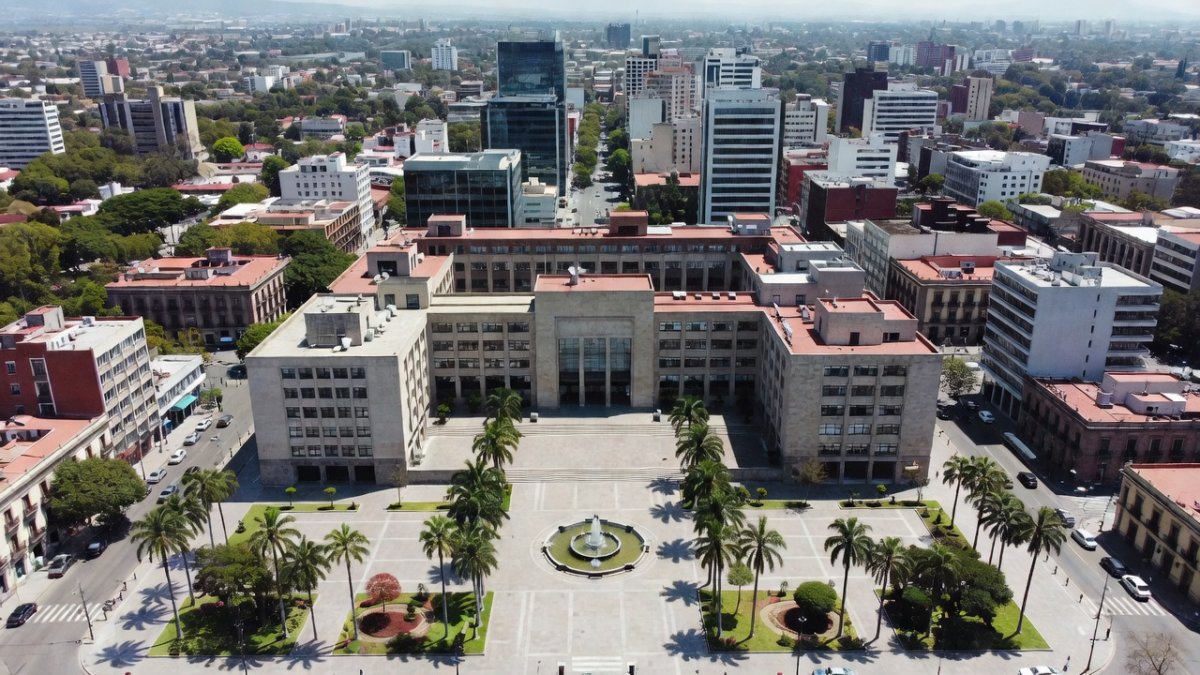
US Sanctions 55 CJNG Targets in Largest Crackdown on Jalisco Cartel
The United States Treasury Department delivered the largest financial blow ever dealt to the Jalisco New Generation Cartel on July 23, 2026, sanctioning 55 individuals and businesses linked to Mexico's most powerful criminal organization. The coordinated action with President Claudia Sheinbaum's administration marked a new chapter in bilateral efforts to dismantle the cartel's sprawling financial empire, which prosecutors say spans tequila distilleries, gas stations, children's shoe stores, and a sophisticated fentanyl trafficking network reaching across the United States.
Tags: CJNG, Jalisco New Generation Cartel, OFAC sanctions, El Pelón, Juan Carlos González, fentanyl trafficking, Mexico financial intelligence, Sheinbaum, US-Mexico cooperation, organized crime
The Largest Financial Operation Against a Mexican Cartel
The Office of Foreign Assets Control announced sanctions against 39 individuals and 16 companies tied to the Cártel de Jalisco Nueva Generación, known as CJNG, in what officials described as the single largest action ever taken against a Mexican criminal organization. The designations freeze any US-based assets belonging to the targets and prohibit American citizens and businesses from engaging in financial transactions with them.
Among those sanctioned is Juan Carlos González, known as "El Pelón" or "El 03," whom US authorities identified as the new leader of the CJNG. González is the stepson of cartel founder Rubén Oseguera Cervantes — better known as "El Mencho" — who was killed in a federal operation in February 2026 after years as one of the world's most wanted fugitives. The transition of power from El Mencho to his stepson had been closely watched by intelligence agencies on both sides of the border.
Mexico's Unidad de Inteligencia Financiera, the financial intelligence unit operating under the Secretaría de Hacienda y Crédito Público, worked in parallel to freeze the same accounts within Mexican territory, ensuring that the sanctioned individuals and businesses could not simply shift their assets across the border. President Sheinbaum's administration characterized the action as proof that US-Mexico security cooperation, which had cooled during parts of the previous administration, was now operating at full capacity.
Who Was Targeted: From Cartel Leadership to Front Businesses
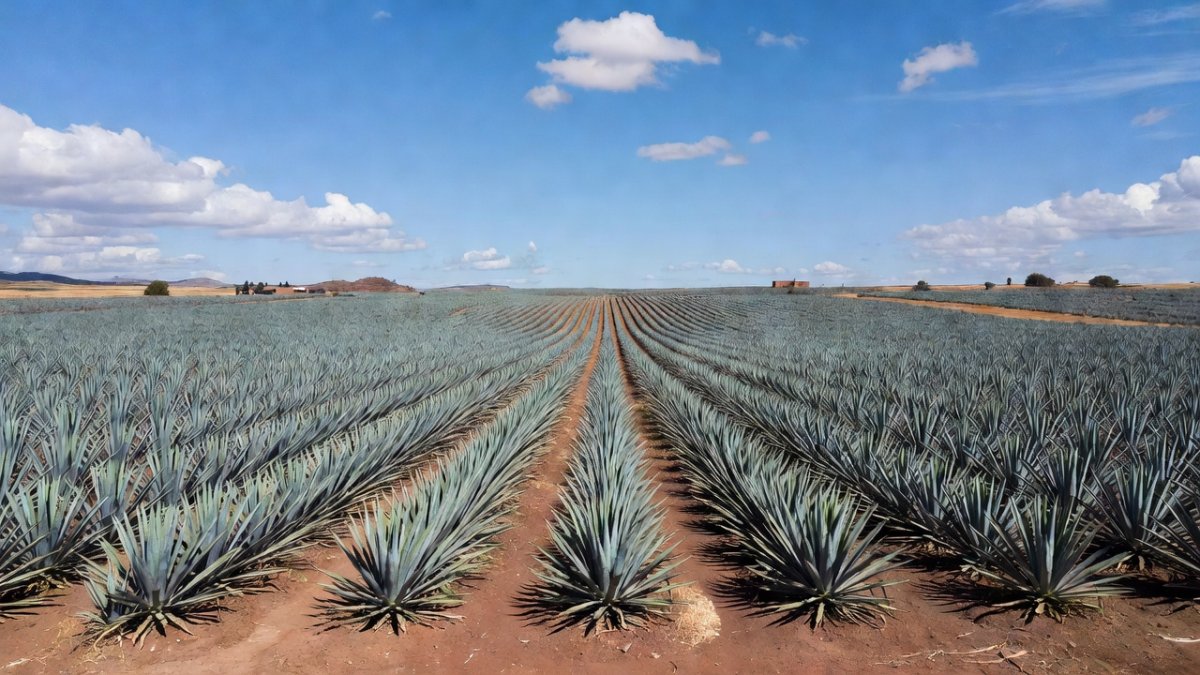
The sanctions targeted not only the cartel's top leadership but also the intricate network of front businesses that prosecutors say CJNG uses to launder its estimated billions of dollars in annual drug proceeds. The Treasury Department identified tequila distilleries in Jalisco, gas stations along key trafficking routes, and an unlikely front — a children's shoe store in Zapopan — as vehicles for money laundering operations that have expanded the cartel's economic influence across at least five Mexican states.
Federal officials from the Fiscalía General de la República confirmed that investigations into several of these businesses had been ongoing for more than two years, with evidence gathered through coordinated surveillance operations between Mexican law enforcement and the US Drug Enforcement Administration. The financial intelligence gathered reportedly traced wire transfers, real estate purchases, and bulk cash shipments that connected seemingly legitimate enterprises to the cartel's drug distribution networks in Chicago, Atlanta, Los Angeles, and dozens of smaller cities across the American Midwest.
For ordinary Mexican families in Jalisco and surrounding states, the reach of these front businesses has been a quiet reality for years. Tequila production is a source of national pride and economic livelihood for thousands of families in the region — but the infiltration of legitimate industries by cartel money has distorted local economies, driven up real estate prices, and placed honest business owners in an impossible position: cooperate with organized crime or face violence.
The Fentanyl Connection: America's Crisis, Mexico's Cartels
At the heart of the Treasury's action is the recognition that CJNG has become the dominant player in the fentanyl trafficking trade, surpassing even the Sinaloa Cartel in its capacity to manufacture and distribute the synthetic opioid that now kills more than 70,000 Americans each year. The cartel's laboratories in Jalisco, Michoacán, and Zacatecas produce precursor chemicals shipped from China and India, which are then converted into fentanyl powder and pressed into counterfeit prescription pills bearing the markings of legitimate pharmaceutical companies.
The sanctions specifically targeted chemical supply networks that prosecutors allege have allowed CJNG to scale its fentanyl production to industrial levels. The cartel's ability to acquire precursor chemicals in bulk, transport them across Mexican territory without detection, and distribute finished product through established US drug networks has made it the single greatest producer of fentanyl reaching American streets, according to DEA assessments shared with the Mexican government.
President Sheinbaum's administration has made fentanyl interdiction a cornerstone of its security policy, aware that the trafficking of this lethal substance has become the primary point of friction in US-Mexico relations. The coordinated sanctions action represents the most visible demonstration yet of the Sheinbaum government's willingness to target the financial infrastructure of the cartels rather than simply pursuing street-level enforcement — a strategy that has drawn praise from Washington but raised concerns among civil liberties organizations in Mexico about the scope of financial surveillance.
Mexico's Response: UIF Freezes Accounts, Sheinbaum Signals a New Approach
The Mexican government's response was swift and coordinated. The Unidad de Inteligencia Financiera, led by its director, issued administrative freezes on the same 55 targets within hours of the Treasury announcement, preventing any immediate transfer of funds between Mexican and American banking systems. The Secretaría de Seguridad y Protección Ciudadana deployed additional federal police and elements of the Guardia Nacional to key commercial properties identified in the sanctions package, securing evidence before assets could be moved or destroyed.
President Sheinbaum addressed the action during her morning conferencia, the mañanera tradition inherited from the AMLO administration. From Palacio Nacional, she emphasized that the operation was the result of "months of intelligence sharing and joint operational planning" between Mexican and American authorities. "Mexico remains exactly the same as we were a week ago," she said, echoing the statement she made regarding US tariff policy earlier in the week. "Our position is clear: we cooperate where there is mutual respect, and we act where there is shared interest."
The response from Mexico's Congress was more divided. Legislators from the opposition PAN and PRI parties praised the action but questioned why similar operations had not been undertaken earlier, pointing to the continued violence in states like Zacatecas and Guanajuato where CJNG and the Sinaloa Cartel are locked in a brutal territorial war. Morena deputies defended the administration's record, citing a 12% reduction in homicide rates in Jalisco during the first six months of 2026 as evidence that the security strategy was producing results.
Impact on Mexican Communities: Between Fear and Hope
For communities across Jalisco, Zacatecas, and Colima, the sanctions represent both a reason for cautious hope and a reminder of the long road ahead. The CJNG's influence extends far beyond drug trafficking — the cartel controls extortion rackets that affect tortillerías, taquerías, and small family-owned shops in working-class colonias. Gas station owners in the region have long complained of being forced to sell fuel supplied by the cartel's huachicol — fuel theft — operations, and the sanctioning of gas station fronts may provide some relief to honest business owners who have been trapped between compliance and violent reprisal.
But there is also fear that disrupting the cartel's financial network without simultaneously protecting vulnerable communities could trigger a violent backlash. When the Treasury sanctioned CJNG-linked tequila producers in 2015, the cartel responded by intensifying its recruitment of young people in rural Jalisco communities, offering economic stability to families who had lost income from the shuttered businesses. Community organizers in the affected regions told Mexican media that they hoped the current administration would pair financial actions with social investment in education, employment, and public safety.
The state governments of Jalisco and Zacatecas have announced new programs aimed at providing economic alternatives for communities that have depended on cartel-linked employment, though critics note that similar programs in previous administrations have been underfunded and inconsistently implemented. For the families living in the shadow of the CJNG, the sanctions are a welcome step — but only one step in a much longer journey toward security and economic justice.
What to Watch For
The Treasury action is expected to be followed by additional designations in the coming weeks, as OFAC and the UIF continue to trace the financial connections revealed by the July 23 sanctions. The identification of Juan Carlos González as the new CJNG leader also raises questions about whether US law enforcement will now seek his extradition or whether Mexican authorities will pursue his capture through domestic channels.
For Mexican families and communities living under the influence of organized crime, the success of this strategy will ultimately be measured not by the number of sanctions imposed, but by whether the disruption of cartel finances translates into tangible improvements in daily life — fewer disappearances, less extortion, safer streets for children walking to school, and economic opportunities that don't come with a criminal price tag.
The coordinated action between Washington and Mexico City represents the strongest signal yet that the bilateral relationship, which has weathered tariffs, diplomatic tensions, and mutual recriminations over the past year, can still produce meaningful results when both governments commit to a shared objective. Whether that momentum can be sustained will depend on the political will on both sides of the border and on the courage of Mexican institutions to follow the money wherever it leads.
By Rosa Martinez, Staff Writer
This article was produced with AI-assisted research and editorial support. Reporting is based on sources cited in the article.
What's Your Reaction?
 Like
0
Like
0
 Dislike
0
Dislike
0
 Love
0
Love
0
 Funny
0
Funny
0
 Wow
0
Wow
0
 Sad
0
Sad
0
 Angry
0
Angry
0
Latin America/Andes Correspondent at Global1.News. Based in Bogota, covering politics, environment, energy, and social movements across the Andean region. Passionate about environmental journalism and communities protecting their land.










Comments (0)