
Ahead of Marcos' 5th SONA, Pinoys want jobs, stronger anti-corruption drive — survey
A Pulse Asia survey commissioned by Stratbase ahead of President Marcos fifth SONA reveals Filipinos prioritize job creation, anti-corruption efforts, and affordable food prices. Economic indicators show inflation near 3.8 percent and rice prices climbing 12 percent year-over-year, squeezing hous...
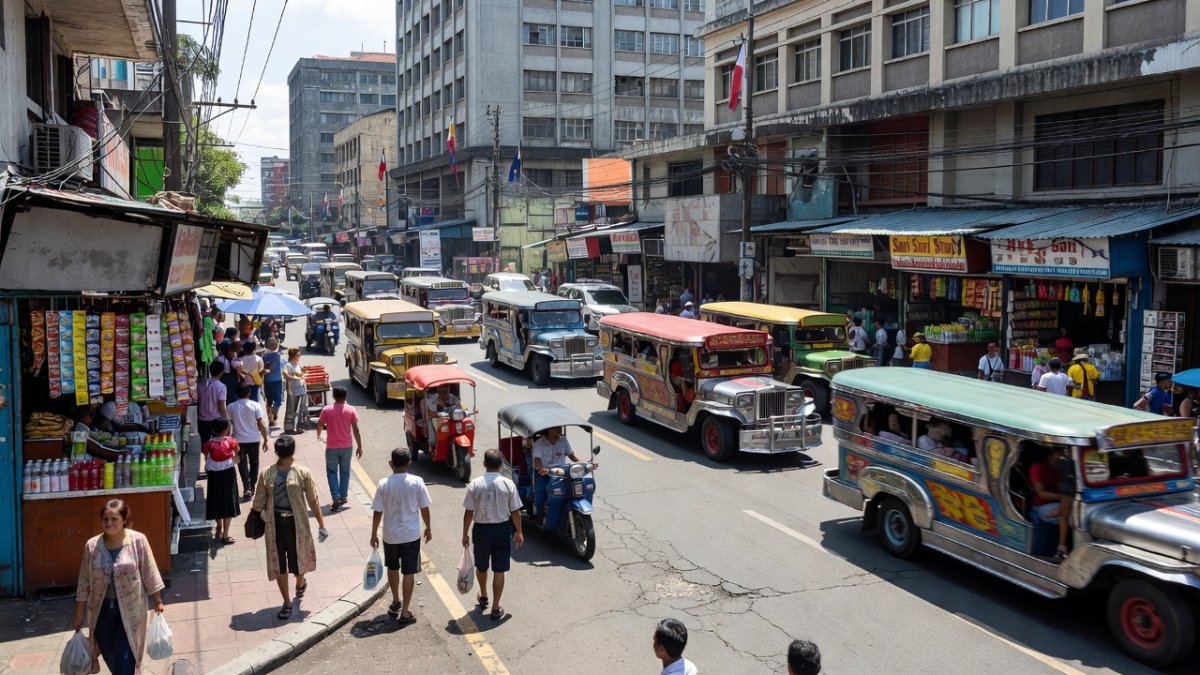
Survey: Jobs, Anti-Corruption Top Priorities Before SONA
Manila, Philippines — The survey commissioned by Stratbase and conducted by Pulse Asia highlights key priorities for Filipinos ahead of President Ferdinand Marcos Jr.'s fifth State of the Nation Address. Job creation, stronger anti-corruption efforts, and affordable food prices emerge as central concerns. This comes as the nation prepares for the annual address to Congress, where policy directions often shape the work of the Senate and local government units across the archipelago. Ordinary citizens in urban centers and rural barangays alike look to these priorities as direct influences on daily life. The findings underscore how national policies filter down through local structures, affecting everything from employment opportunities in provinces to the cost of basic goods in neighborhood markets.
The Pulse Asia Survey and Its Timing
Compared to Pulse Asia surveys ahead of previous SONAs under the Duterte and Aquino administrations, job creation has risen sharply in priority while anti-corruption concerns have intensified beyond the infrastructure focus seen in 2018 or the poverty alleviation emphasis of 2015. Earlier polls showed stronger support for peace and order initiatives, yet current data indicate a shift toward domestic employment as overseas opportunities contract. Economic indicators reinforce these changes, with inflation holding near 3.8 percent in mid-2024, unemployment at 4.5 percent, and rice prices climbing 12 percent year-over-year amid supply disruptions, pushing household food budgets higher than during the post-pandemic recovery period.
Prioritizing Job Creation for Filipino Workers
Job creation stands out as a top demand because steady employment underpins the stability of countless households. In many communities, workers in transportation sectors such as jeepney drivers face fluctuating incomes tied to fuel costs and passenger volumes. When new jobs emerge through government initiatives, these drivers gain options to supplement earnings or transition into related roles supported by local government units. Sari-sari store owners in barangays also feel the ripple effects. Increased employment in nearby areas boosts customer spending on everyday items, helping small businesses sustain operations amid economic pressures. For overseas Filipino workers and their families back home, expanded domestic opportunities could reduce reliance on remittances while allowing more Pinoys to build careers within the country rather than seeking work abroad.
Addressing Corruption Through Stronger Measures
Calls for a stronger anti-corruption drive reflect widespread recognition that transparent governance directly supports public services. When funds allocated by Congress reach intended programs without leakage, local government units can better deliver infrastructure and social support in remote areas. This matters for families who depend on consistent access to health centers and schools managed at the barangay level. Corruption concerns often intersect with daily realities for workers and small business owners. Reduced graft can lead to fairer procurement processes that benefit local suppliers, including those running sari-sari stores or providing transport services. In turn, this fosters an environment where ordinary Pinoys experience more equitable treatment in interactions with government offices.
Maintaining Affordable Food Prices Amid Economic Challenges
Keeping food prices affordable remains essential because it affects the core budget of every household. Families in both cities and provinces allocate significant portions of income to staples, and any rise strains resources needed for education, healthcare, and savings. Local government units play a role here by implementing distribution programs that stabilize supply chains from farms to markets. For jeepney drivers and sari-sari store owners, affordable food translates to lower operational costs and sustained customer bases. When prices remain steady, households retain more disposable income, which circulates through neighborhood economies and supports broader community resilience. This priority connects to national efforts involving the Senate and executive agencies to monitor supply and curb inflationary pressures.
Human Impact on Ordinary Filipino Families
These survey priorities converge on the lived experiences of typical Filipino families, where decisions made in Manila echo through provincial homes. A worker in a regional factory or a driver navigating city streets sees job creation as a path to consistent paychecks that cover school fees and medical needs. Anti-corruption measures, meanwhile, promise that public resources reach community projects rather than being diverted. Sari-sari store owners in barangays witness how food price stability influences daily sales and family nutrition. When costs rise, parents adjust meal plans, sometimes cutting back on variety to stretch limited funds. OFWs sending support from overseas also feel connected, as domestic improvements could ease pressures on relatives managing households without steady local income.
Regional differences appear clearly in how these issues register across areas. Metro Manila respondents rank corruption and steady wages highest, reflecting dense urban labor markets, while provincial cities emphasize transport costs and rural barangays cite rice affordability as the dominant pressure. Congress and the Senate shape responses through budget allocations and oversight hearings, yet LGUs determine actual delivery by managing local procurement and distribution programs that either ease or compound national shortfalls depending on administrative capacity. These patterns affect specific households in measurable ways. An OFW family in Batangas, for instance, watches remittances cover school fees only when rice stays below 50 pesos per kilo, forcing the wife to limit protein purchases when prices spike. A jeepney driver in Cebu City logs longer routes to offset fuel costs that have risen with inflation, cutting daily earnings by nearly 200 pesos and limiting savings for vehicle maintenance required by local ordinances. Sari-sari store owners in rural Nueva Ecija report slower sales when nearby factory layoffs reduce foot traffic, illustrating how job shortages ripple into neighborhood commerce. LGU-led price monitoring helps stabilize staples in some towns, yet inconsistent enforcement leaves many vendors exposed to middleman markups that Senate hearings have yet to fully address through supply-chain reforms.
Broader Context and Path Forward
The survey arrives at a moment when the administration prepares its fifth SONA, an address that traditionally outlines legislative agendas for Congress and guidance for agencies nationwide. Local government units and barangay officials often translate these national goals into actionable programs, bridging the gap between policy and people in far-flung areas. Analysis of these priorities reveals interconnected challenges. Job growth supports anti-corruption goals by reducing incentives for informal economies, while affordable food reinforces social stability that aids overall governance. For Pinoys across generations, these elements shape opportunities for children to pursue education and for adults to plan long-term security. As the country moves toward the address, attention turns to how responses from the Senate and executive branches will address these citizen concerns. The focus on families, workers, and small enterprises highlights the human dimension behind national statistics, reminding leaders that effective policies ultimately serve those building lives in every corner of the Philippines.
By Bella Reyes, Staff Writer=This article was produced with AI-assisted research and editorial support. Reporting is based on sources cited in the article.
What's Your Reaction?
 Like
0
Like
0
 Dislike
0
Dislike
0
 Love
0
Love
0
 Funny
0
Funny
0
 Wow
0
Wow
0
 Sad
0
Sad
0
 Angry
0
Angry
0

Philippines/Southeast Asia Correspondent at Global1.News. Manila-based journalist covering Philippine politics, environment, maritime security, and social issues. Passionate about marine conservation and the communities protecting the Philippines' natural heritage.














Comments (0)