
Senegal Appeals Afcon Title Strip as CAS Sets October Hearing Date
The Court of Arbitration for Sport Sets Hearing Date The Court of Arbitration for Sport has confirmed that Senegal's appeal will be heard on 8 October at its headquarters in Lausanne, Switzerland. This date marks an important step for the national team and supporters who have waited months for clarity on a dispute that began when the final result was changed earlier this year.
Senegal Appeals Afcon Title Strip as Cas Sets October Hearing Date
Dakar, Senegal — Article continues...
The Court of Arbitration for Sport Sets Hearing Date
The Court of Arbitration for Sport has confirmed that Senegal's appeal will be heard on 8 October at its headquarters in Lausanne, Switzerland. This date marks an important step for the national team and supporters who have waited months for clarity on a dispute that began when the final result was changed earlier this year. Caf and the Royal Moroccan Football Federation did not agree to expedite the procedure, meaning the standard timeline applies. The hearing will take place behind closed doors as neither party requested a public session. According to a Cas statement, a final decision will not be issued on the day of the hearing.
Many in Senegal view the hearing as an opportunity to present the full picture of what unfolded on the pitch back in January. The appeal, lodged on 25 March, seeks to have Caf's decision set aside and Senegal reinstated as tournament winners. For a nation that celebrated its first Afcon title in 2021 after 87 years of waiting, the stakes could not be higher.
Recalling the Dramatic Final Against Morocco
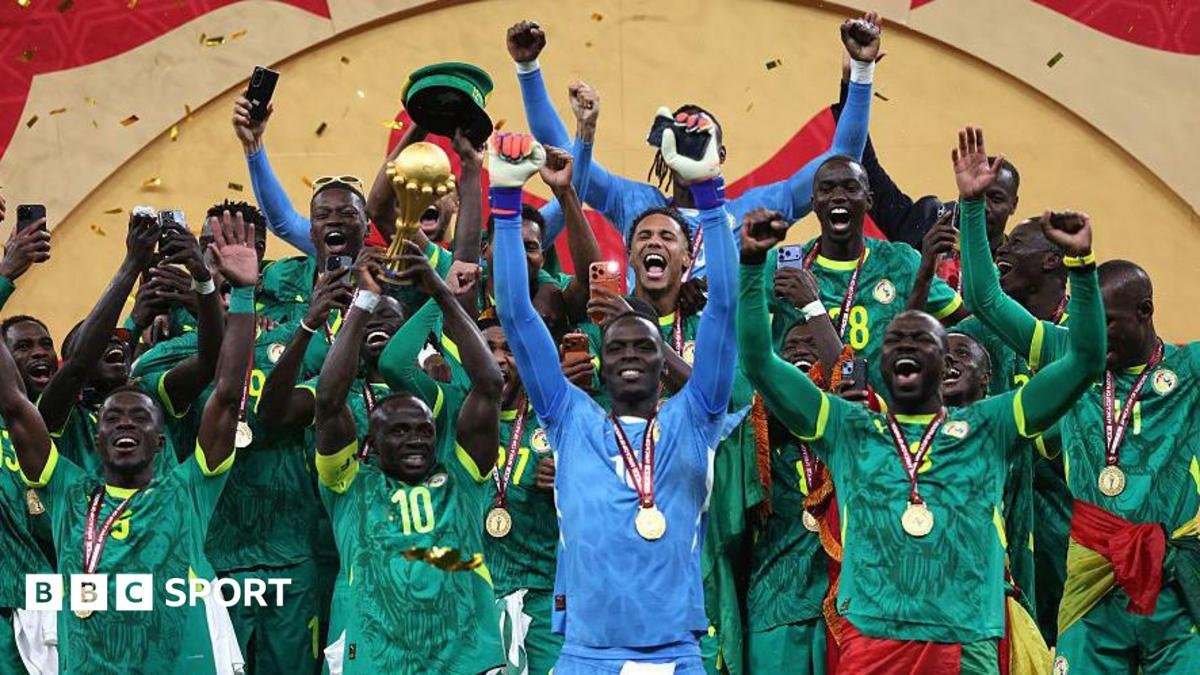
Senegal defeated Morocco 1-0 in the final on home soil in January. After a goalless regulation period, the match turned on a single moment when Morocco were awarded a stoppage-time penalty. Brahim Diaz stepped up to take the spot-kick, but Senegal's goalkeeper made the save — sparking celebrations among the Senegalese players and fans. Pape Gueye then scored an extra-time winner to secure what appeared to be Senegal's second consecutive Afcon title.
But the joy was short-lived. Senegal's players had walked off the field in protest after the penalty decision was made. While they returned after a delay of approximately 17 minutes, that brief departure became the focal point of everything that followed. The walk-off gave Caf the grounds to review the result, and the controversy has dominated football conversations across Senegal and the continent ever since. Even neutral observers found the sequence difficult to reconcile — a team that returned to play, won the match, and then had the victory taken away from the boardroom.
Caf's Decision to Overturn the Result
Following the walk-off, the Confederation of African Football reviewed the events and declared that Senegal had forfeited the match. The body awarded Morocco a 3-0 victory and stripped Senegal of the title. Caf cited Article 14 of its statutes, pointing to the interruption of play and what it deemed as Senegal's failure to continue the match promptly. The decision was announced within 72 hours of the final — bypassing the usual procedural timelines and leaving Senegal with no formal hearing before the ruling was made public.
Caf president Patrice Motsepe later commented on what he called "deficiencies" in the organisation and security protocols surrounding the final. The Royal Moroccan Football Federation welcomed the decision, thanking Caf for its "commitment to fairness." But inside Senegal, the speed of the review raised questions. Many noted that a 72-hour turnaround on a decision affecting a continental title was unusually swift compared to other Caf disciplinary matters that drag on for weeks or months.
Senegal's Appeal and Legal Arguments
Senegal lodged its formal appeal with the Court of Arbitration for Sport on 25 March. The case centers on the circumstances surrounding the penalty decision and the subsequent walk-off. Senegal's legal team aims to demonstrate that the forfeiture ruling did not fully account for the context on the pitch — specifically that the players returned to complete the match after the 17-minute delay and went on to win it fairly.
The appeal seeks to have Caf's decision set aside entirely and Senegal reinstated as the 2025 Africa Cup of Nations winners. The fact that Caf and the Moroccan federation did not request an expedited process means the standard timeline applies, with the hearing now set for October. For Senegal, the legal path represents more than a procedural exercise — it is an assertion that the nation's football achievements should not be undone without a proper, transparent review.
Impact on Senegalese Football Fans
Across Senegal, supporters have followed every development with a mix of pride and frustration. In Dakar's bustling markets, from Colobane to Sandaga, the conversation shifts easily from fish prices to the Afcon title whenever news breaks. Young players in local academies ask coaches what the outcome might mean for future tournaments. The story has become part of daily life, reflecting how deeply football connects to national identity across the country.
Former players have voiced quiet disappointment on local radio, warning that the decision risks alienating a generation of young supporters who see the current squad as heirs to the 2021 heroes. For a nation that waited more than eight decades for its first continental title, to have a second taken away before the medals are engraved feels deeply personal. Families who celebrated Pape Gueye's goal with bowls of thiéboudienne now discuss the controversy during evening meals, replaying the sequence of events and wondering what comes next.
African Football Governance in Question
The case has brought renewed attention to how continental bodies handle disputes during major competitions. The episode has dented Caf's credibility at a time when the confederation seeks expanded World Cup slots and increased commercial partnerships. Critics compare it to past controversies — the 2019 final in Cairo where Algeria's celebrations were overshadowed by pitch-security lapses that Caf never fully addressed, and the 2010 final in Angola where a disallowed goal sparked questions about refereeing standards. Both cases left competing federations questioning whether decisions serve football or political expediency.
Clear procedures and consistent application of rules remain essential for trust in African football. Senegal's appeal brings attention to the need for transparent processes that respect both the letter and spirit of the game. Hosting bids for future tournaments now face heightened scrutiny, with federations requesting written guarantees that future finals will include independent oversight. Such matters affect not only one nation but the broader landscape of the sport across the continent.
The Enduring Legacy of the Teranga Lions
The Teranga Lions have long represented resilience and unity for Senegal. Their performances have inspired generations and strengthened cultural pride from Saint-Louis in the north to Ziguinchor in the south. Even amid the current title dispute, the team's contributions to African football remain a source of collective memory. Supporters continue to honor the players' dedication and the joy they have brought to the country over many years.
Senegal's first Afcon title in 2021, won in Cameroon against Egypt on penalties, was a watershed moment that ended decades of near-misses and heartbreak. The current squad, featuring a blend of European-based stars and local talent, was widely seen as capable of building a lasting legacy. That the second title is now in dispute does not erase what the players achieved on the pitch — but it adds a layer of complexity to how that achievement will be remembered.
Looking Ahead to the October Hearing
Attention now turns to the 8 October hearing, where Senegal will present its case in full before an independent panel at Cas headquarters in Lausanne. The outcome will shape how the 2025 final is remembered and may influence future governance practices across African football. Caf and the Moroccan federation did not request a public hearing, meaning the proceedings will be conducted behind closed doors.
For Senegalese fans, the process itself offers a chance to seek fairness while celebrating the spirit that defines the Lions. The court cannot promise which way the decision will fall, but the act of appealing — of refusing to accept what feels unjust — resonates deeply in a nation that knows the value of perseverance. Whatever the result, the passion for football in Senegal will remain strong and deeply rooted in everyday life, from the streets of Dakar to the villages of the interior.
By Amara Diop, Staff WriterThis article was produced with AI-assisted research and editorial support. Reporting is based on sources cited in the article.
What's Your Reaction?
 Like
0
Like
0
 Dislike
0
Dislike
0
 Love
0
Love
0
 Funny
0
Funny
0
 Wow
0
Wow
0
 Sad
0
Sad
0
 Angry
0
Angry
0

West Africa/Sahel Correspondent at Global1.News. Dakar-based journalist covering politics, security, climate, and development across Francophone and Anglophone West Africa. Tells the stories of a region undergoing profound transformation.













Comments (0)