
US Resumes Strikes on Iran After Trump Ends Ceasefire
US Resumes Airstrikes Targeting Iranian Military Positions The United States has begun carrying out airstrikes on Iran following several threats issued by Donald Trump earlier on Wednesday as he declared the ceasefire was over. Central Command said American forces were attempting to further degrade their ability to threaten freedom of navigation in the Strait of Hormuz. The Uni
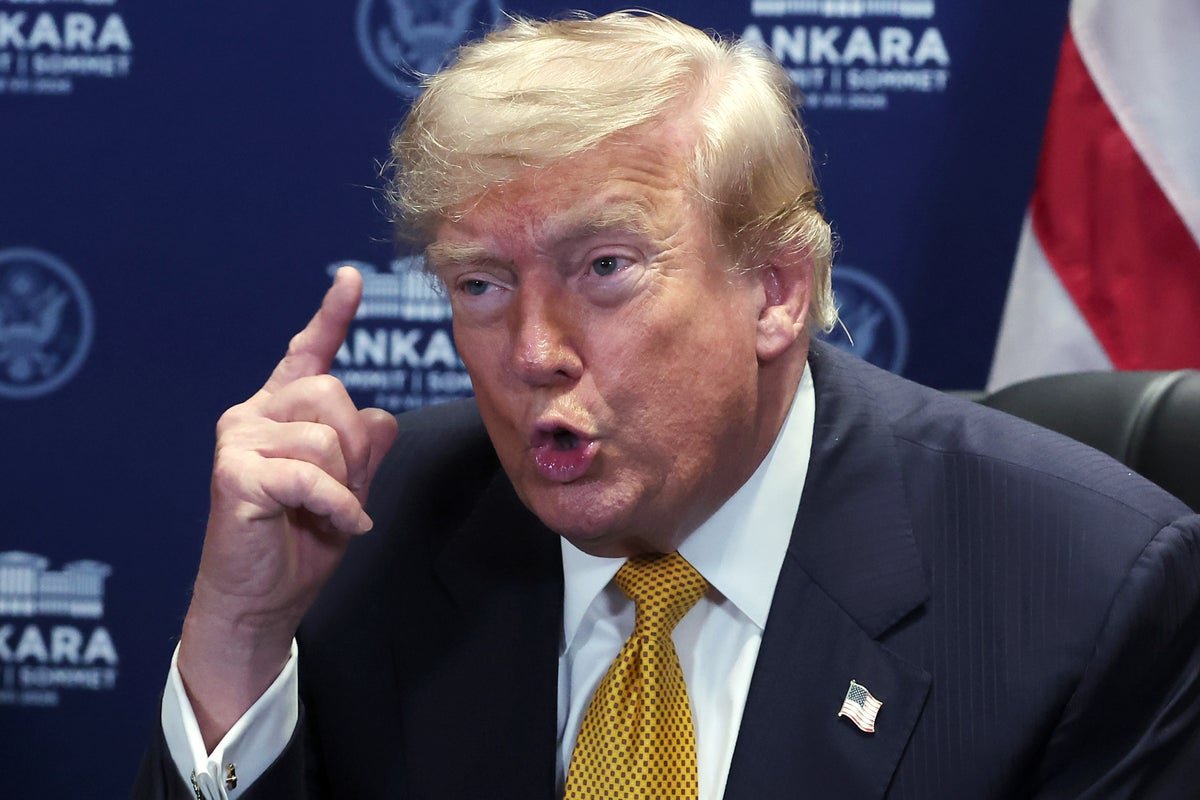
US Resumes Airstrikes Targeting Iranian Military Positions
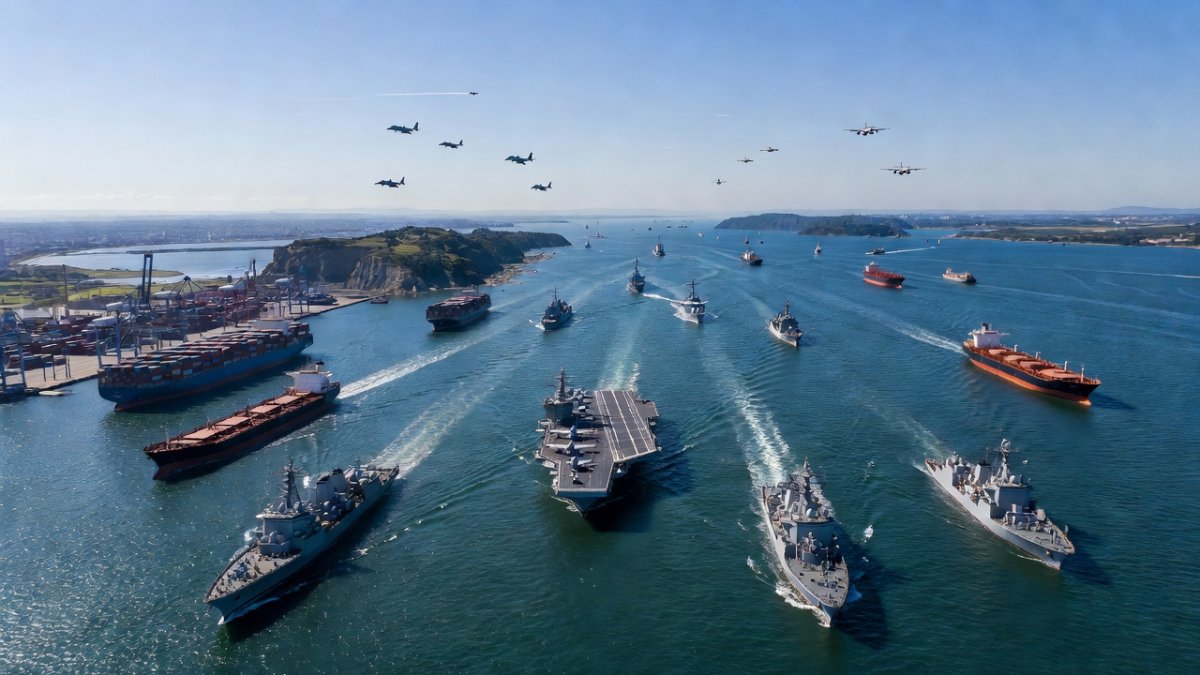
The United States has begun carrying out airstrikes on Iran following several threats issued by Donald Trump earlier on Wednesday as he declared the ceasefire was over. Central Command said American forces were attempting to further degrade their ability to threaten freedom of navigation in the Strait of Hormuz. The United States is holding Iran accountable for recent unjustified aggression against commercial shipping and civilian crews freely navigating a vital international waterway. This development follows overnight exchanges of military strikes between the two sides, with the president stating he was not sure if he wanted to make a deal with Iranian leaders. US strikes in southern Iran are expected to be wider in scope than yesterday's attacks, an official has said. Iranian military targets in the Strait of Hormuz have been targeted on Wednesday in an effort to get Tehran to stop striking commercial ships. A US official told Axios that the targets included Iranian military coastal radars, anti-ship missile positions and air defence systems. Explosions have been heard in the Bushehr area of Iran and the city of Bandar Abbas, which the US struck overnight. The southern port city of Chabahar has also been attacked, according to local media. The US has started carrying out further strikes on Iran tonight. Central Command confirmed the attacks on social media, saying forces have started conducting additional strikes against Iran to further degrade their ability to threaten freedom of navigation in the Strait of Hormuz. The United States is holding Iran accountable for recent unjustified aggression against commercial shipping and civilian crews freely navigating a vital international waterway. It comes after Donald Trump told a NATO summit that he did not think a full-fledged conflict in Iran would erupt in the wake of renewed clashes overnight. At the same press conference, the US president also issued several threats to Tehran. The president's instinct is now to wrong-foot allies and enemies alike, but by pulling focus away from NATO he is showing there is at least some method to his childishness, says Anchal Vohra. These actions underscore the fragile state of maritime security in one of the world's most critical chokepoints, where any prolonged disruption could affect energy supplies reaching European markets including those supplying the United Kingdom.
Trump's Statements and Shifting Stance at NATO Gathering
President Trump also said he did not think a full-fledged conflict would erupt in the wake of strikes from both sides. It comes after he threatened to hit Iran hard again tonight as he spoke to reporters on Wednesday. The US leader had declared the ceasefire in Iran over in an extraordinary rant at the NATO summit, just hours after the US launched fresh strikes. Asked why he now viewed Tehran's leadership as scum, the US leader told the NATO summit that he got to know em. The US president has reignited his calls to annex Greenland an autonomous territory of Denmark at the outset of the military alliance's annual summit on Wednesday. I'm not happy with NATO because of what they did in Greenland, Mr Trump said in Turkey, Ankara, as the NATO general secretary remained silent and appeared to smile. A Danish journalist went on to grill Mr Rutte, who he said sits by as Mr Trump talks about conquering Greenland, talks about lashing out at allies like Spain, starting trade wars. Does this have any effect on your self-respect when you sit like that and say nothing? Mark Rutte was challenged on his self-respect by a reporter who accused him of failing to come to the defence of NATO nations threatened by Donald Trump. These exchanges at the summit in Turkey highlight the tensions within the alliance, where British representatives must navigate unpredictable American positions while maintaining commitments to collective defence. The remarks on Iran and Greenland together illustrate how the US administration is using multiple fronts to pressure both adversaries and partners, leaving European nations including the United Kingdom to assess their own strategic responses in real time.
Reported Damage to Iranian Civilian and Medical Facilities
An Iranian hospital has been struck by shrapnel from projectiles in US attacks on Wednesday. Local media reported that Chabahar's Imam Ali Hospital was hit. Several southern Iranian towns have been hit in strikes on Wednesday, as the US looks to target military targets in the Strait of Hormuz. Citing an informed source, Iran's Nournews reported that a US attack on Bushehr did not cause any damage to the nuclear power plant. The southern port city of Chabahar has also been attacked, according to local media. Explosions have been heard in the Bushehr area of Iran and the city of Bandar Abbas, which the US struck overnight. These incidents in southern Iran demonstrate the risks to civilian infrastructure when military operations intensify around the Strait of Hormuz. Reports from local sources indicate that shrapnel reached the Imam Ali Hospital in Chabahar, raising concerns about the protection of medical facilities during such campaigns. The confirmation that the Bushehr nuclear power plant sustained no damage provides some reassurance on that specific site, yet the broader pattern of strikes on coastal areas continues to affect towns including Bandar Abbas. For the United Kingdom, these developments carry implications for energy security, as any instability in the Strait of Hormuz could influence global oil routes that ultimately affect British households and industries reliant on stable fuel prices.
International Appeals for British Stability During Crisis
Britain was urged to sort itself out and do what needs to be done on the world stage by the Finnish president as allies gathered for a challenging summit of NATO leaders in Turkey. Speaking to BBC Newsnight on the sidelines of the meeting on Tuesday, Alexander Stubb warned of the precarious state of global politics and urged the UK: Just sort yourself out, please. We need you. In other words, stay British. Stay calm. Do what needs to be done, he added, saying: I just think it's very important that we have a strong and stable United Kingdom in Europe and in the world. These comments from the Finnish leader place direct emphasis on the role Westminster and Whitehall can play in maintaining alliance cohesion at a time when American actions are drawing focus elsewhere. The appeal comes amid discussions at the NATO summit where European partners are assessing responses to events in the Middle East. For British policymakers, the message from Alexander Stubb reinforces the expectation that the United Kingdom will contribute constructively to efforts aimed at de-escalation and the protection of international waterways. Such stability is viewed as essential not only for European security but also for the functioning of global trade routes that pass through the Strait of Hormuz and affect supply chains reaching British ports.
Global Economic Assessments and Calls for Resolution
The global economy has been broadly resilient to the shock from the war in the Middle East, the heads of the International Energy Agency, International Monetary Fund, World Bank Group, and World Trade Organisation said in a joint statement on Wednesday. The leaders reiterated the need for progress toward a resolution to the conflict and the reopening of the Strait of Hormuz. Uncertainty remains high, and the impacts of the war could linger. Energy markets and transit of goods are still facing strains, the statement said. This assessment from major international institutions provides a measured view of current conditions, noting that while resilience has been observed so far, continued pressure on energy transit routes could produce longer-term effects. The joint call for reopening the Strait of Hormuz aligns with statements from US Central Command regarding freedom of navigation. For the United Kingdom, any sustained strain on these routes would intersect with domestic economic considerations managed by the Bank of England and reflected in energy costs for consumers. The emphasis on resolution underscores the shared interest among Western allies in restoring stability, a goal that British diplomacy at NATO and beyond is expected to support through coordinated efforts with European partners.
This article was produced with AI-assisted research and editorial support. Reporting is based on sources cited in the article.
What's Your Reaction?
 Like
0
Like
0
 Dislike
0
Dislike
0
 Love
0
Love
0
 Funny
0
Funny
0
 Wow
0
Wow
0
 Sad
0
Sad
0
 Angry
0
Angry
0

US Politics and Policy Correspondent at Global1.News. Based in Washington DC, covering American politics, policy, elections, and the courts. Knows how the system works and tells you what it actually means.













Comments (0)