
Quebec Court Strikes Down Mandatory CSAM Distribution Minimum
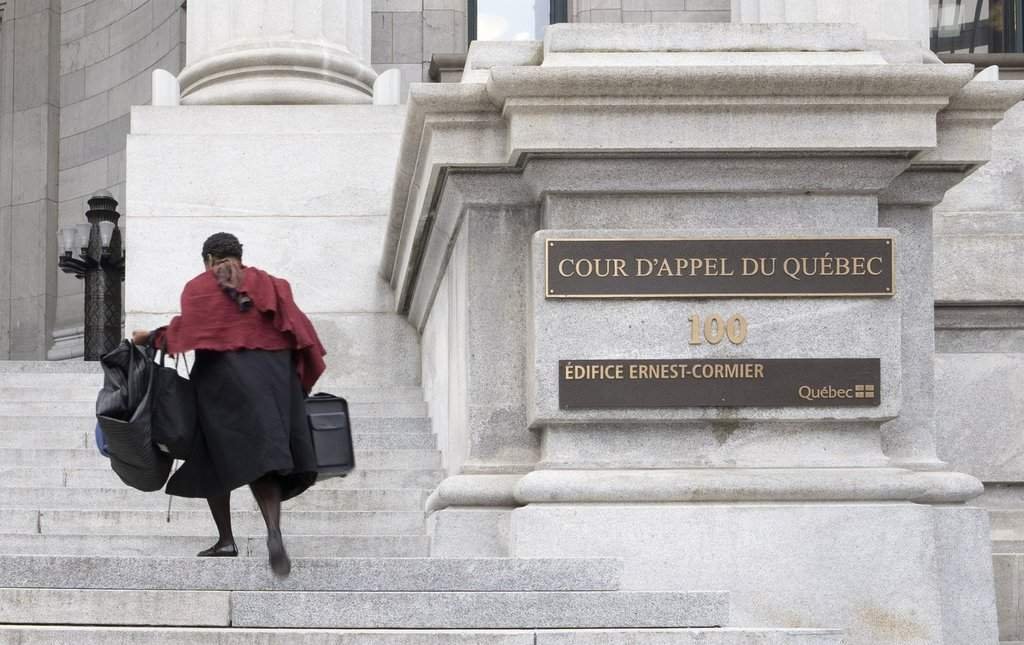
The Quebec Court of Appeal delivered a significant ruling this week that challenges one of the Criminal Code's mandatory minimum penalties. The three-judge panel determined that the one-year minimum sentence for distribution of child sexual abuse material violates section 12 of the Charter in specific circumstances. This decision builds directly on last year's Supreme Court of
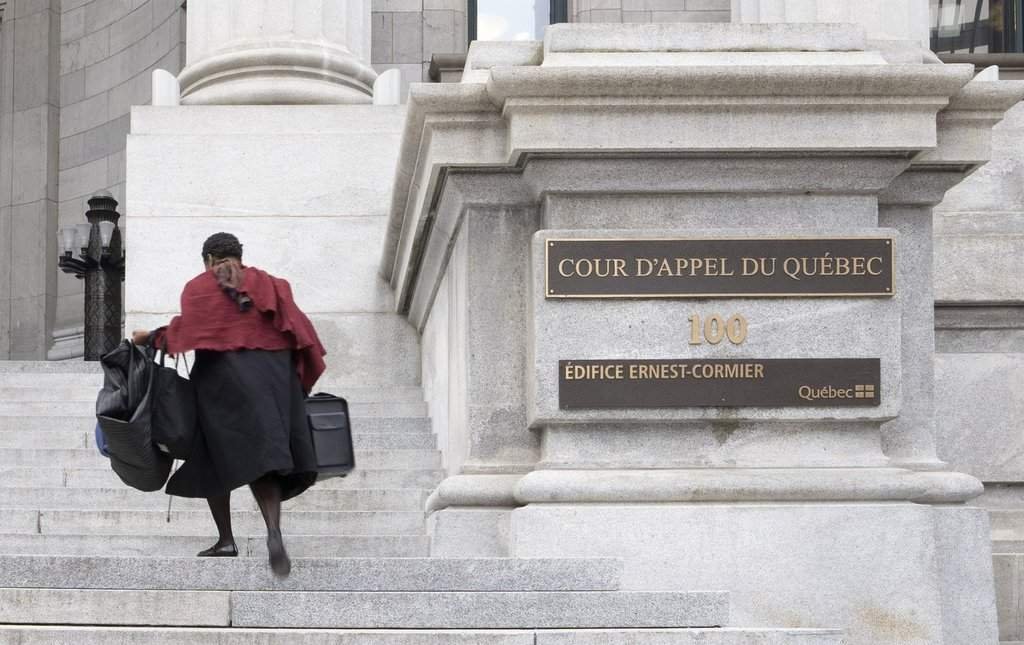
The Quebec Court of Appeal delivered a significant ruling this week that challenges one of the Criminal Code's mandatory minimum penalties. The three-judge panel determined that the one-year minimum sentence for distribution of child sexual abuse material violates section 12 of the Charter in specific circumstances. This decision builds directly on last year's Supreme Court of Canada precedent and highlights ongoing tensions between legislative sentencing rules and individualised justice. Legal observers note that the outcome reflects a careful application of established constitutional tests rather than a broad rejection of all minimum penalties.
The Ruling
The Court of Appeal concluded that imposing a twelve-month prison term on the offender would amount to cruel and unusual punishment. The panel examined the unique combination of the offender's intellectual disability and mental health conditions, which substantially reduced his moral culpability. After applying the two-stage test from recent Supreme Court authority, the judges determined that a fit sentence fell well below the mandatory minimum. They therefore substituted a six-month sentence to be served in the community, accompanied by probation, strict conditions, and credit for time already served. This outcome demonstrates how appellate courts can tailor dispositions when rigid minimums produce grossly disproportionate results.
The decision applies specifically to the distribution offence under section 163.1(3) of the Criminal Code. While the panel acknowledged the serious nature of the conduct, it emphasised that sentencing must remain proportionate to the offender's personal circumstances. The ruling does not invalidate the mandatory minimum in every case, but it establishes that the provision cannot stand when it produces unconstitutional outcomes. Crown counsel had argued for the full minimum term, yet the court found the evidence of diminished capacity compelling enough to depart from the statutory floor.
Procedurally, the appeal arose after the offender entered guilty pleas to possessing, accessing, and distributing the material. The original sentencing judge had felt bound by the mandatory minimum despite recognising its potential harshness. On appeal, fresh evidence regarding the offender's disabilities prompted the panel to reassess the constitutional validity of the provision itself. The unanimous decision underscores the judiciary's role in safeguarding Charter protections even in sensitive criminal matters.
The Case
The offender pleaded guilty in 2018 to multiple counts involving child sexual abuse material. Court records indicate that his intellectual disability and longstanding mental health conditions were central factors in the constitutional challenge. These impairments affected his ability to understand the full consequences of his actions and reduced his moral blameworthiness in the eyes of the court. The panel carefully reviewed psychological assessments that documented these limitations in detail.
Defence counsel presented extensive evidence showing how a one-year custodial sentence would exacerbate the offender's conditions and produce effects disproportionate to his level of responsibility. The court accepted that the offender required structured support rather than incarceration to address underlying issues. Probation conditions now include requirements for continued mental health treatment and restrictions on internet access. This individualised approach aligns with broader principles of sentencing that prioritise rehabilitation where appropriate.
The case illustrates the practical difficulties that arise when mandatory minimums intersect with offenders who present complex personal vulnerabilities. Prosecutors maintained that the distribution offence warranted significant punishment, yet the panel balanced this against the offender's documented disabilities. The resulting community-based sentence reflects a measured response that still imposes meaningful accountability while avoiding constitutional violation.
The Supreme Court Precedent
Last year the Supreme Court of Canada issued a 5-4 decision in Attorney General of Quebec v. Senneville that struck down mandatory one-year minimums for possessing and accessing child sexual abuse material. The majority applied section 12 of the Charter and found the penalties grossly disproportionate in reasonably foreseeable scenarios. That ruling established the two-stage analytical framework now followed by lower courts across the country. The Quebec Court of Appeal explicitly extended this reasoning to the distribution offence.
The two-stage test first requires determination of a fit sentence based on traditional sentencing principles. Only after identifying that fit sentence does the court assess whether the mandatory minimum would produce gross disproportionality. This structured approach prevents courts from simply substituting their own preferences for legislative choices. The Senneville majority emphasised that section 12 protects against punishments that are so excessive as to outrage standards of decency.
Dissenting judges in Senneville argued that Parliament's policy choices deserved greater deference in the context of child sexual abuse material offences. They warned that frequent constitutional challenges could undermine legislative efforts to deter serious crimes. Nevertheless, the majority view now guides appellate courts, including the Quebec panel that decided the present case. The consistency between the two decisions signals a clear evolution in how mandatory minimums are evaluated under the Charter.
Charter Section 12 Analysis
Section 12 of the Charter prohibits cruel and unusual treatment or punishment. Canadian courts have interpreted this guarantee to capture sentences that are grossly disproportionate to the offence and the offender's circumstances. The Quebec Court of Appeal applied this standard by first identifying a fit sentence of six months served in the community. It then concluded that forcing a twelve-month custodial term would cross the constitutional threshold.
The evolution of section 12 jurisprudence shows increasing attention to individualised factors such as mental health and cognitive capacity. Earlier cases focused primarily on the length of the sentence in isolation, but recent decisions incorporate a broader range of personal circumstances. This development reflects a recognition that rigid minimums can produce unintended and unconstitutional results when applied to vulnerable offenders. The Quebec panel's analysis fits squarely within this trajectory.
Gross disproportionality remains a high bar, and not every departure from a mandatory minimum will succeed. The court must be satisfied that the sentence would shock the conscience or be incompatible with human dignity. In this instance, the combination of intellectual disability, mental health conditions, and the relatively limited scope of the distribution conduct satisfied that demanding test. The decision therefore reinforces the protective function of section 12 without opening the floodgates to routine challenges.
Federal-Provincial Dimensions
Criminal law falls under exclusive federal jurisdiction, allowing Parliament to establish offences and penalties in the Criminal Code. Provincial governments, however, administer the court system and manage correctional facilities within their borders. This division of responsibility creates a dynamic in which federal sentencing rules are applied by provincially appointed judges. The Quebec Court of Appeal decision exemplifies how these overlapping authorities interact in practice.
Quebec's distinct legal heritage, rooted in civil law traditions alongside the common law criminal system, sometimes produces unique interpretive approaches. Yet the Charter applies uniformly across the country, ensuring that constitutional standards remain consistent. The present ruling respects federal legislative authority while exercising the judicial duty to review laws for Charter compliance. Provincial administration of justice therefore serves as the practical arena in which federal criminal policy meets constitutional limits.
Coordination between levels of government becomes especially important when courts invalidate mandatory minimums. Federal officials may consider legislative responses, while provincial authorities adjust sentencing practices and resource allocation. The Quebec decision does not alter the federal-provincial balance but illustrates how Charter litigation can prompt dialogue between the two orders of government on criminal justice policy.
Canada's Mandatory Minimum Landscape
Canada currently maintains more than seventy mandatory minimum penalties scattered throughout the Criminal Code. These provisions were expanded significantly in the early 2000s as part of a broader tough-on-crime agenda. Subsequent Supreme Court decisions, including R v. Hills and R v. Hilbach, have narrowed the scope of several minimums by applying section 12 scrutiny. The Quebec Court of Appeal ruling continues this pattern of incremental judicial oversight.
Critics argue that the proliferation of mandatory minimums reduces judicial discretion and can lead to unjust outcomes for offenders with diminished culpability. Supporters maintain that such penalties provide necessary consistency and deterrence, particularly for offences involving child sexual abuse material. The Senneville decision and its extension in the present case suggest that courts will continue to examine these provisions on a case-by-case basis rather than striking them down wholesale.
The landscape remains fluid as additional challenges work their way through the courts. Parliament retains the authority to amend or repeal specific minimums, yet legislative action has been limited in recent years. The Quebec decision adds to the body of appellate authority that may influence future policy discussions at the federal level.
Implications and Next Steps
The ruling will likely encourage defence counsel in other provinces to mount similar constitutional challenges to the distribution offence. Crown prosecutors may respond by seeking to distinguish cases on their facts or by presenting additional evidence of moral culpability. Sentencing judges will now have clearer guidance on when the mandatory minimum may be set aside without violating the separation of powers.
Whether Parliament will amend section 163.1(3) remains uncertain. Past responses to adverse court rulings have ranged from targeted legislative fixes to broader reviews of mandatory minimum policy. Any amendment would need to balance public protection concerns against the constitutional requirement of proportionate sentencing. Stakeholders on both sides of the debate are expected to monitor developments closely in the coming months.
The decision also underscores the importance of thorough pre-sentence assessments when mental health and cognitive issues are present. Provincial justice systems may need to allocate additional resources to ensure such evaluations are available in a timely manner. Ultimately, the Quebec Court of Appeal has reinforced the principle that individualised justice remains a cornerstone of Canada's criminal sentencing framework even in the face of legislative minimums.
Tags: Quebec Court of Appeal, mandatory minimum sentences, Charter section 12, child sexual abuse material, Senneville decision, criminal sentencing Canada
By Alex Thompson, Staff Writer
This article was produced with AI-assisted research and editorial support. Reporting is based on sources cited in the article.
What's Your Reaction?
 Like
0
Like
0
 Dislike
0
Dislike
0
 Love
0
Love
0
 Funny
0
Funny
0
 Wow
0
Wow
0
 Sad
0
Sad
0
 Angry
0
Angry
0

Canada Correspondent at Global1.News. Based in Toronto, covering Canadian politics, energy, trade, and US-Canada relations. Provides the Canadian perspective on North American and global affairs.














Comments (0)