
Gulf of Paria Widens as Trinidad Pours Oil on Troubled Venezuelan Waters
Gulf of Paria Widens as Trinidad Pours Oil on Troubled Venezuelan Waters The Spill That Stirred Old Waters In the quiet hours of May 1, 2026, a small but telling incident unfolded in the Gulf of Paria. Trinidad and Tobago's state oil company detected what it later described as a minor spill of just 10 barrels. The company contained the leak the same day, yet word only reached t
The Spill That Stirred Old Waters
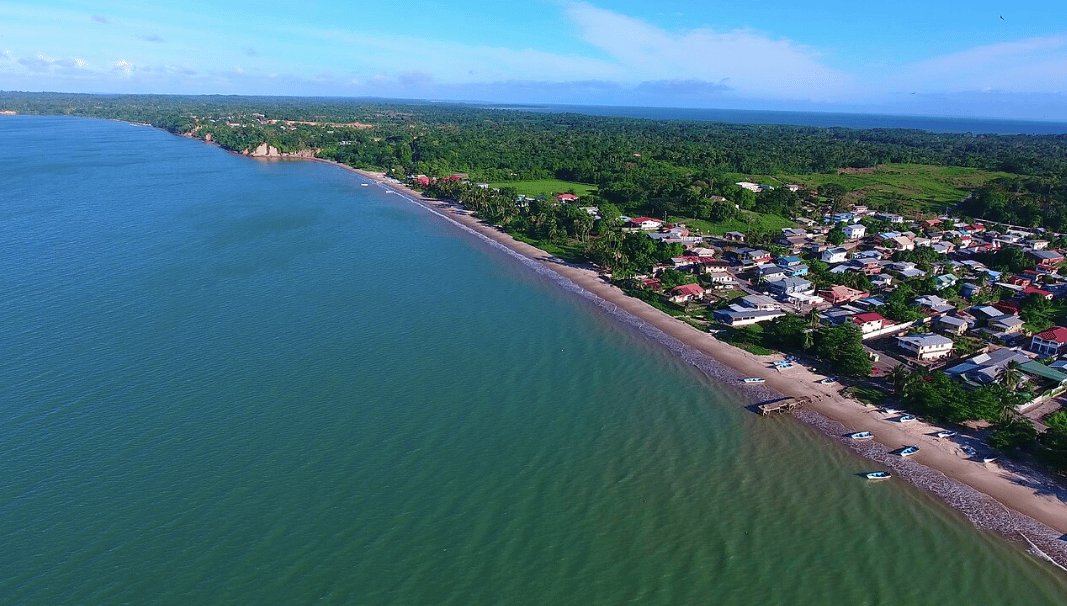
In the quiet hours of May 1, 2026, a small but telling incident unfolded in the Gulf of Paria. Trinidad and Tobago's state oil company detected what it later described as a minor spill of just 10 barrels. The company contained the leak the same day, yet word only reached the public after Venezuela raised the alarm. For families along our southern coast who depend on the sea, such events carry a familiar weight, especially when they touch the shared waters that have long linked our two nations.
The Gulf of Paria remains central to Trinidad and Tobago's energy story. Our oil and gas sector, built around facilities like Atlantic LNG, supports jobs and helps ease the rising cost of living that many households feel each month. When something goes wrong in these waters, the ripples reach beyond the rigs and into kitchens in Point Fortin and communities further afield.
Venezuela Raises Its Voice Through Official Channels
Venezuela's Foreign Minister Yvan Gil has now formally asked Trinidad and Tobago for information and compensation. The Venezuelan side states that the spill originated in Trinidadian waters and spread serious environmental damage along the coastlines of Sucre and Delta Amacuro states. They point to risks across 1,625 square kilometres of wetland systems, mangroves, and fragile ecosystems that support marine life and coastal communities.
More than 500 fishermen are said to have seen their livelihoods disrupted. In a region where many already juggle high food prices and limited alternatives, any threat to fishing grounds hits hard. Minister Gil's request comes through proper diplomatic routes, reflecting the long-standing ties that CARICOM nations maintain with their neighbours even when tensions surface.
Trinidad and Tobago Stands by Its Account
Trinidad and Tobago disputes the scale of the event, calling it a contained 10-barrel spill that posed no lasting threat. Officials note that the state oil company acted quickly on May 1 and that the matter was resolved before it could spread. The delay in public disclosure, however, has left some wondering why the information surfaced only after Venezuela complained.
Our energy sector has always balanced production with the need to protect shared resources. Petrotrin’s legacy and the operations at Atlantic LNG remind us that every barrel carries responsibility. While the government maintains the incident stayed minor, the episode highlights how quickly local matters can become regional talking points.
A Treaty From the 1990s Still Guides These Waters
Relations in the Gulf rest on a delimitation treaty signed in the 1990s. That agreement set clear terms for exploiting hydrocarbon deposits on both sides of the maritime boundary. It has allowed companies from each country to work without constant friction, yet it also created expectations that any spill would be handled with transparency.
Trinidad and Tobago remains one of the Caribbean’s largest oil and gas producers. The treaty’s spirit of cooperation has helped steady energy supplies that support our economy and, by extension, the wider CARICOM market. When questions arise about spills, they test not only technical response but also the trust built over decades of joint management.
Fishermen and Coastal Families Feel the Pinch
Along both shores, fishing families know the Gulf of Paria as more than a map line. The mangroves and wetlands provide nurseries for the fish that reach markets in Port of Spain and beyond. Venezuela’s claim that over 500 fishermen have been affected speaks to real economic pressure, especially when inflation already stretches household budgets across the Caribbean.
In Trinidad, many of these same communities have relatives in Venezuela or maintain cross-border trade links. A dispute that touches livelihoods therefore travels through family networks as much as through official statements. The environmental health of the Gulf directly influences the cost of fresh fish on local tables and the stability of small businesses that supply them.
Looking Ahead With Regional Eyes
CARICOM has long encouraged practical cooperation on energy and environmental matters. This latest exchange between Trinidad and Tobago and Venezuela fits into that pattern of dialogue rather than rupture. Both sides share an interest in keeping the Gulf productive and clean, because the same waters feed economies on either shore.
The episode also reminds us that small incidents can grow when communication lags. As our energy sector continues to evolve, clear reporting and joint monitoring will matter more than ever. For the people who live by the Gulf, the goal remains steady work, safe waters, and the kind of neighbourly understanding that has sustained Caribbean relations through many seasons.
By Sharon Sahatoo, Staff WriterThis article was produced with AI-assisted research and editorial support. Reporting is based on sources cited in the article.
What's Your Reaction?
 Like
0
Like
0
 Dislike
0
Dislike
0
 Love
0
Love
0
 Funny
0
Funny
0
 Wow
0
Wow
0
 Sad
0
Sad
0
 Angry
0
Angry
0

Caribbean Correspondent at Global1.News. Based in Port of Spain, Trinidad, covering Caribbean politics, economy, energy, climate, and culture. Amplifying the voices and stories of the Caribbean region.










Comments (0)