
US-Iran Ceasefire Faces Repeated Tests as Gulf Exchanges Threaten Fragile Deal
In a recent i24NEWS English report titled "How close is a US-Iran deal really?" from June 2026, analysts examined the fragile ceasefire between Washington and Tehran following the February 28 air campaign that killed Supreme Leader Ali Khamenei and targeted Iranian nuclear facilities at Natanz and Fordow. The segment highlighted ongoing ballistic missile exchanges in the Gulf a
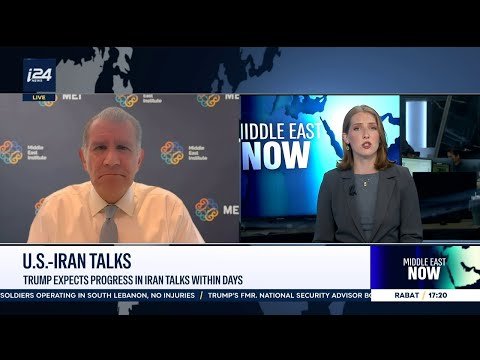
(Global 1 News)
US-Iran Ceasefire Faces Repeated Tests in Gulf Waters
Ceasefire Violations Escalate Tensions
The ceasefire agreed after more than 100 days of conflict has been tested by direct strikes in late May and early June 2026. Iran launched ballistic missiles at US air bases in Kuwait and US Navy facilities in Bahrain following American strikes on Iranian positions in the Gulf. These exchanges occurred despite the May 28 preliminary memorandum of understanding that extended the truce for 60 days and opened nuclear discussions.
Secretary of State Marco Rubio told Congress that Tehran has now agreed to negotiate aspects of its nuclear program previously off-limits. President Trump described Iran as negotiating on fumes while the Islamic Republic reviews a proposed text that includes a 12-year moratorium on all uranium enrichment. No direct communications between the two capitals have occurred in recent days.
On June 2, Iranian Revolutionary Guard naval units fired short-range missiles toward a US destroyer operating near the Iranian coast in the northern Gulf, prompting immediate American retaliation against coastal radar installations near Bandar Abbas. Israeli intelligence assessments shared with Washington indicate that Supreme Leader successor Ebrahim Raisi authorized these probes to test American resolve ahead of further talks scheduled in Muscat. The pattern of limited escalation has raised alarms in Jerusalem that any final accord could leave Iran with sufficient missile production capacity to threaten Israeli population centers within minutes of launch.
US Central Command officials in Tampa confirmed that additional Patriot batteries were deployed to Kuwait on June 5 to counter further Iranian salvos. Meanwhile, Iranian Foreign Minister Abbas Araghchi signaled in a televised address from Tehran that enrichment talks would resume only if Washington guarantees no further strikes on remaining nuclear sites. Israeli security officials view these statements as tactical delays designed to buy time for underground facility repairs at Fordow.
Strait of Hormuz Blockade Drives Global Energy Crisis
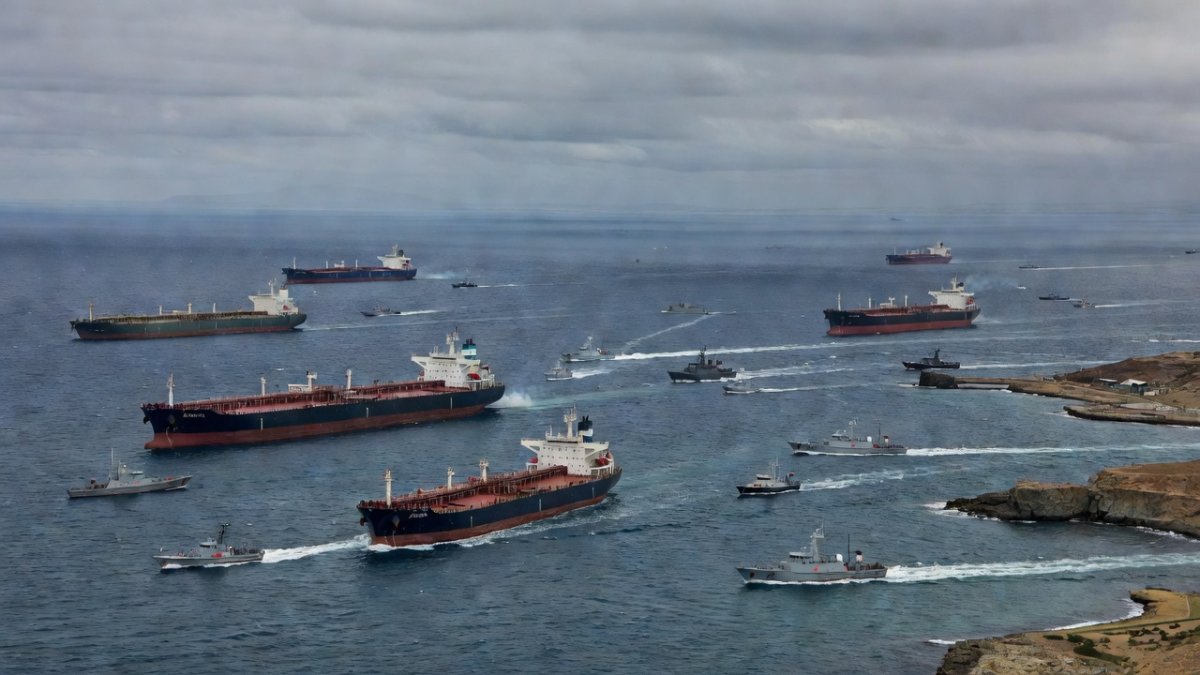
Iran's effective closure of the Strait of Hormuz since February 28 has blocked most commercial shipping and triggered worldwide fuel shortages. Oil tankers remain anchored outside the waterway while prices climb in European and Asian markets. Israeli energy officials in Jerusalem monitor daily tanker movements through the alternative Bab el-Mandeb route for any signs of Iranian naval activity.
The blockade forms one of four core issues in current talks alongside Iran's nuclear program, sanctions relief, and the release of frozen Iranian assets. US negotiators insist the waterway must reopen before any sanctions are lifted. Israeli shipping companies operating out of Haifa port report rerouting costs that have risen sharply since the closure began.
By mid-June, Brent crude prices had surged past 140 dollars per barrel, forcing European governments to activate strategic reserves for the first time since 2022. Israeli analysts at the National Security Council warn that prolonged closure could embolden Iranian proxies in Yemen to intensify Red Sea attacks, further isolating Israel's southern maritime access. Jordanian and Egyptian officials have privately urged Washington to prioritize Hormuz reopening, fearing spillover inflation that could destabilize their own economies already strained by refugee flows.
Turkish energy traders have exploited the crisis by increasing overland oil shipments from Iraqi fields to Mediterranean ports, a development that has drawn quiet Israeli interest in potential energy diversification partnerships. Gulf Cooperation Council representatives meeting in Riyadh on June 7 reiterated demands that any sanctions relief package include verifiable Iranian commitments on maritime freedom, a position aligned with Israeli diplomatic messaging delivered through back channels in Abu Dhabi.
Netanyahu Voices Skepticism Over Proposed Nuclear Terms
(Global 1 News)
Prime Minister Benjamin Netanyahu has publicly questioned the durability of any agreement that leaves Iran with residual enrichment capacity. Israeli officials note that the original objectives of the February campaign included dismantling Iran's nuclear infrastructure and removing the Khamenei regime. Mossad Director David Barnea has continued operations targeting remaining Iranian nuclear scientists even as talks proceed.
Some Israeli analysts assess that Netanyahu could authorize expanded operations in southern Lebanon to pressure Tehran indirectly. The IDF has already increased its presence in the area, citing Hezbollah rocket stockpiles supplied by Iran. Foreign Ministry spokespeople in Jerusalem have stated that Israel will not accept any deal permitting enrichment beyond zero percent.
During a June 4 security cabinet session at the Prime Minister's Office in Jerusalem, Netanyahu reviewed updated Mossad estimates showing Iran retains enough low-enriched uranium for two nuclear devices if centrifuges at Natanz resume operations. Defense Minister Yoav Gallant argued for maintaining maximum pressure, including potential strikes on Iranian missile production lines in Isfahan. These internal debates reflect broader Israeli concerns that a 12-year moratorium would simply defer rather than eliminate the existential threat.
Opposition leaders in the Knesset have called for greater transparency on the negotiations, while former national security advisers warned that any perceived Israeli acquiescence could erode deterrence credibility with other regional adversaries. Netanyahu's office has coordinated closely with congressional allies in Washington to highlight verification gaps in the proposed text.
Regional Actors Weigh Impact on Lebanon and Gulf Security
Hezbollah leaders in Beirut have warned that any US-Iran agreement must address Israeli actions in southern Lebanon. The group maintains thousands of rockets aimed at northern Israeli communities near Kiryat Shmona and Metula. IDF Northern Command has reinforced positions along the border while Shin Bet tracks Iranian Revolutionary Guard attempts to resupply proxies through Syria.
Gulf states including Saudi Arabia and the United Arab Emirates have urged Washington to maintain pressure on the Hormuz blockade issue. Their energy exports remain disrupted, affecting daily life in Riyadh and Abu Dhabi. Israeli diplomats at the Foreign Ministry coordinate quietly with these governments on shared concerns about Iranian missile capabilities demonstrated in recent Gulf strikes.
Egyptian intelligence chief Abbas Kamel met with his Israeli counterparts in Cairo on June 6 to discuss potential Sinai-based monitoring of Iranian weapons transfers to Gaza factions. Jordanian King Abdullah II expressed similar worries during a telephone call with President Trump, emphasizing the need to prevent Hezbollah from acquiring precision-guided munitions that could overwhelm Israeli air defenses. These regional consultations underscore how a weak nuclear accord could cascade into broader instability along Israel's borders.
Turkish President Recep Tayyip Erdogan has positioned Ankara as a potential mediator, offering to host follow-up talks, though Israeli officials remain wary of Turkish influence that could tilt outcomes toward Tehran. Saudi Crown Prince Mohammed bin Salman has meanwhile accelerated normalization discussions with Israel, viewing a robust US-Iran framework as essential to countering Iranian regional ambitions.
Diplomatic Maneuvers at the United Nations
At the UN Security Council in New York, US Ambassador Linda Thomas-Greenfield introduced a draft resolution on June 9 calling for immediate Hormuz reopening and intrusive nuclear inspections. Russian and Chinese representatives countered with amendments that would accelerate sanctions relief, creating a diplomatic stalemate that has delayed any binding action. Israeli diplomats at the UN Mission have lobbied permanent members intensively, stressing that verification mechanisms must exceed those in the 2015 JCPOA.
European Union foreign policy chief Josep Borrell has shuttled between European capitals and Tehran, proposing compromise language on enrichment limits that Israeli officials have rejected outright. The General Assembly debate scheduled for late June is expected to expose further divisions, with Gulf Arab states aligning more closely with Israeli positions than in previous years.
Prospects for Final Agreement Remain Uncertain
Trump stated that a deal is largely negotiated, yet Iranian state media has rejected several reported provisions. The 12-year enrichment moratorium remains the central obstacle. Israeli security cabinet meetings in Jerusalem continue to review intelligence assessments from the IDF and Mossad on Iran's ability to reconstitute its program after any sanctions relief.
Daily life in Israel reflects these uncertainties, with civil defense drills conducted in Tel Aviv and Jerusalem amid fears that any breakdown could trigger renewed Iranian missile barrages. The Knesset Foreign Affairs and Defense Committee has scheduled closed hearings on the implications of a partial nuclear agreement for Israel's qualitative military edge.
Forward-looking assessments prepared by the IDF Planning Directorate project that even a limited accord could allow Iran to field advanced ballistic missiles capable of striking Israeli territory within five years. Netanyahu's government is therefore preparing contingency military options while simultaneously deepening defense cooperation with Gulf partners. The coming weeks will determine whether diplomacy can deliver lasting security or merely postpone the next round of confrontation.
By Hannah Berg, Staff WriterThis article was produced with AI-assisted research and editorial support. Reporting is based on sources cited in the article.
What's Your Reaction?
 Like
0
Like
0
 Dislike
0
Dislike
0
 Love
0
Love
0
 Funny
0
Funny
0
 Wow
0
Wow
0
 Sad
0
Sad
0
 Angry
0
Angry
0
Israel Correspondent at Global1.News. Based in Tel Aviv, covering Israeli politics, security, technology, and society. Provides balanced, deeply-sourced reporting on one of the most closely-watched regions in the world.










Comments (0)