
Trump and Iran Trade New Threats After Strikes Exchange
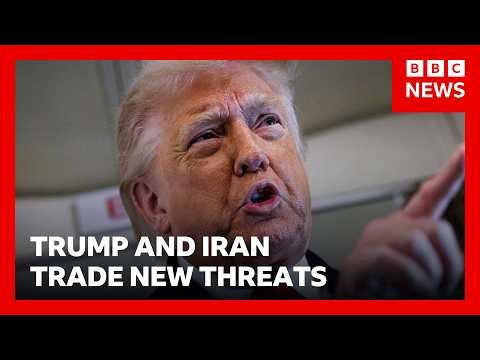
In a recent BBC News report, President Donald Trump and Iran's senior leadership traded new threats of military action after the two sides exchanged strikes across the Middle East. The latest round of hostilities threatens to completely unravel the fragile ceasefire that has held since April. On Wednesday, Trump told reporters in the Oval Office that the United States would hit
In a recent BBC News report, President Donald Trump and Iran's senior leadership traded new threats of military action after the two sides exchanged strikes across the Middle East. The latest round of hostilities threatens to completely unravel the fragile ceasefire that has held since April. On Wednesday, Trump told reporters in the Oval Office that the United States would hit Iran "hard" again, stating, "We hit them hard yesterday and we're going to hit them hard again today." Iran's President Masoud Pezeshkian responded on X that Iran "will stand firm against any pressure or threat," while Foreign Ministry spokesman Esmaeil Baqai accused Washington of damaging diplomatic efforts through contradictory messages and ceasefire violations. This exchange occurs against the backdrop of a war that began on 28 February after US and Israeli strikes killed Iran's supreme leader, followed by an April ceasefire that has proven increasingly unstable. The renewed confrontation carries profound implications for global energy markets, as the closure of the Strait of Hormuz has driven oil prices above $106 per barrel and contributed to a surge in US inflation to 4.2 percent, while threatening broader regional stability across the Persian Gulf.
Trump and Iran Trade New Threats After Strikes Exchanged — Ceasefire on the Brink
Moscow, Russia – June 2026 — The United States and Iran have entered a dangerous new cycle of retaliatory strikes and threats that threatens to completely dismantle the fragile April ceasefire. As Washington and Tehran trade fire across the Gulf, the broader implications for global energy markets, regional stability, and Russia's strategic position are becoming increasingly apparent.
Introduction — A Dangerous Escalation in the Gulf
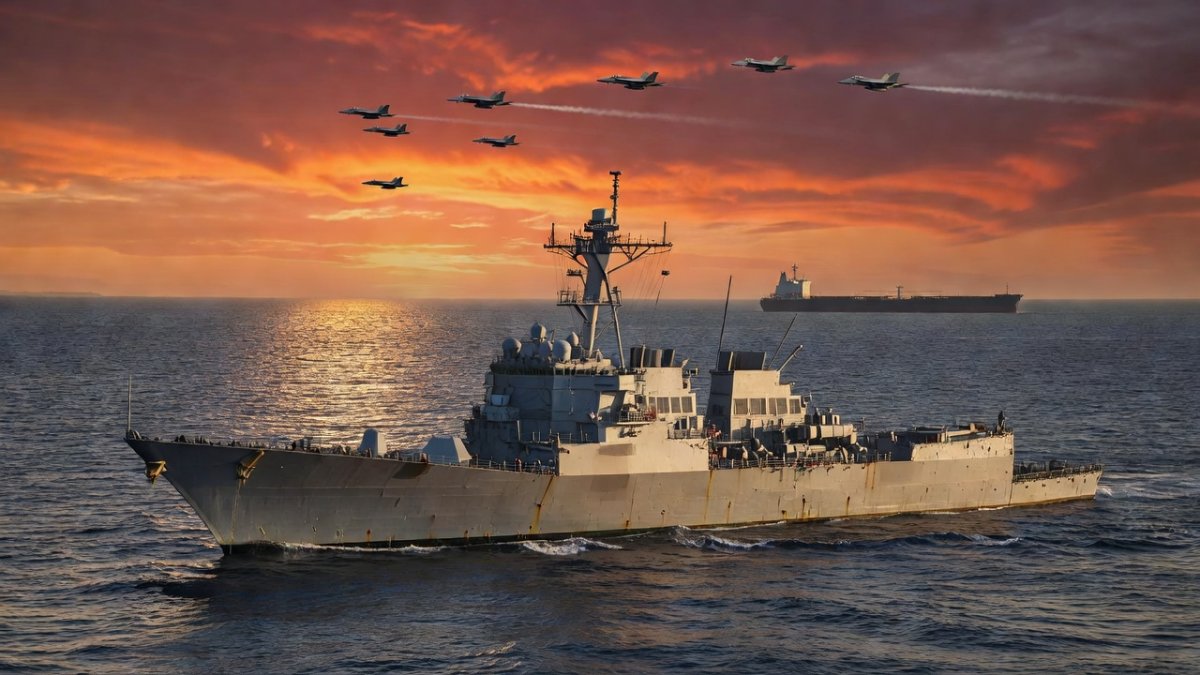
The sequence of events unfolded rapidly over recent days. CENTCOM began launching strikes at 17:15 ET on Wednesday against multiple targets in Iran, describing the operation as a response to Tehran's continued aggression. These followed Tuesday's US strikes, which came after Trump said Iran had downed a US Army Apache helicopter near the Strait of Hormuz. In response, the IRGC struck 21 targets at US bases in Bahrain and Jordan, though nearly all Iranian missiles and drones were intercepted with no reported casualties according to Reuters and US officials. The tit-for-tat pattern has brought both sides back to the brink of full-scale combat, with each round of strikes eroding the already tenuous ceasefire and raising the prospect of sustained low-level warfare across the region. This dynamic places additional strain on international shipping lanes and energy supplies that extend far beyond the immediate conflict zone.
The Threat and Counter-Threat Exchange
President Trump delivered pointed statements from the Oval Office, underscoring Washington's intent to maintain military pressure. He told reporters, "We hit them hard yesterday and we're going to hit them hard again today," framing the US actions as necessary responses to Iranian behavior. On Truth Social, Trump posted that Iran had taken too long to negotiate a deal that "would have been great for them" and now "they will have to pay the price," while also claiming that Iran had been "completely defeated" militarily. These remarks, delivered as official statements from the US president, signal a clear shift away from diplomatic overtures toward sustained pressure through force, consistent with the administration's broader approach to the conflict that began in February. Analysts suggest this language is designed to project strength while the administration continues to pursue a negotiated end to hostilities through backchannel communications.
Iran's leadership countered with firm declarations of resolve. President Masoud Pezeshkian posted on X that Iran "will stand firm against any pressure or threat," rejecting any notion of capitulation. Foreign Ministry spokesman Esmaeil Baqai went further, accusing Washington of damaging diplomatic progress through contradictory messages, repeated shifts in positions, and repeated violations of the ceasefire. Baqai emphasized that Iran needed to reassess its position and that any diplomatic process required a minimum of stability before talks could resume. These responses highlight Tehran's determination to project strength while placing the onus for renewed instability squarely on Washington, suggesting that Iran's leadership sees political advantage in framing the escalation as American aggression rather than mutual escalation.
US Defence Secretary Pete Hegseth reinforced the administration's stance, stating that bombs would be "dropping on key facilities in Iran" and adding that "President Trump said we will be hitting Iran hard and we will be." This language points to a deliberate strategy of returning to maximum military pressure rather than pursuing further ceasefire diplomacy. Hegseth's comments align with the operational tempo established by CENTCOM strikes, indicating that the United States intends to sustain offensive actions until it achieves its stated objectives. The coordination between the president, the defence secretary, and military commanders suggests a unified approach rather than the internal divisions that sometimes characterize wartime decision-making in Washington.
The Apache Helicopter Incident and Civilian Impact
The downing of a US Army Apache helicopter on Monday near the Strait of Hormuz served as the immediate trigger for Tuesday's American strikes. Trump stated that an Iranian drone had hit the helicopter without exploding as it flew "very low," with both crew members surviving and later rescued by an American sea drone. Iran's semi-official Mehr News Agency reported that Iran had not claimed responsibility for downing the aircraft. CENTCOM described its Tuesday strikes as "a proportional response," targeting Iranian defence systems, ground control stations, and radar sites near the Strait of Hormuz. This incident illustrates how limited engagements can rapidly escalate into broader exchanges of fire, a pattern that has characterized the US-Iran conflict since its inception. The event also highlights vulnerabilities in low-altitude operations amid contested airspace.
The civilian impact of the strikes has been significant and often overlooked. Iranian state media reported that US strikes hit two reservoirs near Sirik, leaving thousands of people in the southern port town without access to drinking water for 12 hours. This development underscores the humanitarian costs accompanying military operations, affecting local populations far removed from the battlefield. Such disruptions compound the challenges already facing communities in the region amid the ongoing blockade and conflict. The targeting of civilian infrastructure, even if inadvertent, carries significant propaganda value for Iran's leadership as they seek to portray the US campaign as indiscriminate, potentially shifting international opinion against continued American military operations in the region.
The Naval Blockade and the Strait of Hormuz Crisis
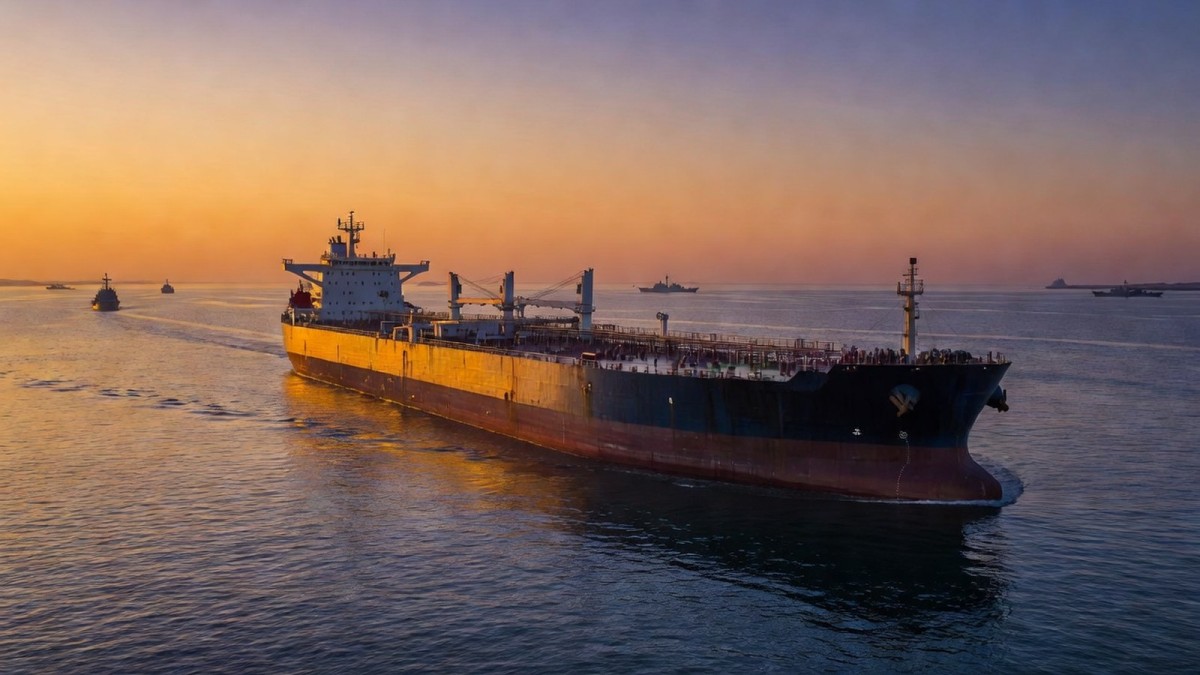
The US naval blockade has added another dimension to the confrontation. American forces struck the oil tanker Settebello in the Gulf of Oman for violating the blockade by attempting to transport oil from Iran, resulting in three Indian sailors missing and 21 crew members rescued. This marked the eighth ship the US has fired on since implementing the blockade, which was imposed after Iran closed the Strait of Hormuz in response to the February 28 attacks. The blockade aims to restrict Iran's ability to export oil, tightening economic pressure on Tehran while heightening risks to international shipping. Each incident involving civilian vessels raises the stakes for regional powers and increases pressure on Washington to clarify the rules of engagement for commercial shipping in the Gulf.
The global economic consequences have been immediate and far-reaching. Oil prices have risen above $106 per barrel, while US inflation has surged to 4.2 percent, the highest level since the early months of the conflict. Global trade routes through the Persian Gulf remain severely disrupted, with effects felt from Beijing to Berlin. Developing nations face particular vulnerability to these energy cost spikes, amplifying the conflict's reach beyond the immediate military theater. The International Energy Agency has warned that prolonged disruption to Hormuz shipping could trigger a global recession, underscoring how a regional military confrontation has transformed into a systemic threat to the world economy.
Broader Geopolitical Implications and Russia's Strategic Calculus
The conflict's effects on Russia's strategic position are significant and multifaceted. Moscow has observed the US military engagement in the Middle East with calculated interest, as it diverts American attention, military resources, and diplomatic bandwidth away from Ukraine and the European theater. Russia and China have both called for restraint while maintaining their strategic partnerships with Iran. The conflict has reshaped global energy dynamics in ways that benefit Russian oil and gas exports, providing Moscow with opportunities to strengthen its position in energy markets amid the disruptions caused by the Strait of Hormuz closure. For the Kremlin, a protracted US-Iran conflict serves multiple strategic objectives without requiring direct Russian military involvement.
The future of the ceasefire appears increasingly uncertain. The April agreement, initially intended to last only two weeks, has been eroding for months under the strain of repeated violations and mutual recriminations. Each new exchange of strikes makes a return to meaningful negotiations more difficult. Iran's demand for "minimum stability" before resuming talks may now be impossible to satisfy. The risk of a wider regional war involving Israel, Hezbollah, and Gulf states remains dangerously high, with the potential to draw in additional actors and prolong the instability. Diplomatic observers suggest that the window for a negotiated settlement may be closing as both sides harden their positions and invest further in military posturing.
Analysis and Implications
The US-Iran conflict has entered a dangerous new phase where ceasefire diplomacy has been replaced by escalating retaliatory strikes. Neither side appears willing or able to back down — Trump is politically committed to projecting strength ahead of domestic political considerations, while Iran's leadership cannot be seen as capitulating after the assassination of its supreme leader in February. This could indicate a prolonged period of low-intensity conflict punctuated by periodic flare-ups, with the Strait of Hormuz remaining the central strategic flashpoint around which all other dynamics revolve. The humanitarian and economic costs will continue to mount, and the window for a negotiated settlement may already be closing as both sides entrench their positions.
Looking ahead, Trump has signaled that more strikes are coming, and Iran has vowed to respond in kind. The international community watches with growing alarm as the Middle East edges closer to an even wider conflagration — one that could destabilize energy supplies, trigger a global economic downturn, and reshape regional alliances for years to come. The unanswered question remains whether either side possesses the political will or diplomatic flexibility to reverse the current trajectory before the conflict reaches an even more dangerous level of escalation. By Irina Volkov, Staff Writer
This article was produced with AI-assisted research and editorial support. Reporting is based on sources cited in the article.
What's Your Reaction?
 Like
0
Like
0
 Dislike
0
Dislike
0
 Love
0
Love
0
 Funny
0
Funny
0
 Wow
0
Wow
0
 Sad
0
Sad
0
 Angry
0
Angry
0

Russia/Eastern Europe Correspondent at Global1.News. Covering Russian politics, energy, security, and the shifting dynamics of the post-Soviet space. Provides clear-eyed analysis on one of the world's most opaque regions.











Comments (0)