
Amazon Fires Hit Record Low, Lifting Lula's Green Hopes
The Amazon rainforest, long a battleground between preservation and exploitation, has delivered unexpected relief this year with burned areas shrinking dramatically across Brazil. Data from MapBiomas reveals just 3.1 million hectares scorched in the Amazon during 2025, a steep fall from the 15.8 million hectares recorded in 2024.
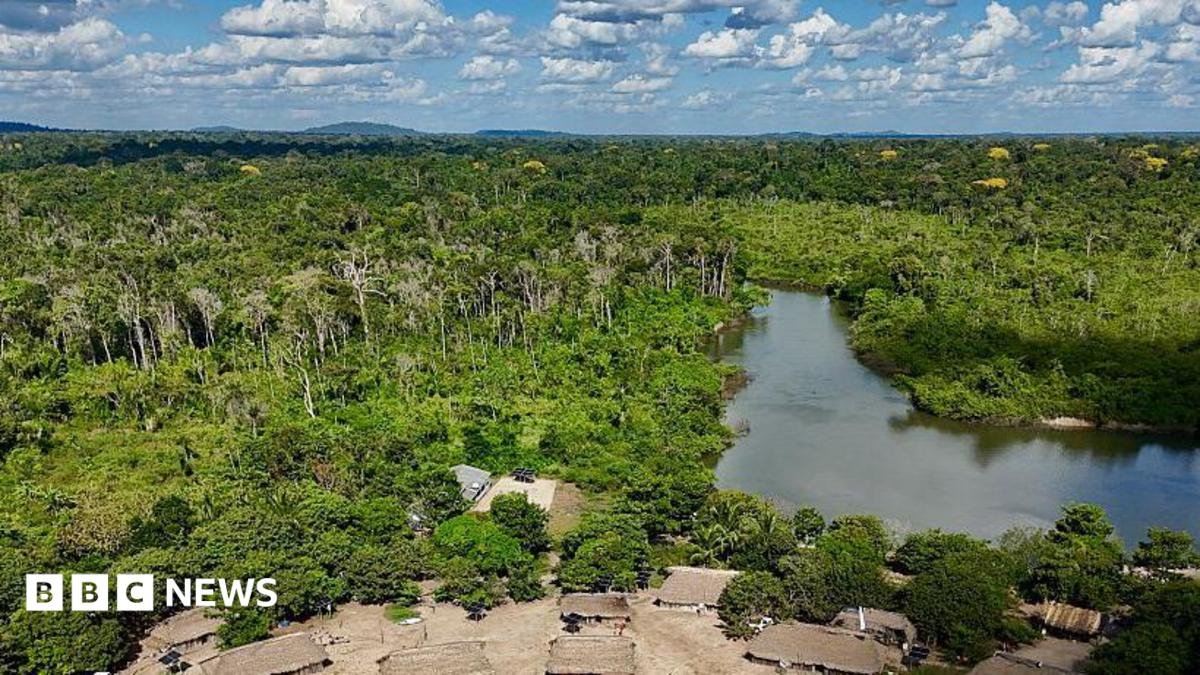
The Amazon rainforest, long a battleground between preservation and exploitation, has delivered unexpected relief this year with burned areas shrinking dramatically across Brazil. Data from MapBiomas reveals just 3.1 million hectares scorched in the Amazon during 2025, a steep fall from the 15.8 million hectares recorded in 2024. This shift arrives three years into President Lula's term, raising questions about whether policy changes or weather patterns deserve the credit. Communities from the Xingu River basin to the borders with Peru watch closely as these numbers reshape debates over Indigenous land rights and national development priorities.
Amazon Fires Hit Record Low, Lifting Lula's Green Hopes
Brasília, Brazil — MapBiomas data released this week shows Brazil's Amazon experienced its smallest burned area since records began in 1985, with only 3.1 million hectares affected in 2025 compared to the previous year's 15.8 million. Across the entire country, fires consumed 12.7 million hectares, down from 30 million in 2024. Researchers note a 31 percent reduction below historical averages and the lowest fire count in the Amazon in 41 years.
Numbers Reveal Dramatic Reversal
The MapBiomas report documents how 2025 produced the smallest burned area in four decades across the Amazon biome. Vera Arruda of the Amazon Environmental Research Institute and MapBiomas stated the figures prove reductions remain possible yet cautioned against declaring any permanent trend. National totals fell sharply as well, with 12.7 million hectares burned countrywide. These concrete measurements come from satellite monitoring that tracks every major fire event since 1985. Local farmers in Acre and Rondônia report fewer smoke days this dry season, easing respiratory illnesses in rural clinics. The data directly challenges narratives that deforestation and fire activity must rise together under any administration.
La Niña Conditions Drive Weather Shift
Cooler La Niña patterns replaced the intense El Niño of 2024, reducing temperatures and rainfall deficits across the basin. Copernicus Climate Change Service analysts linked 2024's record fires to combined climate extremes and human ignition sources. In 2025 the shift brought more consistent moisture to states such as Amazonas and Pará. MapBiomas nevertheless warns that any return of El Niño could lengthen the dry season and elevate fire risk again next year. Indigenous territories in the upper Rio Negro region benefited most from the wetter conditions, seeing minimal encroachment by flames. This weather factor cannot be separated from policy efforts when evaluating the full picture.
Lula's Campaign Pledge Gains Momentum
Protecting the Amazon formed a central promise in Lula's successful 2022 campaign, and the 2025 numbers arrive just months before his October re-election bid. The president has repeatedly declared the goal of zero deforestation in the Amazon. Enforcement actions by IBAMA and ICMBio increased patrols in priority municipalities, contributing to fewer ignition points. Supporters in Belém and Manaus point to these results as evidence that federal coordination can reverse prior damage. The drop also strengthens Brazil's position in regional climate talks with Colombia and Peru, where similar forest pressures exist. Political analysts in Brasília view the timing as favorable for Lula's environmental platform.
Bolsonaro Era Legacy Still Visible
During the first three years of Jair Bolsonaro's presidency, deforestation rates rose 75 percent according to official INPE figures. Weakened environmental agencies and reduced fines allowed illegal loggers and ranchers greater access to protected zones. Many of those cleared areas remain vulnerable to fire today, even as overall burned hectares declined. Communities near the BR-163 highway in Pará still confront legacy conflicts between soy expansion and forest reserves. The contrast between the two administrations highlights how enforcement levels directly shape outcomes on the ground. Lula's team has restored budgets to agencies dismantled earlier, yet critics argue more aggressive land regularization is required.
Indigenous Territories Face Ongoing Stakes
Indigenous groups such as the Kayapó and Munduruku have long defended their lands against both fire and mining interests. The 2025 reduction eased immediate threats to villages in the Xingu Indigenous Park, allowing safer hunting and planting cycles. However, land demarcation processes remain stalled in several states, leaving communities exposed to future encroachment. Local leaders in Mato Grosso do Sul connect Amazon trends to similar pressures on the Cerrado, where agricultural frontiers advance rapidly. These territories represent critical carbon sinks for all of Latin America, and their protection affects rainfall patterns reaching Bolivia and Argentina. Rights advocates continue pressing for stronger legal safeguards beyond seasonal fire declines.
Oil Exploration Creates Policy Tension
Critics highlight Lula's approval of oil exploration blocks at the mouth of the Amazon River as inconsistent with zero-deforestation targets. Environmental groups in Amapá warn that seismic testing and potential spills threaten coastal mangroves and fisheries relied upon by traditional communities. The contradiction between forest protection rhetoric and fossil fuel expansion mirrors debates across Latin America, from Ecuador's Yasuní to Guyana's offshore fields. Petrobras projects could generate revenue for social programs, yet they risk undermining Brazil's climate credibility ahead of COP meetings. Local fishers in Oiapoque already report changes in marine life near proposed drilling sites. This tension tests whether economic development can coexist with the conservation gains shown in 2025.
Regional Climate Politics and Future Risks
Brazil's results influence neighboring countries facing parallel fire seasons in the Andean foothills and Gran Chaco. MapBiomas data shared with partners in Peru and Bolivia shows how Amazon moisture flows sustain agriculture far beyond national borders. The 2025 decline offers a model for coordinated enforcement, yet MapBiomas cautions that El Niño returns could erase progress quickly. Indigenous networks across the basin advocate for cross-border fire monitoring systems funded through regional climate funds. Daily life in riverine communities from Tabatinga to Santarém depends on stable forests for fishing, farming, and cultural continuity. Sustained reductions will require balancing these local realities with national development goals that still favor resource extraction in many provinces.
By Elena Vasquez, Staff WriterThis article was produced with AI-assisted research and editorial support. Reporting is based on sources cited in the article.
What's Your Reaction?
 Like
0
Like
0
 Dislike
0
Dislike
0
 Love
0
Love
0
 Funny
0
Funny
0
 Wow
0
Wow
0
 Sad
0
Sad
0
 Angry
0
Angry
0

Latin America Correspondent at Global1.News. Based in Mexico City, covering politics, economics, energy, and culture across the region. Brings an on-the-ground perspective to stories spanning from the Rio Grande to Patagonia.














Comments (0)