
Trump Threatens Strikes on Iranian Nuclear Facilities Including Pickaxe Mountain
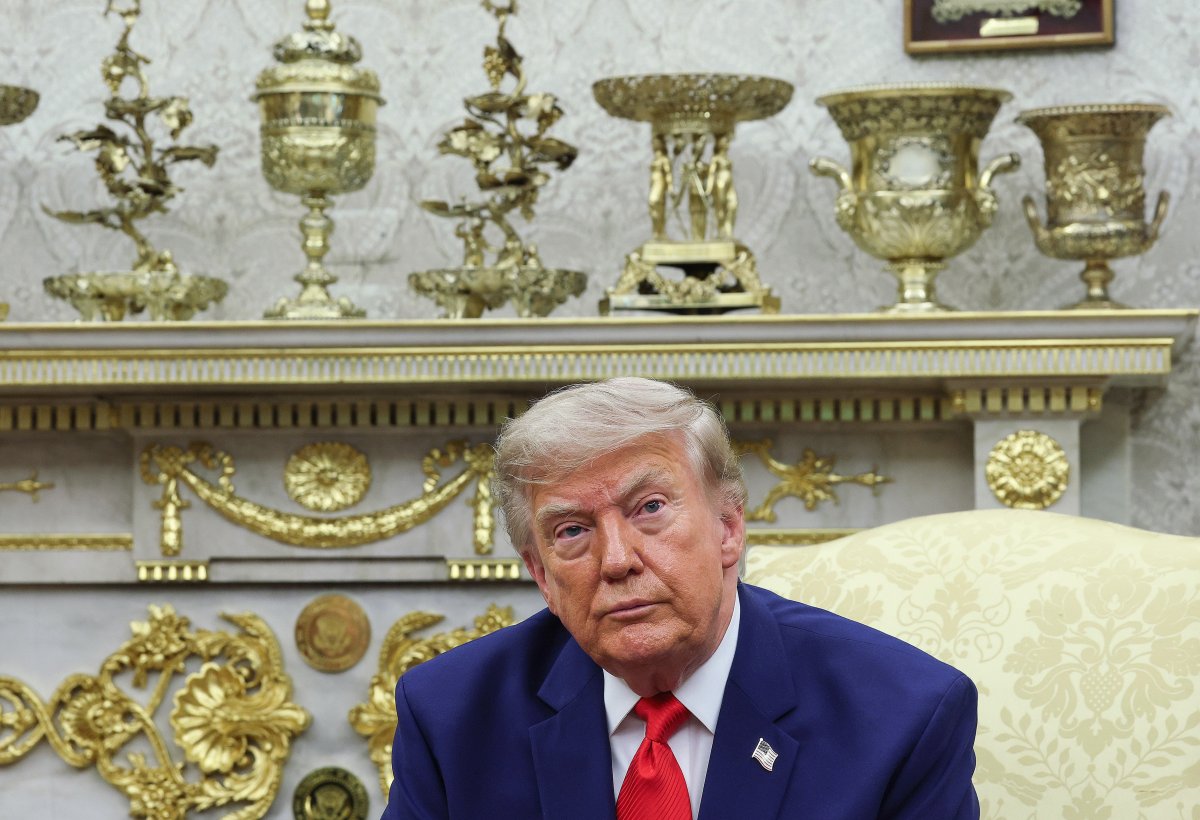
President Trump has issued a direct threat to target Iranian nuclear sites, naming the underground facility at Kuh-e Kolang Gaz La, known as Pickaxe Mountain, near Natanz as a primary objective. The warning comes after the collapse of the recent ceasefire and signals a sharp escalation in US-Iran tensions. Officials in Washington have confirmed that the threat encompasses both above-ground and deeply buried installations across the Iranian nuclear programme.
Trump Threatens Strikes on Iranian Nuclear Facilities Including Pickaxe Mountain
President Trump has issued a direct threat to target Iranian nuclear sites, naming the underground facility at Kuh-e Kolang Gaz La, known as Pickaxe Mountain, near Natanz as a primary objective. The warning comes after the collapse of the recent ceasefire and signals a sharp escalation in US-Iran tensions. Officials in Washington have confirmed that the threat encompasses both above-ground and deeply buried installations across the Iranian nuclear programme.
The statement marks a significant departure from previous diplomatic channels and places the onus on Tehran to demonstrate compliance with international monitoring demands. Analysts note that the explicit reference to Pickaxe Mountain indicates detailed intelligence assessments of Iran's efforts to relocate sensitive enrichment activities underground. This development follows weeks of heightened rhetoric from the White House.
Key Nuclear Sites and Their Strategic Significance
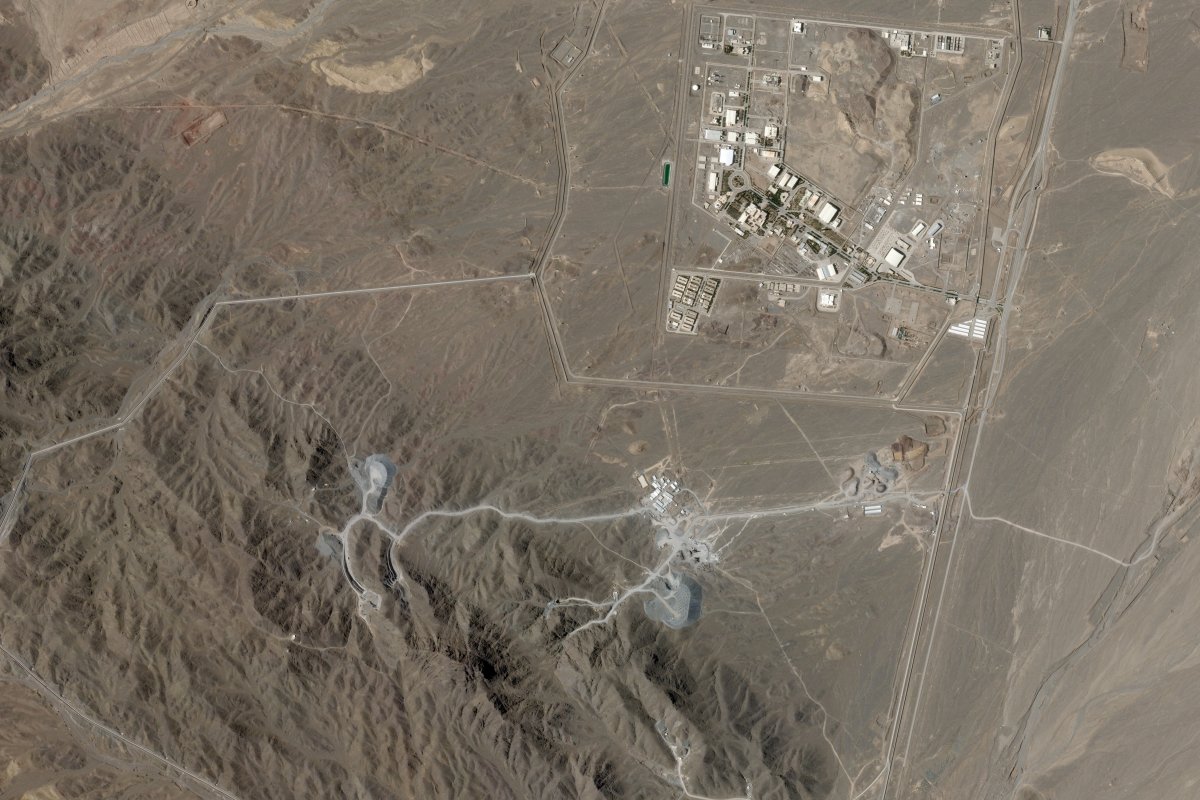
Natanz remains Iran's largest uranium enrichment plant, located 150 miles south of Tehran. The facility comprises six above-ground buildings and three underground structures, with two of the subterranean halls designed to accommodate up to 50,000 centrifuges. As of October 2022, Iran had installed 4,000 advanced centrifuges at the site, which has previously suffered sabotage attributed to Israeli operations and the Stuxnet virus.
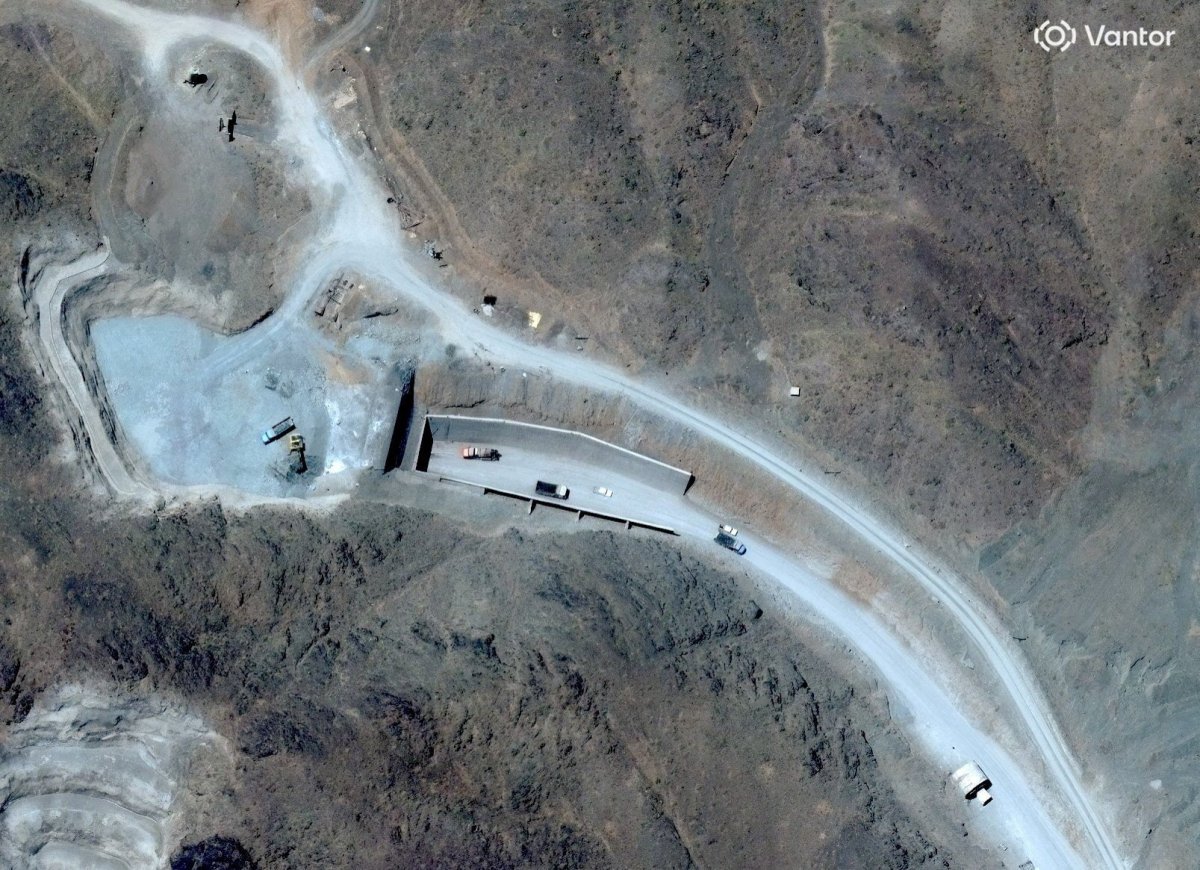
Adjacent to Natanz lies Pickaxe Mountain, a 2.7 square kilometre underground construction project protected by anti-aircraft batteries, extensive fencing and Revolutionary Guard units. Experts from the James Martin Center for Nonproliferation Studies assess that the site, likely buried at depths of 80 to 100 metres or more, is intended for centrifuge production and enrichment. Fordow Fuel Enrichment Plant, buried 300 feet underground near Qom, houses an estimated 2,700 centrifuge machines and has drawn concern from the IAEA over Iran's accumulation of highly enriched uranium. Isfahan Nuclear Technology Center, the country's largest nuclear research complex with 3,000 researchers, has seen tunnel entrances backfilled since earlier attacks to shield against airstrikes.
Operation Midnight Hammer and the 12-Day War
The current threat revives memories of Operation Midnight Hammer, the joint US and Israeli campaign launched in June 2025 that struck Natanz, Fordow and Isfahan. Those attacks damaged but did not eliminate Iran's nuclear infrastructure and triggered a 12-day war that drew in regional proxies and tested air defence systems across the Middle East. The operation exposed vulnerabilities in Iran's above-ground facilities while prompting Tehran to accelerate underground construction at sites such as Pickaxe Mountain.
Western intelligence assessments following the conflict concluded that Iran's programme had been set back but not dismantled. The failure to destroy deeply buried assets at Fordow and the emerging Pickaxe Mountain complex has informed the latest US posture. Military planners now face the challenge of penetrating greater depths and more sophisticated protective measures.
Iran's Response and Military Posture
Tehran has warned of a powerful response against all US targets in the region should strikes proceed. Revolutionary Guard commanders have emphasised defensive preparations around Natanz and Pickaxe Mountain, including reinforced anti-aircraft systems and rapid-response units. Iranian officials have also signalled that any attack would trigger retaliation through asymmetric means, including strikes on shipping lanes and US military installations in neighbouring states.
The posture reflects Iran's long-standing strategy of dispersal and hardening. Since the June 2025 attacks, tunnel entrances at Isfahan have been sealed and new construction at Pickaxe Mountain has proceeded under heavy security. Diplomatic sources indicate that Iranian negotiators have withdrawn from several confidence-building measures in anticipation of further military action.
Implications for British Foreign Policy and NATO Obligations
The escalation presents an immediate test for the Starmer government and its approach to Middle East stability. Britain played a central role in negotiating the original JCPOA and has maintained diplomatic channels with Tehran through the Foreign Office and European partners. Any US military action would require Whitehall to balance alliance commitments with efforts to prevent wider regional conflict.
NATO obligations add further complexity. While Article 5 has not been invoked, British forces maintain a presence in the Gulf and participate in maritime security operations. The Starmer administration has already faced parliamentary scrutiny over potential entanglement in US-led strikes, with opposition voices demanding greater clarity on rules of engagement. Economic consequences for UK energy markets and defence spending would also require rapid assessment by the Treasury and Ministry of Defence.
Diplomatic Options Versus Military Escalation
Diplomats in European capitals are exploring renewed talks under IAEA auspices, yet the explicit threat against Pickaxe Mountain narrows the window for de-escalation. Previous rounds of negotiations collapsed over verification disputes, and Iran's continued accumulation of enriched uranium has hardened positions in Washington. Military planners must weigh the risk of incomplete destruction of underground facilities against the prospect of triggering broader hostilities involving Hezbollah, Iraqi militias and Houthi forces.
Analysts at think tanks in London and Brussels argue that targeted strikes alone are unlikely to resolve the underlying proliferation concerns. A sustained diplomatic framework, backed by credible sanctions relief and security guarantees, remains the only path that addresses both Iranian enrichment ambitions and regional security fears. The coming days will determine whether the latest threat produces renewed talks or another cycle of strikes and retaliation.
By Erica Thornton, Staff Writer
This article was produced with AI-assisted research and editorial support. Reporting is based on sources cited in the article.
What's Your Reaction?
 Like
0
Like
0
 Dislike
0
Dislike
0
 Love
0
Love
0
 Funny
0
Funny
0
 Wow
0
Wow
0
 Sad
0
Sad
0
 Angry
0
Angry
0

US Politics and Policy Correspondent at Global1.News. Based in Washington DC, covering American politics, policy, elections, and the courts. Knows how the system works and tells you what it actually means.













Comments (0)