
Trump Reluctant on USMCA Renewal as Mexico Pushes 2042 Extension
** Trump Reluctant on USMCA Renewal as Mexico Pushes 2042 Extension **Meta Description:** Trump says he is not looking to renew the USMCA as Mexico pushes a 16-year extension. Ebrard heads to Washington June 15-18 with US$872.8 billion in trade at stake. **Keywords:** USMCA, Donald Trump, Mexico trade, Marcelo Ebrard, Claudia Sheinbaum, USMCA extension, Plan Mexico, nearshoring
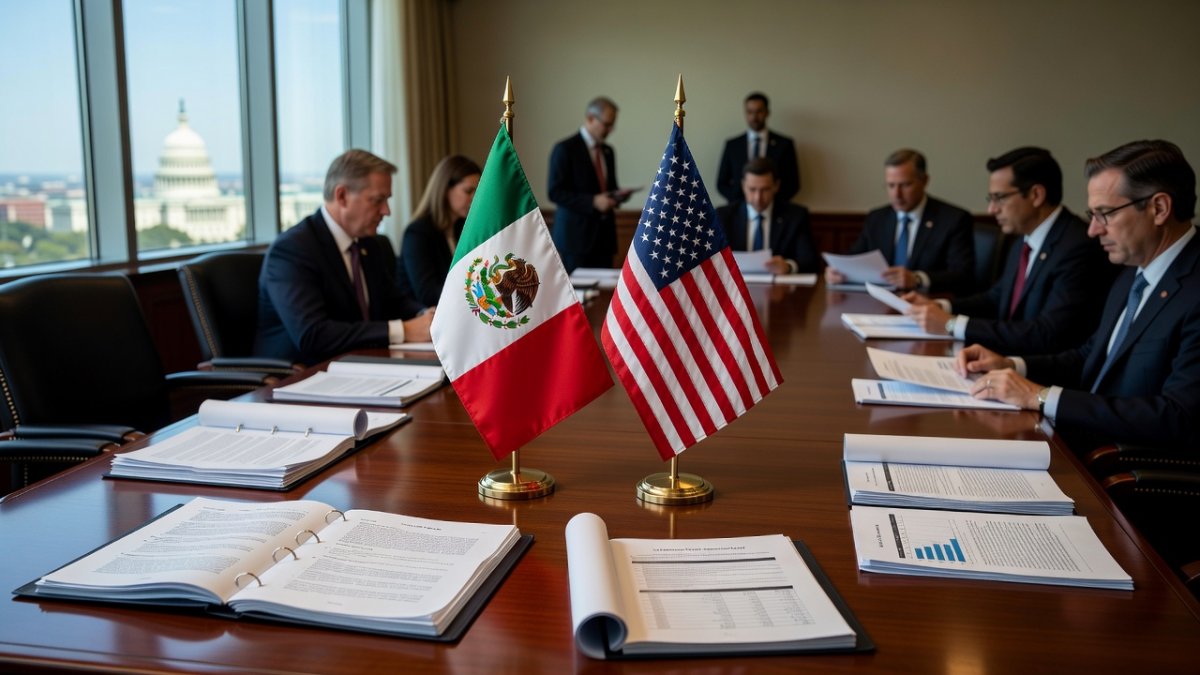
Trump Signals Reluctance on USMCA Renewal as Mexico Pushes for 16-Year Extension to 2042
On Wednesday, June 10, 2026 President Donald Trump stood in the Oval Office and declared he was not looking to renew the United States Mexico Canada Agreement known as USMCA the landmark trade pact that replaced NAFTA and now governs roughly two trillion dollars in annual trilateral trade. The statement sent immediate ripples through North American markets and prompted urgent diplomatic outreach from Mexico City where the Sheinbaum administration is preparing for the second round of bilateral trade talks scheduled for June 15 through 18 in Washington DC. Economy Minister Marcelo Ebrard had already notified US Trade Representative Jamieson Greer and Canadian Trade Minister Dominic LeBlanc of Mexico's formal request for a sixteen year extension that would lock the agreement in place until 2042. Canada has echoed the same desire for continuity. The timing could not be more critical for Mexican communities that depend on tariff free access to the US market for everything from auto parts produced in maquiladoras along the border to fresh produce grown on ejido lands in the countryside. As the Sheinbaum administration mobilizes its arguments at the daily mananera briefing the stakes involve not only economic stability but the daily livelihoods of families in colonias from Tijuana to Ciudad Juarez and beyond.
The announcement arrives against a backdrop of shifting global supply chains where nearshoring has already begun to reshape investment patterns in northern Mexico. Trump later softened his initial hard line remarking I do not know that I am going to renew it yet the core message remained one of leverage. Any country can withdraw from USMCA with six months notice meaning the earliest possible lapse without an exit clause would be 2036. Mexico however is seeking to eliminate that uncertainty by securing the long term extension now. Ebrard emphasized at the mananera that the country is fully prepared with detailed arguments ready to present during the upcoming Washington meetings. The Sheinbaum administration views the talks as an opportunity to secure tariff relief on key sectors including vehicles steel and aluminum while highlighting Mexico's stronger trade position compared with Vietnam the European Union and South American nations. This proactive stance builds on the AMLO legacy of assertive yet pragmatic diplomacy that prioritizes Mexican sovereignty alongside economic integration.
Trump's Oval Office Statement: Full Quotes and Strategic Analysis
During his June 10, 2026 remarks in the Oval Office President Trump delivered a series of pointed comments that framed the USMCA as a mixed legacy. We do not need anything that Canada has we do not need anything that Mexico has but they need everything that we have he stated underscoring an asymmetric view of the trading relationship. He described the agreement as sort of a good deal but insisted it was a great deal for one reason it gave the right to terminate. These words landed with particular weight because the USMCA already contains built in termination provisions that allow any party to exit after six months notice. The earliest automatic lapse without invoking the exit clause would occur in 2036 yet Trump appeared eager to keep that leverage alive rather than commit to renewal. Analysts noted that the comments reflect a continuation of the transactional approach that defined his first term when renegotiating NAFTA became a signature campaign promise.
Despite the tough rhetoric Trump left a narrow opening by adding I do not know that I am going to renew it suggesting room for negotiation during the June 15 to 18 talks in Washington. The softening came after initial market jitters sent the peso fluctuating and prompted calls from Mexican business chambers urging calm. For Mexican officials the quotes underscore the need to arrive in the US capital with concrete proposals that address American concerns while protecting core Mexican interests. The Sheinbaum administration has instructed its team to emphasize how USMCA has delivered mutual benefits including stable supply chains for American manufacturers who rely on Mexican assembly plants. By preparing detailed economic data and community impact studies Mexico hopes to shift the conversation from termination threats toward a shared vision of extended stability through 2042. This approach draws on the institutional strength of the SRE and SEGOB to coordinate a unified national response that resonates both in Palacio Nacional and in the colonias where workers await news of continued tariff free access.
Mexico Responds at the Mananera: Ebrard's Briefing and Sheinbaum Administration Strategy
At the Wednesday mananera briefing Economy Minister Marcelo Ebrard addressed reporters directly stating that Mexico is prepared with arguments ready for the upcoming trade discussions. The Sheinbaum administration has framed the extension request as a matter of national interest that safeguards the gains achieved under the previous AMLO government while adapting to new global realities. Ebrard highlighted Mexico's superior trade position relative to Vietnam the European Union and South American competitors noting that the country offers unmatched proximity logistics and a skilled workforce already integrated into North American production networks. The daily mananera has become the central platform for communicating these positions to the Mexican public ensuring transparency and building domestic support ahead of the June 15 to 18 Washington meetings.
Behind the scenes the administration has mobilized multiple secretariats including the SRE and SEGOB to prepare position papers that link trade policy to broader development goals. Ebrard stressed that Mexico will seek concrete tariff relief on vehicles steel and aluminum sectors that employ hundreds of thousands of workers in border maquiladoras and interior industrial parks. The strategy also draws on the institutional memory of the Congreso de la Union where cross party support from Morena PAN PRI and PRD members has historically backed pragmatic trade engagement. By appearing at the mananera Ebrard signaled that the government will not be caught off guard and will instead use every diplomatic tool to secure the sixteen year extension to 2042. This public facing approach reflects the Sheinbaum administration's commitment to community engagement ensuring that families in ejidos and urban colonias understand the stakes and feel represented at the negotiating table.
$872.8 Billion in Bilateral Trade at Stake: Numbers Tariff Relief and Economic Stakes
US Mexico goods trade reached US$872.8 billion in 2025 with the vast majority moving tariff free under USMCA rules. This figure represents the lifeblood of countless communities where factories hum around the clock producing everything from automotive components to household appliances destined for US consumers. The Sheinbaum administration is entering the June 15 to 18 Washington talks with a clear priority list that includes tariff relief on vehicles steel and aluminum products that have faced periodic threats of new duties. Ebrard has repeatedly noted that Mexico's trade position is stronger than that of Vietnam the European Union or South American nations because of integrated supply chains and geographic advantages that no other partner can replicate.
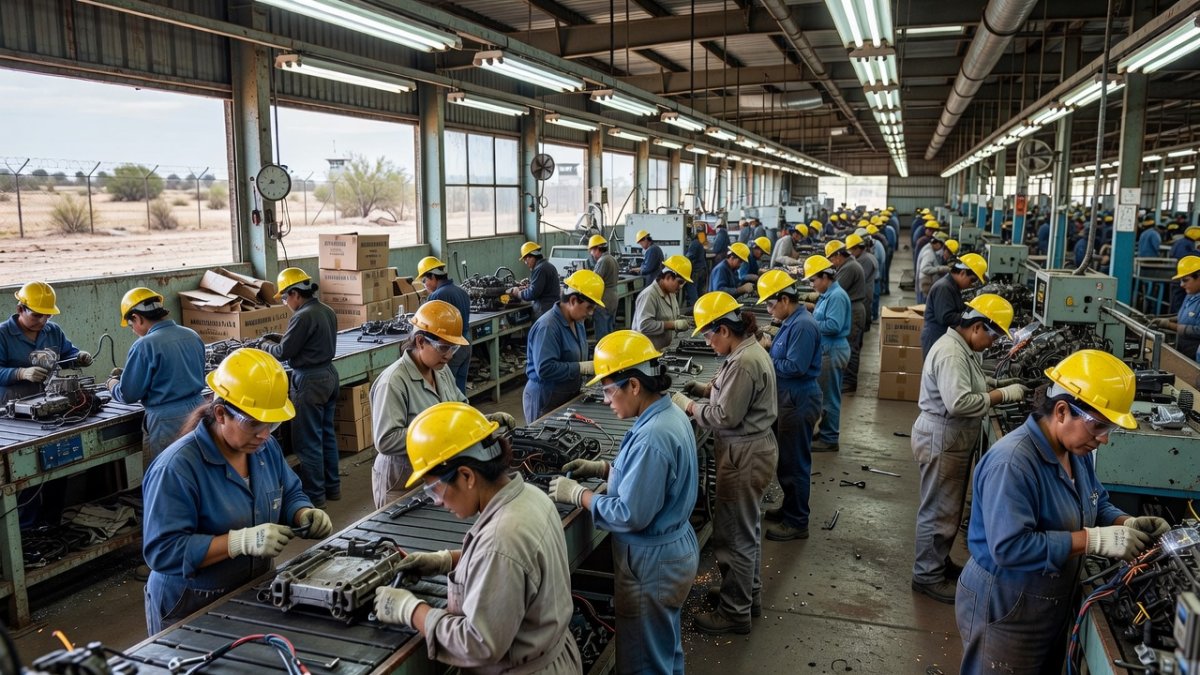
The two trillion dollar annual trilateral trade governed by USMCA amplifies these bilateral stakes because disruptions in one corridor quickly affect the entire North American economy. Mexican negotiators will arrive with data showing how the current framework has boosted nearshoring investments and created formal employment opportunities that reduce migration pressures. The request for a sixteen year extension to 2042 is designed to provide the long term certainty investors need when deciding whether to expand plants in Mexican industrial corridors. Without such an extension the six month withdrawal clause could introduce recurring uncertainty that harms planning for both large corporations and small family owned suppliers in the tortillerias and taquerias that serve factory workers. The Sheinbaum team is therefore treating the upcoming round as a pivotal moment to lock in gains while addressing legitimate US concerns about trade balances.
Impact on Mexican Communities: Maquiladora Workers Border Families and Campesinos
Across the northern border region maquiladora workers wake each morning knowing their jobs depend on the seamless flow of components under USMCA. A sudden termination threat could ripple through colonias where families rely on steady paychecks to cover school fees and medical visits at IMSS clinics. In Ciudad Juarez and Tijuana entire neighborhoods have grown around these assembly plants creating a web of economic activity that includes local vendors and transportation services. The Sheinbaum administration's push for a sixteen year extension is therefore not an abstract diplomatic goal but a direct effort to protect these communities from the uncertainty Trump highlighted in his Oval Office remarks.
Further south campesinos on ejido lands who export fresh produce and specialty crops also stand to lose if tariff barriers reappear. These rural families have benefited from the tariff free access that USMCA provides allowing them to compete in US supermarkets without the added costs that would erode already thin margins. Border families who cross daily for work or family visits similarly depend on the stable economic relationship the agreement fosters. Ebrard has made clear at the mananera that Mexico's negotiating team will carry these human stories into the Washington talks emphasizing that any deal must deliver tangible benefits for ordinary citizens. The contrast with Vietnam or the European Union is deliberate Mexico's integrated communities offer a unique partnership model that strengthens both nations when the rules remain predictable through 2042.
Plan Mexico and the Sheinbaum Strategy: Investment Nearshoring and AMLO Legacy
The Sheinbaum administration has unveiled Plan Mexico as its flagship investment strategy designed to attract nearshoring projects that relocate production closer to US markets. This initiative builds directly on the AMLO legacy of infrastructure development and social programs that created the foundation for sustained economic growth. By linking trade policy to targeted incentives for manufacturers the government aims to generate formal jobs in regions that have historically struggled with underemployment. Ebrard has argued that Mexico's trade position remains superior to competitors because Plan Mexico combines competitive labor costs with improving logistics and energy infrastructure supported by CFE investments.
During the June 15 to 18 Washington meetings Mexican officials will present evidence that extended USMCA certainty through 2042 would accelerate these nearshoring gains and deliver mutual benefits for American companies seeking resilient supply chains. The strategy also incorporates lessons from the previous administration's focus on reducing regional inequalities ensuring that benefits reach not only border maquiladoras but also interior states where new industrial parks are emerging. By appearing regularly at the mananera President Sheinbaum has kept the public informed about how these negotiations connect to everyday life in pueblos and cities alike. The sixteen year extension request is therefore framed as a natural continuation of pragmatic policies that honor Mexican sovereignty while embracing economic integration with its northern neighbors.
What to Watch For: Washington Talks June 15-18 and Possible Outcomes
The second round of Mexico US trade talks opening June 15 in Washington DC will serve as the first major test of whether Trump's June 10 comments translate into concrete policy shifts or remain negotiating theater. Mexican negotiators led by Ebrard will arrive with detailed proposals for tariff relief on vehicles steel and aluminum alongside the formal request for a sixteen year USMCA extension to 2042. Observers will watch closely for any signals from the US side about willingness to discuss long term stability rather than immediate termination. Canada has already aligned itself with Mexico's extension goal creating a potential united front on the northern side of the border.
Possible outcomes range from a joint statement committing to continued talks through the summer to more contentious exchanges if the US insists on preserving the six month withdrawal right without modification. The Sheinbaum administration has prepared contingency messaging for the mananera to keep Mexican communities informed regardless of the immediate results. Success would mean locking in the predictability that nearshoring investors crave while failure could trigger renewed market volatility affecting the US$872.8 billion in annual bilateral trade. As the June 15 to 18 sessions unfold the focus will remain on protecting the human dimension of the agreement the workers in maquiladoras the families in border colonias and the campesinos whose livelihoods depend on open and stable trade flows. The coming days will reveal whether diplomacy can convert Trump's softened stance into a durable framework that serves all three nations through 2042 and beyond.
Tags: USMCA, Donald Trump, Mexico trade, Marcelo Ebrard, Claudia Sheinbaum, USMCA extension, Plan Mexico, nearshoring, maquiladoras, tariffs, bilateral talks, Mexican economy
By Rosa Martinez, Staff Writer
This article was produced with AI-assisted research and editorial support. Reporting is based on sources cited in the article.
What's Your Reaction?
 Like
0
Like
0
 Dislike
0
Dislike
0
 Love
0
Love
0
 Funny
0
Funny
0
 Wow
0
Wow
0
 Sad
0
Sad
0
 Angry
0
Angry
0

Latin America/Andes Correspondent at Global1.News. Based in Bogota, covering politics, environment, energy, and social movements across the Andean region. Passionate about environmental journalism and communities protecting their land.














Comments (0)