
NTA Overhaul: Centre Plans Leak-Proof Testing System After NEET Scandal
The 2026 NEET paper leak exposed deep vulnerabilities in India's national testing infrastructure, forcing the Centre to announce a comprehensive overhaul of the National Testing Agency.
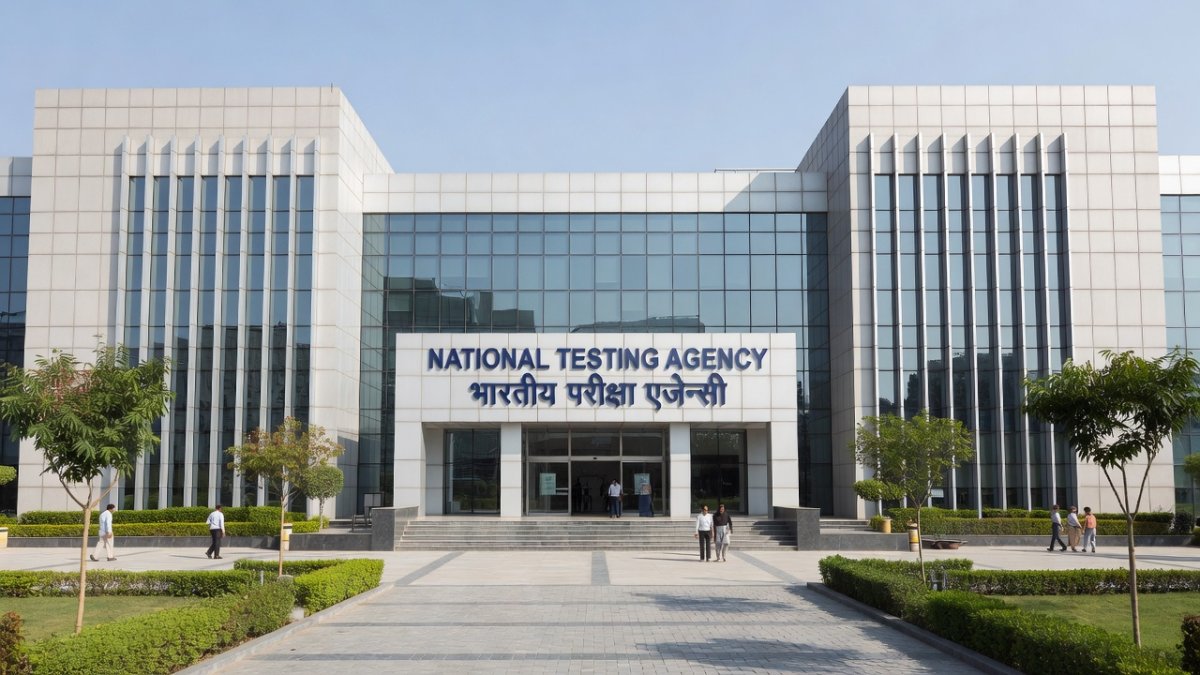
The 2026 NEET paper leak exposed deep vulnerabilities in India's national testing infrastructure, forcing the Centre to announce a comprehensive overhaul of the National Testing Agency. With over 22 lakh students affected and at least 12 suicides reported across states, the planned changes to outsourcing protocols aim to restore integrity to exams that determine futures in medicine and engineering. This development carries direct consequences for the education system serving millions of aspirants from Rajasthan to Maharashtra.
NTA Overhaul: Centre Plans Leak-Proof Testing System After NEET Scandal
New Delhi - July 24, 2026 — The Union government is preparing a major restructuring of the National Testing Agency following the massive NEET-UG paper leak that disrupted the careers of over 22 lakh students. One of the key changes includes tweaking the NTA's outsourcing methods in order to ensure a leak-proof system. The agency, established in November 2017 under the Ministry of Education, conducts NEET-UG, JEE-Main, CUET-UG and other national entrance examinations that shape access to medical and engineering seats across India.
The 2026 NEET Crisis Unfolds
The NEET-UG examination scheduled for May 3, 2026, was cancelled on May 12 after investigations revealed significant overlaps between leaked material and the actual question paper. Over 22 lakh students were forced to retake the exam on June 21, 2026, across 5,440 centres equipped with CCTV surveillance and signal jammers. The scale of the disruption highlighted systemic weaknesses in an agency responsible for high-stakes testing that determines entry into medical colleges from Delhi to Chennai.
Students first became aware of irregularities on May 5, 2026, when screenshots of question papers began circulating on Telegram channels and X (formerly Twitter), prompting anxious posts from candidates in Rajasthan and Bihar. The timeline moved rapidly: the pen-and-paper test was held on May 3 across 5,440 centres; complaints reached the NTA headquarters in Noida by May 6; the Rajasthan Police Special Operations Group registered an FIR on May 8 and traced the leak to a printing press in Jaipur; and the Union Education Ministry announced cancellation on May 12 after forensic matches confirmed 40-50% overlap with the original paper.
The Rajasthan Police SOG investigation, which involved raids on coaching centres in Kota and Sikar, identified a network of 12 individuals, including two NTA-contracted invigilators. Reorganising the retest for 22.3 lakh candidates on June 21 required the NTA to secure 5,440 centres with fresh question papers printed under CRPF escort, install additional CCTV cameras at every venue, and deploy signal jammers at a cost of ₹48 crore. Compared with 2025, when the exam ran smoothly for 20.8 lakh students over a single day, the 2026 exercise demanded three times the usual security personnel and coordination with state education departments in 28 states and eight Union territories.
Paper Leak Network Across States
CBI investigations led to multiple arrests
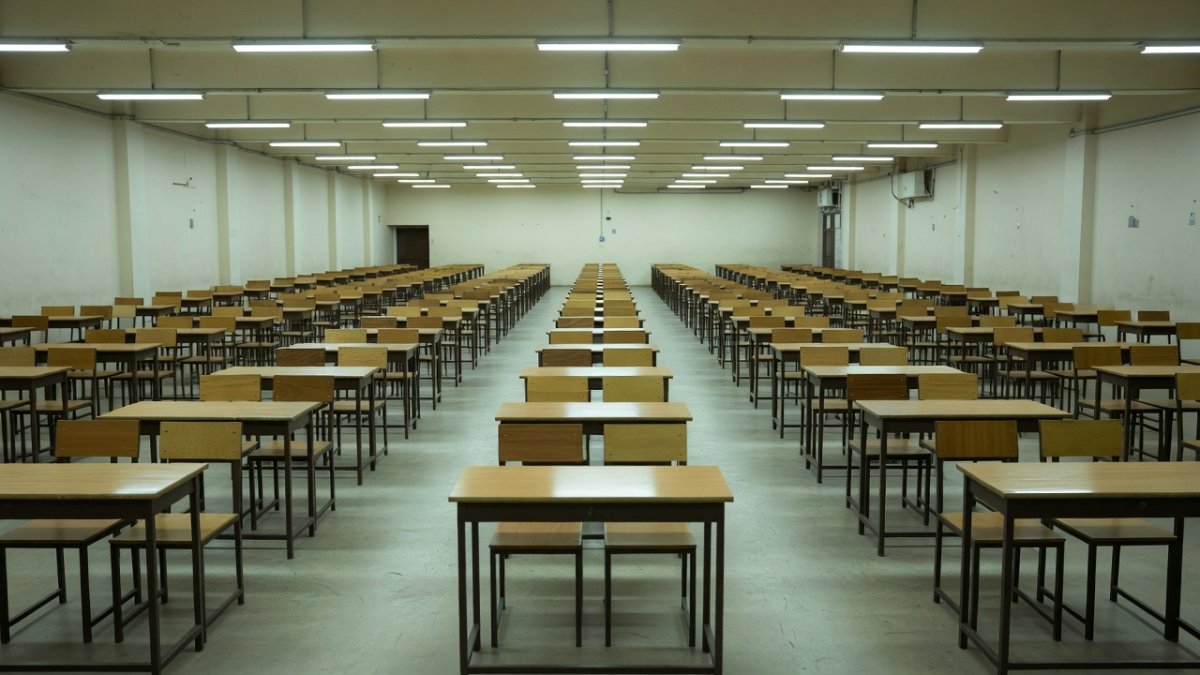 , including Dr. Shubham Khairnar, chemistry professor P.V. Kulkarni, biology professor Manisha Gurunath Mandhare, and headmistress Manisha Sanjay Havaldar. The leak network spanned Rajasthan, Maharashtra, and other states, revealing how private actors exploited outsourcing gaps. These arrests underscore the need for tighter controls in a system that serves students from Bihar, Uttar Pradesh, and Tamil Nadu who compete for limited government medical seats.
Centre's Overhaul of NTA Outsourcing
The planned overhaul focuses on revising the NTA's outsourcing methods to create a leak-proof framework. This includes stricter vetting of vendors and reduced reliance on external agencies for question paper handling. Such reforms directly address vulnerabilities exposed in 2026 and aim to safeguard the credibility of exams that influence healthcare workforce development in states like Kerala and Karnataka.
Under the current system, question papers are printed at four authorised presses in Delhi-NCR and transported by private logistics firms to 5,440 district-level centres, where they are stored overnight under local police guard. Subject experts empanelled by the NTA set the papers at a secluded facility in Ghaziabad, but the final collation and packaging are handled by external vendors, creating multiple hand-off points vulnerable to leakage.
Previous reform attempts after the 2024 CUET-UG glitches and the 2025 UGC-NET paper leak had led to the formation of an internal NTA committee, yet recommendations for in-house printing were never implemented due to budgetary constraints. International models such as the UK's JCQ and Singapore's SEAB rely on fully government-controlled printing and digital encryption from the outset. Concrete changes under discussion include shifting paper-setting to permanent NTA staff, mandating ISO-certified secure printing within government presses, and introducing end-to-end GPS-tracked transport with biometric authentication at every stage.
Transition to Computer-Based Format
NTA plans to shift NEET to a computer-based exam format from 2027, moving away from traditional pen-and-paper methods. This transition requires substantial investment in digital infrastructure across districts in Rajasthan and Maharashtra. For Indian students, the change promises greater security but demands adaptation in coaching hubs from Kota to Mumbai, where preparation patterns have long centred on physical mock tests.
A computer-based NEET from 2027 would require candidates to appear at 3,200 designated centres equipped with 4.5 lakh computer terminals, each running a secure, offline examination software developed by the National Informatics Centre. The NTA has begun mapping existing infrastructure under the PM eVIDYA programme, yet only 1,850 of India's 7,800 blocks currently have reliable broadband and uninterrupted power supply.
The rural-urban digital divide remains stark: while Delhi and Mumbai centres already conduct CUET in computer mode, districts in Jharkhand and Odisha report average internet speeds below 2 Mbps. International precedents such as the USMLE Step exams and Australia's GAMSAT demonstrate that a phased rollout over three years, beginning with metro cities in 2027 and extending to all districts by 2029, can maintain integrity. Estimated costs stand at ₹1,200 crore for hardware upgrades and training of 12,000 centre administrators, with the first pilot scheduled for December 2026 in 12 cities.
Human Cost and Student Suicides
At least 12 prospective students committed suicide following the paper leak, a tragic outcome that exposed the mental health pressures within India's competitive education system. Families in rural Maharashtra and Rajasthan bore the brunt, with many students from lower-income backgrounds losing a full academic year. These losses highlight the urgent need for policy interventions that protect the well-being of aspirants targeting AIIMS Delhi and other premier institutions.
The pressure of NEET preparation in India remains extreme, with students in Kota's coaching hostels routinely studying 12-14 hours daily for two years. At least 12 suicides reported between May 13 and June 20, 2026, involved aspirants from middle-income families in Uttar Pradesh, Bihar and Rajasthan who had borrowed ₹8-12 lakh for two-year coaching packages at institutes such as Allen Career Institute and Aakash.
Families described selling agricultural land or taking personal loans from banks at 14% interest to fund hostel fees, travel and mock-test series. While the NTA and the Ministry of Education have directed all coaching hubs to install on-site counsellors, only 37 of Kota's 150-odd centres currently comply with the 2024 UGC guidelines on student mental health. Broader policy discussions now centre on capping coaching fees, introducing a common entrance calendar to reduce multiple-exam stress, and expanding the Tele MANAS helpline network to every district with NEET aspirants.
Political and Parliamentary Fallout
The controversy triggered nationwide protests and sharp political criticism, with opposition leader Rahul Gandhi demanding NEET-UG exemption for 2026. NTA officials faced grilling before a parliamentary panel, reflecting broader accountability demands on the education ministry. In states like West Bengal and Tamil Nadu, the issue has intersected with regional politics, influencing debates on federal control over national entrance examinations.
Implications for Indian Education Policy
The NTA overhaul connects to larger trends in India's push for standardised testing amid growing healthcare and technology sector demands. Students and taxpayers in states such as Gujarat and Andhra Pradesh will benefit from more reliable systems that reduce re-examination costs and delays. These reforms could strengthen the pipeline of qualified doctors and engineers, supporting national goals in public health infrastructure and digital innovation.
The Bottom Line
The Centre's decision to overhaul the NTA marks a critical response to the 2026 NEET failures, with outsourcing reforms and computer-based testing positioned to prevent future leaks. For millions of students across India, these changes represent a necessary step toward restoring trust in an education system that determines access to professional careers. Sustained implementation will determine whether the agency can deliver fair opportunities from the classrooms of small-town Rajasthan to the medical colleges of metropolitan Delhi.
— By Dr. Raj Patel, Staff Writer
This article was produced with AI-assisted research and editorial support. Reporting is based on sources cited in the article.
What's Your Reaction?
 Like
0
Like
0
 Dislike
0
Dislike
0
 Love
0
Love
0
 Funny
0
Funny
0
 Wow
0
Wow
0
 Sad
0
Sad
0
 Angry
0
Angry
0

India/South Asia Correspondent at Global1.News. Analytical voice with a background in science and health journalism. Based in New Delhi, covering Indian politics, education, healthcare, technology, and policy. Breaks down complex data into clear, actionable reporting.















Comments (0)