
EU Locks Oil Cap in 21st Russia Sanctions Package
The European Union has finalized its 21st sanctions package against Russia this week, freezing the crude oil price cap at $44 per barrel for a full year after weeks of tense internal bargaining. This development underscores Brussels' determination to choke off Moscow's energy revenues even as global market swings and member-state exemptions threaten to dilute the impact.
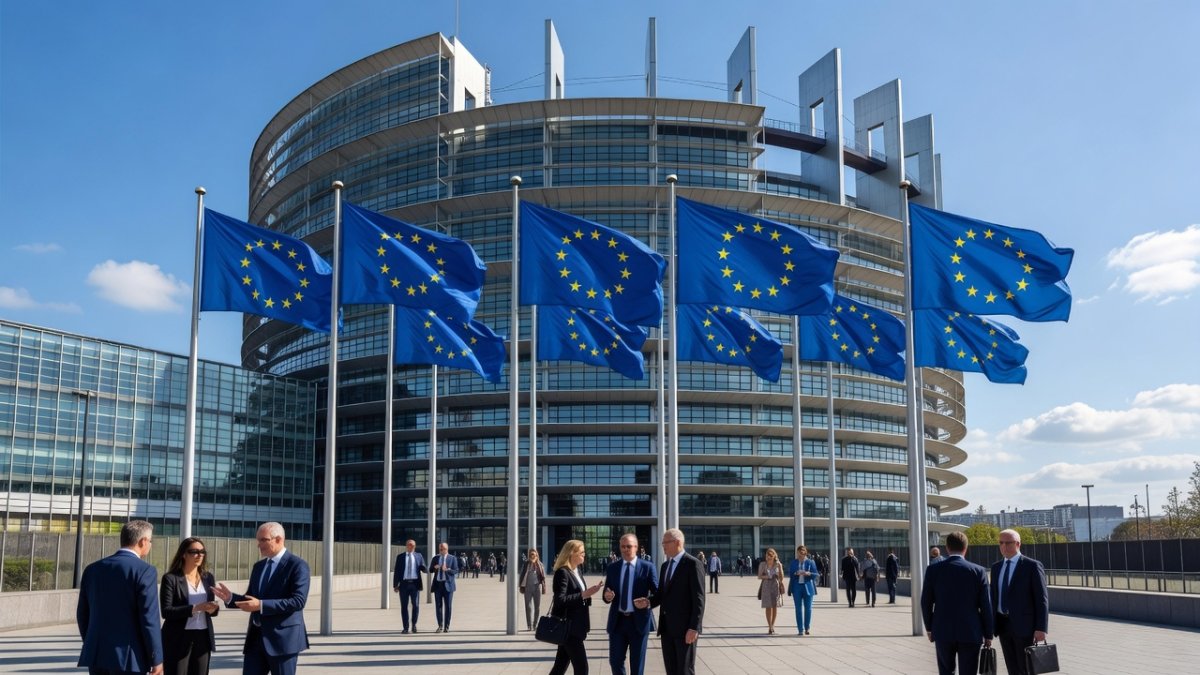
The European Union has finalized its 21st sanctions package against Russia this week, freezing the crude oil price cap at $44 per barrel for a full year after weeks of tense internal bargaining. This development underscores Brussels' determination to choke off Moscow's energy revenues even as global market swings and member-state exemptions threaten to dilute the impact. The package arrives at a moment when Ukrainian drone strikes are compounding pressure on Russian logistics, revealing both the persistence and the limits of collective Western action.
EU Locks Oil Cap in 21st Russia Sanctions Package
Brussels — Article continues...
EU Secures Agreement on 21st Sanctions Package This Week
European Union member states reached consensus this week on a new round of restrictive measures targeting Russia over its ongoing military campaign in Ukraine. The package freezes the existing crude oil price cap at $44 per barrel for the next 12 months, a step taken after prolonged internal discussions among the 27 capitals. This measure aims to limit Moscow's revenue streams from energy exports without triggering an automatic adjustment that could benefit Russian state finances amid fluctuating global markets.
Energy Politics at the Core of the New Restrictions
The sanctions focus heavily on Russia's energy sector, reflecting the EU's long-standing strategy to undermine the Kremlin's primary source of foreign currency. By locking the price cap in place, Brussels seeks to constrain the financial gains Russia might otherwise secure from higher oil prices influenced by instability in the Middle East. Energy politics remain central to EU-Russia dynamics, as Moscow continues to rely on hydrocarbon revenues to sustain its military operations and domestic power structures.
The decision to freeze the oil price cap at $44 per barrel for a full 12 months places the measure at the center of efforts to limit Moscow's energy income. This adjustment occurs against a backdrop where global crude prices have fluctuated due to tensions in the Middle East, creating upward pressure that could otherwise allow higher Russian export earnings. By locking the cap in place now, the package seeks to prevent any short-term windfall from reaching the Russian treasury during a period of elevated market volatility.
Since the initial introduction of price caps in December 2022, the mechanism has aimed to restrict revenues while permitting limited sales to non-Western buyers. The current freeze extends that approach, reflecting an assessment that sustained pressure remains necessary even as trade patterns have shifted. Russian budget figures tied to energy sales continue to show sensitivity to these limits, with the 21st package targeting further erosion of available funds for state expenditures.
The role of the shadow fleet in circumventing the cap has grown more prominent, as vessels operating outside standard insurance channels facilitate deliveries to alternative markets. This development underscores why the cap requires reinforcement at this stage, as enforcement challenges have allowed some volumes to move at prices above the threshold. The package therefore combines the freeze with additional banking restrictions to tighten overall compliance.
Greek Shipping Exemption Clears Final Hurdle
Negotiations nearly stalled until Greece secured an exemption for its shipping companies, particularly the Dynagas LNG fleet. This allowance permits the transport of Russian liquefied natural gas from Arctic fields to destinations outside the EU under pre-February 2022 contracts. The concession highlights how individual member states' commercial interests can shape the final form of collective sanctions, even as the bloc maintains pressure on Russian energy exports.
The exemption granted for Dynagas operations highlights the practical compromises required to secure agreement on the broader package. Dynagas maintains a specialized fleet focused on liquefied natural gas transport, including routes connected to Arctic projects such as Yamal LNG where Novatek holds a leading position. This carve-out allows continued commercial activity in a sector where European demand for LNG has persisted despite overall sanctions.
Greece's commercial ties with Russia extend across shipping, tourism, and select energy arrangements, creating domestic incentives to protect specific LNG interests. The exemption aligns with these priorities while the package advances other measures, including sanctions on 32 additional banks. Such targeted relief illustrates how individual member states negotiate outcomes that preserve key national economic links.
Parallel difficulties in reaching consensus on nuclear-related measures have left Rosatom with continued operational access in several markets. This outcome mirrors the LNG exemption in demonstrating the limits of unified action when core industrial or energy interests are at stake across multiple capitals.
Expanded Measures Against Banks, Crypto and Shadow Fleet
The package introduces bans on transactions with 32 additional Russian banks and imposes new limits on cryptocurrency firms and oil traders linked to Russia's shadow fleet. These steps target alternative financial channels that Moscow has developed to circumvent earlier restrictions. EU foreign policy chief Kaja Kallas described the round as the largest in four years, arguing it strikes directly at the economic mechanisms supporting the Kremlin's war effort.
Internal Divisions Force Removal of Key Proposals
Several ambitious elements were dropped during the final stages of talks. Bulgaria prevented sanctions against Russian Orthodox Patriarch Kirill, while Portugal and France blocked a proposed ban on imports of Russian cod and Alaskan pollock. A broader visa restriction targeting Russian soldiers was also postponed. These outcomes illustrate the difficulty of achieving unanimous agreement across all member states when national priorities diverge.
Bulgaria's decision to block sanctions targeting Patriarch Kirill stems from longstanding religious connections and domestic political considerations that have shaped its stance since the 2024 listing attempt. These factors prevented inclusion despite the package's overall scope, revealing how cultural and internal dynamics can override collective proposals.
Portugal and France similarly removed the proposed cod ban, citing the importance of Atlantic fisheries to their economies and the potential harm to established industry participants. This removal follows a recurring pattern in which member states shield sectors tied to national employment and trade balances.
Comparable protections appear in other areas, with Hungary maintaining positions on oil pipeline deliveries, Slovakia preserving nuclear arrangements, and the Czech Republic safeguarding access to nuclear fuel supplies. These cases collectively show how the sanctions process accommodates divergent economic dependencies even as the package advances on banking and energy pricing fronts.
Official Statements Frame Continued Support for Ukraine
European Council President António Costa announced the agreement on social media, emphasizing that EU backing for Ukraine and the pursuit of a just peace remains firm. European Commission President Ursula von der Leyen noted that the measures come at a moment when Ukraine has gained military momentum, positioning the sanctions as a tool to erode the economic base of Russia's military campaign. Such statements reflect the bloc's public narrative of sustained commitment despite evident internal frictions.
Interpreting the Growing Strain on Russian Finances
EU officials interpret the cumulative effect of 21 sanctions rounds as increasingly burdensome for Russia, even though the Kremlin has adapted to earlier waves of restrictions. Diplomats caution, however, that identifying fresh targets capable of securing full consensus among all 27 members is becoming progressively harder. This interpretation suggests that future packages may focus more narrowly on enforcement and existing loopholes rather than sweeping new prohibitions.
The 21st package arrives as Russian fiscal planning faces ongoing pressure from restricted energy revenues and expanded banking exclusions. Official statements frame the measures as contributing to longer-term constraints, though the precise trajectory of any budget shortfall remains subject to domestic policy responses and external trade adjustments.
International assessments, including those from the IMF, have noted periods of resilience in the Russian economy alongside underlying structural vulnerabilities. The redirection of crude exports toward Chinese and Indian buyers has partially offset lost European volumes, illustrating how sanctions have altered rather than eliminated trade flows.
After 21 rounds, the cumulative effect on war-related capacities continues to be debated, with some analyses emphasizing redirected supply chains and others highlighting sustained revenue streams through alternative partners. The current package's banking additions and cap freeze represent incremental steps within this evolving landscape.
Ukraine's Drone Operations Add Pressure on Russian Logistics
The sanctions package emerges alongside Ukraine's intensified drone strikes against Russian oil refineries, fuel distribution networks and commercial infrastructure. These parallel developments create a dual strain on Russia's energy sector, combining external financial restrictions with direct disruptions to domestic supply chains. The interplay between EU economic measures and Ukrainian military actions underscores the broader context of energy security in the conflict.
Recent Ukrainian drone activity targeting facilities in the Moscow region and maritime assets in the Black Sea has intersected with the sanctions framework. Strikes on warehouses and tankers carrying Kazakh-origin oil have introduced additional disruptions to Russian logistics networks beyond the direct reach of EU measures.
These operations coincide with the new sanctions round, creating combined effects on fuel availability and pricing within Russia that differ from earlier phases of the conflict. The dual pressure of external restrictions and internal strikes has altered supply patterns in ways not fully anticipated at the outset of the war.
The psychological dimension for civilian populations includes heightened awareness of vulnerabilities in domestic infrastructure, as incidents extend beyond frontline areas. This layer of pressure operates alongside the sanctions package without direct attribution in official EU statements.
Outlook for EU-Russia Economic Confrontation
With the 21st package now in place, attention turns to how effectively the new restrictions will limit Russia's ability to finance its military activities. The Kremlin's resilience to previous sanctions rounds indicates that Moscow will likely seek further workarounds, particularly in energy trade and financial services. EU-Russia dynamics continue to revolve around this contest over economic leverage, with both sides adapting their strategies in response to the other's moves.
By Irina Volkov, Staff Writer
This article was produced with AI-assisted research and editorial support. Reporting is based on sources cited in the article.
What's Your Reaction?
 Like
0
Like
0
 Dislike
0
Dislike
0
 Love
0
Love
0
 Funny
0
Funny
0
 Wow
0
Wow
0
 Sad
0
Sad
0
 Angry
0
Angry
0
Russia/Eastern Europe Correspondent at Global1.News. Covering Russian politics, energy, security, and the shifting dynamics of the post-Soviet space. Provides clear-eyed analysis on one of the world's most opaque regions.













Comments (0)