
Japan Firms Pivot to Bioplastics Amid 2026 Oil Crisis
Oil supply disruptions triggered by the February 2026 Middle East conflict have sharply raised naphtha costs and constrained conventional plastic resin availability for Japanese manufacturers. In response, leading chemical firms are accelerating development and pilot production of bio-based polymers as a direct hedge against feedstock volatility. This shift is unfolding under METI’s Green Transformation framework and Society 5.0 objectives, positioning bioplastics as an immediate strategic prior
Oil supply disruptions triggered by the February 2026 Middle East conflict have sharply raised naphtha costs and constrained conventional plastic resin availability for Japanese manufacturers. In response, leading chemical firms are accelerating development and pilot production of bio-based polymers as a direct hedge against feedstock volatility. This shift is unfolding under METI’s Green Transformation framework and Society 5.0 objectives, positioning bioplastics as an immediate strategic priority rather than a long-term aspiration.
Japanese Companies Pivot to Bioplastics Amid Middle East Oil Disruption
Tokyo, Japan — The conflict that began on February 28, 2026, has produced sustained interruptions in crude oil flows from the Middle East, forcing Japanese manufacturers to accelerate their pivot toward bio-based alternatives.
Oil Supply Disruption Driving the Shift
The conflict that began on February 28, 2026, has produced sustained interruptions in crude oil flows from the Middle East. Japan imports most of its naphtha feedstock, with three-fourths sourced from regional producers, according to reporting from May 2026. These constraints have raised input costs for the petrochemical sector and limited availability of conventional plastic resins.
S&P Global Ratings adjusted its Brent crude assumption upward by $15 per barrel in March 2026, setting the new reference at $80. The revision reflects the scale of the supply shock and its expected duration. Asian petrochemical producers have faced the most immediate pressure, prompting downstream manufacturers to examine non-petroleum alternatives.

Japanese Companies’ Response with Bioplastics
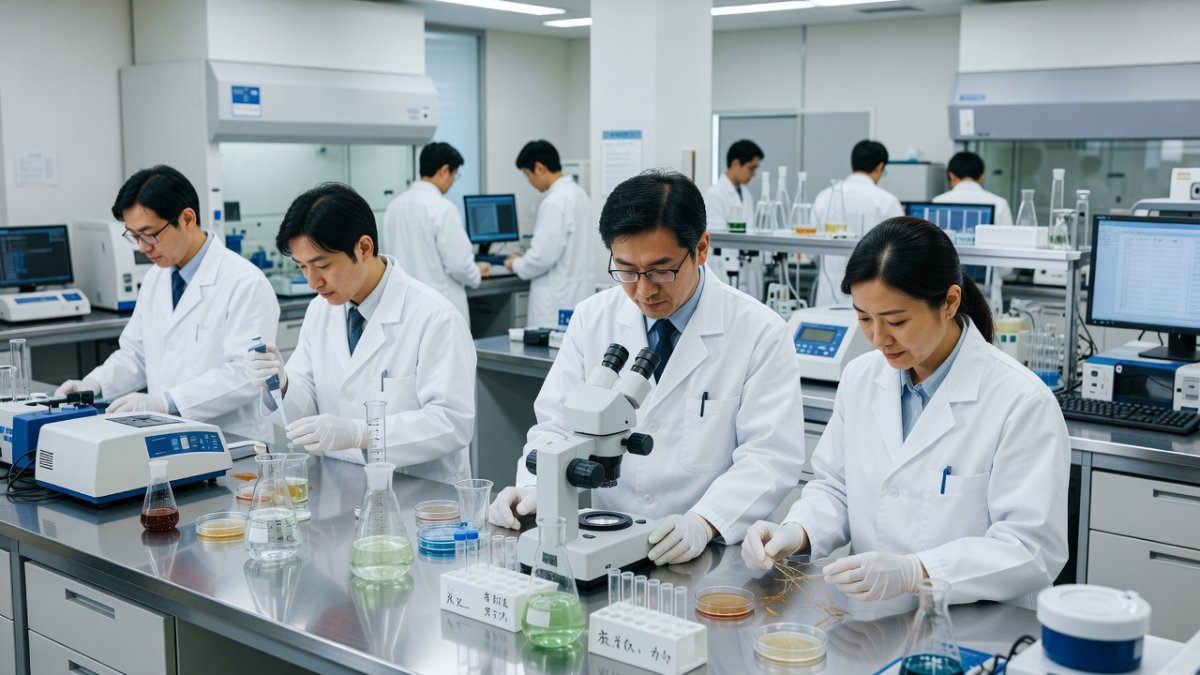
Several Japanese chemical firms have increased activity in bioplastics research and pilot production. Mitsubishi Chemical, Toray, and Kaneka maintain active programs focused on bio-based polymers that can substitute for petroleum-derived materials in packaging, automotive parts, and electronics components.
The NHK WORLD-JAPAN report from July 24, 2026, notes that these companies are treating bioplastics as a practical hedge against feedstock volatility rather than a distant future option. Development timelines remain subject to technical validation and cost competitiveness, with no fixed dates announced for large-scale commercial replacement.
Mitsubishi Chemical has advanced polyhydroxyalkanoate (PHA) fermentation processes at its Okayama pilot facility, targeting 5,000-ton annual capacity by 2028 through partnerships with agricultural waste suppliers. Toray Industries is scaling polylactic acid (PLA) fiber production at its Ehime plant, integrating enzymatic depolymerization to improve yield from corn-derived sugars while maintaining compatibility with existing polyester lines. Kaneka Corporation focuses on bio-PET precursors via microbial routes at its Takasago site, leveraging its proprietary fermentation technology to reduce reliance on purified terephthalic acid imports.
These initiatives reflect broader Japanese chemical industry dynamics, where firms balance legacy petrochemical assets with incremental biomaterials investment amid volatile naphtha prices. Cross-licensing agreements among the three companies facilitate shared catalyst research, though commercial volumes remain constrained by downstream processing infrastructure.
Japan’s Technology Landscape and Government Policy
METI has incorporated biomaterials and circular-economy measures into the Green Transformation (GX) policy framework. The approach supports domestic innovation in sustainable materials while addressing resource security concerns. Japan’s Society 5.0 strategy also identifies advanced materials as one area for integrating digital and physical systems to achieve lower environmental impact.
Policy measures emphasize research funding and regulatory pathways that encourage substitution where technically feasible. Officials have avoided setting mandatory replacement quotas, reflecting the current scale limitations of bioplastics output relative to total plastic demand.
METI’s GX mechanisms include the Green Innovation Fund, which allocates ¥2 trillion across decarbonization projects, with explicit line items for bioplastics scale-up under the 2025 Bioplastics Introduction Roadmap. This roadmap sets phased targets for 10 percent bio-based resin substitution in packaging by 2030, supported by low-interest loans and tax credits for pilot facilities. Society 5.0 connects these efforts to materials innovation by promoting data-driven lifecycle tracking, enabling real-time optimization of polymer performance in smart manufacturing environments.
The Digital Agency contributes by standardizing digital product passports that record bio-content verification, facilitating regulatory approval and supply-chain transparency. These coordinated policies prioritize collaborative R&D consortia involving universities and trading houses rather than prescriptive mandates.
Implications for Asia Pacific Supply Chains
Fortune reported in May 2026 that some regional manufacturers are adopting a “Middle East plus one” sourcing approach. This involves diversifying away from sole reliance on Middle Eastern naphtha while exploring bio-based or recycled feedstocks. Japanese firms are positioned to supply both materials and process technology to partners across the region.
The global bioplastics market is projected to expand from $21.7 billion in 2026 to $67.4 billion by 2033, representing a compound annual growth rate of 17.6 percent. Realization of these figures will depend on continued feedstock availability, processing cost reductions, and consistent demand signals from end-use industries.
Japanese bioplastics capacity growth accelerates “China+1” diversification, with trading houses such as Mitsui & Co. and Mitsubishi Corporation establishing joint ventures in Vietnam and Thailand to secure non-Chinese PHA and PLA supply for ASEAN electronics assemblers. Exports to South Korea have risen as Hyundai and LG Chem integrate Japanese bio-PET grades into automotive components, reducing exposure to Chinese petrochemical volatility.
China’s own bioplastics push creates competitive tension, yet Japanese technology licensing agreements allow selective collaboration on high-performance grades for premium segments. Automotive and electronics supply chains benefit most, as sogo shosha coordinate upstream fermentation capacity with downstream molders, stabilizing regional resin flows amid ongoing Middle East disruptions.
Expert Perspectives
Industry analysts note that bioplastics currently represent a small fraction of total plastic production capacity in Japan. Scaling will require further advances in yield, durability, and end-of-life management. METI-supported projects are examining these factors through collaborative trials involving material producers and downstream users.
Observers emphasize that the current shift is driven by cost and supply considerations rather than regulatory mandates alone. Long-term adoption rates will hinge on whether bio-based resins can achieve price parity under the revised oil-price environment.
What to Watch For
Upcoming METI progress reports on GX initiatives may provide updated figures on pilot-plant output and commercialization milestones. Corporate earnings releases from Mitsubishi Chemical, Toray, and Kaneka could disclose additional capital allocation toward bioplastics capacity.
Regional trade data will indicate whether Japanese bio-based materials begin to appear in export statistics at measurable volumes. Any further adjustments to oil-price assumptions by rating agencies will also influence the economic case for continued substitution.
By Kenji Tanaka, Staff Writer
This article was produced with AI-assisted research and editorial support. Reporting is based on sources cited in the article.
What's Your Reaction?
 Like
0
Like
0
 Dislike
0
Dislike
0
 Love
0
Love
0
 Funny
0
Funny
0
 Wow
0
Wow
0
 Sad
0
Sad
0
 Angry
0
Angry
0

Japan Correspondent at Global1.News. Tokyo-based voice covering Japanese politics, technology, economy, and culture. Tracks the intersection of tradition and innovation in one of the world's most dynamic societies.















Comments (0)