
Saudi Oil Crisis: Hormuz and Bab el-Mandeb Threats
Saudi Arabia confronts an unprecedented dual chokepoint crisis at the Strait of Hormuz and Bab el-Mandeb. Iran has restricted Hormuz passage while Houthi forces blockade Red Sea ports, forcing costly detours via Suez and Cape of Good Hope that add one month and $2.5 million per voyage.
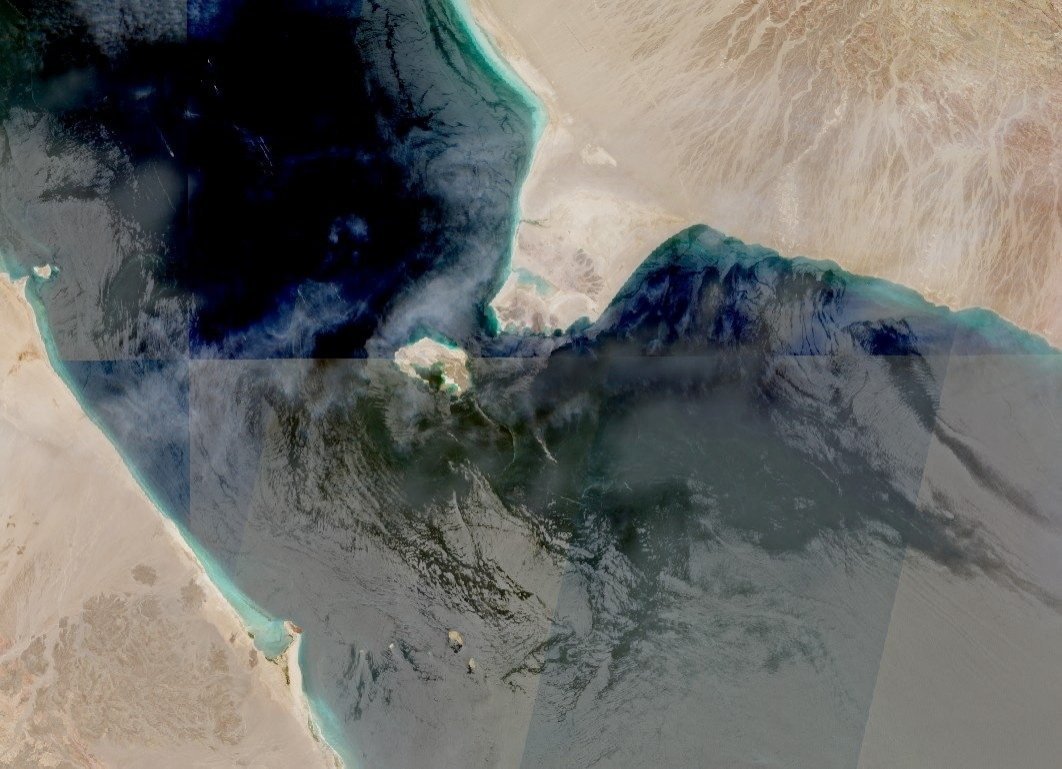
Saudi Arabia's Dual Chokepoint Crisis: Hormuz and Bab el-Mandeb Under Simultaneous Threat
Riyadh, Saudi Arabia — July 24, 2026 — Article body continues...
The Dual Chokepoint Crisis Unfolds
Saudi Arabia now faces simultaneous disruptions at the Strait of Hormuz and Bab el-Mandeb. Iran has restricted passage through Hormuz, while Houthi forces have announced a blockade affecting Saudi ports. This combination directly threatens the kingdom's primary oil export routes and forces a fundamental rethink of its shipping strategy.
Approximately 21 million barrels per day transit the Strait of Hormuz, while Bab el-Mandeb handles roughly 4.8 million barrels daily of crude and refined products. No prior conflict has ever imposed concurrent closure risks on both chokepoints at once, creating an unprecedented supply-chain fracture. This differs sharply from the 2019 Abqaiq-Khurais drone attacks, which temporarily removed 5.7 million barrels per day from global markets yet left maritime routes intact and allowed rapid restoration through existing infrastructure.
Analysts note that the dual threat multiplies logistical strain because alternative pathways cannot absorb the combined volume without severe delays. Historical shipping data shows single-chokepoint crises have been managed through rerouting or stockpiles, but simultaneous blockage leaves no viable short-term workaround for the full Saudi export stream.
The absence of any comparable precedent in modern energy history amplifies the crisis, as past single-chokepoint incidents allowed Gulf producers to activate emergency stockpiles or secure temporary waivers from major importers. Current conditions eliminate those buffers, compelling Asian buyers to recalculate delivery schedules months in advance while insurers reassess exposure across two separate theaters. This layered risk environment also tests the resilience of OPEC+ coordination mechanisms that were designed for more localized supply interruptions rather than concurrent maritime blockades.
Saudi Arabia's Yanbu Pipeline Bypass and Its Limits
Riyadh had previously redirected crude through pipelines to the Red Sea port of Yanbu to avoid Hormuz. In June, Yanbu exported about 4.1 million barrels per day, accounting for roughly 64 percent of the Saudi oil that would otherwise have left through Hormuz. Two tankers, the Rodos and Xin Long Yang, carrying a combined 2.8 million barrels from Yanbu reversed course after the Houthi blockade announcement, according to Kpler data.
The East-West Pipeline, known as Petroline, possesses a nameplate capacity of 5 million barrels per day and has historically served as Riyadh’s primary hedge against Hormuz closure. An adjacent Abqaiq-Yanbu natural gas liquids pipeline further supports exports of lighter products, yet both lines remain vulnerable to upstream disruptions and cannot fully offset maritime losses when Red Sea access is also contested.
Construction of these pipelines began in the 1980s precisely to diversify away from the Persian Gulf, reflecting decades of Saudi strategic planning. Current throughput already operates near maximum, leaving limited headroom if Hormuz volumes must shift entirely westward.
The Costly Detour via Suez and Cape of Good Hope
Asian refiners are now evaluating a longer route that sends oil northwest from Yanbu through Egypt's Suez Canal into the Mediterranean, then around Africa via the Cape of Good Hope. This path adds roughly one month to delivery times and increases costs by approximately $2.5 million per voyage. War risk insurance premiums on tanker transits have already surged in response to the heightened threats.
Suez Canal tolls for a very large crude carrier now exceed $500,000 per transit, while the Cape route adds roughly 6,000 nautical miles and elevates fuel consumption by 40 percent. Insurance data indicate war-risk premiums have risen from $50,000 to over $300,000 per voyage since the crisis intensified. During the 2023-2025 Red Sea crisis, dozens of tankers similarly diverted around the Cape, establishing a precedent that operators are again following.
These extended voyages compound scheduling pressure on global fleets and raise the likelihood of delivery delays that could tighten spot-market availability in Asia.
Impact on Asian Refiners and Brent Crude Prices
Brent crude has topped $100 per barrel amid the mounting risks. Iraq, Qatar, Kuwait, and Bahrain remain almost entirely dependent on Hormuz for their exports. The simultaneous pressure on multiple chokepoints, including potential effects on Malacca, is reshaping global energy trade patterns and raising concerns for Asian consumers who rely on steady Saudi supplies.
Japan and South Korea, which import over 60 percent of their crude from the Gulf, face the most immediate exposure, while India and China monitor their strategic petroleum reserves amid potential shortfalls. India’s reserves currently cover roughly 10 days of consumption, offering minimal buffer if flows remain curtailed. Within OPEC+, Saudi Arabia’s ability to sustain output hinges on whether pipeline and Red Sea options can compensate, a calculation that directly influences quota negotiations with other members.
Refiners across the region are accelerating term-contract reviews and exploring spot cargoes from alternative suppliers, though few can match Saudi crude’s quality at scale.
Price volatility is further amplified by the fact that Asian economies have limited short-term substitution options for Saudi grades, prompting central banks in Tokyo and Seoul to review monetary buffers against imported inflation. The situation also revives memories of the 1973 oil embargo, when similar chokepoint fears triggered strategic reserve releases that proved insufficient against prolonged disruptions. Refiners are therefore accelerating diversification talks with West African and Latin American suppliers, though none can replicate the volume or quality consistency Saudi Arabia has long provided.
Coordination Between Iran and Houthi Forces
The current situation reflects coordinated pressure from Iran and its Houthi allies on Saudi Arabia. During the earlier Houthi Red Sea campaign from 2023 to 2025, attacks sank four vessels and killed nine seafarers, driving traffic through Bab el-Mandeb to record lows. The present blockade threat has already left 12 vessels loaded with crude from Yanbu in the Red Sea, with two others turning off transponders near Bab el-Mandeb.
Iran’s broader chokepoint-denial strategy centers on the IRGC Navy’s ability to interdict Hormuz traffic through mines, speedboats, and anti-ship missiles. By treating Yemen as strategic depth, Tehran extends its influence along the Red Sea, allowing Houthi forces to serve as a forward proxy that multiplies pressure on Saudi export lanes without direct Iranian naval involvement.
This “axis of resistance” framework integrates Houthi operations into Iran’s regional deterrence posture, raising the risk that any escalation could simultaneously affect both Gulf and Red Sea corridors.
Strategic Calculus for Riyadh, Tehran, and Regional Actors
Riyadh seeks to maintain export volumes while protecting its western coast refining capacity of nearly 1.9 million barrels per day, which supplies diesel to Europe. Tehran aims to leverage its position in Hormuz to constrain Gulf exports and support its regional network. The Houthis gain leverage through control over Red Sea access. Each side calculates that sustained pressure can extract concessions without triggering full-scale escalation.
Mohammed bin Salman’s Vision 2030 diversification goals depend on stable energy revenues, yet repeated chokepoint threats expose the limits of that reliance and accelerate interest in non-oil sectors. U.S. security guarantees remain central to Riyadh’s calculations, though Gulf states including the UAE have responded by expanding Fujairah as an alternative export hub outside Hormuz.
These developments underscore how energy security directly shapes domestic reform timelines and regional alliance management.
Broader Implications for Global Energy Markets
If both straits remain threatened, more vessels may follow the example of the Greek tanker Merbabu and reroute around southern Africa. This would further elevate freight and fuel costs while tightening European diesel supplies. The crisis underscores the vulnerability of Gulf energy corridors and the limits of pipeline alternatives when multiple maritime chokepoints face simultaneous disruption.
Prolonged instability may slow the global energy transition by reinforcing short-term dependence on traditional suppliers while raising capital costs for new infrastructure. China, Saudi Arabia’s largest crude buyer, is already exploring expanded long-term contracts and strategic storage to mitigate supply risk. Over the longer term, Gulf states are increasing investment in renewables and hydrogen projects to reduce exposure to maritime chokepoint vulnerabilities.
These shifts signal a structural reorientation of energy trade patterns that could persist well beyond the immediate crisis.
Market analysts warn that sustained dual-chokepoint pressure could accelerate the formation of regional energy blocs, with importers locking in longer-term deals that bypass traditional spot markets. Historical parallels to the 1980s tanker war in the Gulf suggest that insurance and financing costs may remain elevated for years, deterring newbuild orders and favoring older, higher-emission vessels. Such dynamics would further complicate international climate commitments while reinforcing the strategic value of overland pipelines and domestic refining capacity across the Gulf Cooperation Council.
By Malik Hassan, Staff WriterThis article was produced with AI-assisted research and editorial support. Reporting is based on sources cited in the article.
What's Your Reaction?
 Like
0
Like
0
 Dislike
0
Dislike
0
 Love
0
Love
0
 Funny
0
Funny
0
 Wow
0
Wow
0
 Sad
0
Sad
0
 Angry
0
Angry
0

Middle East Correspondent at Global1.News. Based in Beirut, covering politics, conflict, energy, and society across the Middle East. Brings context and depth to a region often reduced to headlines.












Comments (0)