
Venezuela Earthquake: Health Crisis One Month After Quakes
One month after the twin earthquakes that shattered Venezuela's coastal heartland, the headlines have faded but the crisis has not. More than 5,200 people are dead, 16,740 injured, and a secondary public health emergency is silently unfolding inside 107 overcrowded shelters where tuberculosis and tetanus now threaten survivors already pushed to the breaking point.
One month after the twin earthquakes that shattered Venezuela's coastal heartland, the headlines have faded but the crisis has not. More than 5,200 people are dead, 16,740 injured, and a secondary public health emergency is silently unfolding inside 107 overcrowded shelters where tuberculosis and tetanus now threaten survivors already pushed to the breaking point. In La Guaira, Caraballeda, and the mountain communities of Colonia Tovar, the slow, grinding work of recovery continues with scant resources and dwindling global attention.
Venezuela's Earthquake Recovery: Health Crisis Deepens One Month After Twin Quakes
Death Toll Rises as Rubble Yields Its Secrets
The official death toll has climbed from 5,119 in mid-July to between 5,200 and 5,400 as rescue teams and grieving families continue pulling bodies from collapsed buildings by hand. In Los Corales and Caraballeda, entire neighborhoods remain unstable, forcing manual excavation because heavy machinery cannot reach narrow streets. The injured count stands at 16,740, many still awaiting specialized care. These numbers represent not statistics but entire family lines erased in seconds. Over 128,000 families have been directly affected, their homes reduced to dust. The slow recovery of remains has prolonged the agony for survivors who cannot begin mourning until they know the fate of loved ones. International teams and 62,000 local personnel have worked around the clock, yet the scale of destruction means recovery will stretch for months. Each new body recovered reminds Venezuela that the earthquake’s true cost is still being tallied in real time.
Displacement: 23,000 Still in Temporary Camps
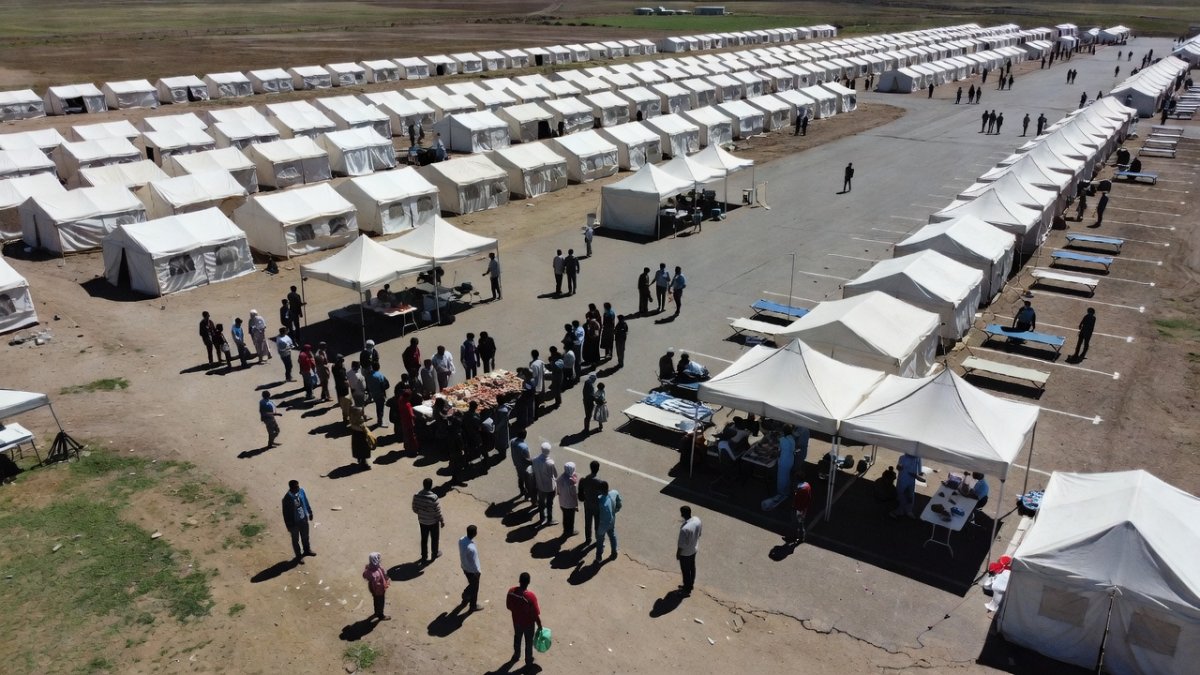
More than 17,907 people are officially homeless, but 23,820 individuals now live inside 107 temporary camps where conditions grow more precarious by the day. Tents meant for short-term use now house families for weeks on end, with limited sanitation and scarce privacy. Only the first 200 earthquake-resistant homes are scheduled to begin construction in mid-July, a drop in an ocean of need. The $2.37 billion required just for coastal housing replacement highlights how far the country remains from any meaningful return to normalcy. Daily life in the camps revolves around waiting lines for food and water, while aftershocks keep nerves raw. Nearly 11,000 tonnes of food have been distributed nationwide, and over 35 million liters of drinking water delivered, yet distribution gaps persist in remote mountain communities. Without accelerated housing solutions, these camps risk becoming permanent fixtures of Venezuela’s landscape.
The Health Crisis Beneath the Surface
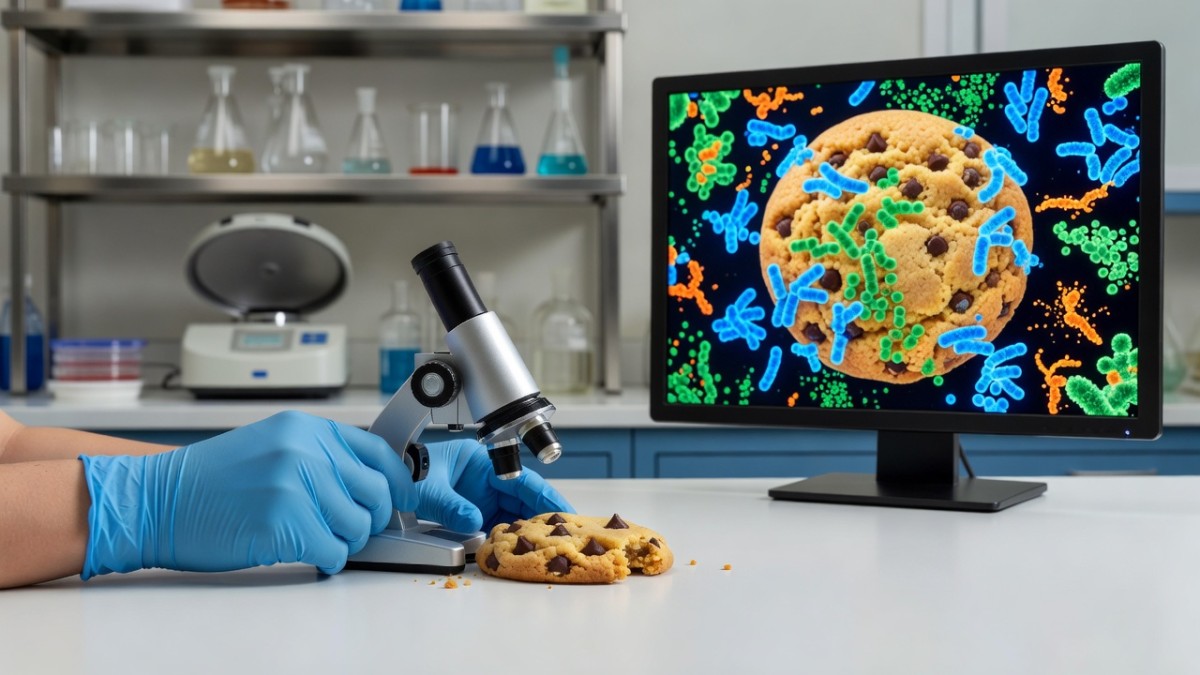
The Spanish field hospital at Parque del Este in Caracas treated between 3,500 and 3,600 patients over four weeks before concluding operations on July 20, revealing the depth of secondary injuries. Samaritan’s Purse now operates a 56-bed facility at Paseo La Guaira mall, focusing on trauma and infection control. Infectologist Dr. Julio Castro has warned that tuberculosis is emerging as the “silent aftershock,” spreading rapidly in overcrowded shelters where ventilation is poor and malnutrition weakens immune systems. Wounds sustained from rubble carry high tetanus risk, while secondary infections compound the initial damage. Journalist Jessiree Querales, rescued from a collapsed building in Los Corales, lost both a leg and an arm and now requires ongoing dialysis. The “crisis sanitaria” is only beginning, as doctors report rising cases of respiratory illness and wound complications. With limited antibiotics and overwhelmed local clinics, the window to contain these outbreaks is narrowing fast.
The tuberculosis threat is particularly alarming because Venezuela's TB control program was already weakened before the earthquakes. Dr. Julio Castro has documented multiple cases of treatment interruption in displaced populations, a pattern that historically leads to drug-resistant strains. In the camps, where 10 to 15 families often share a single tent, airborne transmission is nearly impossible to prevent. Health workers are racing to screen symptomatic individuals, but without widespread testing capacity, many cases go undetected. The combination of malnutrition, overcrowding, and interrupted treatment creates what epidemiologists call a perfect storm for airborne disease outbreaks — one that could claim lives long after the last piece of rubble is cleared.
Mental Health: The Invisible Aftershock
Hypervigilance, anxiety, and insomnia plague both survivors and rescuers weeks after the quakes. In La Guaira and Colonia Tovar, families report waking at every tremor, unable to sleep through the night. Children in the camps draw pictures of falling buildings, while adults struggle with survivor guilt. The mental-health toll will last months and years, yet professional support remains scarce. International teams have noted increased requests for counseling, but Venezuela’s already strained system cannot meet demand. Rescuers who worked 24-hour shifts pulling bodies from rubble now face their own trauma without adequate debriefing. Community leaders emphasize that emotional recovery must accompany physical rebuilding, or the human cost will multiply. Without sustained investment in psychological care, the invisible aftershock risks becoming a generational wound.
Community Resilience in the Face of Collapse
All Hands & Hearts has delivered rebuilding tools to the remote mountain community of Colonia Tovar, where residents refuse to wait passively for outside help. Volunteer rescuers continue digging alongside families, embodying the spirit that has defined Venezuela’s response. World Central Kitchen provides hot meals daily in La Guaira, turning parking lots into communal kitchens that restore dignity along with nutrition. Archbishop priorities have shifted entirely toward survivor support, placing aid above church reconstruction. The 62,000 personnel deployed across security, medical, and volunteer roles demonstrate coordinated national effort. Locals repeat the phrase “Venezuela ha demostrado que puede levantarse,” a declaration of determination heard from Caracas to the coast. These grassroots actions, though small against the $19.6 billion reconstruction mountain, keep hope alive where official progress lags.
In Colonia Tovar, a picturesque German-influenced town in the Aragua mountains, the destruction was less visible to the outside world but no less devastating. All Hands & Hearts, an international disaster relief organization, has become a lifeline, delivering rebuilding tools directly to families sheltering in a local school. Without heavy media coverage, these communities have had to rely on word-of-mouth aid networks and local solidarity. The organization's teams work alongside residents to assess structural damage and prioritize households with children so that education can resume as quickly as possible. Every hammer, nail, and sheet of roofing material represents a small victory against the creeping despair of displacement.
The World Central Kitchen operation in La Guaira has provided over 100,000 hot meals since the quakes, transforming the parking lot of a damaged shopping center into a bustling community kitchen. Volunteers arrive before dawn to prepare arepas, soups, and hearty stews using ingredients sourced from unaffected states. The program not only feeds thousands but also employs local cooks who lost their restaurants in the disaster, creating a dual recovery effect that nutritionists say is essential for both physical and emotional healing. Dr. Maria Teresa Rodriguez, a Venezuelan public health expert consulting with the operation, notes that shared meals in communal settings reduce isolation and help rebuild the social fabric torn apart by the disaster.
Reconstruction: A $19.6 Billion Mountain
The estimated reconstruction cost has reached $19.6 billion, with $2.37 billion needed solely for coastal housing replacement. The IMF has approved $346 million for urgent work, yet bureaucratic delays and political challenges slow disbursement. Only 200 earthquake-resistant homes are planned so far, a fraction of what 128,000 affected families require. Rubble clearance continues at a crawl while aftershocks force repeated pauses. International solidarity has brought equipment and expertise, but local capacity remains stretched thin. Political divisions further complicate prioritization, leaving many communities uncertain when permanent shelter will arrive. The gap between pledged funds and visible progress fuels frustration on the ground. Without accelerated decision-making, the reconstruction timeline risks stretching into years rather than months.
The Bottom Line — What Comes Next
Ongoing needs remain immense as the risk of disease outbreak grows daily in the camps. Tuberculosis and tetanus threats demand immediate expanded medical access, while mental-health services must scale rapidly. The long road ahead requires sustained international solidarity paired with transparent local governance. Venezuela’s communities have shown remarkable resilience, yet resilience alone cannot replace homes or cure infections. Continued delivery of food, water, and medical supplies is essential, but the true test lies in translating pledges into permanent housing and health infrastructure. One month after the quakes, the story is no longer only about survival; it is about whether the country can prevent a secondary catastrophe from eclipsing the original disaster. The coming weeks will determine if Venezuela rises or remains buried under the weight of its losses. By Elena Vasquez, Staff Writer
This article was produced with AI-assisted research and editorial support. Reporting is based on sources cited in the article.
What's Your Reaction?
 Like
0
Like
0
 Dislike
0
Dislike
0
 Love
0
Love
0
 Funny
0
Funny
0
 Wow
0
Wow
0
 Sad
0
Sad
0
 Angry
0
Angry
0
Latin America Correspondent at Global1.News. Based in Mexico City, covering politics, economics, energy, and culture across the region. Brings an on-the-ground perspective to stories spanning from the Rio Grande to Patagonia.










Comments (0)