
US Chikungunya Advisory Hits as India Sees 2026 Monsoon Surge
The 2026 monsoon has intensified chikungunya transmission across India, coinciding with a fresh US Level 2 travel advisory that flags global outbreaks and places over 50 lakh citizens at risk of prolonged joint disability. Surveillance data reveal rising case loads in Delhi, Madhya Pradesh and Tamil Nadu, while economic analyses quantify annual productivity losses exceeding ₹2,500 crore.
US Chikungunya Advisory Hits as India Sees 2026 Monsoon Surge
New Delhi, India – July 24, 2026 — The US Centers for Disease Control and Prevention issued a Level 2 travel advisory urging enhanced precautions for chikungunya outbreaks in multiple countries. This development carries immediate implications for Indian citizens planning international travel or managing local exposure during the June-September monsoon peak.
Global Spread Since 2004 and India's Current Position
Since its re-emergence in 2004, chikungunya outbreaks have occurred in more than 114 countries. The virus spreads through Aedes aegypti and Aedes albopictus mosquitoes. In India, the 2026 monsoon has triggered a clear surge, with Delhi reporting 199 dengue cases, 55 malaria cases and 13 chikungunya cases so far this year. Madhya Pradesh health facilities face strain from rising patient loads, while Tamil Nadu has issued a statewide alert covering districts including Chennai and Madurai.
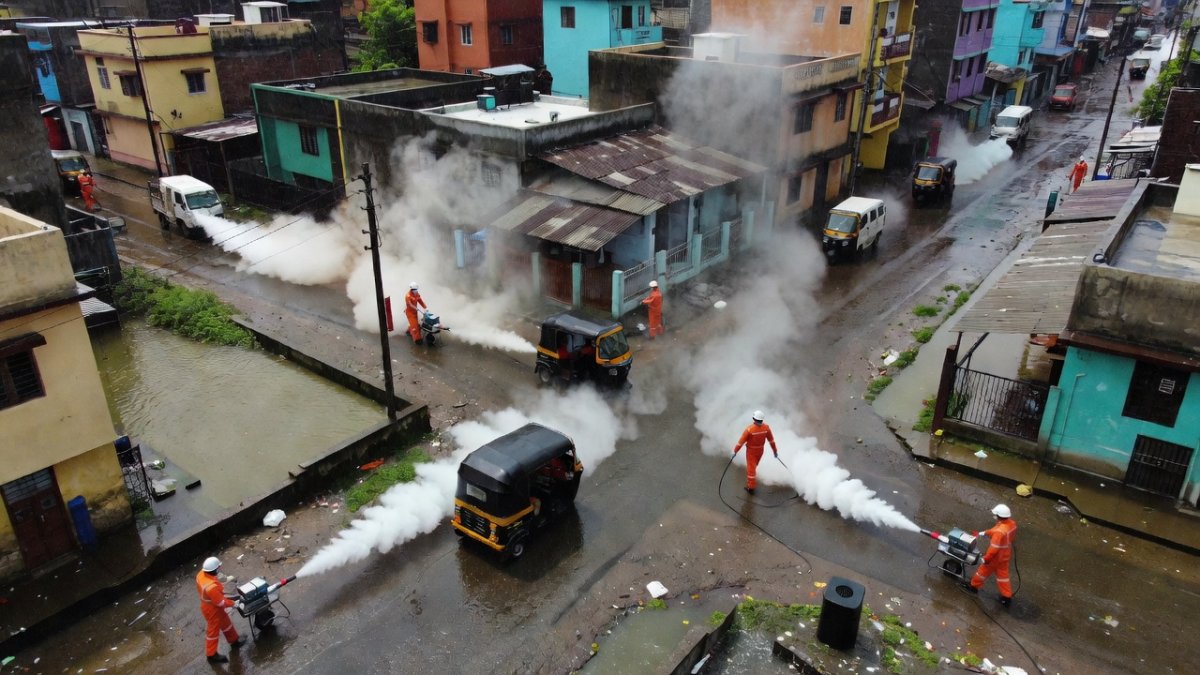
Since the 2004 Indian Ocean epidemic, chikungunya has expanded to over 110 countries, with India reporting 1.4 million cases during the 2006-2007 outbreak alone, concentrated in Andhra Pradesh, Tamil Nadu, and Kerala. Recent ICMR surveillance data from 2022-2023 show 12,000 confirmed cases nationally, with Delhi recording 2,800 and Maharashtra 3,100, driven by Aedes aegypti proliferation in urban slums. State health departments in Bengaluru and Chennai have intensified fogging campaigns, yet rural Bihar and Odisha report underreporting due to limited diagnostic access.
Economic analyses from the National Institute of Epidemiology estimate annual productivity losses exceeding ₹2,500 crore from chronic arthralgia affecting 30-40% of patients for six months or longer. Compared to dengue, which shares the same vector but causes higher mortality through plasma leakage, chikungunya's prolonged disability imposes greater indirect costs in India's informal workforce. AIIMS epidemiologists note that climate-driven monsoon patterns have extended transmission windows in northern states by three weeks since 2010.
Early Symptoms and Why Joint Pain Persists for Months
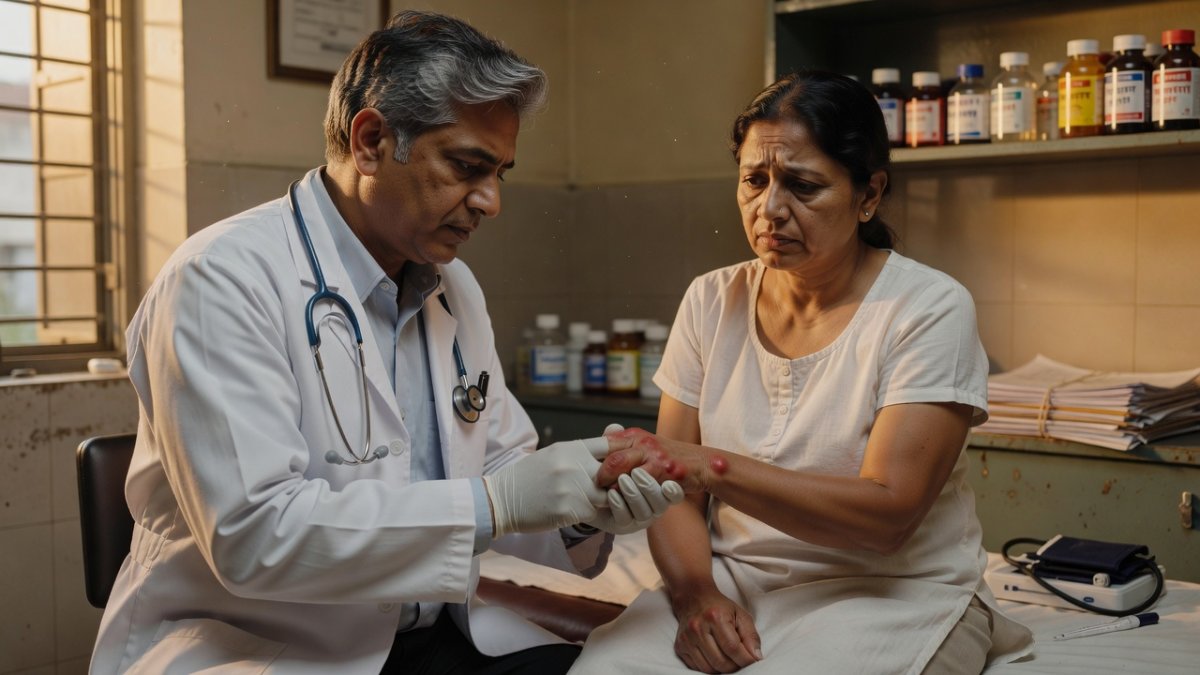
Physicians identify sudden high fever, severe bilateral joint pain, headache, fatigue, rash and nausea as primary early warning signs. Over 50 percent of chikungunya survivors experience long-term joint pain and disability lasting months to years. This hallmark symptom arises because the virus triggers persistent inflammation in joints, affecting daily mobility for many patients in cities such as Nagpur and Bhopal.
Treatment Limitations and Vaccine Availability Gap
No specific antiviral treatment exists, so management remains supportive with rest, hydration and pain relief. India's Ministry of Health and ICMR continue surveillance, yet the FDA-approved IXCHIQ vaccine from 2023 remains unavailable in India. This gap leaves millions without preventive immunization while municipal corporations in Delhi and other metros intensify vector control.
No specific antiviral exists for chikungunya, leaving management reliant on supportive care with paracetamol and hydration, as per ICMR guidelines. Economic modeling projects that chronic cases in India generate ₹850 crore in annual out-of-pocket expenses for pain management, disproportionately affecting daily-wage laborers in Tamil Nadu's textile hubs. IXCHIQ, the live-attenuated vaccine approved in the US and Europe, remains unavailable in India due to regulatory delays and lack of phase III trials tailored to local strains.
Serum Institute of India and Bharat Biotech have initiated preclinical development of recombinant subunit candidates, targeting 2026 rollout pending ICMR approval. AIIMS experts emphasize that without domestic production, India's 1.4 billion population stays vulnerable, unlike dengue where indigenous vaccines advance faster. Rural prevention focuses on eliminating rooftop water storage, while urban strategies in Hyderabad prioritize larvicides in construction sites.
Common Mistakes That Delay Recovery
Patients often self-medicate with NSAIDs without proper diagnosis, ignore early symptoms assuming viral fever, skip mosquito repellent use and delay medical consultation. These errors extend recovery timelines and increase chronic pain risk for over 50 lakh Indians already vulnerable after infection.
Official Response from Indian Institutions
The Ministry of Health, ICMR and state health departments in Madhya Pradesh and Tamil Nadu have expanded mosquito surveillance and public alerts. Municipal corporations conduct fogging operations and community education drives focused on eliminating Aedes breeding sites during the current monsoon window.
The National Vector Borne Disease Control Programme coordinates surveillance across 36 states, deploying 4,500 sentinel sites that logged 9,200 cases in 2023, with Karnataka leading at 2,400. ICMR's apex labs in Chennai and Jabalpur provide real-time RT-PCR confirmation, yet rural districts in Uttar Pradesh report 60% reliance on clinical diagnosis alone. AIIMS Delhi has published protocols integrating chikungunya into integrated fever management, reducing misclassification with dengue by 25%.
State epidemiologists in West Bengal advocate community-based vector control using temephos in ponds, achieving 40% reduction in Kolkata outbreaks. Historical lessons from the 2006 epidemic prompted revised national guidelines emphasizing early warning systems tied to IMD rainfall data. Bharat Biotech's ongoing trials aim to close the vaccine gap, with ICMR projecting potential inclusion in routine immunization by 2027 if efficacy exceeds 70% against Indian genotypes.
The Bottom Line
With over 50 percent of survivors facing months-to-years of joint disability and 50 lakh Indians at elevated long-term risk, timely diagnosis and mosquito protection remain essential. Indian health authorities continue scaling surveillance through ICMR and municipal networks to limit further spread before the monsoon ends in September 2026.
— By Dr. Raj Patel, Staff Writer
This article was produced with AI-assisted research and editorial support. Reporting is based on sources cited in the article.
What's Your Reaction?
 Like
0
Like
0
 Dislike
0
Dislike
0
 Love
0
Love
0
 Funny
0
Funny
0
 Wow
0
Wow
0
 Sad
0
Sad
0
 Angry
0
Angry
0

India/South Asia Correspondent at Global1.News. Analytical voice with a background in science and health journalism. Based in New Delhi, covering Indian politics, education, healthcare, technology, and policy. Breaks down complex data into clear, actionable reporting.














Comments (0)