
Consumer Spending Cools: Retail Sales Drop 1% in March as Recession Fears Bite
Retail sales fell 1% in March per Commerce Department data, exceeding the expected 0.4% drop. Tax refunds at $84 billion ran $25 billion below 2022 levels. Gas station sales dropped 5.5%, general merchandise 3%. Jobs rose 236,000. Wage growth slowed to 4.2%. Inflation expectations climbed to 4.6%.
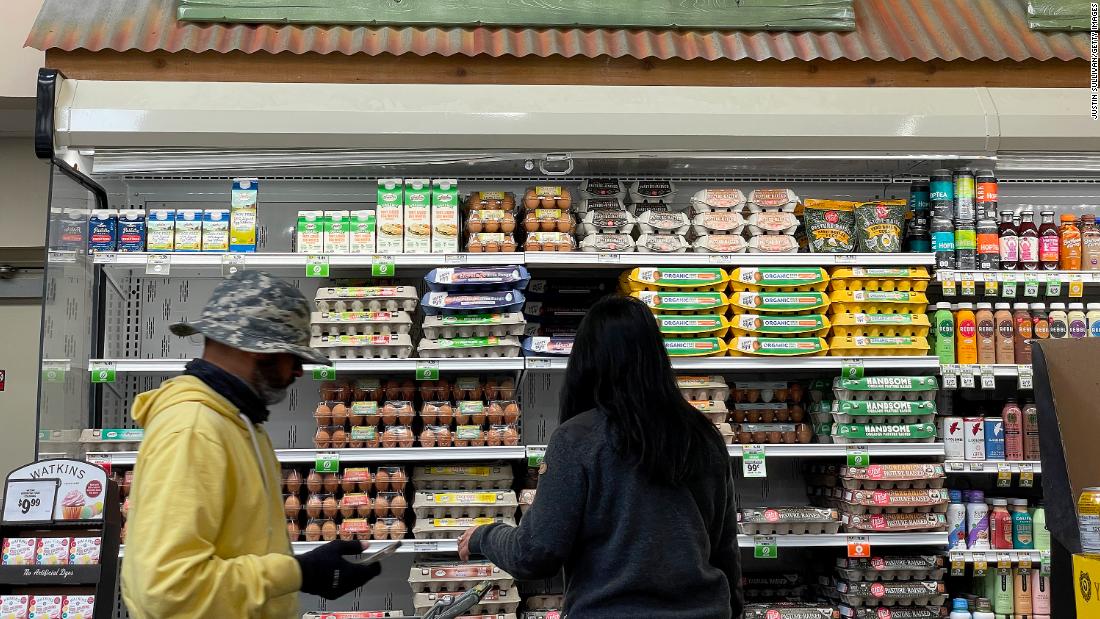
Retail Sales Decline Sharply in March
The Commerce Department reported on Friday that retail sales fell by 1% in March from the prior month. This decline exceeded the 0.4% drop anticipated by Refinitiv analysts and surpassed the revised 0.2% decrease recorded in February. The figures reflect seasonally adjusted data that do not account for inflation.
Investors attributed part of the weakness to delayed tax refunds and growing concerns over a cooling labor market. The overall pullback occurred amid recession fears triggered by recent banking sector turmoil. Year-over-year retail spending still posted a 2.9% increase despite the monthly drop.
Economists noted that March typically sees strong refund-driven spending. The shortfall this year contributed directly to reduced consumer outlays across multiple categories. The data underscore a broader moderation in household activity following the banking crisis.
Tax Refunds and Consumer Pullback
The IRS issued $84 billion in tax refunds during March, which was about $25 billion less than the amount distributed in March 2022 according to Bank of America analysts. This reduction left many households with smaller-than-expected cash inflows. As a result, spending at department stores and on durable goods such as appliances and furniture declined noticeably.
Aditya Bhave, senior US economist at BofA Global Research, highlighted that March is a critical period for refunds. Some consumers had anticipated refunds comparable to those received last year. The smaller amounts prompted immediate cutbacks in discretionary purchases.
Bank of America researchers tracking credit and debit card spending per household observed moderation to the slowest pace in more than two years. This slowdown aligned with the reduced refunds and the expiration of enhanced food assistance benefits in February. The combination of factors weighed on March activity.
The Commerce Department’s data reveal that the IRS distributed just $84 billion in tax refunds during March, a full $25 billion below the prior year’s level, at a moment when Aditya Bhave of BofA Global Research has long flagged the month as pivotal for household cash flow. This shortfall directly coincided with the 1 percent decline in overall retail sales, a steeper drop than the 0.4 percent contraction economists had projected. Lower refund checks left less incremental spending power precisely when households typically deploy those funds, producing measurable weakness at general merchandise stores, where sales fell 3 percent, and at gas stations, where receipts dropped 5.5 percent. Because March refunds represent a concentrated seasonal transfer, the $25 billion gap compressed discretionary outlays more sharply than steady-state income trends would suggest. The resulting pullback in spending categories most sensitive to one-time cash infusions underscores how even modest reductions in expected transfers can amplify monthly volatility in retail figures. With sales already softening beyond consensus forecasts, the refund shortfall functioned as an accelerant rather than a marginal factor.Category-Specific Spending Drops
Spending at general merchandise stores fell 3% in March compared with the previous month. Gas station sales dropped even more sharply, declining 5.5% over the same period. These figures illustrate concentrated weakness in key retail segments.
When gas station sales are excluded, overall retail spending still retreated 0.6% from February levels. The broad-based nature of the pullback suggests factors beyond energy prices alone. Department store and durable goods categories were particularly affected by the refund shortfall.
Despite the monthly declines, the year-over-year comparison showed a 2.9% rise in retail spending. This contrast indicates that the March weakness represents a temporary softening rather than a complete reversal of prior trends. Analysts continue to monitor whether the pattern persists into subsequent months.
Labor Market Shows Mixed Signals
Employers added 236,000 jobs in March according to Bureau of Labor Statistics data. This gain remained robust by historical standards yet fell below the average monthly pace recorded in the prior six months. The labor market has lost some momentum recently while staying solid overall.
The latest Job Openings and Labor Turnover Survey revealed that available jobs remained elevated in February. However, the number was down more than 17% from its peak of 12 million reached in March 2022. Revised data also showed weekly unemployment claims running higher than previously reported.
Federal Reserve economists anticipate the economy will enter a recession later this year as the effects of higher interest rates intensify. Their forecasts had already incorporated subdued growth and recession risks before the collapses of Silicon Valley Bank and Signature Bank. The job market could cool further in coming months.
The addition of 236,000 jobs in March occurred alongside a deceleration in wage growth to 4.2 percent from 4.6 percent, illustrating that employment gains are no longer translating into the same degree of income momentum. This combination of still-positive hiring and slower compensation increases points to an economy in which labor demand remains sufficient to absorb workers yet insufficient to sustain prior wage acceleration. Retail sales data released the same month show that these labor-market conditions have not prevented a broad-based pullback in consumer purchases. Higher interest rates appear to be transmitting through to household behavior even as payrolls expand. The 1 percent drop in retail sales exceeded expectations, suggesting that the cumulative effect of tighter policy is beginning to outweigh the support from ongoing job creation. Wage growth that has cooled to 4.2 percent further limits the capacity of new employment to offset higher borrowing costs, producing the observed divergence between labor-market resilience and spending contraction.Wage Growth Moderates
Average hourly earnings grew 4.2% in March from a year earlier, down from the prior month's 4.6% annualized increase. This marked the smallest annual rise since June 2021 based on Bureau of Labor Statistics figures. The moderation reflects a gradual easing in wage pressures.
The Employment Cost Index, a broader measure of worker compensation, has similarly shown that pay gains have slowed over the past year. First-quarter data for this index are scheduled for release later this month. Slower wage growth contributed to the observed pullback in household spending.
Bank of America Institute analysis linked the moderation in card spending to smaller tax refunds, expired benefits, and the cooling pace of wage increases. These elements combined to produce the weakest spending growth in more than two years. Economists view the trend as consistent with a labor market that is cooling but not collapsing.
Impact of Banking Crisis on Sentiment
Consumer sentiment tracked by the University of Michigan worsened slightly in March during the bank failures. The decline had already begun before the turbulence in the banking sector. Effects on consumers from last month's events have remained limited so far.
The latest reading released Friday showed sentiment held steady in April despite ongoing concerns about the banking crisis. Joanne Hsu, director of the surveys of consumers at the University of Michigan, stated that consumers did not perceive material changes in the economic environment in April. Households appear to be anticipating a downturn without feeling as dismal as they did last summer.
Michelle Meyer, North America chief economist at Mastercard Economics Institute, emphasized that the big picture remains favorable for consumers. Income growth, balance sheet strength, and labor market health continue to support spending in the near term. The banking sector stress has not yet translated into widespread consumer retrenchment.
Inflation Expectations Rise
Year-ahead inflation expectations rose by a full percentage point in April, climbing from 3.6% in March to 4.6%. Higher gas prices contributed to the increase according to the University of Michigan survey. The shift occurred even as overall sentiment remained steady.
Joanne Hsu noted in a news release that consumers are expecting a downturn but are waiting for the other shoe to drop. The modest worsening in March sentiment preceded the banking events and did not accelerate sharply afterward. April data suggest limited immediate fallout from the financial turbulence.
Economists at the Federal Reserve had already projected subdued growth with recession risks prior to the Silicon Valley Bank and Signature Bank collapses. The latest consumer readings indicate that households are incorporating these risks into their outlook without panic. Inflation expectations remain a key variable to watch in coming months.
Economists Assess Consumer Resilience
Aditya Bhave of BofA Global Research pointed to the importance of March refunds in supporting typical spending patterns. The $25 billion shortfall this year directly influenced the observed retail weakness. Smaller returns and expired benefits together explain much of the March decline.
Michelle Meyer highlighted that the labor market, while cooling, still provides a foundation for consumer stability. The addition of 236,000 jobs in March demonstrates continued hiring even as momentum slows. Balance sheet health and income growth further bolster household capacity to spend.
Overall, the data show retail spending retreated in March amid multiple headwinds yet retained a 2.9% year-over-year gain. The combination of tax refund timing, benefit expirations, and moderating wages produced the monthly drop. Analysts will monitor whether these factors persist or ease in April and beyond.
Michelle Meyer of Mastercard maintains that the big picture remains favorable, yet University of Michigan survey results show consumer sentiment holding steady only while year-ahead inflation expectations jumped from 3.6 percent to 4.6 percent. Joanne Hsu’s assessment that households are “expecting a downturn” and “waiting for the other shoe to drop” captures the tension between surface-level stability and underlying caution. These divergent readings imply that any resilience in spending will be tested by the same factors already visible in March’s 1 percent retail-sales decline. Whether the economy achieves a soft landing hinges on whether the observed cooling in wage growth to 4.2 percent and the shortfall in tax refunds can be contained without further erosion of demand. April data will likely reflect the continuation of these trends, with inflation expectations now elevated and sentiment no longer improving. The contrast between Meyer’s constructive framing and Hsu’s explicit downturn signal leaves the outlook balanced between resilience and the risk of a sharper contraction if the factors behind March’s sales drop persist.By Jessica Ali, Staff Writer
This article was produced with AI-assisted research and editorial support. Reporting is based on sources cited in the article.
What's Your Reaction?
 Like
0
Like
0
 Dislike
0
Dislike
0
 Love
0
Love
0
 Funny
0
Funny
0
 Wow
0
Wow
0
 Sad
0
Sad
0
 Angry
0
Angry
0

Editor-in-Chief at Global1.News. Atlanta-based journalist who cuts through the BS and tells it like it is. Lead anchor, host, and the voice you hear when the spin stops and the truth starts.














Comments (0)