
US Hits Philippine Exports with 12.5% Tariff
The United States has imposed a 12.5% tariff on Philippine exports as part of a broader action hitting 85 countries, citing insufficient bans on forced labor goods. Trade Undersecretary Allan Gepty is leading negotiations. The tariff affects electronics, agriculture, and garment sectors, threatening jobs and remittances for ordinary Filipino families. Critics call the measure arbitrary.
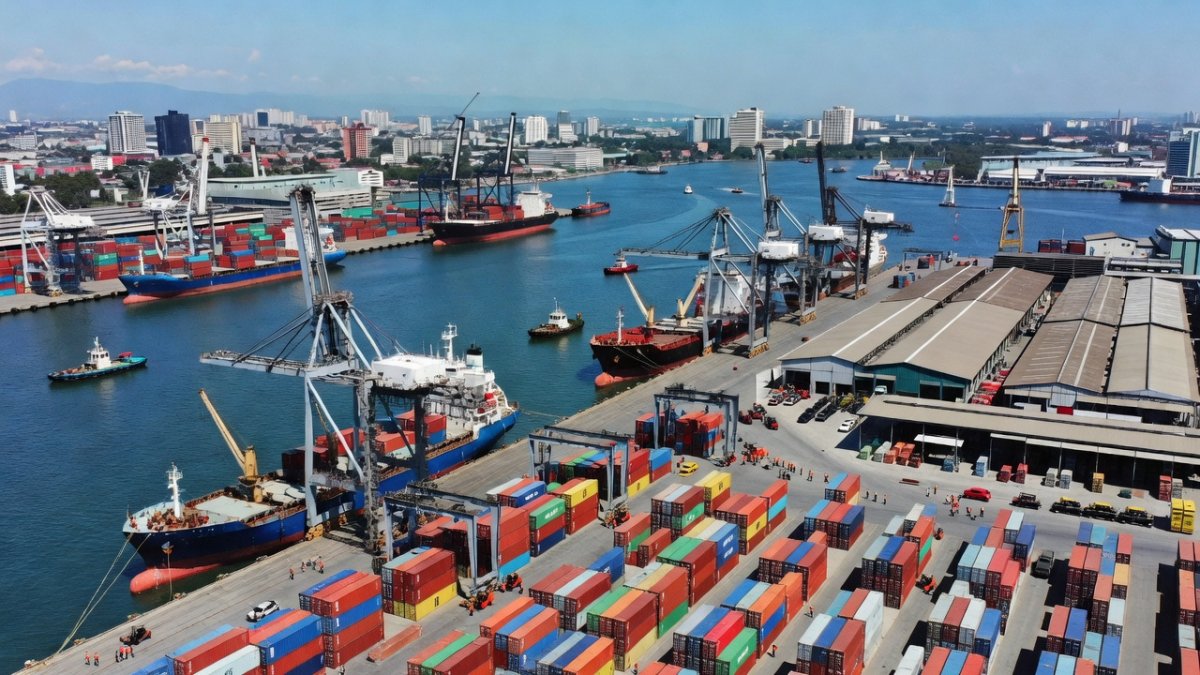
In the bustling markets of Manila and the quiet farms of Mindanao, families wake each day with the quiet hope that their hard work will put food on the table and keep children in school. Now, a fresh 12.5% tariff from the United States on Philippine exports is coming into force, replacing an earlier 10% global duty that was set to expire on July 24, 2026. This development touches the lives of ordinary Filipinos who stitch garments in Cavite factories, pack pineapples in Davao, and assemble electronics in Laguna plants, reminding us that distant trade decisions ripple straight into our barangays and sari-sari stores.
What the Tariff Means for Philippine Exports
The 12.5% duty applies to a wide range of goods shipped from the Philippines to the United States, part of a broader action affecting 85 countries. It targets items that Washington claims have not been sufficiently screened for forced labor content. Exporters now face higher costs that could reduce competitiveness against other suppliers, potentially slowing orders and trimming overtime hours for workers who rely on steady factory shifts to support their households.
Small and medium enterprises, many of them family-run operations in export zones, will feel the pressure first. A single percentage point increase can translate into thousands of pesos lost per container, money that might otherwise have gone toward school fees or home repairs in tight-knit communities where bayanihan still guides neighbors helping one another through lean times.
Why the United States Imposed the Duty
Washington has concluded that Manila has yet to fully ban goods made with forced labor from entering its market, prompting the tariff under anti-slavery provisions. This measure replaces the previous 10% duty and forms part of a wider effort hitting dozens of nations. The Supreme Court ruled in February 2026 that the International Emergency Economic Powers Act did not authorize broad tariffs, leading to the use of these targeted laws instead.
Critics, including Rep. Linda Sanchez of California, have called the approach a sham, noting that the same rate applies to both major trading partners and countries with documented labor concerns. The tariff is described by some observers as functioning like a sales tax that ultimately raises prices for American consumers while complicating supply chains for Philippine producers.
The Philippine Government Response
Trade Undersecretary Allan Gepty is leading the Philippine negotiation team in talks aimed at addressing the concerns. The Philippine envoy has indicated willingness to work on removing goods linked to child labor from export streams if evidence is presented. Officials are approaching the discussions with a focus on protecting legitimate trade flows while upholding international labor standards.
Brazil has already rejected similar claims as arbitrary and unjustified, and Singapore faces the same 12.5% rate. Philippine representatives are studying these parallel cases as they prepare their own position, mindful that any agreement must safeguard the interests of workers and exporters back home.
Affected Sectors Across Electronics, Agriculture, and Garments
Electronics assembly in Cavite and Laguna stands to lose ground if orders shift elsewhere, directly affecting thousands of workers who commute daily on jeepneys and tricycles. Agriculture exporters, particularly those shipping tropical fruits from Mindanao, worry about thinner margins that could force cuts in hiring during peak seasons. Garment factories in Metro Manila and nearby provinces, long a source of steady employment for women supporting extended families, may see reduced contracts as buyers seek lower-cost alternatives.
Remittances from overseas Filipino workers could also feel indirect effects if export slowdowns lead to fewer jobs at home, prompting more family members to seek work abroad. These sectors together support countless households where every shipment represents not just revenue but the ability to celebrate fiestas, pay medical bills, and keep the next generation in school.
Negotiation Prospects and Next Steps
Discussions are expected to center on verifiable steps to exclude any products tied to forced or child labor. Undersecretary Gepty's team will present data on existing Philippine labor inspections and export controls, seeking to demonstrate progress without disrupting legitimate commerce. The timeline remains uncertain, with both sides acknowledging the need for careful verification rather than rushed conclusions.
Observers note that similar talks with other nations could set precedents, offering Manila some room to shape an outcome that balances American concerns with local economic realities. Success would depend on clear documentation and mutual trust built over coming months.
What This Means for Filipino Families
Behind every container of garments or electronics sits a story of sacrifice: a mother in a Cavite boarding house sending money home to her children in the province, or a farmer in Davao hoping for steady demand so his tricycle can stay on the road. Higher tariffs risk trimming those incomes, making it harder to cover rising costs for rice, fuel, and school supplies in communities already stretched thin.
Yet the spirit of bayanihan remains strong. Barangay captains and local government units are already organizing information sessions to help small exporters understand the changes and explore new markets. Families are drawing on the same resilience that has carried the Philippines through past trade shifts, finding ways to adapt while keeping community bonds intact.
Standing Together in Uncertain Times
As negotiations unfold, the focus stays on protecting the livelihoods that sustain our islands. Every Filipino has a role, whether by supporting local products, staying informed through trusted channels, or reaching out to representatives in Congress and the Senate. In the end, trade challenges like this one test our unity, but they also remind us that our strength lies in looking out for one another, just as we have always done.
By Bella Reyes, Staff Writer
This article was produced with AI-assisted research and editorial support. Reporting is based on sources cited in the article.
What's Your Reaction?
 Like
0
Like
0
 Dislike
0
Dislike
0
 Love
0
Love
0
 Funny
0
Funny
0
 Wow
0
Wow
0
 Sad
0
Sad
0
 Angry
0
Angry
0

Philippines/Southeast Asia Correspondent at Global1.News. Manila-based journalist covering Philippine politics, environment, maritime security, and social issues. Passionate about marine conservation and the communities protecting the Philippines' natural heritage.










Comments (0)