
Senegal Takes AFCON Appeal to CAS: Title Dispute Deepens
Senegal's 2025 AFCON title, won in a chaotic January 2026 final against Morocco, was stripped by CAF in March via a 3-0 ruling. The federation's CAS appeal, heard October 8 in Lausanne, tests governance transparency while fans across Dakar and the diaspora demand restoration of on-field justice.
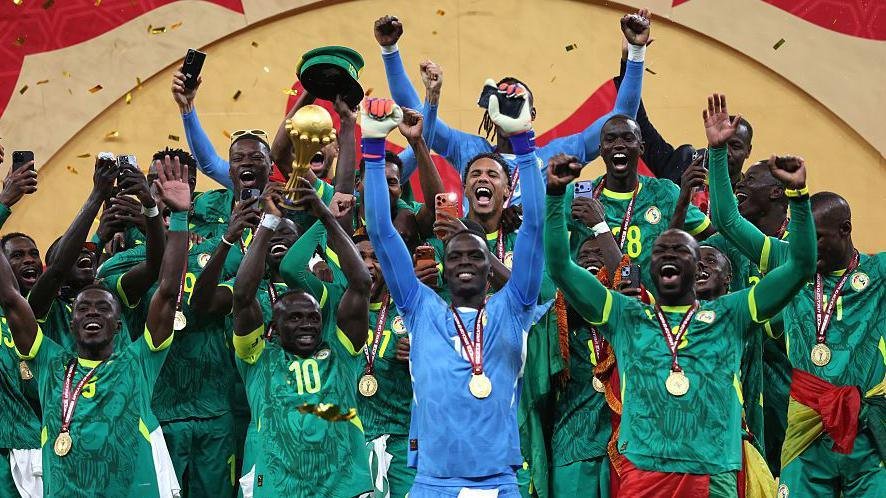
In the sweltering humidity of a Moroccan stadium on January 18, 2026, Senegal believed it had seized the Africa Cup of Nations title through sheer resilience, only for that triumph to be stripped three months later by an administrative ruling that awarded Morocco a 3-0 notional victory. The reversal ignited national outrage and thrust African football governance into crisis, culminating in a high-stakes Court of Arbitration for Sport hearing set for October 8, 2026. Now Senegal fights not merely for a trophy but for the integrity of on-field achievement against opaque bureaucracy.
Senegal Takes AFCON Appeal to CAS: Title Dispute Deepens
Dakar, Senegal — Article continues...
The Chaotic Final on January 18, 2026
On a humid evening in Morocco, Senegal claimed the 2025 Africa Cup of Nations after a final that descended into disorder against the host nation. The match, played on January 18, 2026, ended with Senegalese players and supporters celebrating what they believed was a hard-earned continental title, rooted in the same spirit that has long defined Teranga football. The final unfolded under a suffocating humidity that mirrored the tension gripping the stadium. Morocco, as hosts, exerted relentless pressure from the opening whistle, their supporters creating a wall of sound that tested the Senegalese players' composure. Late drama arrived when a disputed penalty and subsequent crowd disturbances forced the match into chaos, leaving players and officials navigating an atmosphere thick with national pride and frustration. Senegal's eventual triumph sparked euphoric celebrations across Dakar and beyond. This marked the nation's first AFCON title since 2022, cementing the legacy of Sadio Mané's era and elevating the Teranga generation as symbols of resilience. The victory embodied the fusion of Senegal's wrestling and football traditions, where physical grit meets communal joy. At its core, the win reflected the Teranga spirit of hospitality and unyielding pride, transforming a chaotic night into a defining chapter for Senegalese football culture.
The Appeals Committee Decision in March 2026
Three months later, the CAF appeals committee reversed the outcome, awarding Morocco the title on a 3-0 notional result. The ruling shifted the narrative from on-field achievement to administrative correction, leaving many in Senegal questioning how a tournament victory could be reassigned without fresh evidence from the pitch. A 3-0 notional result represents a default administrative award, typically invoked when a match is abandoned or its outcome invalidated due to external factors. In this case, the CAF appeals committee applied it after Morocco's post-final challenge, shifting the title despite Senegal's on-field performance. The timeline reveals procedural delays: the January 18 final prompted Morocco's swift appeal, yet CAF delayed its March ruling amid limited transparency. This opacity echoes past controversies, such as overturned qualifiers in the 2010s where host-nation security concerns influenced outcomes without full disclosure. CAF likely cited crowd trouble and referee decisions as rationale, highlighting security lapses at the host venue. Such moves underscore recurring governance gaps in African football administration.
Senegal's Federation Response and Legal Appeal
The Senegalese football federation moved quickly to challenge the decision through formal channels. Their appeal centers on preserving the integrity of the original result and ensuring that national pride earned through collective effort is not erased by later paperwork. This step reflects Senegal's deep cultural investment in football as an expression of resilience and unity.
The CAS Hearing Set for October 8, 2026
The Court of Arbitration for Sport has scheduled Senegal's appeal for October 8, 2026, in Lausanne, Switzerland. The session will take place behind closed doors, focusing on the legal merits of the CAF appeals committee's action. Observers note that the outcome will test how continental decisions align with established arbitration standards.
CAF President Patrice Motsepe's Position
CAF President Patrice Motsepe has stated that the organization will fully respect whatever ruling CAS delivers. This commitment provides a measure of procedural clarity amid the tension, signaling that African football's governing body intends to honor the arbitration process rather than contest it further.
Reactions from Senegalese Fans and the Diaspora
Across Senegal and in communities abroad, supporters describe a profound sense of being robbed. Football in Senegal carries the weight of national identity, connecting villages, cities, and generations through shared hope. The overturn has stirred quiet frustration mixed with determination that the October hearing might restore what was taken on the field. In Dakar's neighborhoods like Médina, Plateau, and Yeumbeul, fans gathered in stunned silence at packed viewing centers, their disbelief palpable after the reversal. Football serves as a vital social glue in Senegalese life, where street celebrations following AFCON wins foster unity and pride among diverse communities. The Paris diaspora, Senegal's largest abroad, voiced similar outrage through vigils and online forums, amplifying calls for justice. Social media erupted with reactions from players and celebrities decrying the decision, blending sorrow with resolve. This echoes the 2019 AFCON final heartbreak against Algeria, yet Senegalese supporters maintain quiet dignity, channeling energy toward October's resolution and reinforcing their enduring loyalty to the Teranga Lions.
Broader Implications for African Football Governance
The dispute highlights ongoing questions about transparency and finality in CAF competitions. When a title awarded after a chaotic final can be reassigned months later, the stability of tournament results comes under scrutiny. Senegal's case may influence how future appeals are handled across the continent. CAF's track record under Patrice Motsepe shows incremental progress in infrastructure alongside persistent controversies over appeals and transparency. The African football governance landscape remains shaped by concentrated power dynamics, with CAF's ties to FIFA often complicating independent oversight. This dispute sets a troubling precedent for host-nation conflicts, potentially affecting the 2027 AFCON co-hosted by Kenya, Tanzania, and Uganda. Future tournaments may face heightened scrutiny over security and adjudication fairness. Senegal emerges as a central voice in reform conversations, leveraging its football stature to advocate for clearer processes and greater equity across the continent's sporting institutions.
What Is at Stake for Both Nations
For Senegal, regaining official recognition would reaffirm the 2025 victory as a lasting chapter in the country's football story. For Morocco, the current 3-0 notional title stands as a point of celebration. The CAS decision on October 8 will shape how both nations remember this edition of the Africa Cup of Nations and how the wider African game views its own authority.
By Amara Diop, Staff WriterThis article was produced with AI-assisted research and editorial support. Reporting is based on sources cited in the article.
What's Your Reaction?
 Like
0
Like
0
 Dislike
0
Dislike
0
 Love
0
Love
0
 Funny
0
Funny
0
 Wow
0
Wow
0
 Sad
0
Sad
0
 Angry
0
Angry
0

West Africa/Sahel Correspondent at Global1.News. Dakar-based journalist covering politics, security, climate, and development across Francophone and Anglophone West Africa. Tells the stories of a region undergoing profound transformation.











Comments (0)